12 Behind the Bed Panelling Ideas for a Stunning Headboard Effect

Behind the bed panelling ideas work because they solve two problems at once: a genuine style statement and, in the right material, real acoustic benefit that a traditional upholstered or wooden headboard simply can’t offer. The 12 ideas below cover the configurations, materials, and styles worth considering, along with the honest practical checks most inspiration guides skip in favour of another styled photo.
1. Full-Height Wall Panelling for a Bold, Immersive Headboard
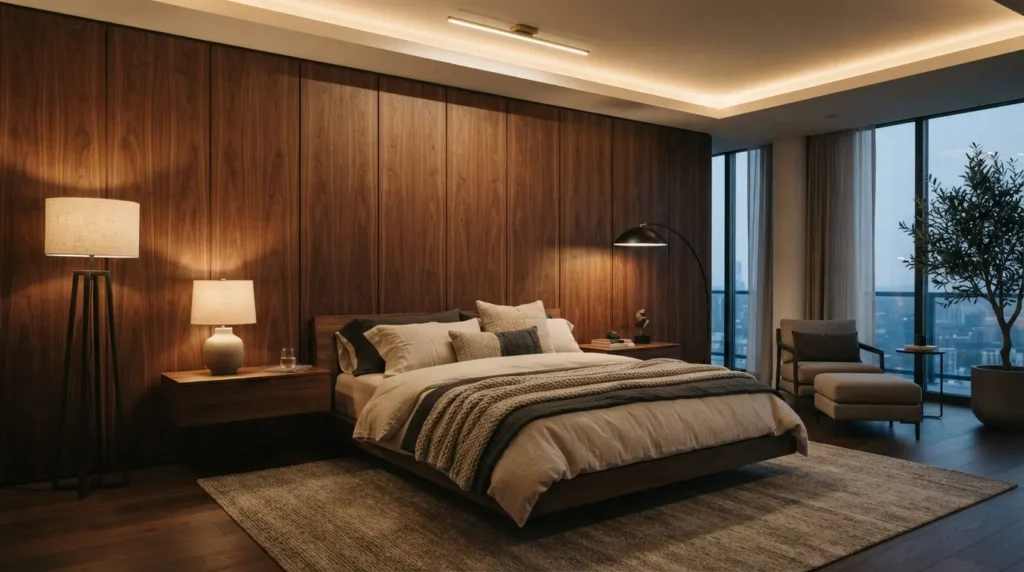
Taking the panelling from floor to ceiling, rather than stopping at headboard height, creates a genuinely architectural, built-in effect that a standard headboard-width panel can’t match. This suits a master bedroom or a genuinely calm sanctuary particularly well, and if you choose a material with real acoustic properties, the larger surface area also means more sound absorption, useful in a busy household or a bedroom on a noisier side of the house.
2. Half-Wall Panelling for a Softer, Space-Conscious Look
Stopping the panelling partway up the wall, roughly headboard height, gives you the texture and definition of a panelled feature without covering the entire wall. This suits a smaller bedroom or a rental where a lighter-touch update makes more sense, and it mimics the traditional proportions of a standard headboard while still reading as more considered and architectural than paint alone.
3. Horizontal Slats to Widen a Narrow Room or Low Ceiling
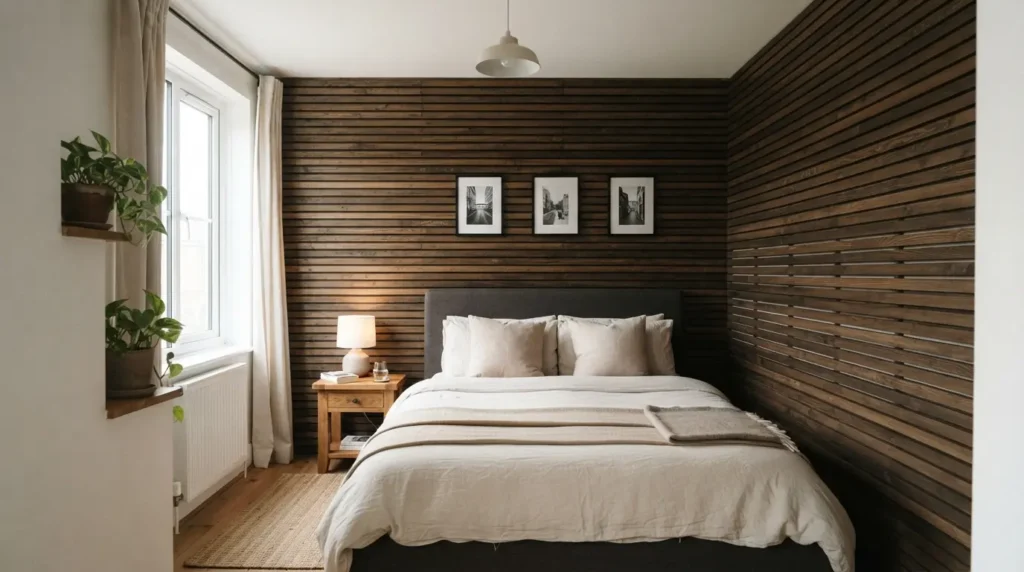
Most panelled headboards run vertically, but turning the slats horizontal instead creates a genuinely different effect, drawing the eye across the wall rather than upward. This suits a long, narrow bedroom or a room with a lower ceiling, where a horizontal line visually widens the space rather than emphasising a height the room doesn’t have.
4. Wrap-Around Panelling Onto the Side Walls for a Cocooning Feel
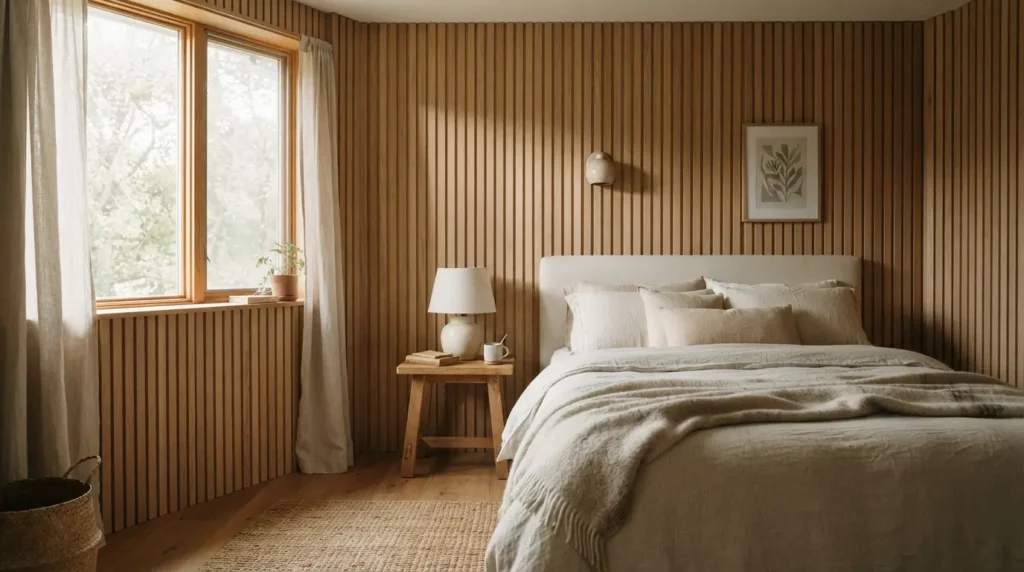
Extending the panelling from behind the bed onto one or both adjacent walls creates a genuinely enveloping, boutique-hotel feel that a single flat panel behind the bed can’t achieve on its own. This suits a larger bedroom with the wall space to support it, and it softens the corners of the room in a way that makes the whole sleeping area feel like its own defined, considered space within the larger room.
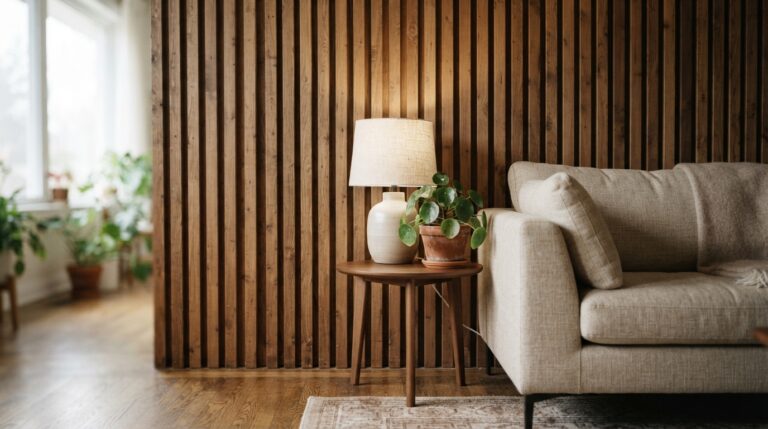
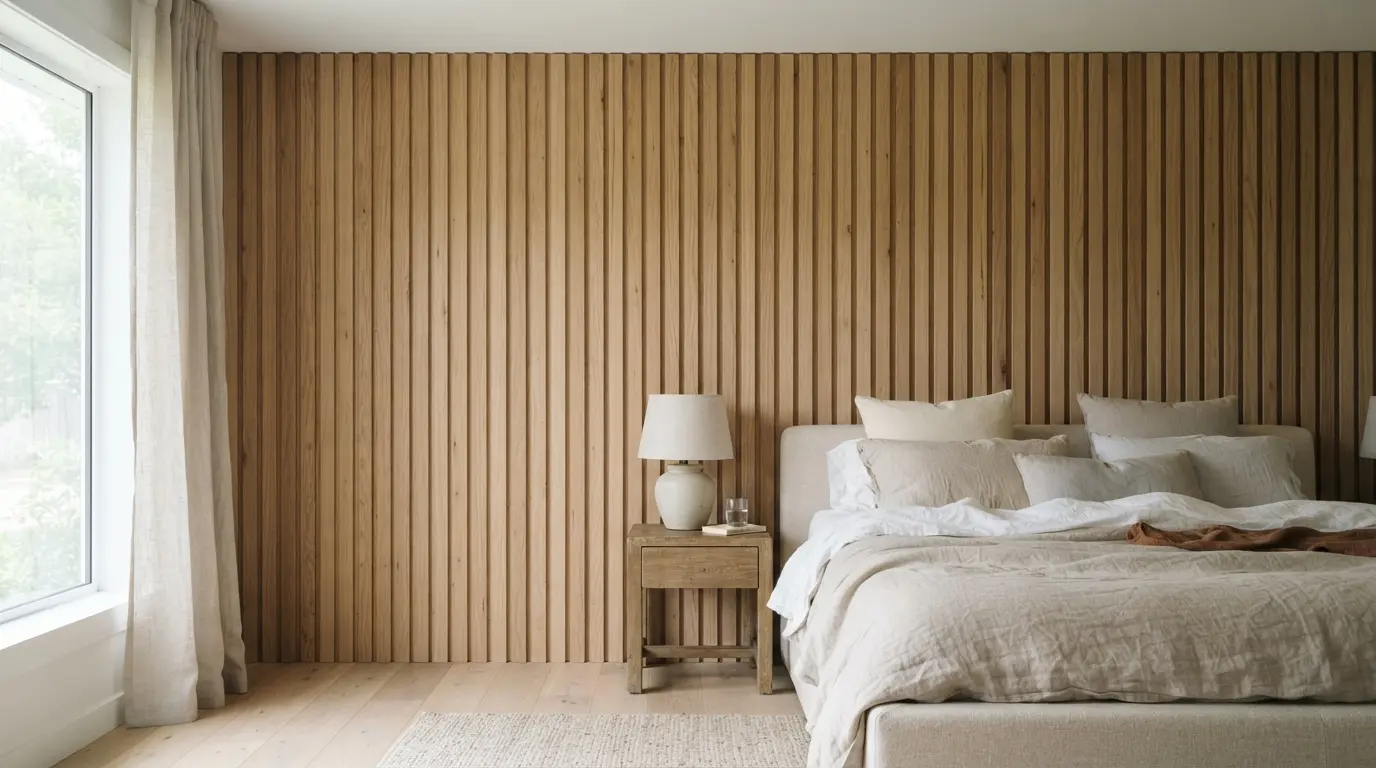
5. Light Oak Slats for a Calm, Scandi-Inspired Look
Thin, evenly spaced slats in a pale, natural oak bring a genuinely calm, understated character that suits a minimalist or Scandi-leaning bedroom particularly well. Framing the panelling slightly wider than the bed itself, rather than matching its exact width, lets the natural vertical lines of the wood do the visual work, and this style holds up best when the rest of the room stays quiet and uncluttered around it.
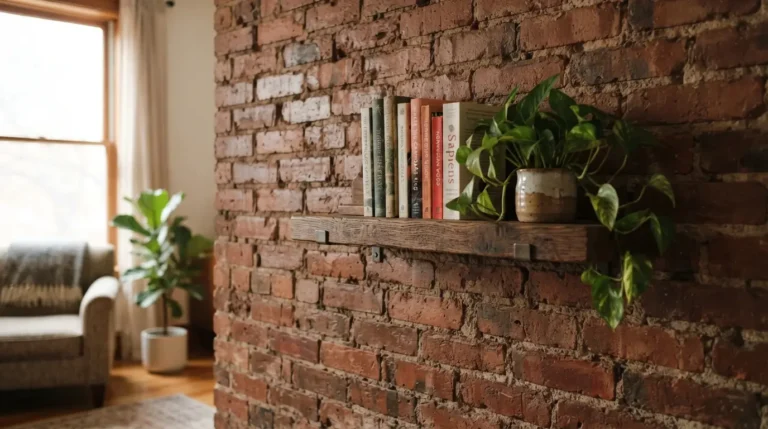
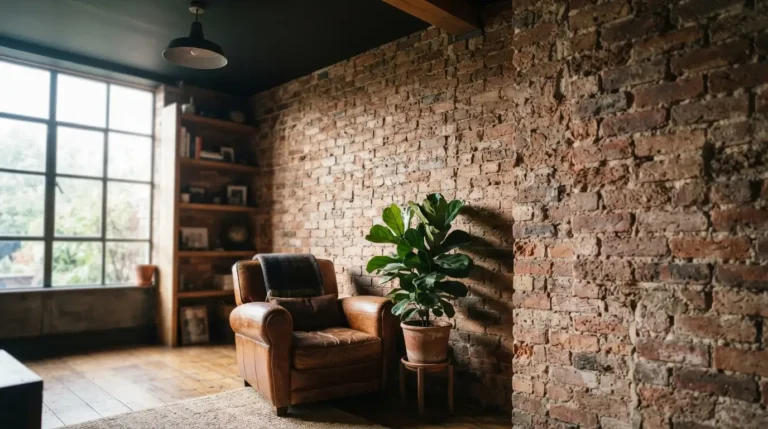
6. Brick or Concrete-Effect Panels for an Industrial Edge
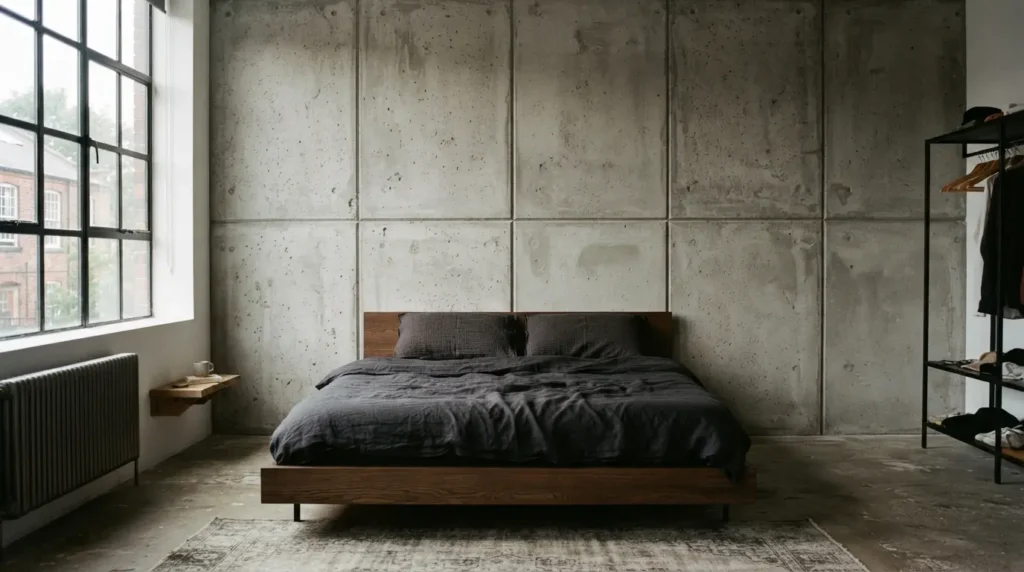
Modern panel systems can replicate the texture of exposed brick or polished concrete convincingly, but with a considerably smoother, warmer surface than the real material, genuinely important for something you’ll be resting your head against. Keep this panel narrow and focused directly behind the bed rather than spreading it across the whole wall, and pair it with minimal black metal fixtures and simple bedding to let the industrial texture read as a deliberate feature rather than an overwhelming backdrop.
7. Bright White or Wood-Effect Panels for a Coastal, Airy Feel
Light, neutral panelling, bright white, pale wood-effect, or a soft sage, brings a relaxed, coastal character built around clean vertical lines and a genuinely airy palette. This style tends to work best extended across the full width of the wall, or at least half its height, rather than kept narrow, since the extended coverage is part of what gives this look its light, traditional feel.
8. An Arched or Shaped Panel for a Genuine Statement
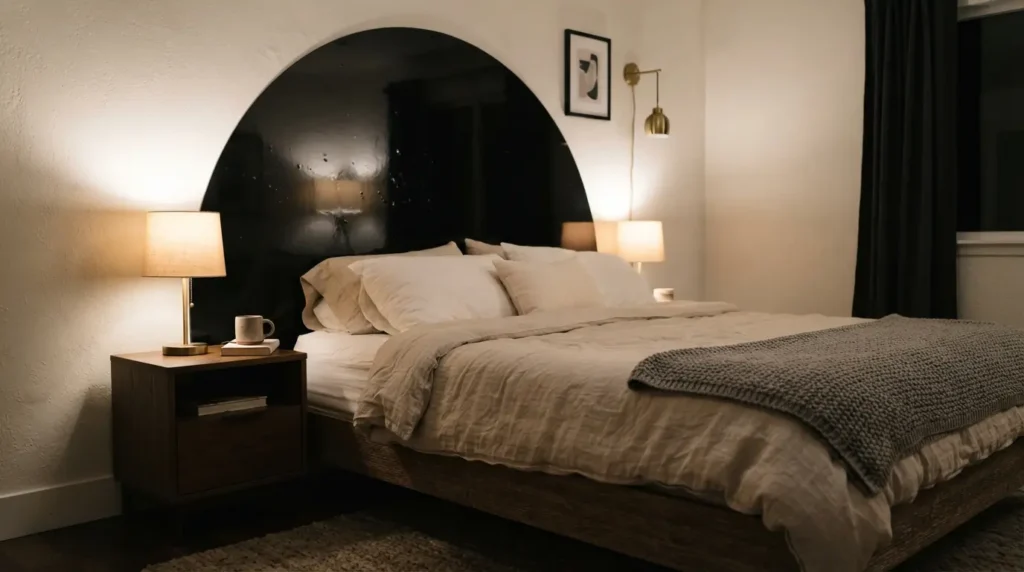
Rather than a standard rectangular panel, a wide arch or a series of asymmetric blocks extending up the wall, sometimes even onto the ceiling line, turns the headboard into a genuine piece of architectural art. This works particularly well with a high-gloss finish and a confident, dramatic colour, black or a deep jewel tone, since the combination of an unconventional shape and a bold finish is what actually makes the statement land rather than reading as an odd choice.
9. Mix Materials, Colours, and Directions for a Personal, Artistic Wall
Rather than one uniform panel style, combining different colours, materials, or slat directions, alternating horizontal and vertical sections, or pairing a dark wood with a lighter one in a considered pattern, turns the wall into something genuinely personal rather than a single off-the-shelf look. This suits a household that wants their bedroom to feel distinctly their own rather than following one set style, and it rewards a bit of planning on paper before committing to the final layout.
10. Choose Panelling With Genuine Acoustic Benefit
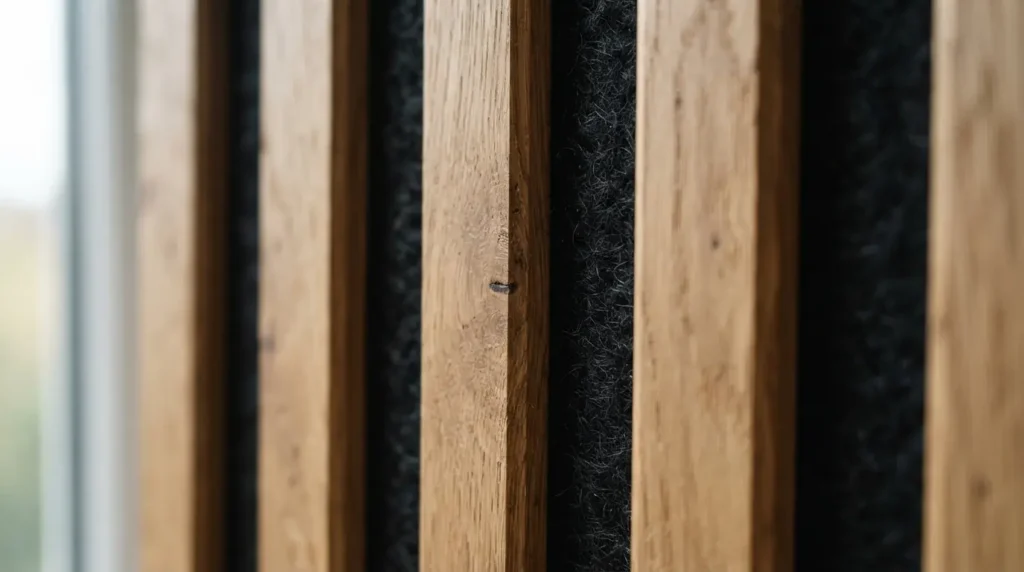
This is worth knowing if you’re weighing a panelled headboard against a traditional upholstered one: a genuine acoustic panel doesn’t just look considered, it actually reduces echo within the room and softens noise coming from adjoining rooms, a real practical advantage a standard flat panel or fabric headboard doesn’t offer. This matters more in a full-height, full-width configuration than a narrow, half-wall one, simply because there’s more surface area actually doing the acoustic work, so factor this into your choice of configuration if noise reduction is a genuine priority for your household, not just the visual style.
11. Check Wall Support Before Mounting Anything Onto the Panel
This is a genuinely practical detail worth confirming before you finish the project. Most panel systems can support wall-mounted accessories, a small shelf, a piece of art, a reading light, but only if there’s sufficient backing support behind the specific spot you’re drilling into, not just anywhere across the panel’s surface. Plan where you want to mount anything before the panels go up if possible, so you can position any additional backing or fixing points correctly rather than discovering after installation that your ideal spot for a bedside light doesn’t have adequate support behind it.
12. Test Your Panel Choice Against the Bed and Natural Light Before Committing
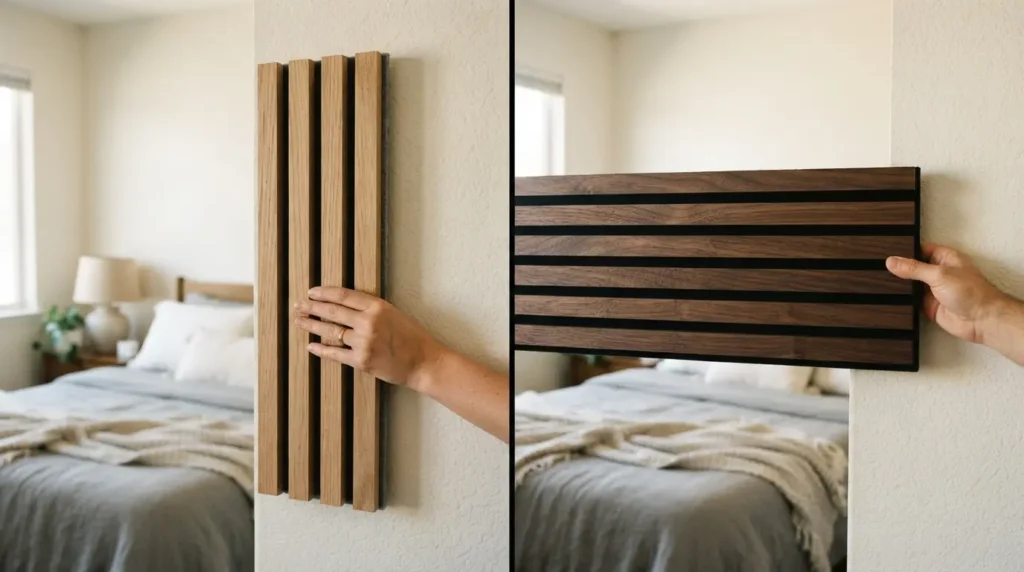
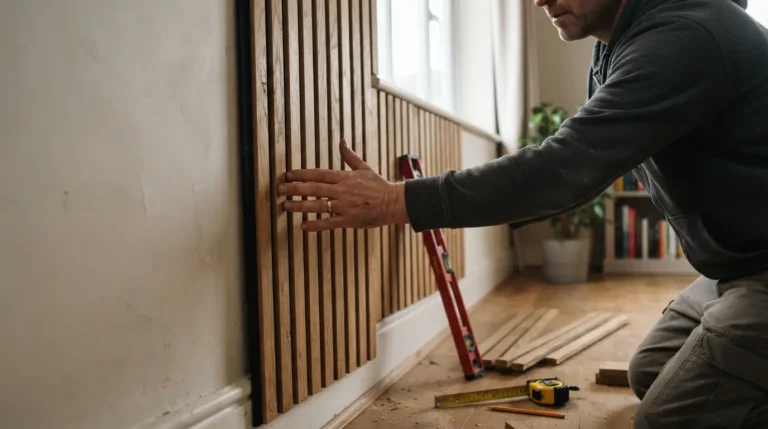
This is the step most people skip in the excitement of choosing a style, and it’s worth doing properly. Order a genuine sample and hold it up directly behind where the bed will sit, checking it against your actual bedding and furniture rather than judging it in isolation. View it under natural daylight and again under your usual evening lighting, since a panel’s colour and texture can read differently at different times of day, exactly the same principle that applies to any paint or fabric choice. This single check prevents the most common disappointment with panelled headboards: a material or colour that looked perfect in a product photo but doesn’t actually suit the room once it’s installed and lived with.
Final Thoughts
The best behind-the-bed panelling ideas combine genuine style with a material and configuration that actually suits your room’s size and your household’s practical needs, whether that’s noise reduction, a rental-friendly update, or simply a considered, personal feature wall. Test your chosen panel against the actual bed and room before committing, check the backing support if you’re planning to mount anything onto it, and the finished headboard wall will feel like a genuine architectural feature, not just a photo you copied from somewhere else.
FAQs
Does behind-the-bed panelling actually reduce noise?
Genuine acoustic panels do provide real sound absorption, reducing echo within the room and softening noise from adjoining spaces, though the effect scales with how much surface area the panelling covers. A full-height, full-width configuration does more acoustic work than a narrow, decorative-only panel.
Should panelling behind the bed be wider than the bed itself?
Generally yes, framing the panel a little wider than the bed gives the feature proper visual weight and lets it read as an intentional design element rather than a panel that happens to be exactly bed-width and looks slightly undersized against the wall.
Can I attach shelves or lights to a panelled headboard?
Usually yes, but check there’s adequate backing support behind the specific spot you’re drilling into before mounting anything. Planning accessory positions before installation, rather than after, makes it much easier to ensure proper support exactly where you need it.
How do I clean panelling used as a headboard?
Most panel materials clean easily with a soft cloth and warm, soapy water. Avoid bleach or abrasive cleaners, which can dull or damage the panel’s finish over time, particularly on a high-gloss surface.
Is a half-wall or full-wall panel better behind a bed?
Neither is universally better. A half-wall panel suits a smaller room or a lighter-touch update, while a full-wall configuration gives a bolder, more immersive look and, with an acoustic material, provides genuinely more sound absorption thanks to the larger surface area.