
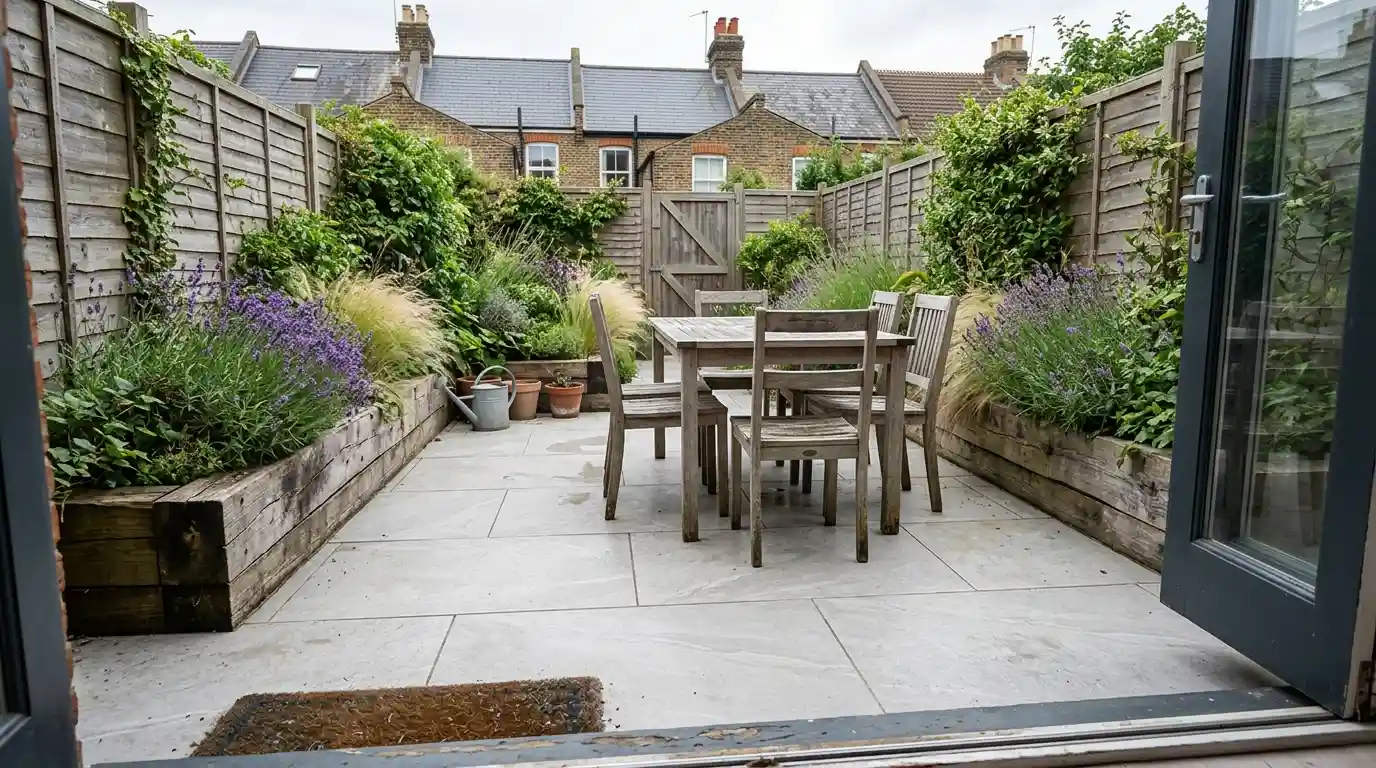
15 Garden Ideas to Transform Your Outdoor Space

Transforming your outdoor space does not require a complete overhaul. The right combination of hard landscaping, planting, and practical details can turn a plain UK garden into somewhere you actually use. Most plots benefit from clearer zones, better drainage, and plants that handle British weather without constant intervention.
These 15 ideas focus on changes that hold up once the photos are taken. They cover typical terrace gardens, longer suburban plots, and everything in between. Pair them with a proper plan for levels and materials so the space works in rain as well as sunshine.
Start With Clear Zones
Even a small garden works better when you divide it into a seating area, a planting border, and a path. A 4m by 6m new-build plot can hold a compact bistro table near the house, a narrow border along the fence, and a simple stepping-stone path. Larger plots benefit from a dining zone separate from a quieter lounge corner.
Breaking sight lines with planting or a change in level stops the eye from reading the whole space at once. This makes modest gardens feel larger and gives bigger ones more character. See how to plan outdoor living in our guide to creating a garden entertainment area that lasts.
Reshape the Lawn or Lose It
A perfect rectangle of grass is rarely the best use of space. Soften the edges with curved borders or replace part of the lawn with large-format porcelain paving. Porcelain slabs in 600mm or 900mm sizes reduce grout lines and make a small patio feel more continuous.
In wetter UK regions, a gravel garden or raised beds improve drainage and cut mowing time. Many homeowners find that reducing lawn area by half and adding defined borders makes the garden look more intentional without a full redesign.
Add Height With Vertical Planting
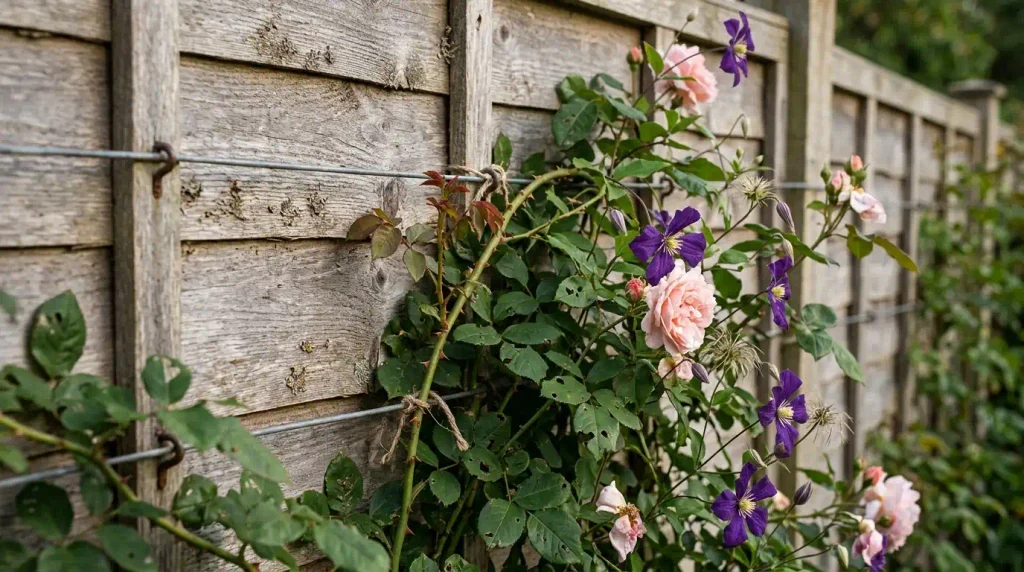
When floor space is limited, use the fences and walls. Climbing roses, jasmine, or clematis on wires or trellis add colour and soften boundaries. Espaliered fruit trees trained flat against a south-facing fence produce fruit while taking almost no ground space.
A simple timber or metal arch over a path creates a focal point and supports climbers. Vertical elements also screen neighbours without building a tall solid fence that needs planning permission in many areas.
Choose Plants for Real British Conditions
Drought-tolerant plants such as lavender, sedum, and ornamental grasses cope with dry summers and wet winters better than many traditional bedding plants. A prairie-style border with verbena, achillea, and miscanthus gives movement and needs less watering once established.
For smaller plots, dwarf fruit trees on M27 rootstock stay under 2m and still crop. Always check soil type and aspect before planting so the scheme lasts more than one season.
Build a Simple Raised Bed System
Raised beds define planting areas, improve drainage, and make weeding easier. Sleepers or concrete blocks create structure quickly. Fill them with a mix of topsoil and compost suited to your soil.
They work well along fences in terrace gardens and as dividers in larger spaces. A single well-built bed often looks better than scattered pots that dry out.
Install Low-Level Lighting
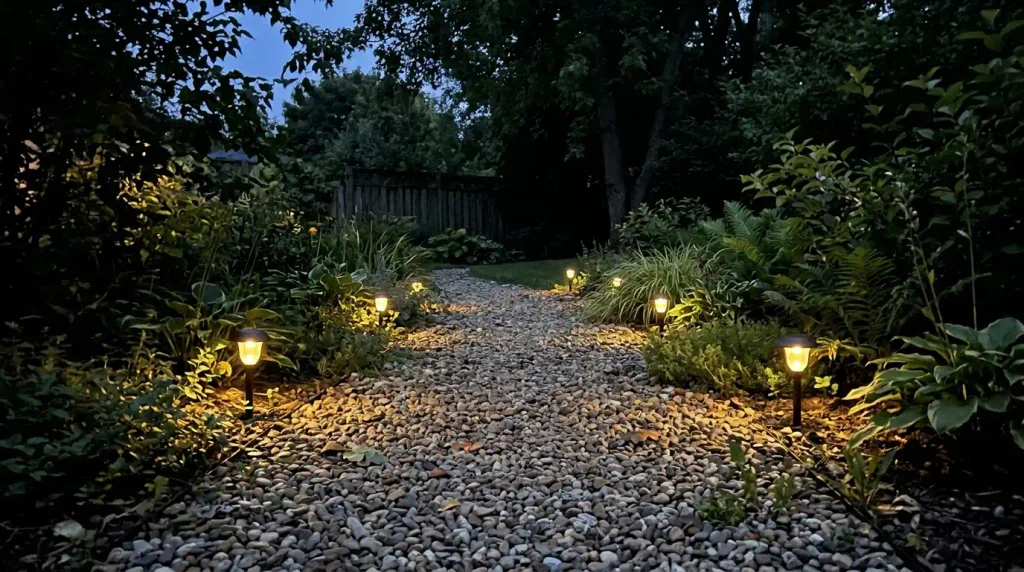
Solar or low-voltage path lights along a route, plus a few uplights on shrubs, extend usable hours without a full electrical install. Place them to light the way to seating rather than flooding the whole garden.
Warm white LEDs around 2700K keep the feel natural. A focused scheme costs less than a complete outdoor kitchen and makes the space usable on autumn evenings.
Create a Compact Dining or Seating Zone
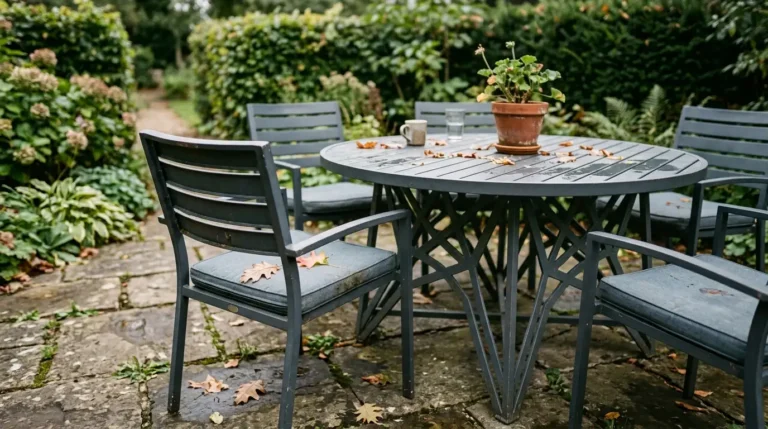
A 2m by 2.5m paved area near the house holds a small table and chairs. Choose furniture that stores flat or stacks if the garden is tiny. A built-in bench along a wall saves space and adds structure.
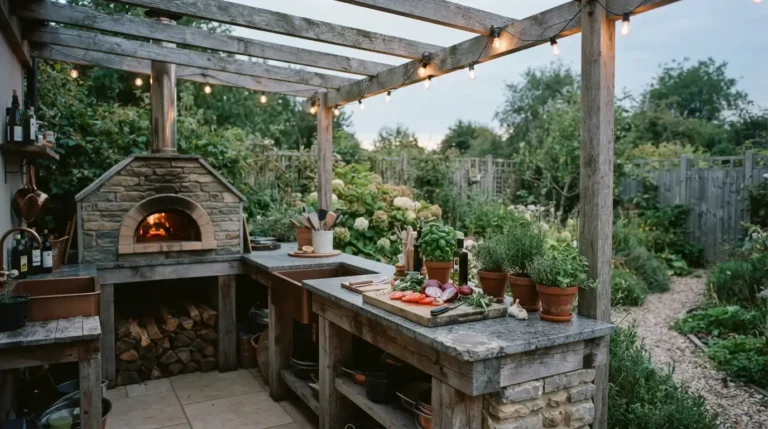
For larger plots, separate the dining table from a lounge zone with planting or a change in paving. This mirrors the zoning approach used in successful outdoor kitchens.
Use Large-Format Paving
Bigger slabs make small gardens feel larger because there are fewer joints. Light-coloured porcelain reflects light and stays cooler underfoot than dark materials. Ensure a slight fall for drainage and a solid base so the surface stays level.
Combining two materials at most, such as porcelain and gravel, keeps the design coherent. Too many finishes usually look busy rather than considered.
Add a Focal Point
A single specimen plant, a simple water bowl, or a carefully placed bench gives the eye somewhere to rest. Scale it to the garden: a large pot works in a small space, while a sculpture or pond suits a bigger plot.
Position the focal point so it is visible from the main seating area or the house. This simple trick makes the whole scheme feel designed.
Screen Boundaries Softly
Solid fences can feel oppressive. A mix of planting, open trellis, or horizontal slats lets light through while adding privacy. Climbing plants fill the gaps over a couple of seasons.
In very overlooked gardens, a short section of higher screening near the seating area is often enough without enclosing the whole space.
Include Practical Storage
A small timber store or integrated bench storage keeps cushions, tools, and toys out of sight. Place it against a fence so it does not break up the main view. Waterproof covers still help, but dedicated storage reduces daily clutter.
Plan for Drainage From the Start
UK gardens get heavy rain. Slope hard surfaces away from the house, use permeable paving or gravel where possible, and ensure borders do not sit in standing water. Poor drainage ruins planting and creates slippery surfaces.
A simple French drain along a boundary solves many problems before they appear. This is the detail most inspiration photos skip.
Layer Planting for Interest All Year
Combine evergreen structure with seasonal perennials and bulbs. Grasses and sedum look good into winter, while spring bulbs fill gaps early. A mulch of bark or gravel suppresses weeds and improves the look between plantings.
Keep Maintenance Realistic
Choose plants that do not need constant deadheading or watering. Group them by water needs. A gravel garden or low planting scheme often looks better after two years than a high-maintenance border that becomes neglected.
Budget for an initial plant cost and then lower ongoing effort. Many successful UK gardens rely on a small number of reliable species repeated rather than dozens of one-offs.
Conclusion
The gardens that actually get used combine clear zones, plants suited to the climate, and materials that handle rain. Start with the layout and drainage, then add height, lighting, and a single strong focal point. These changes transform the space without requiring a complete rebuild.
What is the average size of a UK garden?
Many terrace and new-build gardens measure around 4m by 6m, while larger suburban plots can be 14m by 12m or more. Design choices scale accordingly, with vertical planting and zoning working in both.
How much does a simple garden refresh cost?
A basic scheme of large-format paving, a couple of raised beds, and plants can start from a few hundred pounds for DIY materials. Professional landscaping for a full redesign runs higher and depends on size and access.
Do I need planning permission for garden structures?
Most low walls, raised beds, and small sheds fall under permitted development, but tall fences, outbuildings near boundaries, or anything over certain heights may need checks. Confirm with your local authority for anything substantial.



4 Comments