Types of Bed Frames Explained: Which Is Right for You?

The main types of bed frames are divan, slatted (bedstead), ottoman, and upholstered, and each one supports a mattress in a genuinely different way, not just a different look. Most people choose on style alone and only discover the difference once the frame starts sagging, squeaking, or fighting against the mattress they paired it with.
Divan Bed Frames: Storage and Support in One
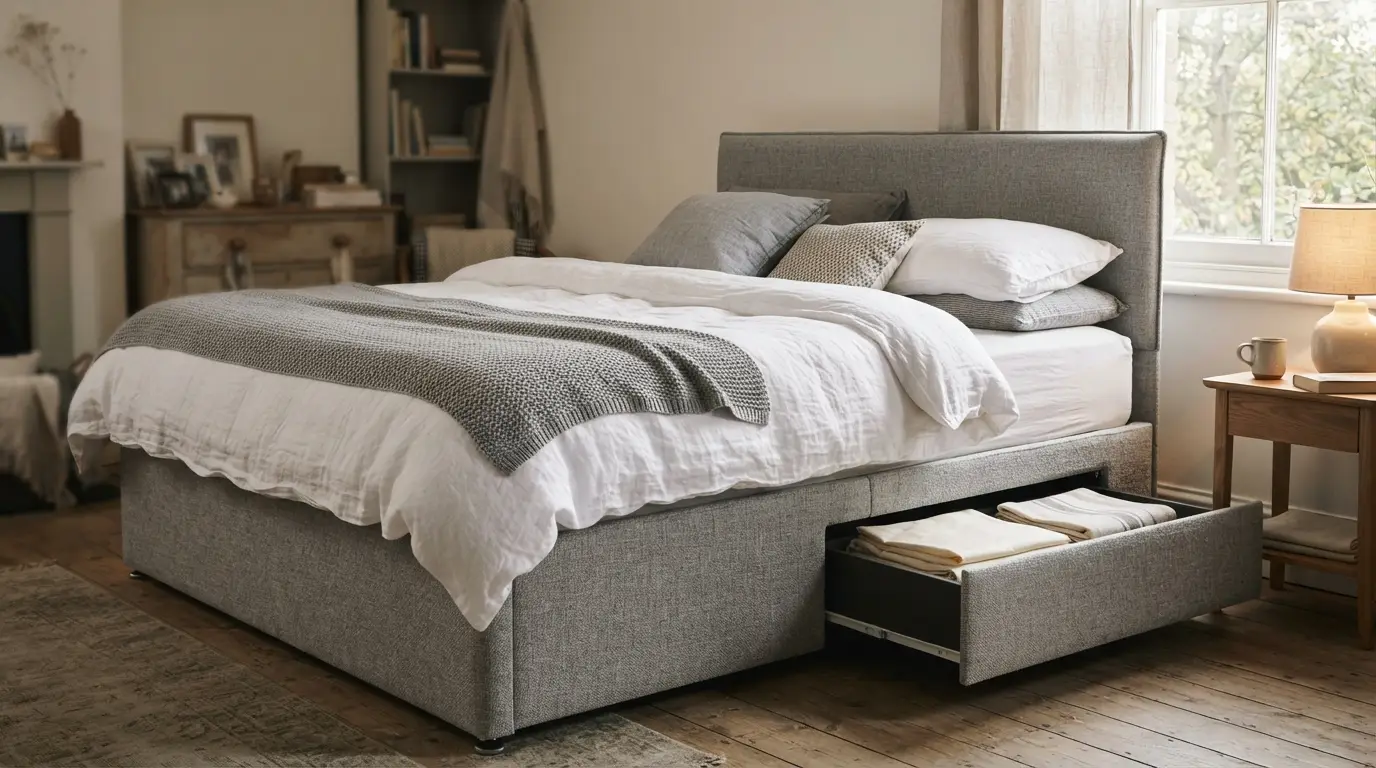
A divan is an upholstered box base, sitting low to the floor, that comes in two versions: sprung edge and platform top. A sprung edge divan houses a genuine spring unit inside the base, which softens the overall feel of a mattress placed on top and gives a more forgiving, cushioned support. A platform top divan is a solid, unsprung base, giving a firmer sleeping surface and typically costing less. Divans pair especially well with a traditional pocket-sprung mattress, which needs a consistent, well-supported surface rather than a slatted one, and drawer storage built into the base is one of their most practical advantages.
Slatted Bed Frames (Bedsteads): Style First, Support Second

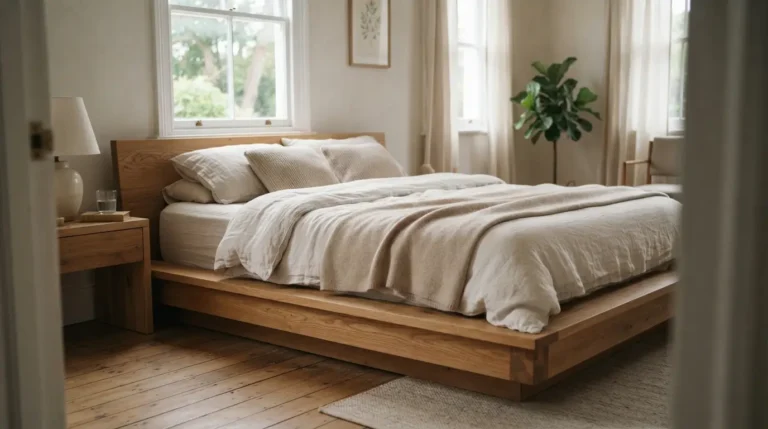
This category covers most of what people picture when they think “bed frame”: wooden, metal, and ornate designs, sleigh beds and antique styles included, nearly all of which rest the mattress on slats rather than a solid or sprung base. The trade-off here is real and rarely mentioned in style-led buying guides: gaps between slats let a mattress sag slightly into each gap over years of use, which can eventually cause lumps and uneven wear. Boarding over the slats with a thin sheet of plywood is a genuinely effective, low-cost fix if you already own a slatted frame and notice this happening. Metal slatted frames have their own specific issue: the many joints and screws that hold them together tend to loosen with regular use, leading to squeaking, the fix is periodically retightening every joint, or fitting small rubber washers at each screw point when you first assemble it.
Ottoman Bed Frames: Maximum Storage, Minimum Footprint

An ottoman frame lifts the entire mattress on gas struts to reveal a storage compartment underneath, making it one of the most space-efficient options for a smaller bedroom or flat. Ottomans are always platform-topped, with no sprung option, so if you specifically want a sprung-edge feel, this isn’t the frame for that. The detail worth actually checking before buying: the gas struts need a lifting capacity, sometimes listed by their Newton rating, genuinely matched to your mattress’s weight, since a strut rated for a light memory foam mattress will strain or fail under a heavy pocket-sprung one.
Upholstered Bed Frames: Comfort-Forward, Higher Maintenance
An upholstered frame wraps the visible structure, headboard, and sometimes footboard in fabric or faux leather, giving a softer, more cushioned look than exposed wood or metal. They generally need more care than a wooden frame, fabric marks and shows wear at contact points over time, though many now come with the same drawer or ottoman storage options built in. A genuinely well-built upholstered frame uses a solid upholstered base pad rather than slats underneath, which supports a mattress more evenly and consistently over years of use than a slatted equivalent.
Wooden Bed Frames: The Long-Term, Low-Fuss Choice
Solid wood frames, oak, pine, ash, and mahogany among the most common, are valued for durability and a timeless look that suits both traditional and contemporary bedrooms. Most wooden frames still use a slatted base underneath, so the same sagging caveat applies here as with other slatted bedsteads, boarding over the slats is worth doing if you want the mattress to perform as intended for its full lifespan rather than developing dips.
Style-Led Frames Worth Knowing
A sleigh bed’s curved headboard and footboard bring real character but reduce under-bed storage space compared to a simpler frame, since the side panels take up room a plainer design wouldn’t. A TV bed hides a screen inside a raised footboard, purely a style and functionality choice rather than one that affects mattress support differently to a standard upholstered or wooden frame. Antique and French-style frames lean into ornate detailing and work best as a genuine room feature rather than the practical, storage-forward choice, since intricate framing rarely leaves room for drawers or an ottoman lift.
Which Mattress Actually Suits Which Frame?
| Frame/Base Type | Best Mattress Pairing | Why |
| Sprung edge divan | Traditional pocket-sprung | Consistent support, slightly softer overall feel |
| Platform top divan/ottoman | Memory foam, latex, hybrid | Firm, flat surface these mattresses are designed and graded on |
| Slatted frame (any material) | Any, but board it over first | Prevents sagging into the gaps between slats |
| Upholstered base pad | Any | Solid, even support with no slats to sag |
Pairing a soft memory foam mattress with a sprung edge base actually softens the mattress beyond how it was designed and graded, so if a mattress feels unexpectedly different to how it did in a showroom, the base underneath it is worth checking before assuming the mattress itself is at fault.
Common Bed Frame Mistakes
The most frequent mistake is buying a slatted frame purely on looks and never boarding it, which leads to gradual sagging that’s easy to blame on the mattress rather than the base underneath it. The second is ignoring weight tolerance entirely, any frame, but ottomans especially, should have a stated weight capacity for the mattress and sleepers combined, and it’s worth asking for this figure directly rather than assuming a stylish frame is automatically a sturdy one. The third is assuming all bases suit all mattresses interchangeably; pairing the wrong base type with a specific mattress can genuinely change how it feels and, in some cases, affect the manufacturer’s comfort guarantee.
Final Thoughts
Choosing between the types of bed frames really comes down to what’s underneath the mattress, not just what the headboard looks like. Match the base type to the mattress you actually own or plan to buy, check the weight tolerance if storage or lifting is involved, and board over any slatted base before it has the chance to sag, and the frame you choose will support a comfortable night’s sleep for years, not just look good on the day it arrives.
FAQs
What is the difference between a divan and a regular bed frame?
A divan is an upholstered box base, sprung or platform-topped, that sits low to the floor and usually needs a separate headboard. A regular bed frame or bedstead typically has its own visible structure, headboard and footboard included, and rests the mattress on slats rather than a solid base.
Do slatted bed frames damage mattresses?
Not immediately, but over years of use a mattress can sag slightly into the gaps between slats, leading to lumps or uneven support. Boarding over the slats with plywood is a simple, effective fix.
How do I stop a bed frame from squeaking?
Squeaking usually comes from loosened screws and joints over time, most common in metal frames. Periodically retightening every joint, or fitting rubber washers when you first assemble the frame, solves most squeaking issues.
What is a sprung edge base, and is it better than a platform top?
A sprung edge base has a spring unit inside it, giving a softer, more forgiving feel, while a platform top is solid and firmer. Neither is objectively better, it depends on the feel you want and the mattress you’re pairing it with.
Can I put any mattress on an ottoman bed frame?
Most mattresses will physically fit, but ottomans are always platform-topped, so a mattress designed to feel firm on a solid surface performs as intended, while one graded for a sprung base may feel different. Also check the gas struts are rated to lift your specific mattress’s weight.