15 Front Door Ideas to Make a Stunning First Impression

Your front door is the single hardest-working design feature on your house. The best front door ideas balance colour, material, and hardware so the entrance reads as intentional rather than an afterthought bolted onto the facade. Get it right and you set the tone for everything a visitor assumes about the rest of your home before they’ve even stepped inside.
I’ve spent fifteen years specifying and fitting doors and windows for homeowners, and the same mistake comes up again and again: people treat the front door as a last-minute purchase instead of the focal point it actually is. A door chosen in isolation, without thinking about the porch, the path, the lighting, and the facade colour around it, almost never looks as good as one planned as part of the whole entrance. The fifteen ideas below cover the full picture: colour, material, glazing, hardware, and the styling details that pull it together, plus honest cost and maintenance guidance most gallery-style roundups skip entirely.
1. Choose a Bold, Unexpected Colour
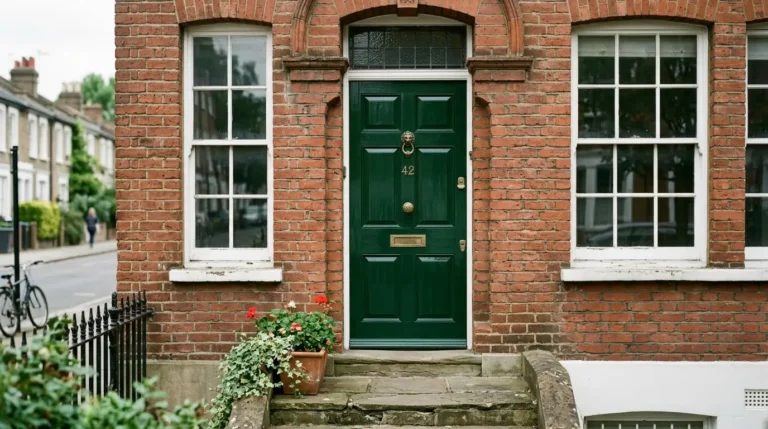
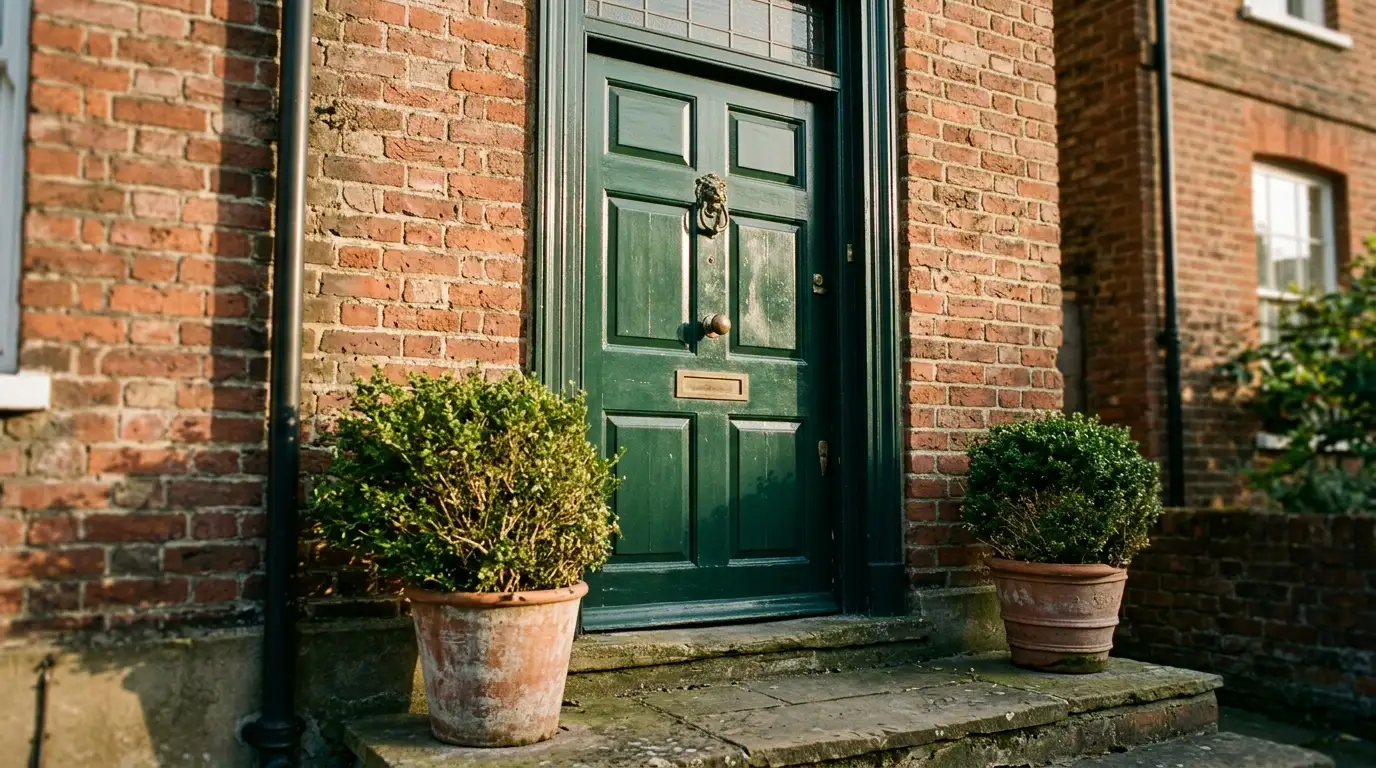
Paint colour is still the single fastest way to transform a front door, and it’s also the area where homeowners get the most cautious when they should be getting braver. Deep, saturated colours like cobalt blue, bottle green, or burnt orange do more for kerb appeal than a fresh coat of the same safe navy everyone else on the street has chosen.
A genuinely bold front door colour works best when it has some relationship to your planting or brickwork rather than fighting it. If your brick has warm red or orange undertones, a blue or green door creates natural contrast. On white render or pale stone, almost any strong colour reads well. Budget roughly £30 to £70 for a tin of quality exterior door paint, and expect to redo it every three to five years depending on sun exposure and how north or south facing your entrance is.
2. Go for a Statement Door Shape
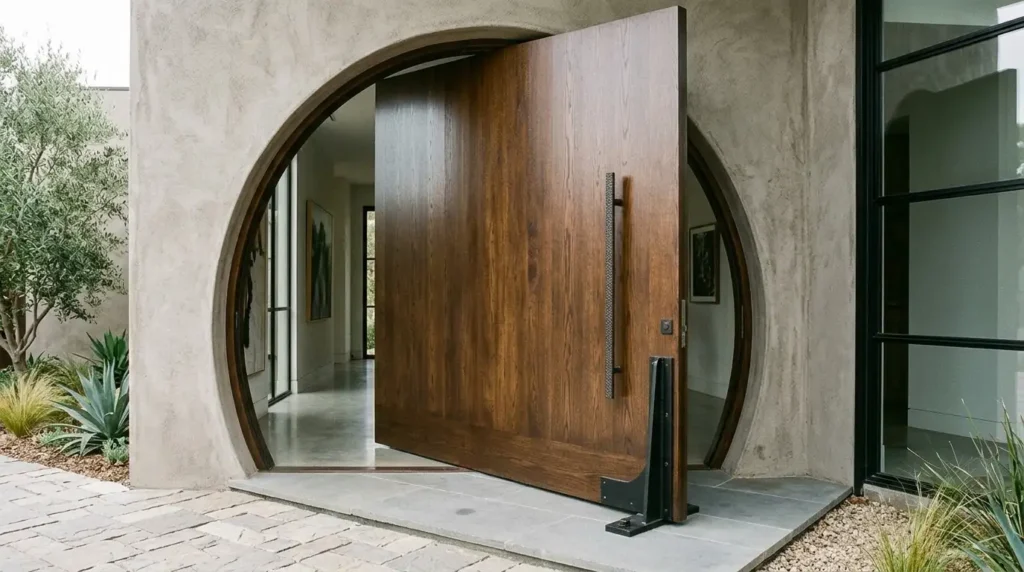
Rectangular doors are the default for a reason, but arched tops, generously oversized proportions, and pivot-hung doors are what separate a merely tidy entrance from one people actually remember. A wide pivot door on substantial hinges gives a genuinely different sense of scale and weight compared with a standard hinged door of the same width, and it has become one of the clearer shifts in higher-end entrance design over the past few years.
This is not a budget-friendly swap. A custom-shaped or pivot-hung door typically costs several times more than an off-the-shelf rectangular door once you factor in the bespoke frame and structural opening work, so it makes most sense for a full renovation or new build rather than a quick refresh.
3. Match the Material to Your Home’s Period and Climate
Before you fall in love with a photo, the material has to suit both your house and your weather. Wood remains the most flexible option for customising shape, panel detail, and glazing, and it takes paint or stain beautifully, but it can warp or swell with constant exposure to damp and needs repainting more often than other materials. Composite (GRP) doors are more dimensionally stable and low maintenance, which is why they’ve become the default choice for UK homeowners wanting a period look without the upkeep. Aluminium suits slim, minimalist modern openings and holds its colour well but costs more upfront. Steel is strong and secure but dents are genuinely difficult to repair. Glass, whether as a full glazed door or generous sidelights, floods an entrance with light at the cost of some privacy and thermal efficiency.
| Material | Typical Cost Range (GBP)* | Maintenance | Best Suited To |
| Solid wood | £600–£2,500+ | Repaint/reseal every 2–4 years | Period, traditional, cottage homes |
| Composite (GRP) | £700–£1,800 | Wipe clean, minimal upkeep | Most UK homes wanting low maintenance |
| Aluminium | £1,200–£3,000+ | Very low, occasional clean | Contemporary and new-build homes |
| Steel/security door | £500–£1,500 | Touch up scratches, check seals | Homes prioritising security |
| Glass/glazed panel door | £1,000–£3,500+ | Regular cleaning, reseal glazing | Modern, light-filled entrances |
*Prices are approximate, based on a standard single door supplied and fitted, and vary significantly by country, door size, and finish level. Always get at least two local quotes before committing.
4. Frame It With Sidelights and a Transom
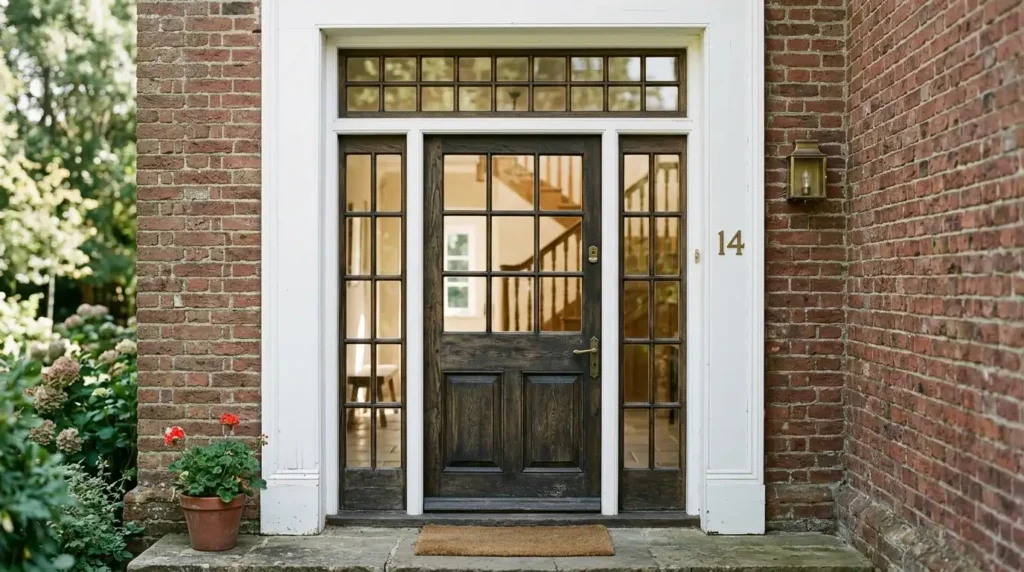
Sidelights (narrow glazed panels either side of the door) and a transom (a glazed panel above it) do two jobs at once: they make a modest doorway look grander, and they pull daylight into what’s often the darkest part of a hallway. Divided lites, where the glass is broken into smaller panes by wooden or metal bars, add a handcrafted, traditional character that a single sheet of glass can’t replicate.
The trade-off worth knowing about upfront is privacy and heat loss. More glass at the entrance means more visibility into your hallway after dark unless you add frosted or textured glazing, and older single-glazed sidelights can be a genuine cold spot in winter. If you’re adding glazing to an existing solid door, budget for double or triple glazed units rather than single panes, even though they cost more, because the difference in comfort and energy bills is significant over a few winters.
5. Use Contrast to Make the Door the Focal Point
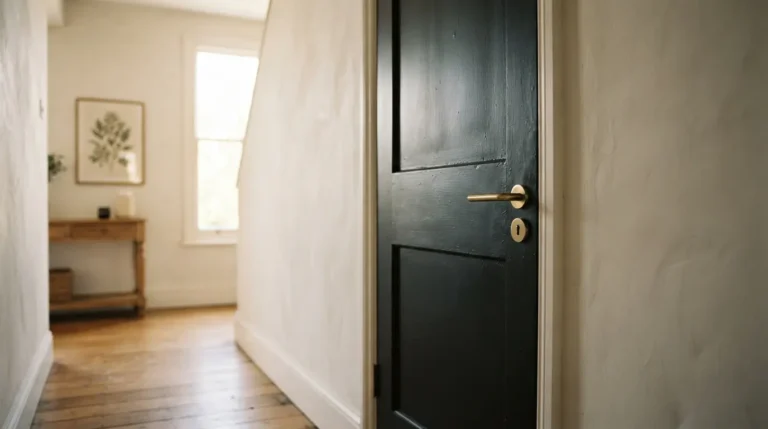
One of the most reliable techniques for a striking entrance is deliberate colour contrast between the door and everything around it: a near-black or deep charcoal door against pale render, or a bright, saturated colour against neutral grey brick. The point is to make the eye land on the door first, which is exactly what you want when it’s the feature you’ve invested time and money into.
This works particularly well paired with high-gloss paint rather than matt or satin finishes, since gloss catches light and reads as more polished from the street, though it does show scuffs and fingerprints more readily and needs more frequent cleaning around the handle area.
6. Invest in Proper Door Furniture
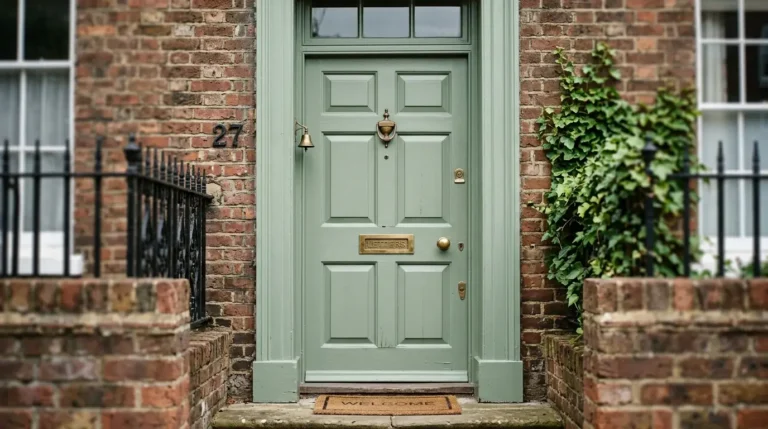
Hardware gets treated as an afterthought far too often, and it’s one of the cheapest ways to lift a front door’s whole look. A well-proportioned knocker, letterbox, and handle in a finish that suits your door’s colour and your home’s period (aged brass and bronze for traditional homes, matte black or brushed steel for contemporary ones) can transform a plain painted door without touching the door itself.
Get the scale right: oversized ironmongery looks intentional and sculptural on a large, substantial door, but the same hardware on a narrow standard door looks like it doesn’t belong. As a rough guide, expect to pay £40 to £200 for a quality knocker or handle set depending on material and brand, and £150 to £400 if you’re upgrading to a smart lock alongside traditional hardware.
7. Try an All-Glass or Minimalist Door
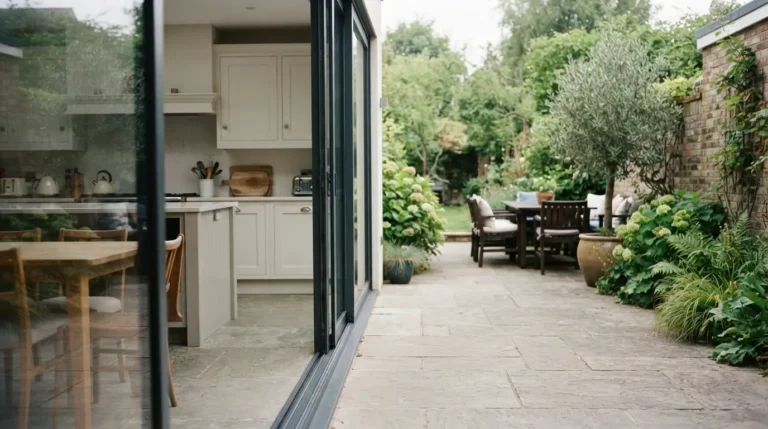
Not every striking entrance needs colour or ornament. On contemporary homes with expansive windows elsewhere on the facade, a simple glazed or minimalist door can actually make more of a statement by staying quiet, letting the architecture do the talking rather than competing with it. Frosted or fluted glass keeps the same clean look while solving the privacy problem that comes with full transparency.
The honest trade-off here is thermal performance and security. All-glass doors generally cost more to insulate to the same standard as a solid door, and while modern toughened and laminated glass is much stronger than older glazing, some homeowners still prefer at least a partially solid lower panel for peace of mind, particularly at ground level.
8. Go Wide With Double Doors
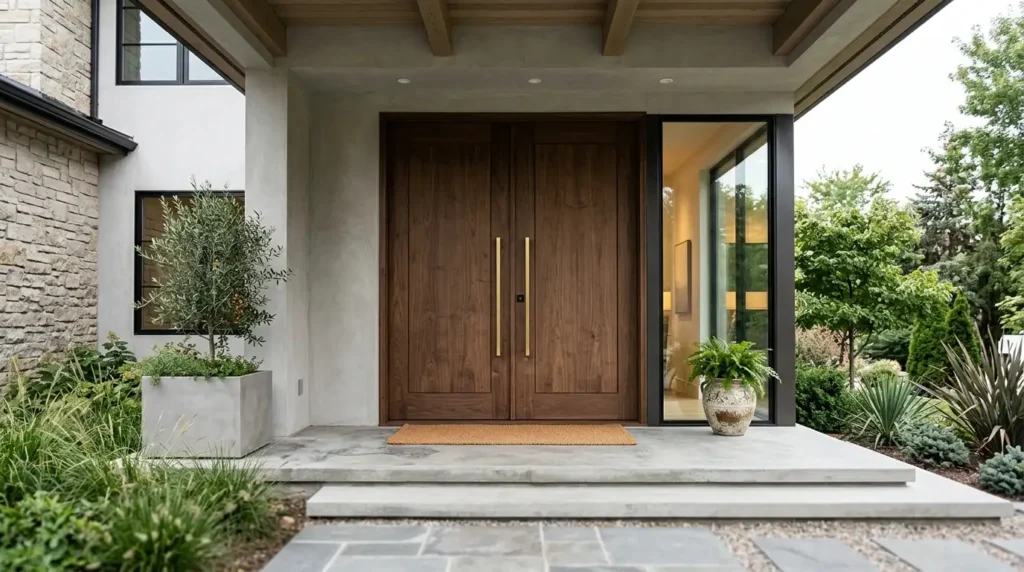
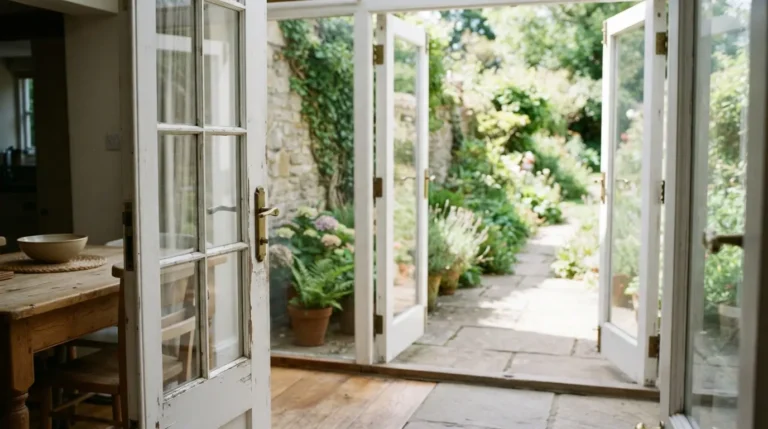
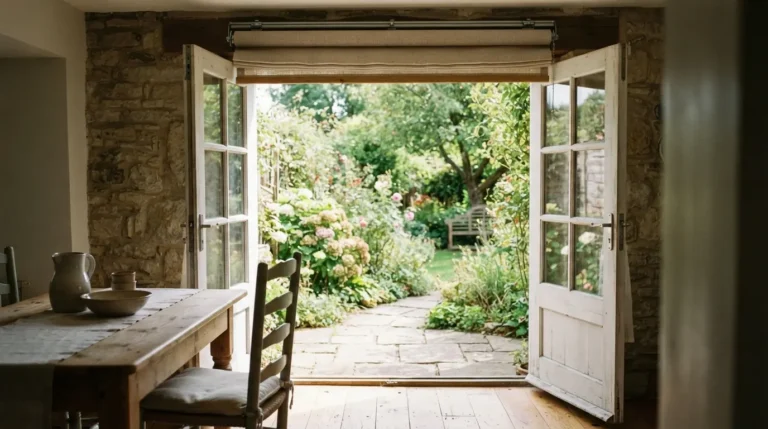
Double doors read as more generous and more formal than a single door of the same combined width, which is why they’re associated with larger, grander properties. If your porch or entrance has the space, converting to a double-door configuration, or fitting a single door with a matching dummy leaf that opens on special occasions, is one of the most effective ways to upgrade the sense of arrival.
Realistically, this is a bigger structural job than swapping a like-for-like door, since it usually means widening the opening. Get a structural opinion before committing, and budget both extra time (a widened opening typically adds several days to a straightforward door swap) and extra cost for the wider frame and any lintel work involved.
9. Add Considered Lighting
A front door that looks wonderful at 2pm and disappears at 7pm hasn’t been fully designed. Wall-mounted lanterns either side of the door suit period and cottage-style homes, while a single sculptural pendant or a recessed box light reads as more modern. Subtle up-lighting along the path or washed across the door itself adds drama after dark without the harshness of a single bright bulb directly overhead.
Keep the style of the fitting consistent with your door’s period and hardware finish; mismatched metals between your lantern, letterbox, and handle is one of the most common small styling mistakes I see on otherwise well-planned entrances.
10. Dress the Entrance With Symmetrical Planting
Matching pots either side of the door, planted with the same species and kept to the same height, instantly makes an entrance feel ordered and considered, even if the door itself is a simple, inexpensive design. Boxwood or other clipped evergreens hold their shape year-round with minimal fuss, while seasonal bulbs or bedding plants let you refresh the colour scheme a few times a year without any structural change to the entrance.
Climbers trained up a trellis beside the door, such as wisteria or a climbing rose, frame the entrance beautifully in season but do need genuine annual pruning to avoid overwhelming the doorway or blocking light from any sidelights.
11. Lay a Deliberate Path and Porch Floor
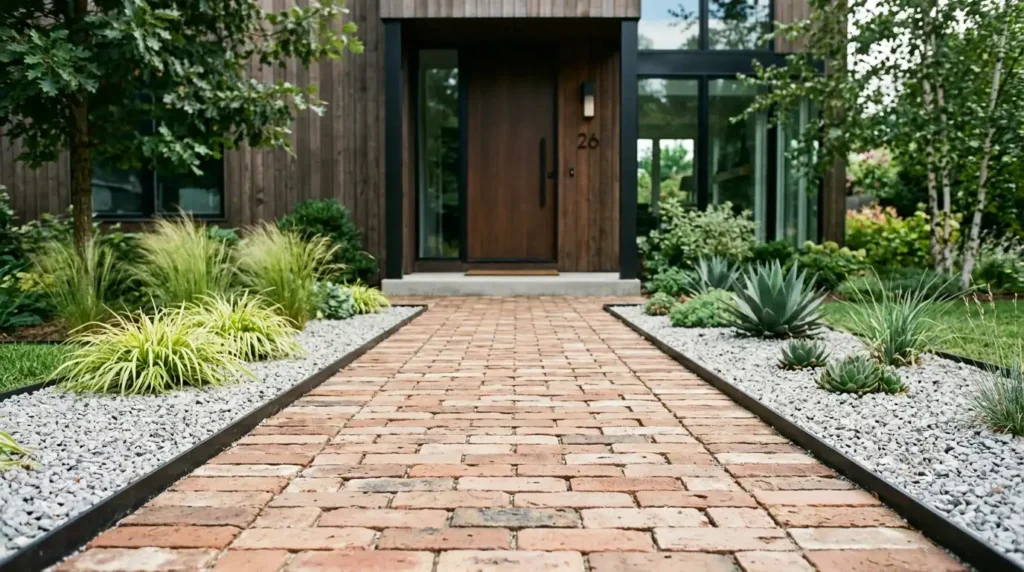
The route to your door matters as much as the door itself. A clean, well-laid path in stone, brick, or gravel edged with planting draws the eye toward the entrance and sets up the moment of arrival before a visitor even reaches the doorstep. Mismatched or cracked paving undercuts even the best-chosen door colour, because it’s the first thing anyone actually walks across.
This is a genuinely underrated fix. Relaying a short front path is often cheaper than replacing the door itself, and it has an outsized effect on how considered the whole entrance feels.
12. Use a Contrasting or Complementary Porch Roof
A tiled pitched roof with exposed timber brackets suits a cottage or period property, while a slatted timber canopy on slim aluminium supports suits a more contemporary build. Either way, a well-proportioned porch roof does double duty: it protects the door from weather, which genuinely extends the life of the paint finish and any wood, and it frames the entrance architecturally.
If your budget doesn’t stretch to a full porch structure, even a simple canopy over the door reduces how often you’ll need to repaint or reseal it, since UV exposure and direct rain are the two biggest factors in how fast an exterior door finish degrades.
13. Update the Doormat and Door Furniture Seasonally
Small, low-cost swaps such as a well-made doormat, a seasonal wreath, or a boot scraper by the step add warmth without any commitment. These details work because they’re the last thing a visitor sees before knocking, and they signal that the whole property is cared for, not just the door itself.
Choose materials with the weather in mind: coir or rubber doormats hold up to genuine foot traffic and rain far better than woven cotton designs, which look charming in photos but wear out within a season or two if they’re not under a covered porch.
14. Coordinate the Door With the Garage and Trim
If your garage door faces the street alongside your front door, painting both the same colour, or closely related tones, creates a coordinated look that reads as far more deliberate than two doors competing in different colours. The same logic applies to window frames and trim: matching or complementary colours across the whole facade make the front door feel like part of a considered scheme rather than an isolated feature.
This is one of the cheapest updates on this list in relative terms, since you’re usually just adding a second colour-matched paint job to a project you’re already doing.
15. Go Dark and Moody for a Sophisticated Look
Deep charcoal, near-black, or dark bronze doors have become one of the most consistently popular choices across both traditional and contemporary homes, because dark colours read as elegant and expensive against almost any facade colour, from white render to red brick to pale stone. Pairing a dark door with polished brass or warm bronze hardware adds a further layer of contrast that photographs particularly well.
The one honest caveat: very dark colours absorb more heat in direct sun, which can accelerate fading and, on some composite doors, cause slight warping over time. Check with your door manufacturer or installer about whether your specific door is rated for dark, heat-absorbent finishes before committing to black on a south-facing entrance.
Conclusion
The best front door ideas rarely come down to the door alone. Colour, material, glazing, hardware, lighting, and the planting and paving around the entrance all work together, and it’s that combination that turns a front door from a functional necessity into the strongest first impression your home makes. Start with the one or two changes that suit your budget and your home’s period, whether that’s a bold repaint, upgraded hardware, or better lighting, and build outward from there rather than trying to overhaul everything at once. Whatever front door style you land on, the entrance that looks most considered is always the one where every detail, from the knocker to the doormat, was chosen on purpose.
FAQs
What front door colour adds the most value to a home?
There’s no single colour proven to add resale value everywhere, since buyer taste varies by region and property style. What consistently helps is a colour that complements the facade and looks well maintained. Deep blues, greens, and near-black tones tend to photograph well for listings and suit a wide range of house styles, which is likely why they show up so often in front door inspiration roundups.
How do I choose a front door style that suits my house?
Start with your home’s period and existing architectural details rather than a trend. A period property generally suits panelled wood or composite doors with proportionate glazing, while a contemporary new build carries off minimalist glass, aluminium, or oversized pivot doors more naturally. If in doubt, look at neighbouring homes of a similar age and note what door style and proportions were likely original.
Is composite or wood better for a front door?
Wood offers more flexibility for custom shapes, panelling, and colour changes over time, but needs more frequent maintenance and can warp with damp exposure. Composite doors are more dimensionally stable, hold their finish longer, and need very little upkeep, which is why they’ve become the more popular practical choice for most homeowners, even though the initial look can be slightly less characterful than genuine timber.
Can I paint a uPVC or composite front door myself?
You can, using specialist paint formulated for uPVC or composite surfaces, but standard exterior wood paint will not adhere properly and tends to peel within months. Surface preparation matters more than the paint itself here: a thorough clean and light sanding or use of an appropriate primer makes the biggest difference to how long the finish lasts.
How much does it typically cost to replace a front door?
Costs vary enormously by material, size, and country, but as a rough approximate range, a standard supplied-and-fitted door runs from around £500 for a basic composite door to £2,500 or more for a bespoke solid wood or glazed design, with installation typically taking half a day to a full day for a straightforward like-for-like swap. Structural changes, such as widening an opening for double doors, add both time and cost on top of that.
Do front doors need to match the window frames?
Not exactly, but they should relate to each other. A common and reliable approach is choosing a door colour that either matches the window frame colour for a cohesive look, or deliberately contrasts with it as a considered accent, rather than picking two colours at random that simply happen to be different.