

12 Bathroom Floor Tile Ideas That Are Practical and Stylish

Bathroom floors need to handle water, cleaning products and bare feet. Porcelain tiles and good-quality LVT both work. Ceramic is cheaper but absorbs more water if the glaze chips.
These twelve ideas focus on materials and layouts that stay practical in a UK bathroom without looking clinical.
Porcelain for wet areas
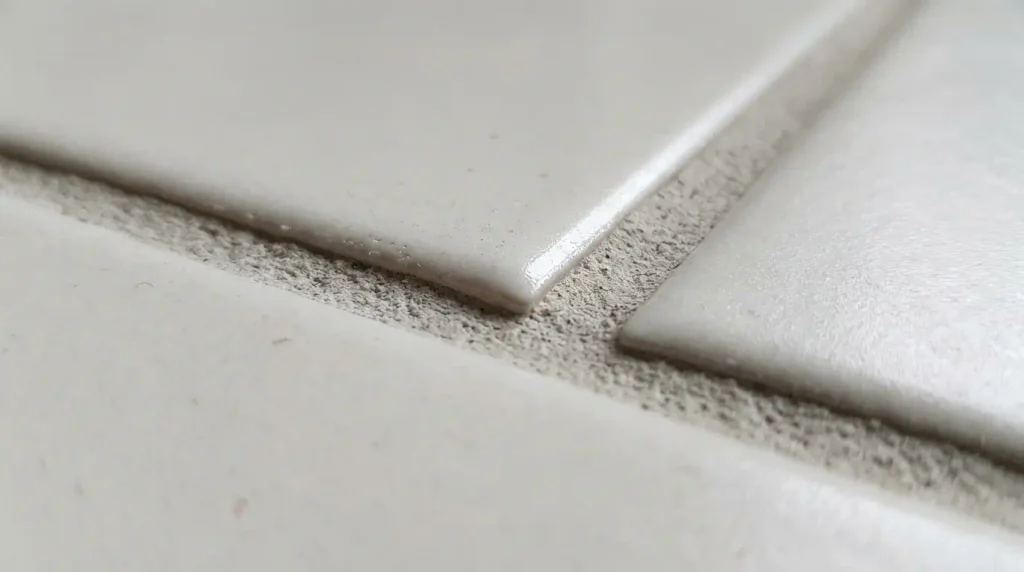
Porcelain has lower water absorption than ceramic and is harder. It suits floors that get regular splash from the shower. Larger formats reduce grout lines, which makes cleaning easier.
LVT for warmth underfoot

Luxury vinyl tile is warmer and quieter than porcelain. Look for a rigid SPC core and a good wear layer. It works well if you want a wood or stone look without the maintenance of real wood.
Herringbone and chevron layouts
Herringbone adds pattern without a busy print. It works in both small and larger bathrooms. Use rectified tiles so the joints stay tight.
Large-format tiles to open the space
Tiles of 600 mm or larger make a small bathroom feel less broken up. Fewer grout lines also mean less cleaning. Check the floor is level before you order; large tiles show unevenness.
Slip-resistant finishes near the shower
Choose a tile with an R10 or higher rating in the wet zone. Smooth glazed tiles can be slippery when wet. Many porcelain ranges offer a textured option in the same colour.
Conclusion
Pick porcelain if water resistance and hardness matter most. Choose LVT if you want warmth and a softer feel. Check the slip rating for the area next to the shower and confirm the floor is flat before the tiler starts.
FAQs
Is porcelain better than ceramic for a bathroom floor?
Porcelain absorbs less water and is harder, so it handles splash and cleaning better. Ceramic is cheaper and easier to cut for DIY.
Can I use LVT in a bathroom?
Yes, if it has a waterproof core and a good wear layer. It is warmer underfoot than tile and works with underfloor heating in most cases.
One Comment