10 Window Frame Ideas to Update the Look of Your Home

The fastest way to change how your home looks from the street is to update your window frames, and you don’t need a full window replacement to do it. A new frame colour, finish, or profile can transform a tired façade in a weekend or, at most, a few weeks if you’re reglazing entirely. Here are 10 window frame ideas worth trying, from a straightforward paint swap to a full style change, along with the real cost and maintenance trade-offs of each.
Most homeowners get stuck comparing window styles (casement versus sliding, bay versus picture) without ever considering that the frame itself, its colour, material, and profile, does most of the visual heavy lifting. Get the frame right and even a modest window opening looks intentional. Get it wrong and even an expensive window looks like an afterthought.
1. Go Bold With Black Frames
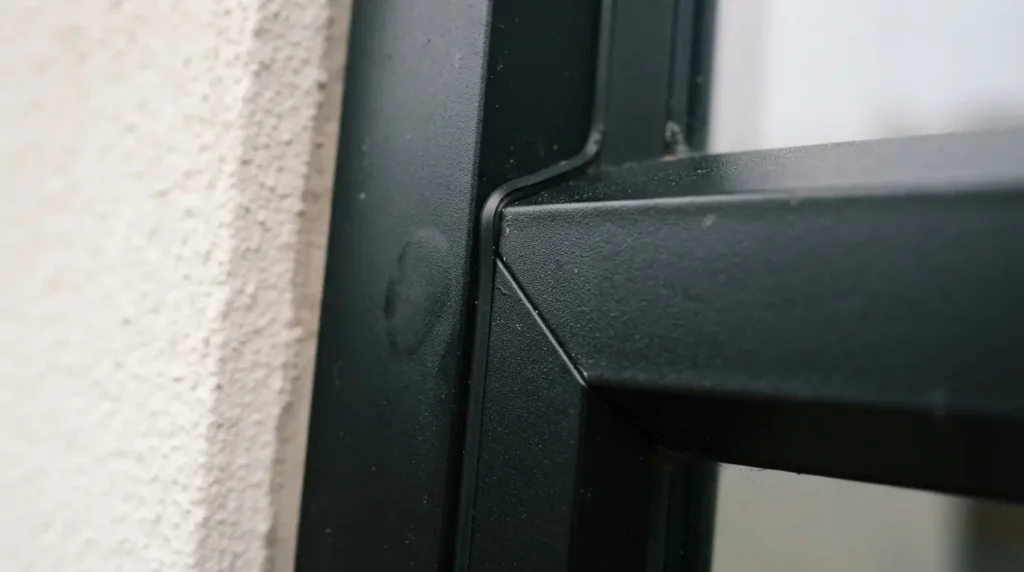
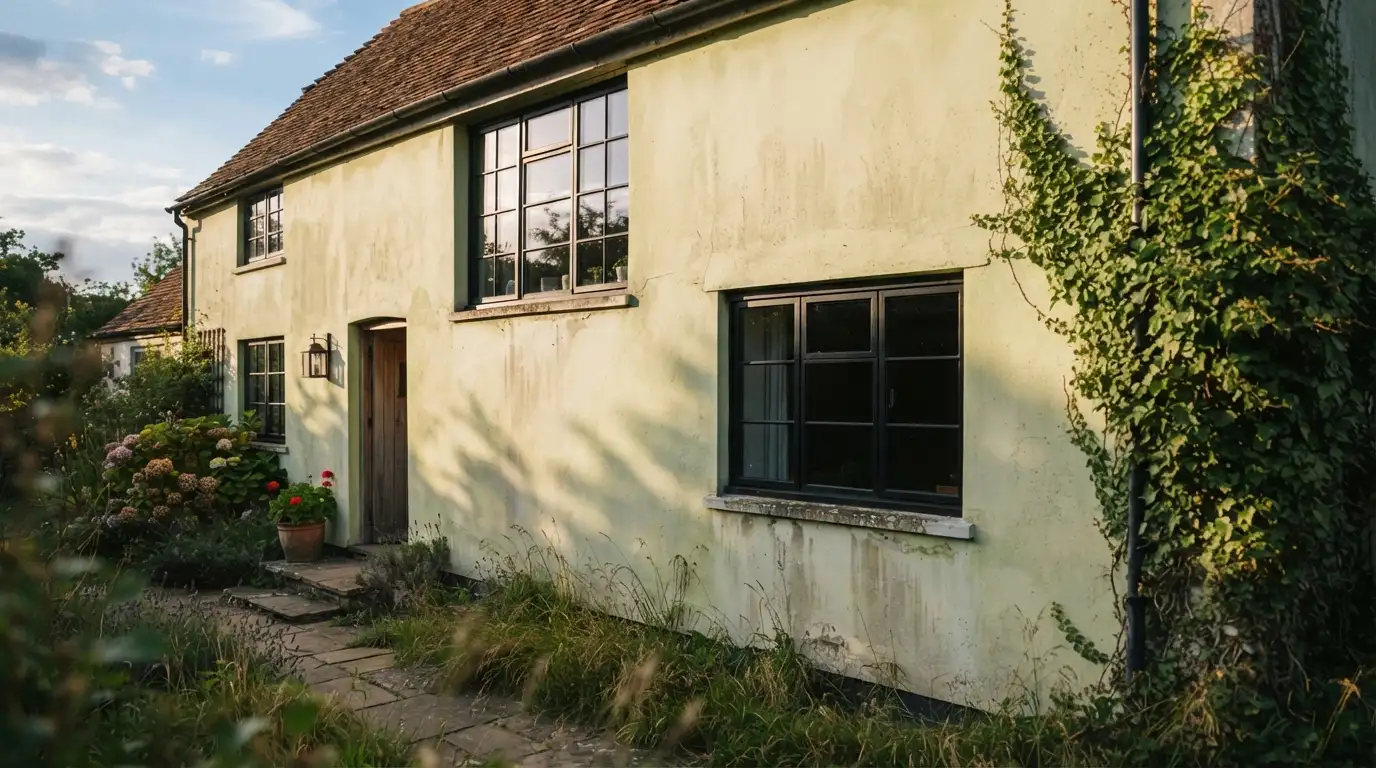
Black or near-black frames have become one of the most requested window updates in both modern builds and older homes getting a refresh. The appeal is the contrast: black frames read as crisp and architectural against light render, brick, or timber cladding, and they make the glass itself look larger because the eye focuses less on the frame.
The trade-off worth knowing before you commit: dark colours, especially on uPVC and some painted timber finishes, absorb more heat and can show fading unevenly over time, particularly on south or west-facing elevations that get the most sun. Ask your supplier specifically about UV-stable colour-through uPVC or a factory powder-coated aluminium finish rather than a surface-sprayed one, since these hold their colour far better over a ten-to-fifteen-year span. Black frames also show dust, pollen, and water spotting more visibly than white or grey, so budget a little more cleaning time if you go this route.
2. Warm It Up With a Woodgrain Foil Finish
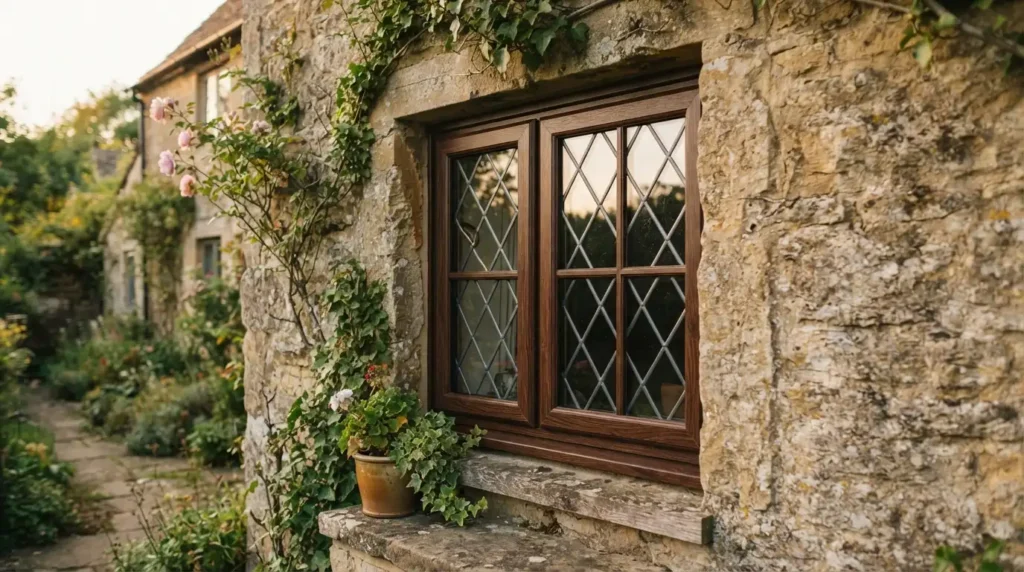
If you love the look of timber but not the maintenance, a woodgrain foil finish on uPVC is worth a serious look. Manufacturers now laminate a realistic wood-textured foil onto uPVC profiles, giving you the grain, colour depth, and warmth of oak, walnut, or mahogany without the repainting cycle.
It’s a genuinely good compromise for period-style homes where timber is the “correct” look but the budget or maintenance appetite doesn’t stretch to real wood. The foil is durable and colour-stable, though it’s worth knowing that a scratch or deep scuff on a foiled frame is harder to touch up invisibly than on a solid painted timber frame, where a sand and repaint can fully disguise damage. For homes in genuinely protected or listed areas, check local planning guidance first, since some conservation rules specify real timber rather than a foil finish.
3. Choose Slim Sightline Aluminium for a Contemporary Look
If your goal is a minimalist, more glass, less frame look, aluminium is the material built for it. Aluminium’s structural strength lets manufacturers produce genuinely slim frame profiles, sometimes with sightlines as narrow as 65mm, which is difficult to achieve in uPVC without compromising strength.
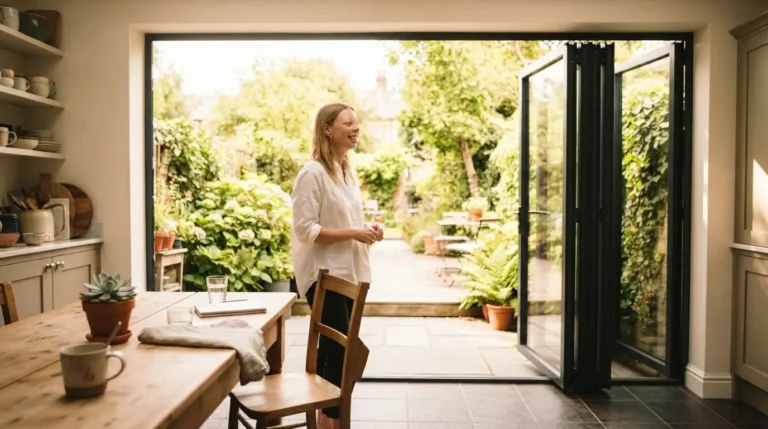
This idea works particularly well for large picture windows, bifold or sliding doors, and any opening where you want the view uninterrupted. Aluminium is also dimensionally stable, meaning it won’t expand, contract, or warp with temperature swings the way timber can, and it comes pre-finished in a wide range of RAL colours. The one thing to check carefully: make sure any aluminium system you’re quoted includes a thermal break in the frame. Without one, aluminium conducts heat and cold directly through the frame, which noticeably undermines the energy performance of an otherwise beautiful window.
4. Try a Statement Colour Beyond White
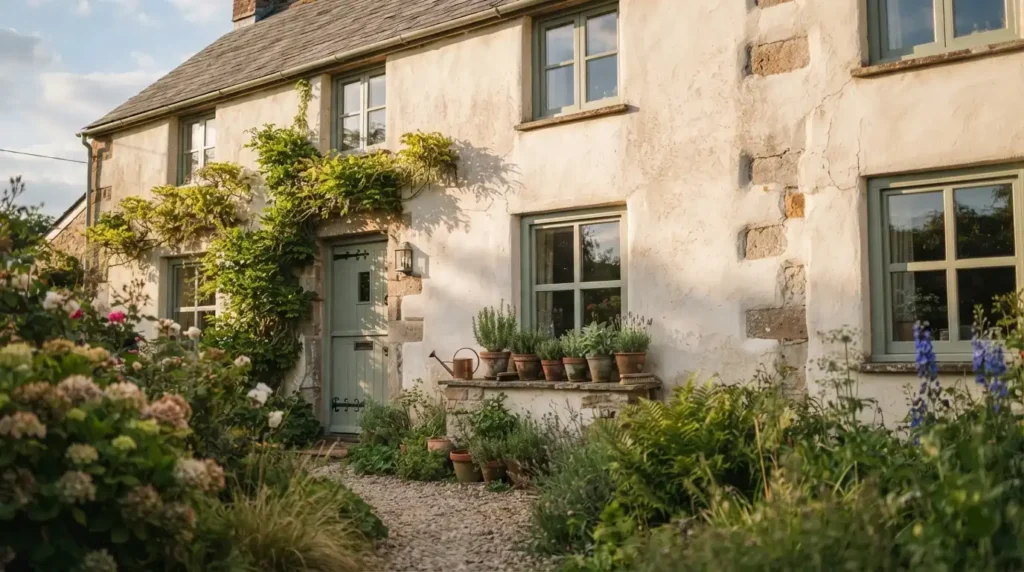
White frames are the safe default, but a growing number of homeowners are choosing a statement colour instead, sage green, navy blue, deep bottle green, or a warm terracotta, to give a home real personality. This is one of the lowest-risk, highest-impact updates on this list, because colour changes the entire character of a façade without touching the window’s function.
The practical detail most guides skip: your frame colour choice should work with your exterior material, not fight it. A cool grey wall generally pairs well with navy or charcoal frames, while warm brick or render often suits sage green, olive, or a soft terracotta better than a stark black. If you’re painting existing timber frames rather than ordering new coloured uPVC or aluminium, use an exterior-grade paint formulated for joinery and expect to repaint every four to seven years depending on your climate and sun exposure.
| Frame colour approach | Typical cost position | Maintenance reality | Best suited to |
| Factory colour-through uPVC | Mid-range | Very low, no repainting needed | Most homes wanting a permanent colour change |
| Powder-coated aluminium | Higher | Very low, excellent colour retention | Contemporary homes, large glazing |
| Painted timber | Varies, often lowest upfront | High, repaint every 4-7 years | Period homes, those wanting flexibility to change colour later |
| Foil-laminated uPVC | Mid-range | Low, but harder to touch up scratches | Homes wanting a timber look without upkeep |
5. Add Glazing Bars or SDL Grilles for Character
If your window openings feel a little flat or featureless, simulated divided lite (SDL) grilles or classic glazing bars add texture and architectural interest without changing the window’s function. These are decorative bars, either bonded to the glass surface or set within the double-glazed unit, that visually divide a single pane into smaller sections.
They’re particularly effective for cottage, colonial, or traditional-style homes where an undivided single pane can look historically out of place, but modern SDL grilles are also being used in contemporary black-framed windows for a graphic, almost industrial effect. Customisable grille widths mean you can go subtle (a fine 18mm bar) or bold (a chunkier 25mm-plus bar that makes a real visual statement). The one consideration: grilles add a small premium to the window cost and, if fitted between the panes rather than surface-applied, slightly reduce cleaning access to that specific area, though most modern designs are sealed and low-maintenance.
6. Swap to Arched or Shaped Frames
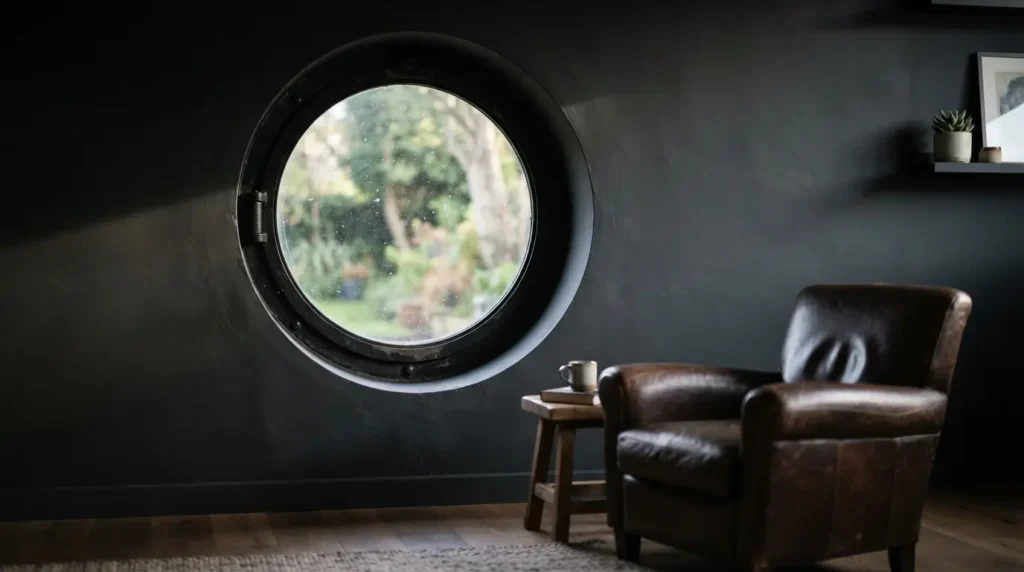
A rectangular window opening isn’t a rule you have to follow. Arched windows, whether a full round-top arch or a softer segmental curve, add a graceful, traditional detail that works especially well above front doors, in stairwells, or as a feature window in a living room or hallway. Circular or porthole-style windows do something similar for more contemporary or industrial-style homes, adding a sculptural focal point that a standard rectangle simply can’t.
Shaped frames cost more than standard rectangular ones, largely because they’re often custom-made rather than off-the-shelf, and replacement glass or repairs down the line will also cost more and take longer to source. They’re worth it as a single feature window rather than throughout a whole house, since one well-placed arched or circular window reads as intentional design, while several can start to feel busy.
7. Frame a View With a Picture or Corner Window
If a room has a genuinely good view, whether that’s a garden, a treeline, or open countryside, a fixed picture window with a minimal frame lets that view take centre stage. Because picture windows don’t open, manufacturers can shrink the frame profile down further than an operable window allows, meaning more glass and less visible structure.
Corner windows push this even further, wrapping glass around the external corner of a room to create a genuinely panoramic effect that a single flat window can’t match. Both ideas work best paired with at least one operable window nearby, since neither provides ventilation on its own. The honest trade-off with corner windows specifically: they usually require more significant structural work than a standard opening, since the corner itself needs support that a normal wall doesn’t, so this is a bigger and more expensive project than most items on this list, best planned alongside an architect or structural engineer rather than added as a simple swap.
8. Create a Window Seat With a Bay or Bow Frame
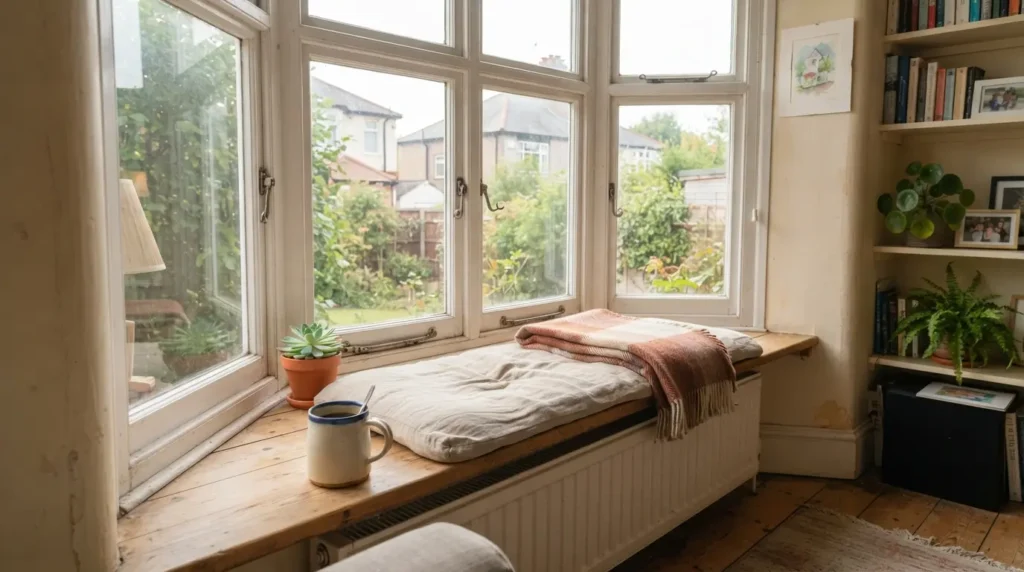
Bay and bow window frames project outward from the external wall, and beyond the extra light and the panoramic view, they create genuine extra floor space inside, often just enough for a window seat, a reading nook, or additional display space. Bay windows use flat angled panels (typically three), while bow windows use a smoother curve made from four or more panels, giving a softer, more elegant silhouette.
This is one of the more expensive updates on this list because it’s structural, not just cosmetic. You’re not simply swapping a frame, you’re extending the opening outward, which usually needs new support beneath the projection and careful flashing and weatherproofing where the bay meets the roofline or wall. Expect the cost and installation time to run well above a standard window replacement, and budget extra time for planning permission checks if you’re in a conservation area or attached property, since a projecting bay changes your home’s external footprint in a way a flat window doesn’t.
9. Mix Frame Finishes Inside and Outside
Composite window frames, where the exterior is a low-maintenance material like aluminium or uPVC and the interior is real timber, let you have a durable, weatherproof outside and a warm, natural-feeling inside without compromising on either. This is a particularly good option if your exterior faces harsh weather but you want the interior sightlines to feel warmer and more tactile, especially in living rooms or bedrooms where you touch and see the frame up close every day.
It’s a premium option, generally priced above single-material uPVC or aluminium, but for homeowners who want the low-upkeep benefit of a modern exterior material without giving up the character of timber indoors, it’s often worth the difference. Just confirm with your supplier whether the interior timber needs any periodic refinishing, since some composite systems use a factory-sealed finish that lasts many years, while others still need occasional maintenance like any timber surface.
10. Upgrade the Hardware and Trim, Not Just the Frame
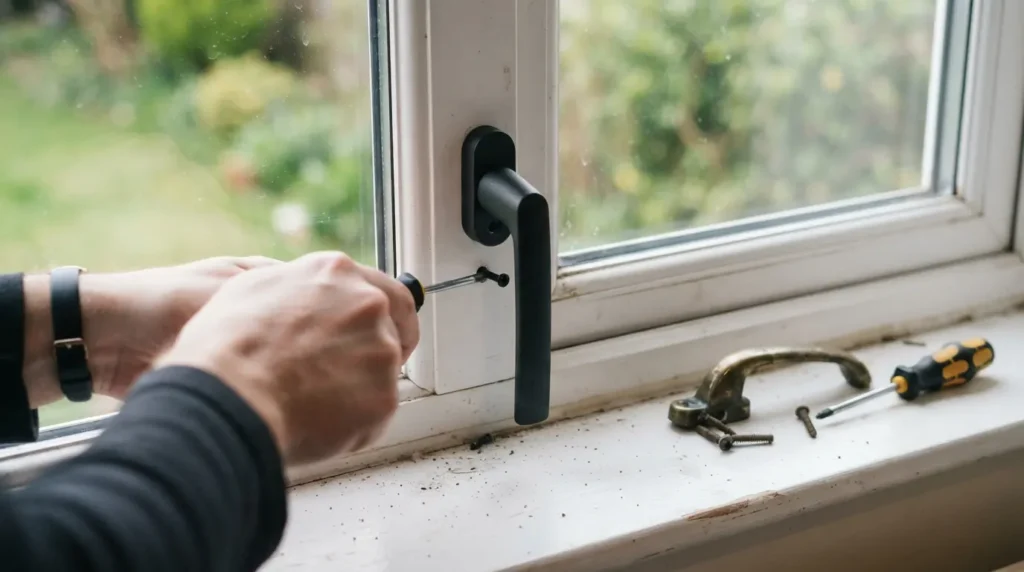
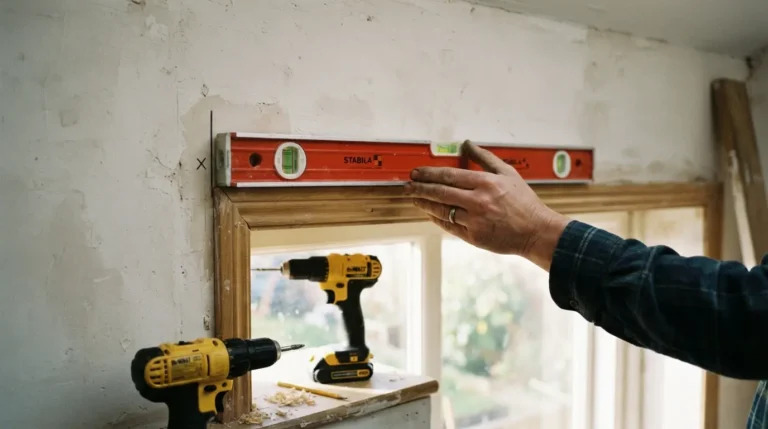
Sometimes the frame itself doesn’t need replacing at all, the hardware and surrounding trim do. Handles, hinges, and locking mechanisms in a dated brass or worn chrome finish can make an otherwise decent window look tired, while a simple swap to a matte black, brushed nickel, or antique bronze handle can modernise the whole opening for a fraction of the cost of a new window.
The same goes for the trim and casing around the window, both inside and out. A wider, more architectural casing profile, a fresh coat of paint on existing exterior trim, or simply replacing a cracked or weathered exterior sill can lift the whole window without touching the glass or frame at all. This is the lowest-cost, lowest-disruption idea on this list and a sensible starting point if you’re not ready to commit to a full frame replacement but want a visible difference this weekend.
FAQs
Which window frame material lasts the longest?
Fiberglass and aluminium frames generally offer the longest lifespan with the least maintenance, often performing well for several decades. uPVC is close behind and considerably cheaper, while timber can last just as long but only with consistent repainting and sealing.
Can I just change my window frame colour without replacing the whole window?
Yes, if your frames are timber, painting is straightforward with exterior-grade joinery paint. uPVC frames can sometimes be professionally spray-coated in a new colour rather than fully replaced, which is considerably cheaper than a full swap, though not every uPVC profile is suitable for this, so check with a specialist first.
Is uPVC or aluminium better for a modern window frame look?
Aluminium generally achieves the slimmest, most minimal sightlines and is the go-to for a strongly contemporary look, especially on large glazed openings. uPVC is more affordable and now available in colours and woodgrain finishes that get close to the same aesthetic at a lower price point.
Do black window frames fade or discolour over time?
Lower-quality or surface-coated black finishes can fade unevenly, particularly on sun-facing elevations. Factory colour-through uPVC or genuinely powder-coated aluminium holds colour far better over time than a cheaply sprayed finish, so it’s worth asking your supplier directly about the coating method before choosing black.
What’s the most budget-friendly window frame update?
Updating hardware, handles, hinges, and locks, along with a fresh coat of paint on existing trim, is the cheapest way to visibly refresh a window without replacing the frame at all. A full colour change on uPVC, either through factory-tinted panels or professional spray coating, is the next step up in both cost and impact.
Conclusion
Updating your window frames doesn’t have to mean a full-house reglaze. Whether it’s a bold black finish, a slim aluminium profile, or simply new hardware and trim, these window frame ideas each offer a different balance of cost, impact, and commitment. Start with what your home’s architecture and your budget actually call for, a statement colour and better hardware go a long way on their own, and save the structural updates like bay windows or corner glazing for when you’re ready for a bigger project. Small frame changes add up to a home that looks genuinely cared for, inside and out.