Double Glazing vs Triple Glazing: What Is the Difference and Is It Worth It?

Double glazing uses two panes of glass with a single air gap between them, while triple glazing adds a third pane and a second air gap, effectively working as a double dose of insulation. The difference sounds simple, but whether triple glazing is actually worth the extra cost depends on details most buying guides skip entirely, your specific climate, your window’s orientation, and a frame depth issue that can catch homeowners out mid-renovation.
What’s Actually Different Between the Two
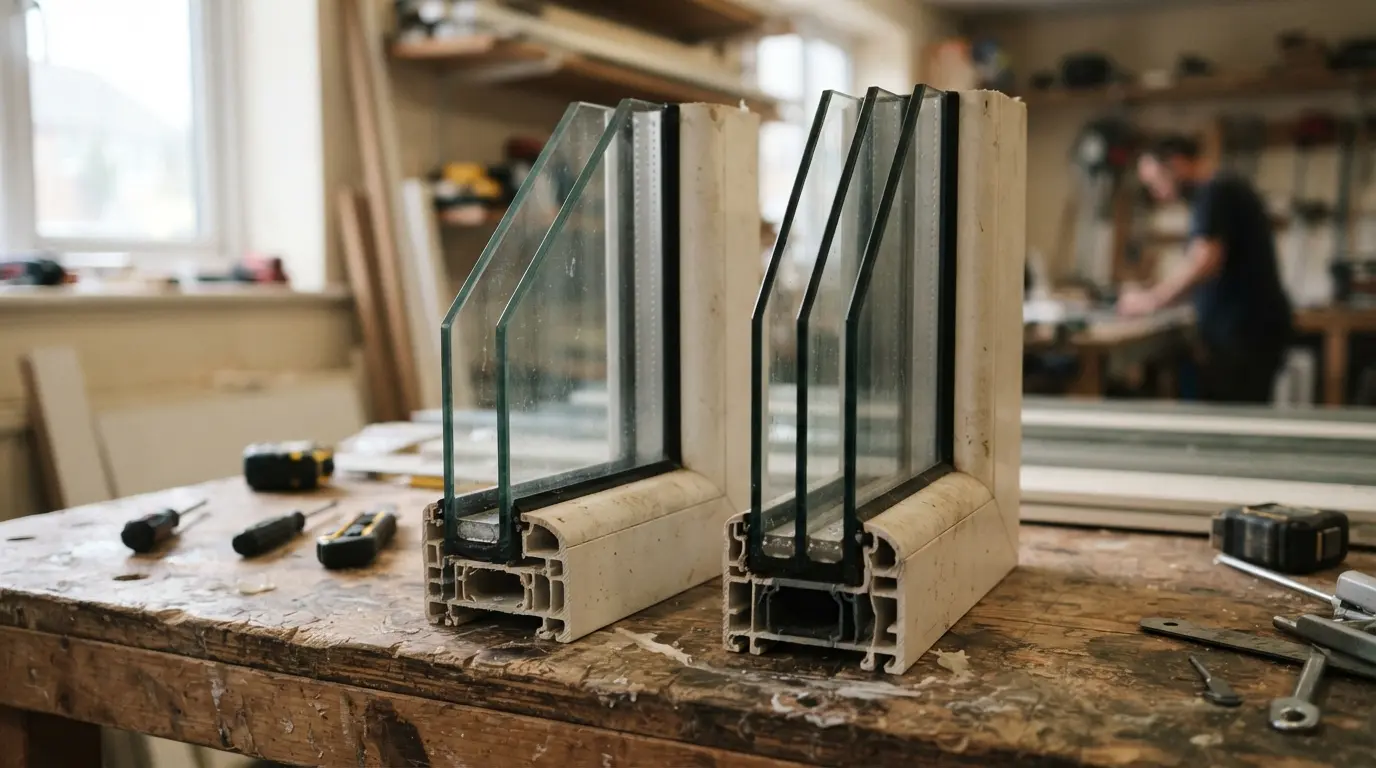
A double glazed unit is two panes of glass sealed together with a gap of air or gas between them, which reduces how easily heat transfers through the window. A triple glazed unit takes the same principle and adds a third pane, creating a second insulating gap, effectively a more thoroughly insulated version of the same basic technology rather than a completely different product. Both types can use the same specialist glass, laminated layers for security, low-emissivity coatings for heat retention, obscure glass for privacy, so the core difference genuinely comes down to how many panes and gaps you’re working with, not the glass quality itself.
The Real Insulation Difference
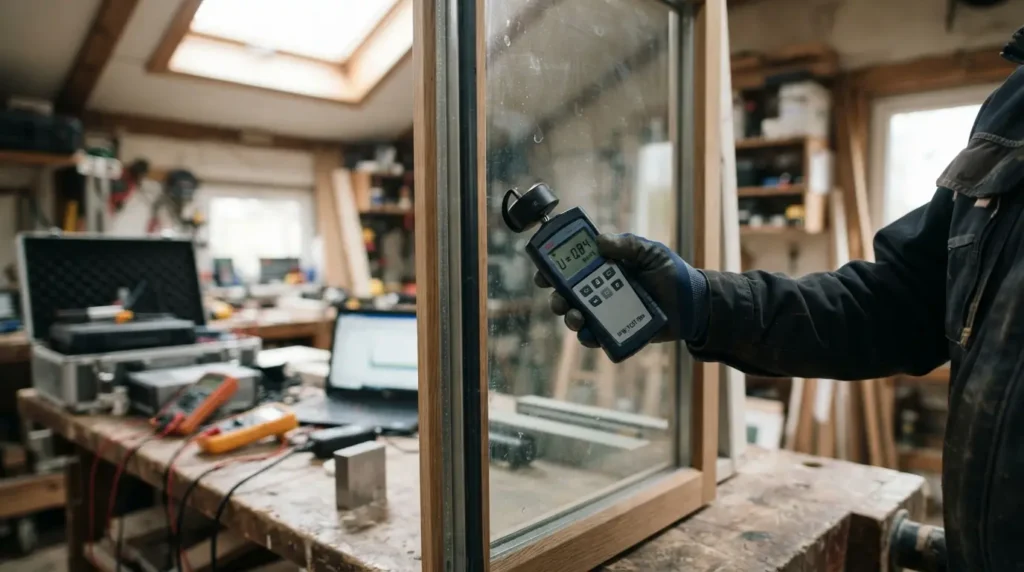
This is where triple glazing genuinely earns its reputation. Double glazing typically achieves a U-value, the measure of how much heat passes through a window, of around 1.3 at its best, while triple glazing can reach around 1.0, a meaningfully lower figure, since a lower U-value means better insulation. When both are made from comparable materials and quality, triple glazing is generally reckoned to be just over 50% more energy efficient than double glazing, a genuinely significant difference if heat loss through windows is a real concern in your home.
Does Triple Glazing Actually Reduce Noise Better?
This is worth knowing before you assume more panes automatically means a quieter room. Counter-intuitively, a standard triple glazed unit’s middle pane can actually increase sound vibration and amplify how much noise transfers through the window, rather than blocking it more effectively than double glazing does. Genuine noise reduction depends on disrupting the sound waves passing through the glass, which is achieved with a specialist laminated layer rather than simply adding another pane of ordinary glass. If noise is your primary concern, a double glazed unit built specifically with noise-reducing laminated glass often outperforms a standard triple glazed unit that wasn’t designed with sound in mind.
The Frame Depth Problem Most Guides Don’t Mention
This is a genuinely practical detail that catches people out. A standard double glazed unit typically sits around 28mm deep, while a standard triple glazed unit needs around 36mm, several millimetres more. That extra depth means triple glazing can’t always simply be dropped into an existing frame, in many cases it needs a full window frame replacement rather than just swapping the glass, which changes the scope and cost of the project considerably. Confirm this with whoever is installing your windows before assuming triple glazing is a straightforward like-for-like upgrade to what you already have.
Quality Matters More Than Pane Count
This is the honest caveat every straightforward “triple beats double” comparison tends to skip. The actual performance of either type depends heavily on the spacing between panes, the specific gas or coating used as insulation, and the overall quality of materials and manufacturing, not simply how many panes of glass are present. This means a genuinely well-made double glazed unit can outperform a poorly made triple glazed one, so it’s worth judging any specific product on its actual U-value and build quality rather than assuming triple automatically wins purely because it has an extra pane.
When Triple Glazing Is Genuinely Worth It
Triple glazing makes the most practical sense on north-facing windows and in consistently cold rooms, where its superior heat retention does real, ongoing work reducing heat loss. It’s also worth prioritising for a property in a genuinely exposed location, coastal, high-altitude, or anywhere that takes the brunt of extreme weather, where the additional insulation and typically improved security from the extra pane earn their keep more convincingly than in a sheltered, standard setting.
When Double Glazing Is the More Sensible Choice
For windows that don’t face north and aren’t in an especially exposed location, double glazing remains a genuinely sensible, cost-effective choice, delivering solid energy efficiency without the frame depth complications or extra cost triple glazing can bring. If noise reduction is specifically your priority rather than heat retention, a double glazed unit built with specialist noise-reducing laminated glass is generally the better-targeted solution, since it’s designed to address that specific problem rather than relying on an extra pane that may not help as much as expected.
Is Triple Glazing Becoming the New Standard?
As building regulations and future homes standards place more emphasis on energy efficiency and U-values, triple glazing is expected to become the standard specification for new-build homes over the coming years rather than remaining a premium upgrade. This is worth knowing if you’re planning long-term, since the direction of travel favours triple glazing’s efficiency even in regions where it hasn’t traditionally been the default choice.
Final Thoughts
Whether double or triple glazing is worth it really comes down to your specific window’s orientation, your climate, and what you’re actually trying to solve, heat loss, noise, or security, rather than assuming more panes is automatically better in every situation. Check the real U-value and build quality of any specific product you’re considering, confirm the frame depth works with your existing setup, and choose based on your genuine priorities rather than pane count alone.
FAQs
Is triple glazing worth the extra cost?
It depends on your specific windows and climate. Triple glazing’s better insulation genuinely pays off on north-facing windows, in cold rooms, or in exposed locations, but for a standard-facing window in a moderate climate, double glazing often delivers comparable practical value at a lower cost.
Does triple glazing reduce noise better than double glazing?
Not automatically, a standard triple glazed unit’s middle pane can actually amplify sound transmission rather than reducing it. Genuine noise reduction depends on a specialist laminated glass layer, which can be built into either double or triple glazing.
Can I retrofit triple glazing into existing window frames?
Often not directly, since triple glazed units are typically several millimetres deeper than standard double glazed ones. This usually means a full frame replacement rather than simply swapping the glass, so confirm this with your installer before assuming it’s a straightforward upgrade.
What’s a good U-value for windows?
Lower is better, since U-value measures heat loss. Double glazing typically achieves a lowest U-value around 1.3, while triple glazing can reach around 1.0, though actual performance varies by the specific product’s quality and construction.
Is triple glazing becoming mandatory for new homes?
Not mandatory everywhere yet, but tightening energy efficiency regulations and future homes standards are expected to push triple glazing toward becoming the standard specification for new-build properties over the coming years.