What Are the Most Popular Front Door Colours in the UK Right Now?

Green, in both sage and yellow-toned shades, along with confident teal and historic, oxblood-leaning reds, are dominating UK front door choices right now, according to leading UK and international paint brand experts. These colours have real staying power because they work across a genuinely wide range of property styles rather than being tied to one specific architectural look, which is exactly why they’ve become the go-to choices this year rather than a single trend confined to one type of home.
Green Remains the Standout Colour Trend
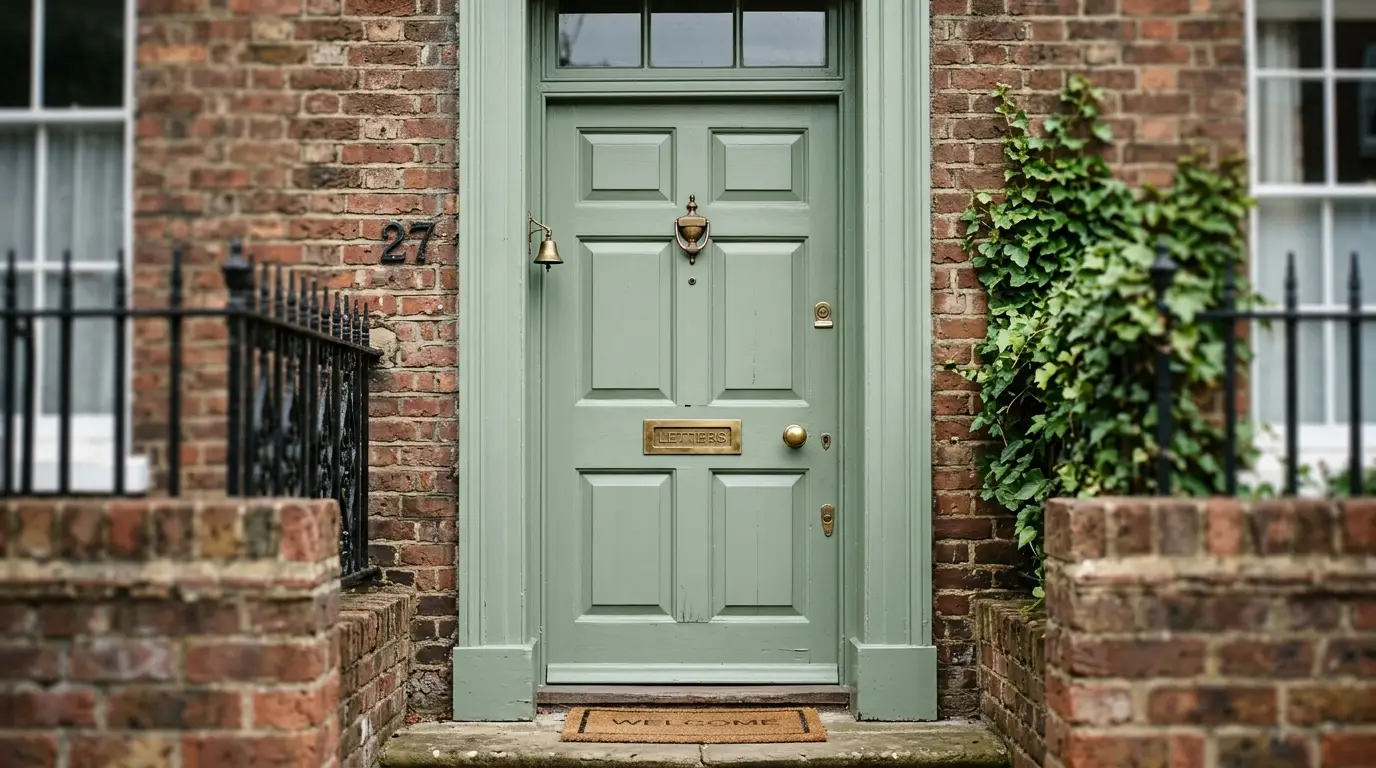
Green has held genuine momentum for more than a year now, and it shows in the range of shades currently popular for front doors. A softer, sage-leaning green lifts kerb appeal without overwhelming a façade, and its muted quality means it’s unlikely to feel dated in just a few years the way a more niche or fashion-led colour sometimes does. A yellow-toned green offers a different character within the same broader colour family, reading as warm and grounded across every season rather than shifting mood dramatically between summer and winter light. Both versions share the same underlying appeal: green sits comfortably against brick, render, and stone alike, which is a genuine reason for its sustained popularity rather than a passing coincidence.
Teal for a Confident, Versatile Statement
Teal has emerged as a genuinely confident, stylish choice that UK paint experts point to specifically because of how well it adapts across different property types, working as convincingly on a classic period townhouse as it does on a contemporary new-build. This versatility matters more than it might seem, since a colour that only suits one specific architectural style limits its own popularity, while a shade that reads as considered against both traditional and modern facades earns broader, more lasting appeal.
Historic and Oxblood Reds Making a Comeback
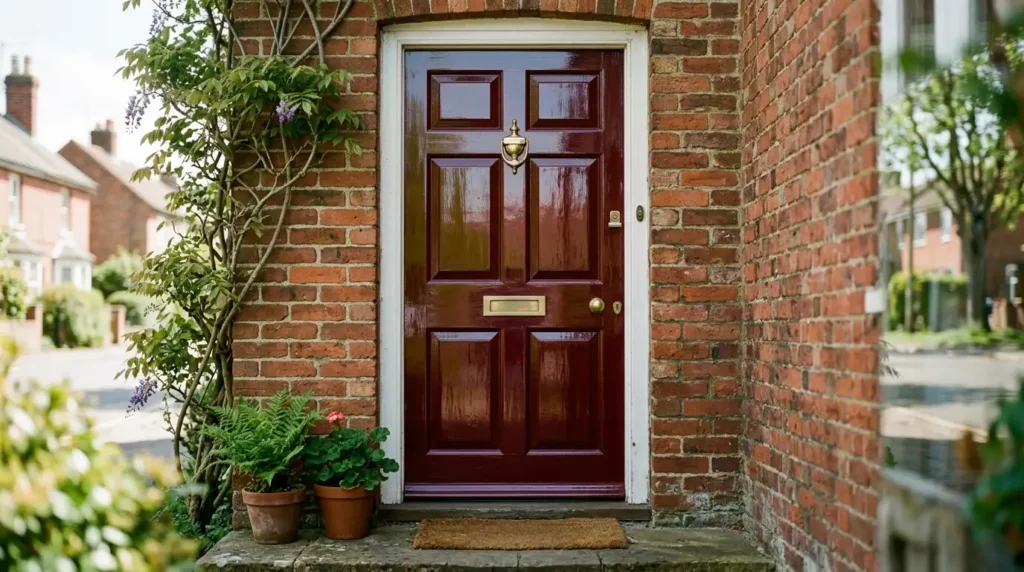
Deep, historic reds are having a genuine moment, particularly shades with real heritage credentials tracing back to early twentieth-century colour references, prized specifically for holding their vibrancy whether the day is bright and sunny or grey and overcast. Oxblood-leaning reds are being used to particularly striking effect against red-brick façades, with UK experts specifically recommending a full gloss finish for this pairing, since the richer sheen intensifies the colour’s depth against the brick’s own warm tones rather than competing with it.
Why These Colours Work Across Different Property Types
What ties these current front-runners together is genuine adaptability rather than a single unifying aesthetic. Strong, confident shades generally suit an urban setting well, where a bold front door can stand out deliberately against neighbouring properties and the busier visual context of a street. In a more rural or countryside setting, a colour that complements or echoes the surrounding environment, rather than deliberately standing apart from it, tends to sit more comfortably, so it’s worth considering your property’s actual context rather than choosing purely based on which colour is currently most talked about.
The Detail Most People Get Wrong: The Door Frame

This is a genuinely underrated detail UK paint experts specifically call out, and it’s worth getting right regardless of which colour you choose. Many front doors have a thin wooden frame that’s simply left white by default, but painting the frame the same colour as the door itself genuinely creates a stronger sense of scale and proportion, making the whole entrance read as more considered and substantial. Alternatively, a contrasting frame in a paler colour creates a different but equally valid effect, giving the entrance a more architectural, defined look and the illusion of a grander opening than the door’s actual dimensions might otherwise suggest. Either approach beats leaving the frame as an afterthought, which is exactly what happens by default if you don’t make a deliberate choice here.
Choosing the Right Finish for a Front Door
Finish matters as much as the colour itself when it comes to how the door actually performs and looks over time. Semi-gloss remains a reliable, durable choice that’s genuinely easy to keep clean, standing up well to the daily contact and weather exposure a front door faces. Satin gives a softer, more matte appearance if you’d prefer the colour itself to read as the main statement rather than the sheen. Full-gloss finishes are genuinely on trend right now and offer real durability, but it’s worth knowing honestly that a high-gloss surface shows every imperfection in the underlying surface considerably more readily than a satin or semi-gloss finish would, so the prep work underneath matters even more if you’re choosing this route.
What Makes Exterior Paint Different From Interior Paint
This is worth understanding before you buy, since using the wrong type of paint on a front door is a genuinely common, avoidable mistake. An exterior-grade, water-based paint is the sensible choice specifically for its quicker drying time and lower VOC content, but the real reason it matters is durability, exterior woodwork genuinely flexes with seasonal changes in temperature and humidity throughout the year, so look specifically for a paint offering real moisture protection and fade resistance built for that ongoing movement. Proper preparation matters just as much as the paint itself: clean the surface thoroughly, sand back any flaking paint, fill imperfections with an exterior-grade filler, then apply primer and topcoats in the recommended number of layers, working on a mild, dry day away from direct sunlight, since painting in strong sun causes the paint to dry too quickly and leaves an uneven finish with visible brush marks.
Final Thoughts
The most popular UK front door colours right now, greens, teal, and historic reds, share a genuine common thread of versatility, working across different property styles rather than being tied to one specific look. Choose a shade that suits your home’s actual context, town or country, brick or render, pay attention to the frame and finish rather than treating them as afterthoughts, and the door will genuinely earn the kerb appeal a considered colour choice is capable of delivering.
FAQs
What’s the most popular front door colour in the UK for 2026?
Green, in both sage and yellow-toned shades, alongside teal and historic oxblood-style reds, are the colours UK paint experts are currently pointing to most consistently, largely because of how well they adapt across different property styles.
Should a front door be gloss or matt?
Semi-gloss offers durability and easy cleaning, satin gives a softer, more understated look, and full-gloss is currently on trend and genuinely hard-wearing, though it shows surface imperfections more readily than the other two finishes.
Should I paint my door frame the same colour as the door?
It’s a genuinely good idea either way you choose, matching the frame to the door creates a stronger sense of scale, while a contrasting, paler frame gives a more architectural look and the impression of a grander entrance. Leaving it plain white by default is the option worth avoiding.
What colour front door works best on a red brick house?
Oxblood or deep red shades are currently favoured specifically against red brick, particularly in a full gloss finish, since the richer sheen intensifies the colour’s depth in a way that complements rather than competes with the brick’s own warm tones.
Does front door colour affect kerb appeal?
Yes, genuinely, it’s one of the first things people notice about a property, and a considered colour choice, matched to your home’s context and paired with proper attention to the door frame, does real work lifting the overall impression of the entrance.