15 Kitchen Cabinet Ideas to Transform Your Kitchen

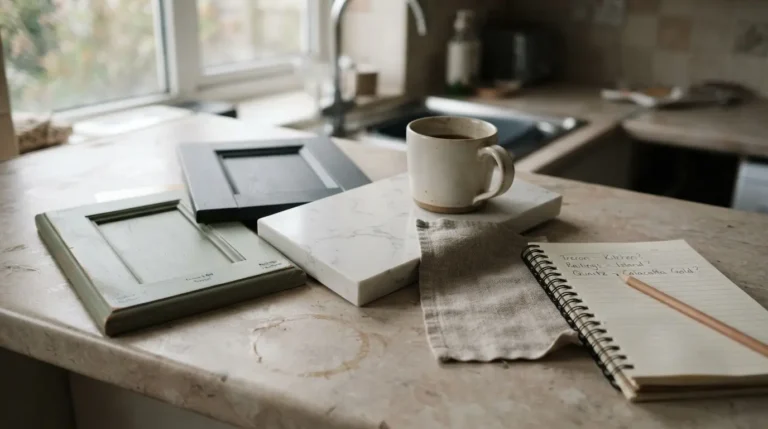
Cabinetry shapes more of a kitchen’s character than any other single choice, from the wood grain on a Shaker door to the way handleless units catch the light. These 15 kitchen cabinet ideas cover the styles, materials and layout tricks that genuinely change how a kitchen looks and works, whether you’re planning a full refit or just want to freshen up what you already have.
If you’ve scrolled through a hundred kitchen mood boards, you’ll know the frustration: gorgeous photos, vague advice, and nobody willing to say what anything actually costs or how long it takes to live with. After 15 years specifying, fitting and troubleshooting kitchens for clients, I’ve learned that the difference between a cabinet idea that photographs well and one that holds up in daily use often comes down to details nobody mentions in the glossy shots. Here’s what actually matters.
1. Take Your Cabinets to the Ceiling
Extending cabinetry to the ceiling is one of the simplest ways to add serious storage while making a kitchen feel taller and more considered. Running units floor to ceiling removes the awkward gap above wall cabinets that collects dust and clutter, and it gives you a home for things you only reach for a few times a year, such as the good serving platters or the slow cooker.
The trade-off is access. Anything stored in the top sections needs a step stool, so reserve that space for occasional-use items rather than everyday crockery. Expect to pay roughly £150 to £400 per linear metre more than standard-height units, depending on material and finish, and factor in an extra day of fitting time if the ceiling isn’t perfectly level, which is more common than you’d think in older houses.
2. Invest in Statement Hardware
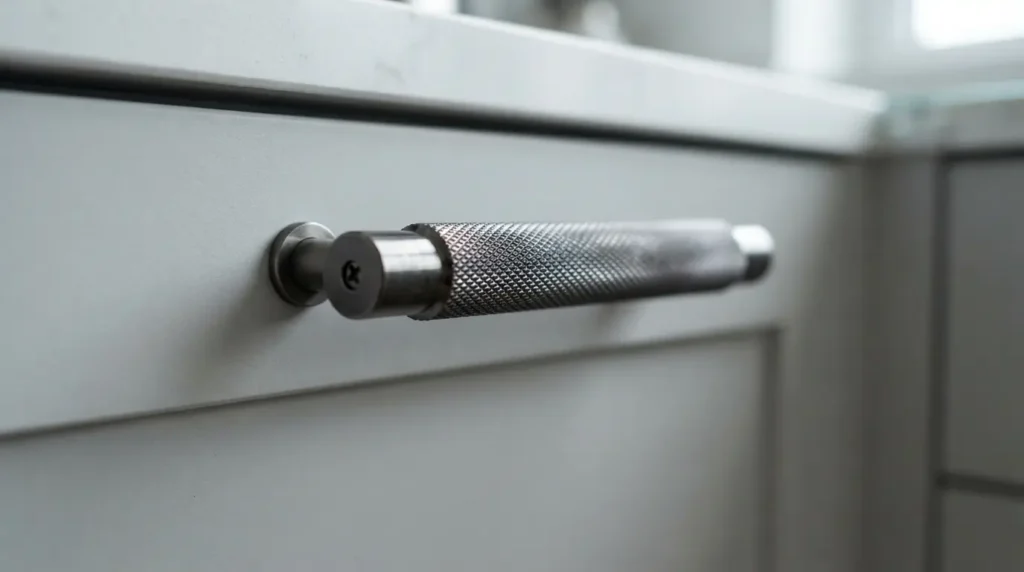
Hardware is often called the jewellery of the kitchen, and it earns that reputation. Swapping standard knobs for something with real weight and finish, such as brushed brass, knurled steel or unlacquered bronze, changes the entire feel of a run of cabinets without touching the doors themselves.
Scale matters more than people expect. A small, delicate knob disappears on a wide drawer front, while an oversized pull can look clumsy on a narrow door. As a rough guide, budget £8 to £45 per handle depending on material, with solid brass and designer ranges at the top end. This is one of the cheapest ways to update a kitchen, and it’s a genuinely good weekend project if your cabinet boxes are otherwise in decent shape.
3. Bring In Mid-Century Warmth with Wood Tones
Mid-century inspired cabinetry has real staying power because it offers a calmer, less showy alternative to high-gloss modern schemes. Mid to dark wood tones, walnut and warm oak in particular, give a kitchen a settled, authentic feel that doesn’t chase trends.
One honest warning from years of client consultations: orange-toned wood finishes from the 1990s and early 2000s date a kitchen faster than almost anything else. If you’re drawn to warm timber, test samples against your worktop and flooring in natural daylight before committing, since undertones that look rich in a showroom can read as dated or clashing once they’re installed under your own lighting.
4. Add Glass-Fronted Cabinets for a Traditional Touch
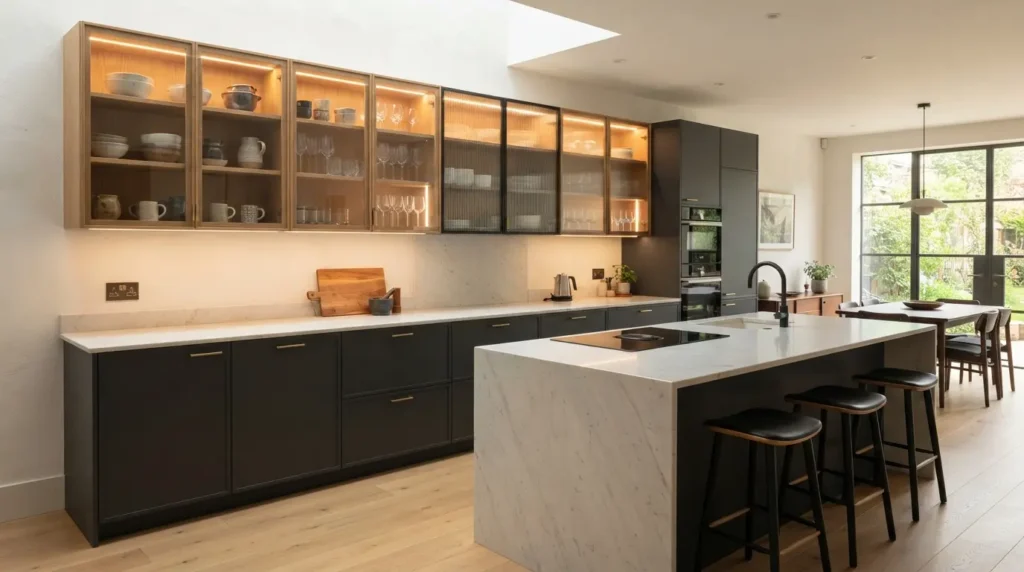
Glass-fronted units are enjoying a genuine revival, and they work because they break up long runs of solid doors while adding a sense of depth. Clear glass suits homeowners who enjoy displaying nice crockery, frosted glass hides the contents while keeping the visual softness, and fluted or reeded glass adds texture that reads as more traditional and less clinical.
The trade-off is upkeep. Clear glass means the inside of the cabinet is on permanent display, so you need to keep it genuinely tidy, not just presentable for photos. If that sounds like more effort than you want, limit glass to one or two cabinets rather than a whole run, or go frosted for the practicality without losing the visual interest.
5. Go Handleless for a Sleek, Modern Look
Handleless cabinets, whether through push-to-open mechanisms or recessed grip rails, create the clean, uninterrupted lines that define a contemporary kitchen. They work particularly well in smaller spaces because there’s nothing to catch the eye or snag a sleeve as you move past.
A few honest trade-offs are worth knowing before you commit. Push-to-open mechanisms cost more upfront, typically £15 to £40 extra per door for the hardware, and they can wear out faster than a handle if a household is hard on cabinets, since every open and close relies on a spring mechanism rather than a simple pull. Gloss handleless finishes also show fingerprints and smudges noticeably more than matte or textured ones, which matters if you have young children or simply don’t want to wipe cabinets down daily. Contemporary flush cabinetry is also a bigger commitment than it looks: because it’s expensive to redo, think about whether you’ll still like the flat, minimal look in ten years, not just today.
6. Introduce Bold Colour in Moderation
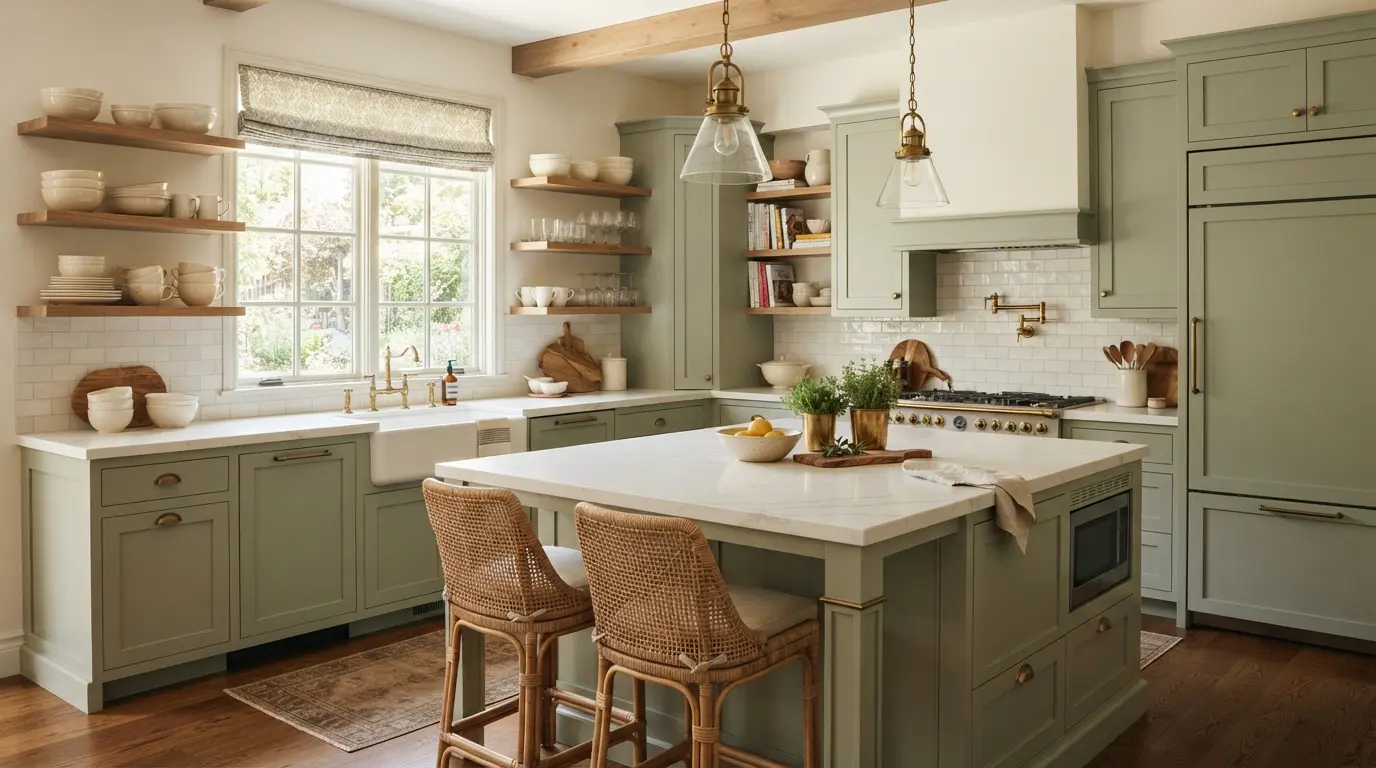
Kitchen cabinet colour has moved firmly away from safe neutrals, with deep greens, inky blues and warm terracottas showing up in both modest and larger kitchens. The trick is scale. A big kitchen can absorb a bold colour across a full run of units, while a smaller space often looks better with colour used sparingly, perhaps on an island or a single wall of cabinetry, kept below eye level so it grounds the room rather than overwhelming it.
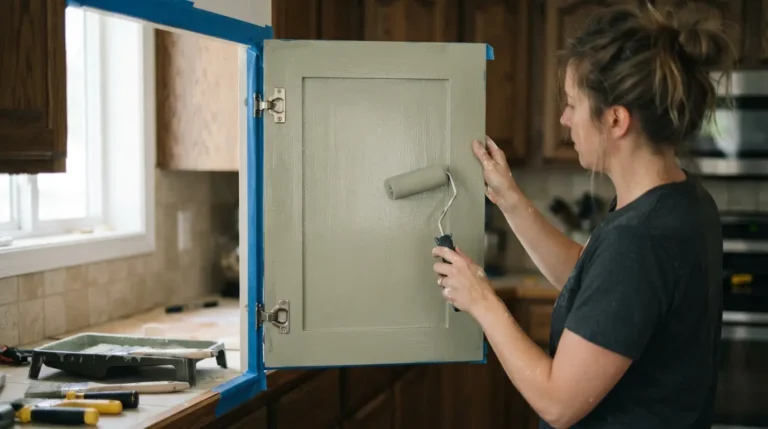
If you’re not ready to commit to colour on every cabinet, keep the main units neutral and introduce personality through tiles, paint on an adjacent wall, or accessories instead. Painted cabinets have a real practical advantage here too: they can be repainted every five to ten years as tastes shift, which is far cheaper than replacing the whole kitchen when trends move on.
7. Reface or Replace Just the Doors
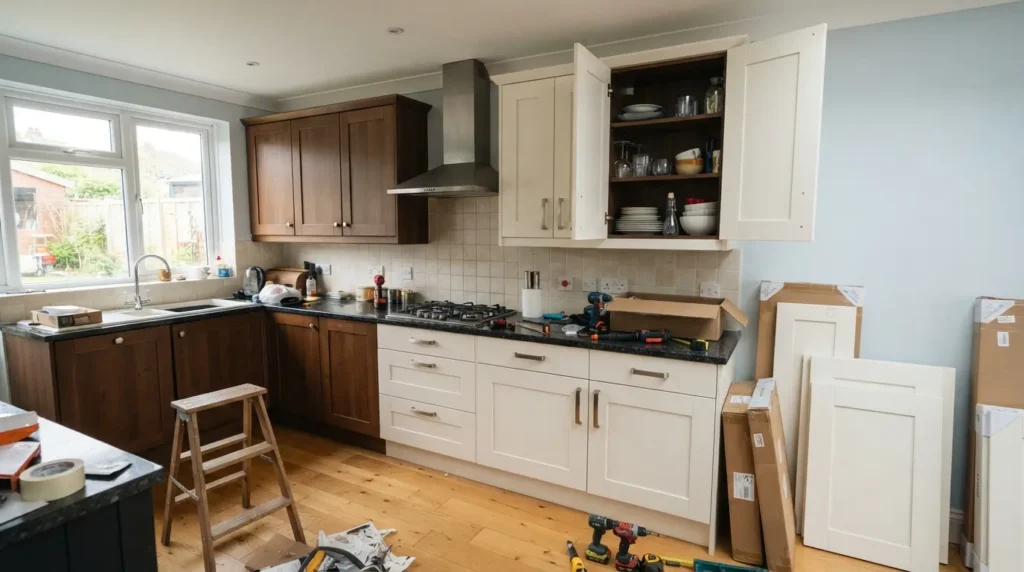
If your cabinet carcasses are structurally sound and only the doors look tired, refacing or a straightforward door swap is the single best value upgrade available. You keep the existing layout and internal storage, avoid the mess of a full strip-out, and can genuinely finish some door-only swaps in a day or two if it’s a like-for-like fit.
Here’s where the cost picture actually breaks down, since generic listicle advice rarely gives real numbers:
| Cabinet Refresh Option | Typical Cost (per average kitchen) | Typical Timeline |
| Paint existing doors and boxes | £300 to £1,200 | 2 to 4 days |
| New hardware only | £80 to £400 | Half a day to 1 day |
| Replace doors and drawer fronts | £1,500 to £5,000 | 2 to 5 days |
| Full cabinet refacing (veneer over existing boxes) | £3,000 to £8,000 | 3 to 7 days |
| Full new fitted cabinetry | £5,000 to £25,000+ | 2 to 6 weeks |
These figures are approximate and will vary significantly by country, region, kitchen size and material choice, so treat them as a starting point for your own quotes rather than a fixed price. Painting is the cheapest route but only lasts well with proper prep, meaning degreasing, sanding and a cabinet-grade primer; skip that step and you’ll see chipping within a year or two, especially around handles and hinges.
8. Build In a Breakfast or Coffee Station
A dedicated cupboard for coffee gear, cups and breakfast items keeps morning clutter contained to one zone instead of spreading across the worktop. Bi-fold doors make the contents easy to reach, and a fridge drawer built into the base can hold milk right where you need it, which is a small detail that makes a noticeable difference to how a kitchen actually runs day to day.
This works best as a genuine daily-use station rather than a display piece. If nobody in the house drinks coffee, this idea won’t earn its square footage, so match it to how your household actually eats and drinks rather than copying it because it photographs beautifully.
9. Use Narrower or Shallower Units to Save Space
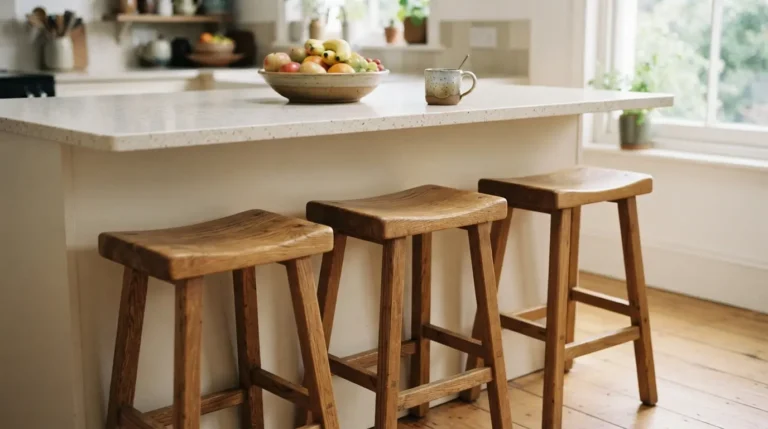
Standard base cabinets run around 560mm to 600mm deep, but shallower units at 350mm to 400mm deep can slot into spaces a full-depth cabinet wouldn’t fit, such as the non-working side of an island or a run behind bar stools. This is one of the most underused tricks for small kitchens because it adds real, usable storage without eating into walking space.
A good rule from years of small-kitchen fits: don’t leave a gap of more than a few inches between the top of a cabinet run and the ceiling. Stumpy units with a large empty void above them look unfinished and waste space that could easily hold items you use only occasionally, such as serving dishes or spare vases.
10. Work In a Proper Pantry
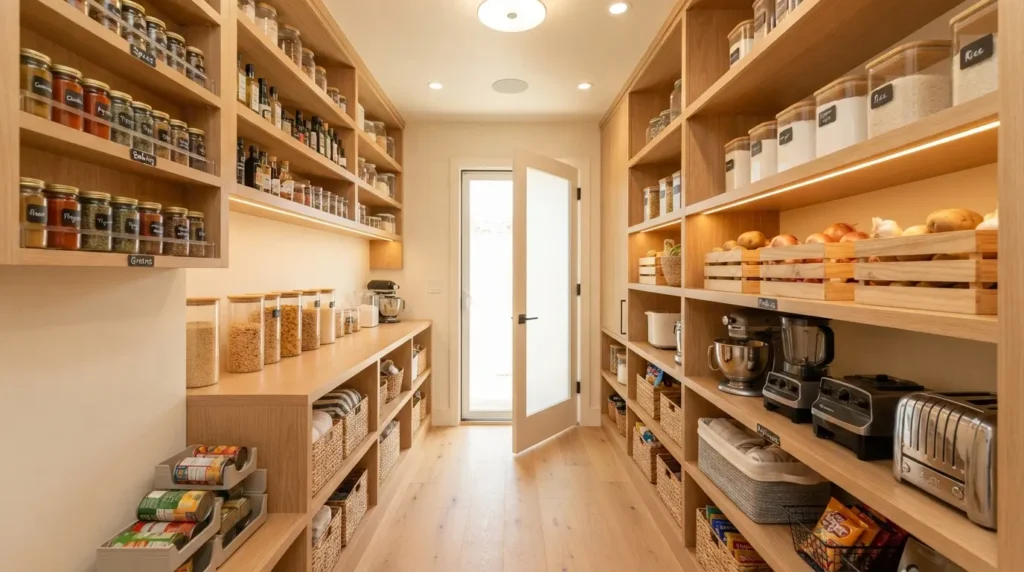
The pantry has made a genuine comeback, driven partly by a shift toward kitchens with fewer overhead wall cupboards and more open, low-level storage. A well-planned pantry with varied shelf depths, shallower at the top, deeper below, lets you see and reach everything without digging through boxes stacked three deep.
Even a narrow pantry cupboard, as little as 400mm wide, can hold a surprising amount if you fit proper shelving rather than leaving it as one deep void. This is worth prioritising over a few extra wall cabinets if you’re tight on space, since a pantry earns its keep every single day rather than sitting half-empty.
11. Swap Some Wall Units for Open Shelving
Open shelving breaks up a wall of solid doors and works well if you have attractive crockery or cook often enough to want ingredients within easy reach. It also tends to make a small kitchen feel more open, since it doesn’t box the room in with solid fronts at eye level.
The honest trade-off: open shelving requires real discipline. Everything on it is on show, all the time, so mismatched mugs and half-used spice jars will be visible whether you like it or not. It also needs regular dusting, since open surfaces collect grease and airborne dust faster than anything behind a closed door. If you’re not someone who enjoys tidying as a habit, limit open shelving to one section rather than a whole wall.
12. Choose a Timeless Shaker Style
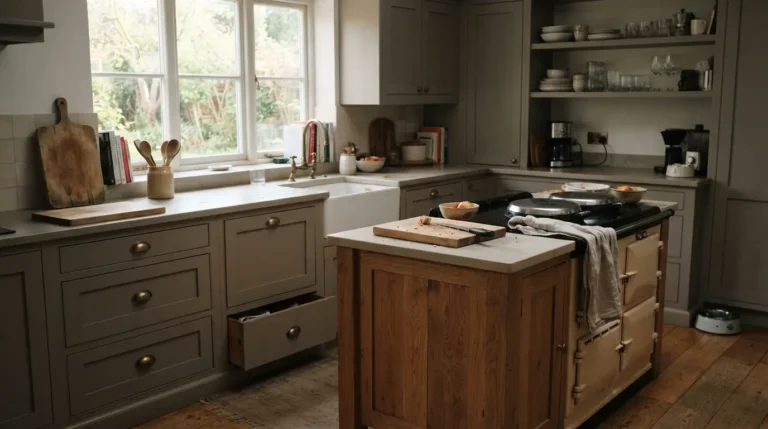
Shaker cabinetry, with its simple square doors and inset panel, remains the closest thing kitchen design has to a safe bet, and for good reason. It works equally well in period cottages and new-build contemporary homes, it photographs beautifully in both painted and natural wood finishes, and it ages gracefully because there’s no ornate detailing to look dated in a decade.
The main decision within Shaker is finish. A painted matte Shaker in a muted colour reads as timeless, while a high-gloss or overly trend-led colour choice can undercut the very quality that makes the style work. If longevity matters to you more than making a statement, keep the finish restrained and let the simple proportions do the work.
13. Embrace a Solid Wood Scheme
Solid wood cabinetry offers genuine longevity and a natural grain pattern that no laminate or veneer fully replicates. Oak and walnut are the most popular choices, and both age well, developing a richer patina over years of use rather than simply looking worn.
The honest maintenance reality: solid wood expands and contracts with humidity, so a well-built wood kitchen is constructed to allow for that movement, and doors may need the occasional adjustment, particularly through seasonal humidity swings. Wood is also more vulnerable to water damage around sinks and dishwashers than painted MDF or laminate, so a beading of sealant and prompt wiping after splashes goes a long way. Expect solid wood cabinetry to sit at the higher end of the cost table above, generally £8,000 upward for a full kitchen, though painted or part-painted wood schemes bring the cost down while keeping the material quality.
14. Consider Freestanding Cabinetry
Freestanding units offer a more relaxed, collected-over-time look and are particularly popular in period properties where owners want to avoid permanently fixing modern cabinetry to original walls, skirting or cornicing. They’re also genuinely flexible: you can rearrange, add to, or take a piece with you when you move house, which fitted cabinetry simply can’t do.
The trade-off is storage efficiency. Freestanding pieces rarely use corner space or wall height as well as a fully fitted run, so a freestanding kitchen usually needs a larger footprint to hold the same amount as a fitted one. It suits kitchens where the aesthetic matters as much as maximising every cubic inch of storage.
15. Personalise with Two-Tone or Mixed Finishes
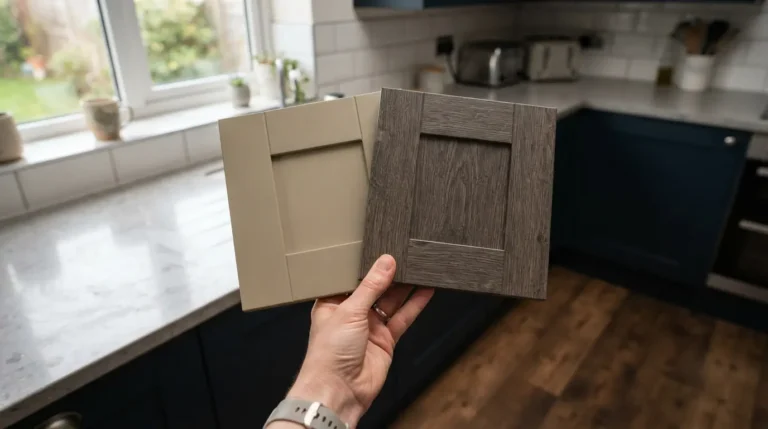
Mixing two colours, or combining a painted finish with natural wood, is one of the most effective ways to move a kitchen away from a builder-grade, catalogue look. A common approach pairs a darker tone on base cabinets with a lighter shade above, which grounds the room while keeping it feeling open, but you can just as easily use colour to highlight an island or a single run as a focal point.
The interiors of glass-fronted units, door frames, and even handles can all carry a different colour or material from the main cabinet body, giving you layers of personality without redoing the whole kitchen. This is the detail that tends to separate a kitchen that looks genuinely designed from one that looks assembled from a single catalogue page.
Conclusion
The best kitchen cabinets are the ones that match how you actually live, not just how a kitchen photographs on the first day. Whether that means taking units to the ceiling for extra storage, choosing a timeless Shaker profile, or simply swapping the hardware for something with real presence, small, well-considered changes often deliver more lasting satisfaction than a full replacement. Start with what’s genuinely wearing you down about your current kitchen cupboard setup, whether that’s storage, style or simply outdated doors, and work outward from there. A kitchen built around your actual routine will always outlast one chosen purely for trend value.
FAQs
What is the most timeless kitchen cabinet style?
Shaker-style cabinets are generally considered the safest long-term choice because their simple, unadorned design works in both traditional and contemporary settings and doesn’t rely on trend-led detailing that can date.
How much do new kitchen cabinets cost?
Costs vary enormously by country, material and kitchen size, but a full new fitted kitchen typically runs from around £5,000 for a modest, standard-finish kitchen to £25,000 or more for bespoke solid wood cabinetry, with mid-range schemes commonly landing between £8,000 and £15,000.
Is it cheaper to paint or replace kitchen cabinets?
Painting existing cabinets is almost always the cheaper option, typically a few hundred to just over a thousand pounds, compared with several thousand for new doors or a full replacement. Painting only makes sense if the cabinet boxes are structurally sound; if they’re warped, water-damaged or falling apart, replacement is the better long-term investment.
How do I make small kitchen cabinets look bigger?
Taking cabinets to the ceiling, choosing a handleless or flush design, and using narrower or shallower units in tight spots all help a small kitchen feel less cramped. Lighter cabinet colours and open shelving in place of a couple of wall units can also open up the visual space.
Do handleless cabinets show fingerprints?
Gloss handleless finishes show fingerprints and smudges more readily than matte or textured finishes. If you want the handleless look without constant wiping, look at matte laminate or textured wood-effect finishes rather than high-gloss lacquer.
How often should I repaint kitchen cabinets?
With proper preparation and a durable cabinet-grade finish, painted cabinets typically hold up well for five to ten years before needing a refresh, though high-traffic touch points like handles and hinge areas may need earlier spot repainting.