10 Extendable Dining Table Ideas for a Flexible and Multi-Purpose Home

Extendable dining tables suit British homes where space is limited yet guest numbers vary. A well-chosen extending table serves weekday meals for four and expands for weekends or celebrations. The best designs combine practical mechanisms with materials that handle daily use. These ten ideas focus on UK sizes, clearances and common pitfalls so the table works for real life rather than a showroom photograph. Further inspiration appears in how to choose an extendable dining table that works for your home.
1. Butterfly-Leaf Oak Table for Everyday Family Use
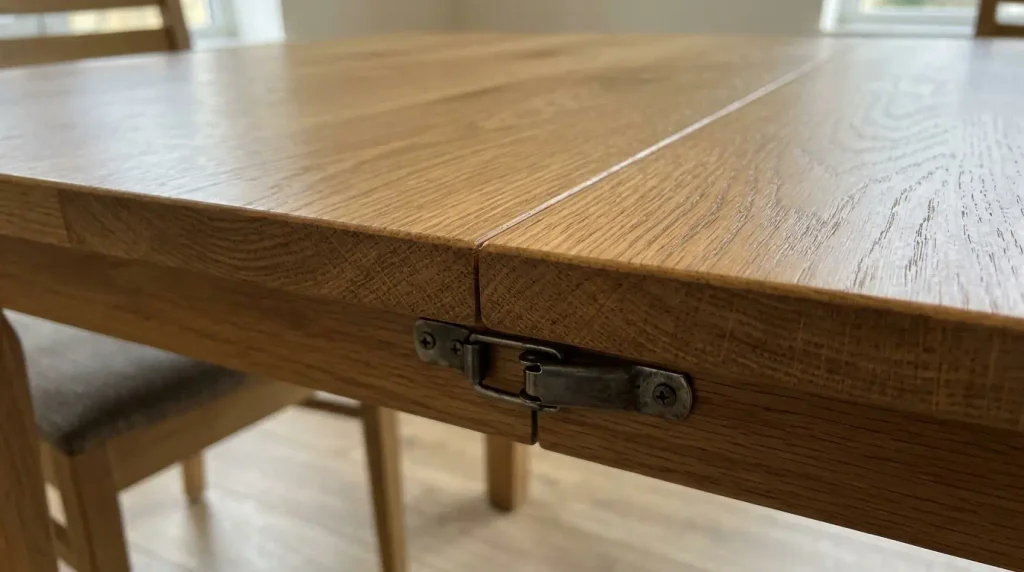
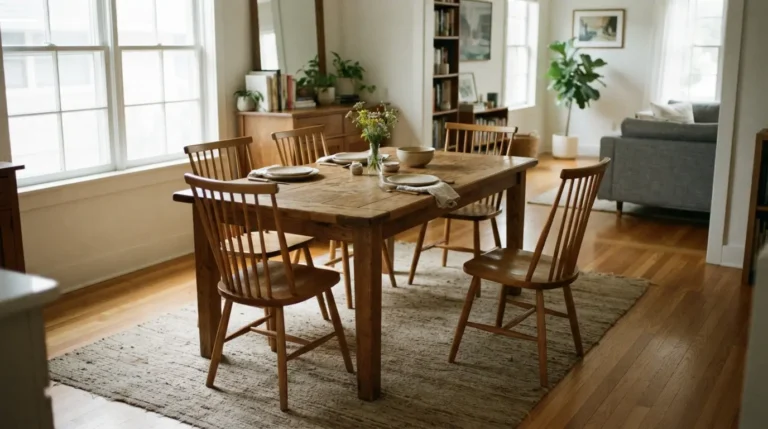
A solid oak butterfly-leaf table stores the extra section inside the frame and opens with a pull. Closed it typically measures 1.4 m to 1.6 m and seats four to six; open it reaches 2 m or more. The flush join looks continuous under daylight. Choose a pedestal or trestle base so legs do not interfere with the leaf. Allow 900 mm clearance at both ends when extended. Oak with an oil or hard-wax finish resists daily marks and can be refreshed. Avoid thin veneers that chip at the leaf edge. This style suits most rectangular UK dining rooms and open-plan kitchen diners where the table stays in place.
2. Drop-Leaf Table Against the Wall for Compact Rooms
Drop-leaf tables fold one or both sides down so the piece sits flush against a wall and frees floor space. Ideal for box rooms or flats where a full table would block movement. When raised, check that the hinge support holds serving dishes without sagging. Typical closed depth is 400 mm to 500 mm; open width reaches 900 mm to 1.2 m. Pair with folding chairs or a slim bench stored nearby. Measure the wall length carefully; radiators or sockets can limit placement. A painted or light oak finish keeps the folded table looking intentional rather than temporary.
3. Round Extendable Table for Sociable Seating
Round tables seat more people relative to their footprint because conversation flows without a head of the table. Many extend by inserting a leaf that turns the circle into an oval. A 1.2 m diameter closed seats four; the extended oval seats six to eight. Pedestal bases maximise leg room. Confirm the room can accommodate the longer oval without losing the 900 mm circulation space. Round shapes work well in square rooms or bay windows. See related ideas in 8 round dining table ideas for a sociable dining experience.
4. Glass-Top Extendable Table for Light Open-Plan Spaces
A tempered glass top on a metal or timber base keeps an open-plan kitchen diner feeling bright. Extension leaves are usually timber or matching glass. The surface wipes clean easily after meals yet shows fingerprints, so a lightly textured glass helps. Ensure the mechanism is robust; glass is heavy and any flex shows. Clearance rules remain the same: 900 mm around the extended table. This option suits modern schemes with light flooring. Check the edge finish so chairs do not chip the glass.
5. Trestle Base Table That Doubles as a Workspace
A trestle or trestle-style base gives generous knee room and looks substantial. Many extend with centre leaves. When closed the table works as a home-office surface or homework station. Choose a length of 1.6 m closed that extends to 2.2 m. Solid oak or walnut tops handle laptop heat and pen marks better than high-gloss finishes. Position the table so the extended version does not block kitchen traffic. Storage for the leaf can sit under the trestle or in a nearby sideboard.
6. Painted or Two-Tone Extendable Table for Character
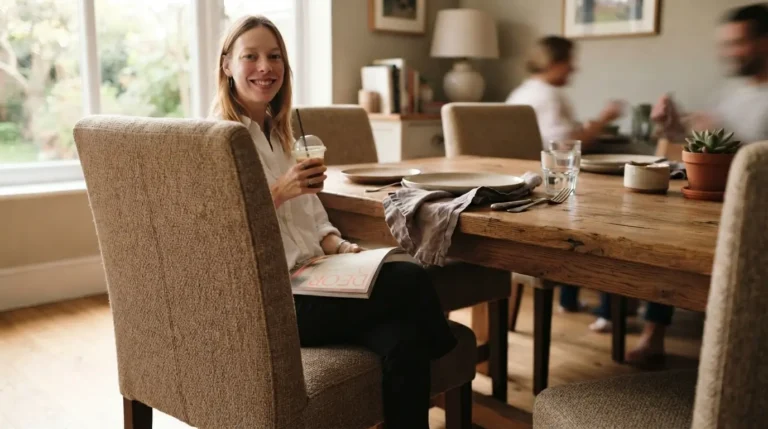
A painted base with a natural oak top adds colour without dominating the room. Extension mechanisms stay the same as solid timber models. The painted sections can be refreshed if they scuff. This style suits farmhouse or modern country dining rooms. Confirm the paint is durable and the leaf edges match when open. Allow extra care when moving the table so the painted legs do not mark. Pair with mixed seating: upholstered chairs on the ends and a bench on one side.
7. Slim Console That Expands into a Full Dining Table
Console-style tables sit against a wall at 300 mm to 400 mm deep and extend to 900 mm or more. Perfect for studio flats or rooms that serve multiple functions. The mechanism is usually drop-leaf or telescopic. Check stability when fully open; some lighter models rock if people lean. Store folding chairs in a nearby cupboard. Measure the open length against the available wall so the table does not protrude into doorways. This idea maximises floor space the rest of the time.
8. Dark Walnut Extendable Table for a Formal Feel
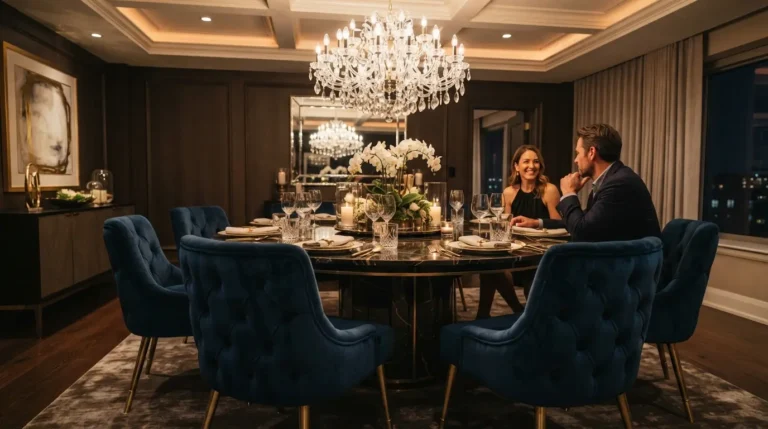
Walnut brings warmth and formality. A butterfly-leaf walnut table seats six closed and eight to ten open. The richer grain hides minor marks better than pale oak under evening light. Ensure the room has enough natural light so the dark top does not feel heavy. Pair with lighter chairs or a pale rug underneath. Check the leaf grain matches; walnut variations can show if the timber is from different boards. This choice works in traditional or contemporary dining rooms that already contain darker furniture.
9. Bench-Friendly Rectangular Table for Flexible Seating
A rectangular extendable table paired with a bench on one long side seats more people without extra chair storage. The bench slides under when not in use. Choose a table with a straight apron so the bench fits neatly. Typical dimensions: 1.8 m closed extending to 2.4 m. Confirm the bench height matches the table (usually 450 mm seat height for a 750 mm table). This combination suits family homes where children and adults share the same meal. The bench also works as extra seating in the living area if the table is in an open plan.
10. High-Quality Engineered Table for Upper Floors or Rentals
Engineered boards with a real-wood veneer weigh less than solid timber, which helps in upper-floor flats or rented homes where heavy furniture is restricted. Good versions still offer butterfly or centre-leaf mechanisms. Check the veneer thickness and the quality of the edge banding so the leaf join does not chip. Laminate alternatives resist spills better and cost less. Always confirm the return policy and delivery route before ordering. This practical option delivers the flexibility of an extendable table without the weight or cost of solid oak.
Conclusion
These ten extendable dining table ideas cover the main practical needs of UK homes: limited space, varying guest numbers and multi-purpose rooms. Measure clearances in both positions, test the mechanism, and match materials to daily use. Whether you choose a butterfly-leaf oak table, a drop-leaf console or a lighter engineered design, the right extending table becomes a flexible centre for meals and gatherings. Check doorway access and leaf storage before you commit so the table works from the day it arrives.
FAQs
Which extendable dining table idea suits a very small room?
A drop-leaf table or a slim console that expands works best. Both free floor space when closed and still seat four to six when open. Confirm the open size still leaves 900 mm clearance.
Do butterfly-leaf tables look seamless?
Quality butterfly-leaf tables produce a flush, almost invisible join when closed and open. Check the grain match and locking mechanism in person if possible. Cheap versions leave gaps or uneven surfaces.
Can I use an extendable table as a desk during the day?
Yes. Trestle or rectangular tables with a durable finish work well as temporary workspaces. Choose a surface that resists heat from laptops and wipes clean easily. Store the leaf so it does not interfere with daily use.
How much space do I need to extend the table?
You need the full open length plus 900 mm clearance at each end for chairs. Mark both closed and open sizes on the floor before you buy. Many people underestimate the open footprint.
Are glass extendable tables practical in a family home?
They wipe clean easily but show marks and fingerprints. Tempered glass is safe, yet the weight and the need for a robust mechanism make them better suited to adult households than homes with young children.
What is the most popular extendable table style in the UK?
Solid oak butterfly-leaf or centre-leaf tables remain the most requested because they combine durability, a natural look and a self-storing mechanism that suits typical British dining rooms.