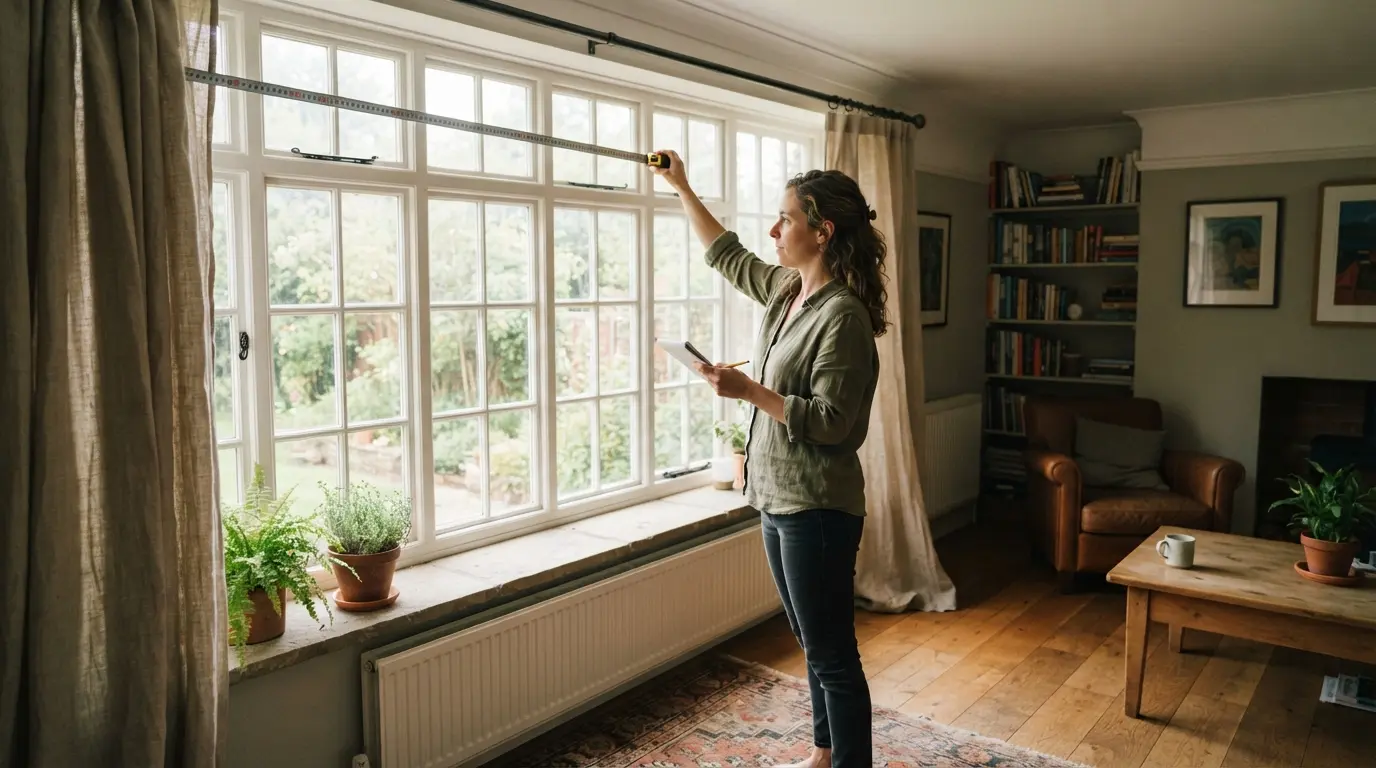
How to Measure Windows for Curtains Correctly

Measuring windows for curtains correctly means taking accurate width and drop measurements, considering the curtain pole or track position, fullness ratio, and desired finish before buying fabric. A proper curtain measurement prevents common problems such as curtains looking too narrow, sitting too short, or failing to cover the window properly.
Many homeowners spend time choosing beautiful fabrics and colours, only to discover the finished curtains do not hang the way they imagined. The most common issues come from measuring the glass area instead of the full fitting area, forgetting curtain fullness, or assuming every window needs the same size. A careful curtain measurement at the start saves money and gives a more professional finish.
What measurements do you need before buying curtains?
Before you measure curtains, you need three key dimensions: the width of the curtain pole or track, the required curtain drop, and the amount of fabric needed for fullness. These measurements determine the final curtain size and how well the curtains frame your window.
Start by deciding where the curtains will hang. Curtains fitted outside the window recess usually create a fuller, more luxurious look because they extend beyond the window edges. Inside-recess fitting works well for smaller rooms but requires more precise measurements.
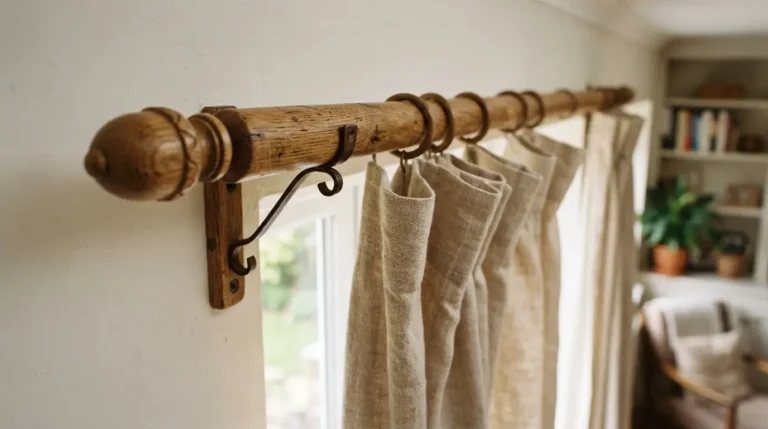
For a professional curtain fitting, measure the actual pole or track rather than the window itself. The curtain fabric needs extra width to create folds, known as fullness. Flat fabric stretched across a window rarely gives the tailored appearance most homeowners want.
A good starting point:
- Width measurement: measure the full curtain pole or track length.
- Drop measurement: measure from the top of the pole or track to where you want the curtain to finish.
- Fullness allowance: multiply the width by the recommended fabric fullness for your curtain style.
How to measure curtain width correctly
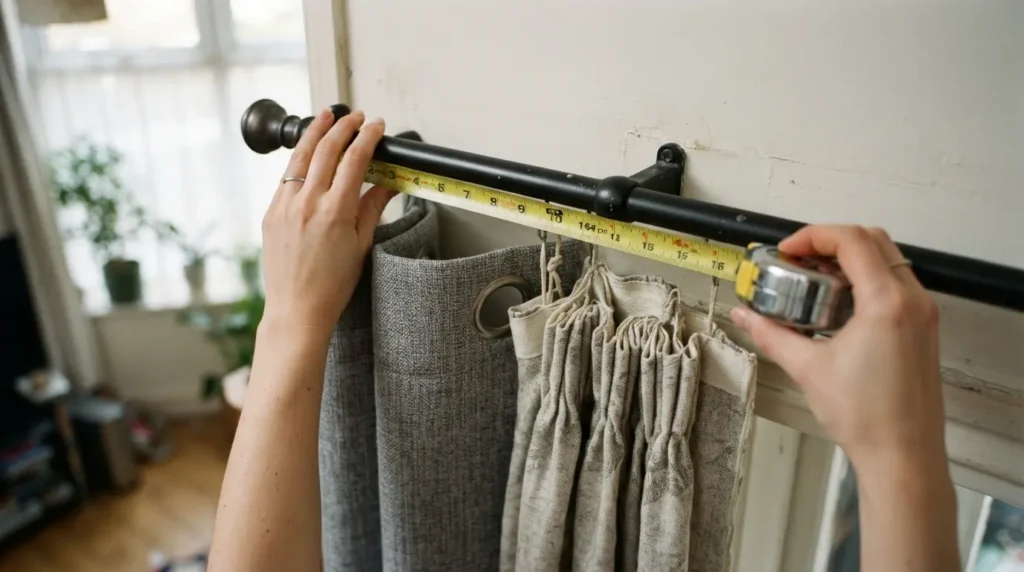
To measure curtain width correctly, measure the curtain pole or track from one end to the other, then multiply this measurement by the required fullness ratio. The final number gives the total fabric width needed for your curtains.
For most ready-made curtains, the width shown on packaging refers to the total curtain width when laid flat, not the window coverage. This is where many buying mistakes happen.
Different heading styles need different fullness:
| Curtain Style | Recommended Fullness | Appearance |
| Eyelet curtains | Around 1.5 to 2 times fullness | Modern, relaxed folds |
| Pencil pleat curtains | Around 2 to 2.5 times fullness | Traditional gathered look |
| Wave curtains | Around 2 times fullness | Clean designer finish |
For example, if your curtain track measures 200cm, a fuller curtain style may require around 400cm of total curtain width.
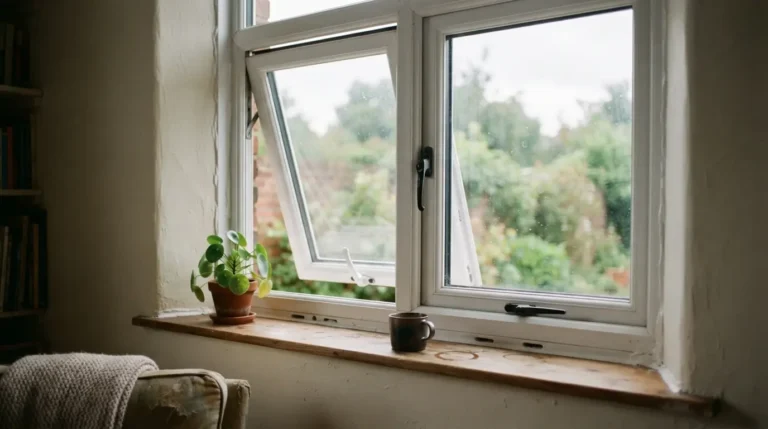
Avoid measuring only the window glass. The glass area does not include the space needed for curtains to stack neatly when open.
How to measure curtain drop for the perfect length
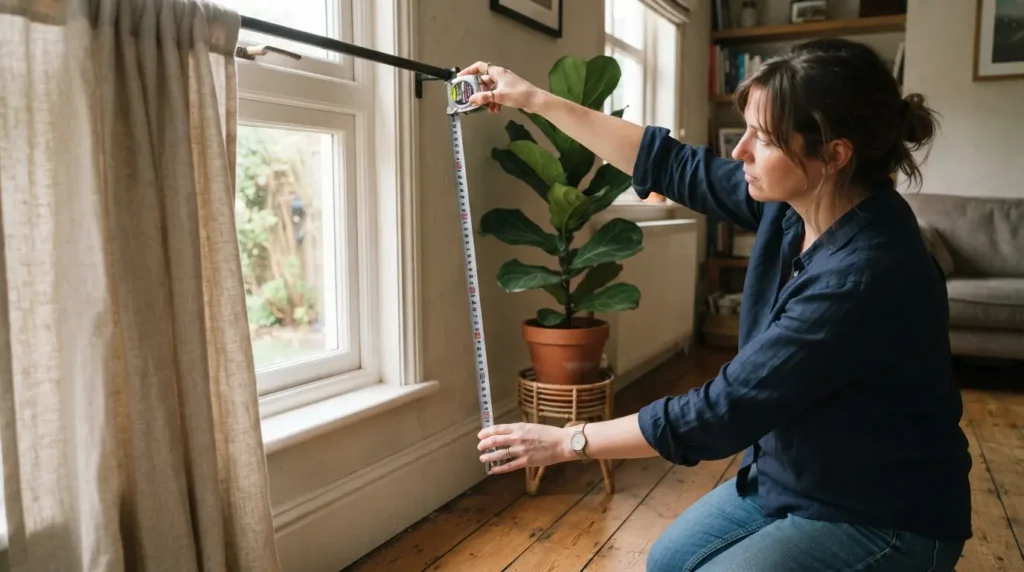
The correct curtain drop depends on whether you want curtains to finish at the sill, below the window, or reach the floor. Measure from the curtain hanging point, not from the top of the window frame.
Measure vertically from:
- The top of the curtain pole or track
- Down to your chosen finishing point
Common curtain lengths include:
Sill length:
Finishes slightly above or around the window sill. This works well in kitchens, bathrooms, and smaller spaces.
Below-sill length:
Drops below the sill but stops before reaching the floor. This can suit windows above furniture such as desks or radiators.
Floor length:
Usually the most popular choice for bedrooms and living rooms because it creates height and a more finished appearance.
Puddle length:
Extra fabric rests softly on the floor. This creates a decorative look but requires more maintenance because dust and pet hair collect more easily.
A practical rule from interior projects is that floor-length curtains usually look best when they either lightly touch the floor or sit just above it. A small gap can make curtains look unintentionally short.
Should curtains go inside or outside the window recess?
Curtains fitted outside the window recess usually make windows appear larger and allow more light when opened. Inside recess fitting creates a cleaner, built-in appearance but leaves less room for fabric stacking.
Choosing between these two approaches depends on the room and the window design.
Outside recess curtains are often preferred when:
- You want the window to appear wider.
- You want better light control.
- You have enough wall space beside the window.
- You want a more luxurious interior style.
Inside recess curtains can work better when:
- The room has limited wall space.
- Furniture sits close to the window.
- You prefer a minimal appearance.
One common mistake is installing the pole too close to the window frame. This can make even expensive curtains look cramped because there is not enough space for the fabric to stack when open.
Choosing the right curtain size for different rooms
The correct curtain size depends on the room function, window position, and the atmosphere you want to create. Bedrooms often benefit from fuller curtains, while kitchens may need practical fabrics that are easier to maintain.
Bedrooms often need privacy and light control. Blackout curtains are useful for reducing morning light, while heavier fabrics can add warmth during colder months.
Living room curtains
Living rooms usually benefit from longer curtains with generous fullness. Floor-length styles can make ceilings feel taller and create a softer connection between the window and surrounding furniture.
Kitchen curtains
Kitchen curtains need practicality. Fabrics that can tolerate regular cleaning are often a better choice than delicate materials that require specialist care.
Curtain materials and finishes that affect measurement choices
Curtain fabric choice changes how curtains hang, how much fullness they need, and how they perform over time. Heavy fabrics create deeper folds, while lightweight materials create softer movement.
| Material | Benefits | Considerations |
| Linen curtains | Natural texture, relaxed appearance | Can crease easily |
| Cotton curtains | Versatile and breathable | May fade with strong sunlight |
| Velvet curtains | Rich appearance and insulation | Heavier and harder to clean |
| Polyester curtains | Affordable and practical | Less natural texture |
| Sheer curtains | Soft light filtering | Limited privacy alone |
A common design mistake is choosing fabric based only on appearance. A delicate linen may look beautiful but may not suit a high-traffic family room where frequent cleaning is needed.
What does professional curtain fitting usually cost?
Professional curtain fitting costs vary depending on the number of windows, fitting type, and location, but many homeowners spend approximately £50 to £150 or more for installation work. Custom curtains can range from a few hundred pounds upwards depending on fabric and craftsmanship.
A typical curtain project timeline:
- Measuring and planning: 30 minutes to a few hours depending on the number of rooms.
- Ready-made curtain purchase: often completed within days if stock is available.
- Custom curtains: commonly take several weeks because of manufacturing time.
The biggest cost difference usually comes from choosing ready-made versus made-to-measure curtains.
Ready-made curtains are budget-friendly and work well for standard windows. Made-to-measure curtains offer better control over unusual window sizes, fabric choice, and final appearance.
A realistic warning: expensive fabric will not fix poor measurements. Correct sizing has more impact on the finished look than choosing a premium material.
Common curtain measuring mistakes to avoid
Avoiding simple measuring errors can prevent wasted money and disappointing results. Most curtain problems happen before installation, not after.
Common mistakes include:
Measuring the window instead of the fitting
The curtain needs to cover the pole or track area, not only the glass.
Forgetting fullness
A curtain that exactly matches the window width will usually look flat and unfinished.
Installing the pole too low
Low poles can make windows appear smaller and reduce the sense of height in a room.
Ignoring fabric behaviour
Heavy fabrics may need stronger hardware, while lightweight fabrics may require more fullness to look substantial.
Tools needed to measure window curtains accurately
The right tools make curtain measurement faster and more reliable. Small errors can create noticeable problems once fabric is installed.
Useful tools include:
- A metal measuring tape for accurate width and drop measurements.
- A step ladder for reaching high curtain poles safely.
- A spirit level when installing new poles or tracks.
- A notebook or digital note app for recording measurements.
Always measure twice before ordering curtains. A few centimetres of error can change the entire appearance.
Conclusion
Learning how to measure windows for curtainscorrectly helps you avoid costly mistakes and creates a more polished room finish. Accurate width, drop, and fullness calculations matter just as much as the fabric you choose.
Before ordering curtains, measure the fitting area carefully, consider how the fabric will hang, and think about everyday maintenance. A well-measured curtain installation will look better, last longer, and make your room feel properly finished.
FAQs
How do I measure curtains for a new window?
Measure the curtain pole or track width first, then measure from the hanging point down to your chosen curtain length. Add extra fabric width based on the curtain heading style and fullness you want.
Should curtain width be the same as window width?
No. Curtain width should usually be wider than the window because curtains need extra fabric to create folds. Measuring only the window width often results in curtains that look flat.
How much wider should curtains be than the window?
Most curtain styles need around 1.5 to 2.5 times the fitting width depending on the fabric and heading style. Fuller styles create a richer appearance but require more material.
How do I measure curtains for a curtain pole?
Measure the full length of the pole from end to end, excluding decorative finials if they do not support the curtain fabric. Use this measurement when calculating curtain width.
Are floor-length curtains better than sill-length curtains?
Neither option is always better. Floor-length curtains often create a more elegant look in bedrooms and living rooms, while sill-length curtains can be more practical in kitchens or areas with furniture below windows.
Can I install curtains without professional help?
Yes, many homeowners install curtains themselves if the window position is straightforward. The main challenges are accurate measurements, correct bracket placement, and ensuring the pole is level.