How to Choose the Right Replacement Windows for Your Home

Choosing the right replacement windows for your home comes down to matching frame material, glazing, and style to your climate, budget, and each room’s job. Get those three right and the windows pay you back in comfort, lower bills, and kerb appeal for decades. Get them wrong and you’re stuck living with a bad decision until the next renovation cycle.
Here’s the bit most guides skip: the “right” replacement windows are never a single product. They’re a set of decisions made room by room, because a window that’s perfect over a kitchen sink is often the worst choice for a bedroom, and a frame that suits a Victorian terrace can look completely wrong on a 1970s extension. Get the sequence right, though, and the whole process gets much less overwhelming.
Start With Why You’re Replacing, Not What You Want to Buy
The instinct is to jump straight to browsing window styles. Resist it. The window that solves a draught problem is not always the window that solves a noise problem, and the window that maximises light is rarely the one that maximises security.
Walk your home room by room and note what’s actually wrong: condensation between panes, a sash that won’t stay open, a frame that’s swollen shut, or simply a style that doesn’t suit the house anymore. Families with young children often need windows with restrictor stays or laminated safety glass. Homes on busy roads need acoustic glazing more than they need a particular frame material. If you’re renovating a period property, the local planning rules may dictate window style before you get a say in the matter, so it’s worth checking conservation area or listed building restrictions before you fall in love with anything.
This diagnostic step is also where you decide whether you’re doing a like-for-like swap or genuinely changing the look of the house. Both are valid, but they lead to very different shortlists.
Match Window Style to How Each Room Is Actually Used
Window styles aren’t interchangeable, and the room dictates the shortlist more than personal taste does.
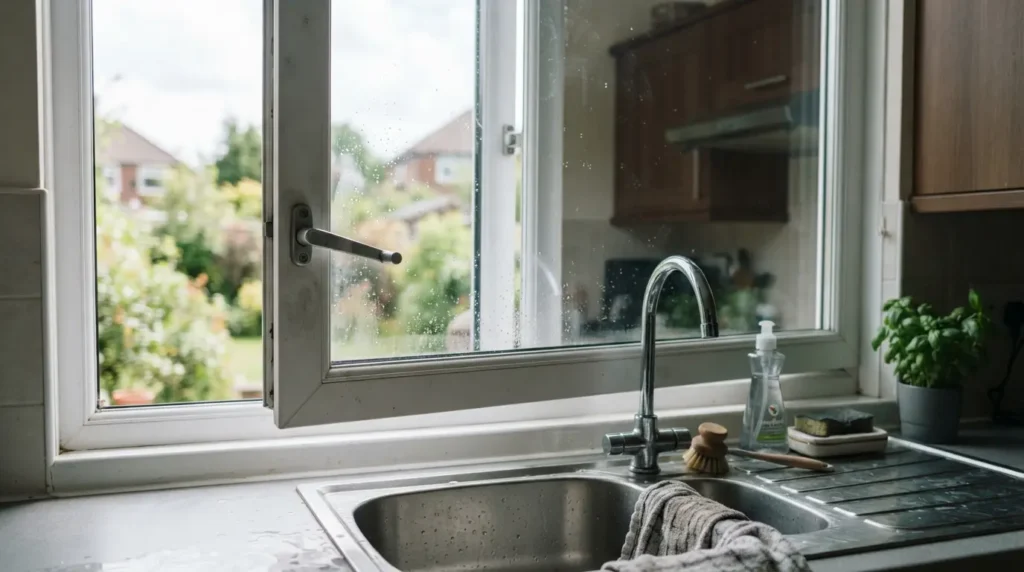
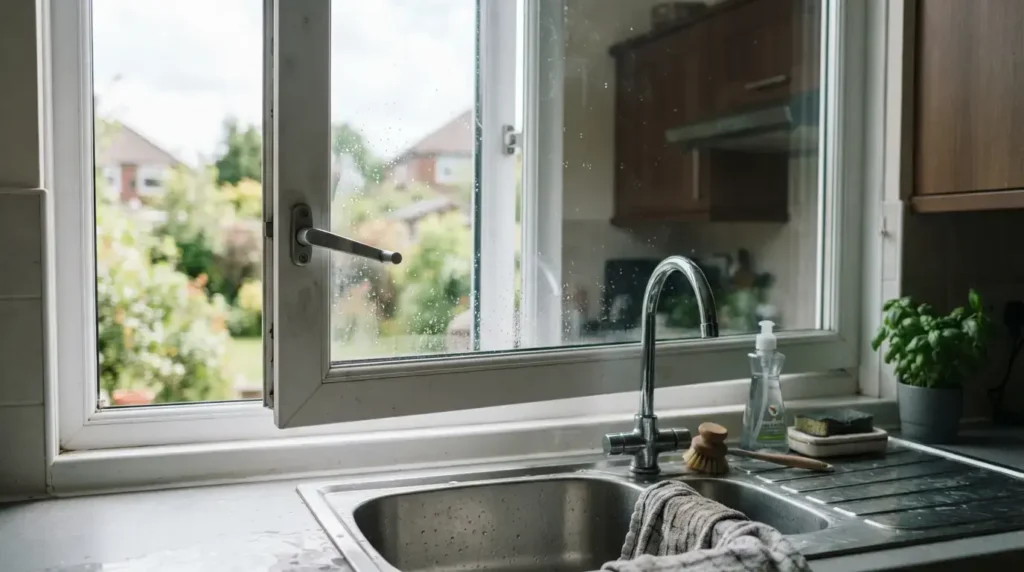
- Casement windows hinge at the side and open outward, sealing tightly against the frame when shut. They’re one of the better performers for airtightness and are the natural choice over a kitchen sink or in a utility room, where you need a hand-crank opening rather than a reach-over.
- Sash windows (single or double-hung) slide vertically, split into two moving sections. Double-hung versions tilt in for cleaning and suit period homes, especially Georgian and Victorian properties where the proportions were designed around them.
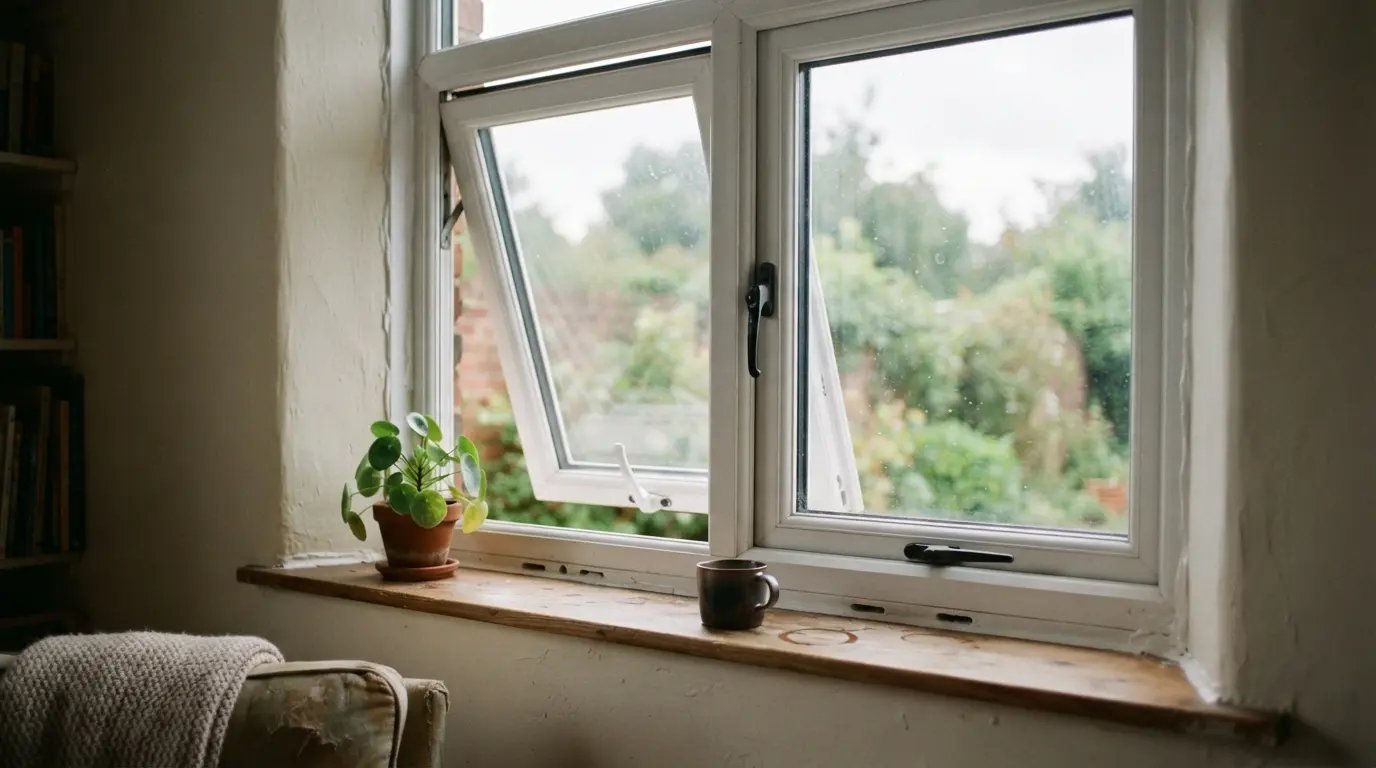
- Tilt-and-turn windows open two ways: tilted from the top for background ventilation, or swung fully inward on side hinges for cleaning and emergency egress. They’re popular in contemporary European-style builds and work well in bedrooms where fire escape routes matter.
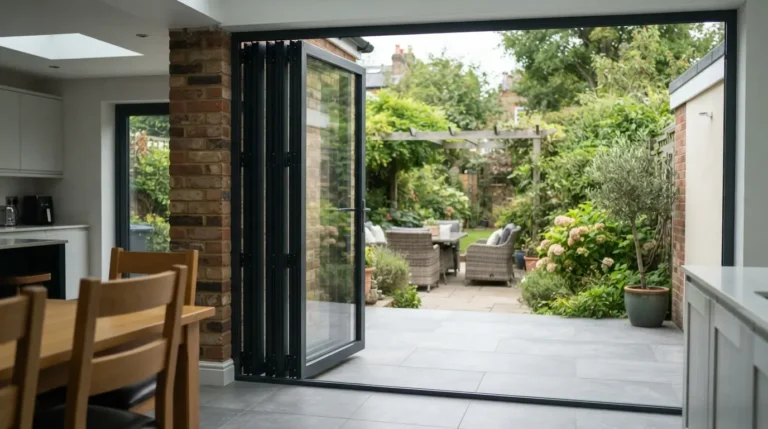
- Sliding windows move horizontally on a track and don’t protrude outward, which makes them useful where exterior space is tight, such as near a patio or walkway.
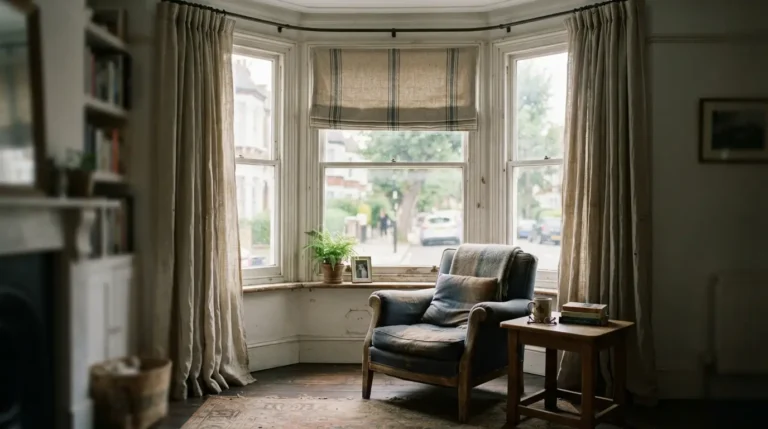
- Bay and bow windows project beyond the wall line, adding a few extra centimetres of interior floor space and a wraparound view. They suit living rooms and dining areas but add real cost and are one of the trickier replacements to get watertight.
- Fixed or picture windows don’t open at all, which makes them the most thermally efficient option and the best for maximising a view, but they need pairing with at least one operable window nearby for airflow.
A rule of thumb that holds up in most homes: rooms that need airflow and easy cleaning (kitchens, bathrooms, kids’ bedrooms) do better with casement or tilt-and-turn; rooms where the view or light matters most (living rooms, dining rooms) suit picture or bay windows; and anywhere with a period façade should stay close to the original sash or casement proportions rather than chasing a completely different silhouette.
Choose a Frame Material for Your Climate, Not Just Your Budget
Frame material is where most of the long-term maintenance decision gets made, and it’s worth being honest about trade-offs rather than picking on looks alone.
| Material | Typical cost position | Maintenance | Best suited to |
| uPVC (vinyl) | Most affordable | Very low, occasional wipe-down | Most homes, rental properties, tight budgets |
| Timber | Mid to high, often 40-60% more than uPVC | High, regular repainting or resealing | Period and heritage homes wanting authenticity |
| Aluminium | Mid to high | Low, especially with powder coating | Contemporary homes, large glazed openings |
| Fiberglass (composite) | Highest | Low, very stable in temperature swings | Extreme climates, large windows, long-term owners |
uPVC dominates the replacement market for good reason. It won’t warp, rot, or need repainting, and modern colour-through finishes have closed most of the gap with timber in appearance. It’s the sensible default for most homeowners who want performance without ongoing upkeep.
Timber still wins on authenticity for period properties and has real warmth that uPVC can’t quite replicate, but it demands maintenance discipline. Left unpainted or unsealed for a few years in a wet climate, timber frames can swell, stick, or start to rot at the joints, and refinishing a full house of timber windows is not a weekend job.
Aluminium suits contemporary homes and lets you run very slim sightlines, which matters if you want maximum glass and minimal visible frame. On its own it conducts heat and cold more readily than other materials, so check that any aluminium system you’re quoted includes a thermal break in the frame; without one, energy performance drops noticeably in colder climates.
Fiberglass sits at the top of the price range but is genuinely the toughest option, resisting expansion and contraction across seasonal temperature swings better than any other material. It’s worth the premium mainly for large picture windows, extreme climates, or homeowners who plan to stay put for twenty-plus years and want to never think about their windows again.
Get the Glazing Right, Because This Is Where the Energy Savings Actually Live
Frame material gets most of the attention, but glazing specification does more of the work when it comes to comfort and running costs.
Double glazing is now the practical minimum in most markets. Triple glazing adds a further step up in thermal performance and a genuine improvement in sound insulation, useful if you’re on a busy road, though European manufacturers note the price premium for triple glazing is often smaller than people expect, sometimes only a few percentage points more than double glazing for the same frame, though this varies by supplier and region. In the UK specifically, industry pricing has cited roughly a 30% jump when upgrading from double to triple glazing, so it’s worth getting quotes for both before ruling triple out.
Two other specifications matter as much as pane count: the U-factor, which measures how much heat the window loses, and the Solar Heat Gain Coefficient, which measures how much solar heat it lets in. A low U-factor keeps heat inside during winter; a low SHGC keeps a south-facing room from turning into a greenhouse in summer. Low-E (low-emissivity) coatings help with both and are close to standard on any window sold as “energy-efficient” today. If your local market has an ENERGY STAR or equivalent certification scheme, it’s a reasonably reliable shortcut for comparing products without reading spec sheets line by line.
Measure Properly, or Expect Problems Later
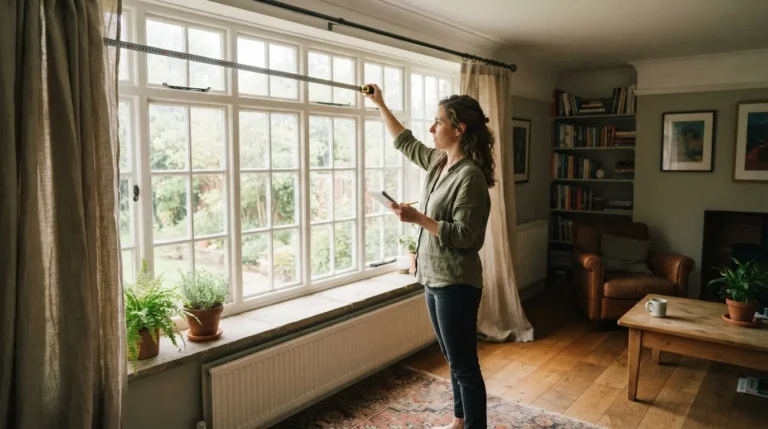
Accurate measurement is the least glamorous part of this process and the one most likely to cause real damage if skipped. Take height and width measurements at three points across each opening, since older frames and walls are rarely perfectly square, and note any visible warping in the existing frame before you order.
Orientation matters here too. South-facing rooms benefit from lower SHGC glazing to manage solar heat, while north-facing rooms can usually take larger panes without an overheating penalty, since they get less direct sun. If you’re unsure about any of this, get a professional survey before ordering rather than after a warped or leaking installation forces a second visit.
Budget Realistically, and Look Past the Sticker Price
Costs vary enormously by country, but as a rough guide, a standard uPVC casement window in the UK typically runs somewhere in the £300-£600 range per window supplied and fitted, with a full house re-glaze commonly landing anywhere from £4,000 to £12,000 depending on the number and size of openings. Timber and fiberglass windows can add 40-100% on top of uPVC pricing, and bay or bow windows cost meaningfully more than a standard opening because of the additional structural work. These figures are approximate and will vary by country, supplier, and regional labour rates, so treat them as a planning baseline rather than a quote.
Lead times are worth building into your budget conversation too. Off-the-shelf sizes can often be fitted within a few weeks, but bespoke sizes, non-standard colours, or heritage-spec windows commonly carry lead times of eight to twelve weeks or more, so ordering early in a renovation timeline avoids holding up the rest of the project.
The cheapest window is rarely the best value once you account for how long it lasts and how much it costs to run. A window that’s £50 cheaper but has a noticeably higher U-factor will likely cost you more in heating bills within a few winters, and a budget frame with a weak warranty can leave you paying for a second replacement sooner than you’d planned.
Common Mistakes Homeowners Make During Window Replacement
- Choosing on price alone. The lowest quote often means a thinner frame profile, a weaker locking mechanism, or a shorter warranty, and any of those can cost more later than they save now.
- Skipping professional installation. A well-specified window installed badly will still leak, draught, and underperform. Poor installation is one of the most common causes of comfort complaints, not the window product itself.
- Ignoring how the room is actually used. A picture window over a kitchen sink looks lovely in photos and gives you zero ventilation when you’re cooking.
- Overlooking street-facing consistency. Mismatched styles or colours across the front elevation are one of the fastest ways to undercut a home’s kerb appeal, even when each individual window is a good product.
- Not checking the warranty’s fine print. “Lifetime warranty” language varies wildly between brands. Confirm whether it covers labour, glass breakage, and installation defects, not just frame material faults, and whether it transfers to a future buyer.
Conclusion
Choosing the right replacement windows for your home isn’t about finding one perfect product, it’s about matching style, frame material, and glazing to each room’s job and your local climate. Start with the problems your current windows actually have, shortlist styles room by room rather than for the whole house at once, and treat frame material as a maintenance decision as much as an aesthetic one. Get a proper measurement and a real quote before you commit, and don’t let sticker price alone make the call. Windows are one of the few upgrades you’ll live with for decades, so the extra week spent getting the details right is worth it.
FAQs
How do I know which window style is right for my home?
Match the style to both the room’s function and your home’s architectural era. Casement and tilt-and-turn suit rooms needing ventilation and easy cleaning; picture and bay windows suit rooms where light and view matter most; and period homes generally look best staying close to their original sash or casement proportions.
What’s the difference between uPVC, timber, aluminium, and fiberglass windows?
uPVC is the most affordable and lowest maintenance; timber offers the most authentic period look but needs regular upkeep; aluminium gives slim, modern sightlines but needs a thermal break for good insulation; fiberglass is the most durable and temperature-stable, at the highest price point.
Are replacement windows worth the cost?
For most homeowners, yes. Beyond comfort and appearance, energy-efficient replacement windows reduce draughts and heating and cooling costs, and well-maintained windows can support resale value, particularly when the frames are in poor condition beforehand. The payback period varies by climate, energy prices, and how inefficient your existing windows were.
How long do replacement windows last?
Performance varies by material and care, but most quality replacement windows are built to last several decades, with uPVC and fiberglass typically requiring the least intervention over that period. Timber can last just as long but only with consistent maintenance.
Should I replace all my windows at once or do it in stages?
Both approaches work. Replacing everything at once gives a consistent look and can sometimes reduce per-window installation costs, while staging the work over a few years spreads the budget but risks a temporary mismatch in style or colour across the house, which matters more on street-facing elevations than at the back.
Is triple glazing worth the extra cost over double glazing?
It depends on your climate and noise exposure. In colder regions or on noisy streets, the extra thermal and acoustic performance is often noticeable enough to justify the premium, which industry pricing suggests can be smaller than expected from some suppliers, though UK data points to a larger jump of around 30% in other cases. Get quotes for both before deciding.