Living Room Ideas: The Complete Guide to Designing a Beautiful Lounge

Your living room is the heart of your home. It is where you unwind after a long day, host friends and family, and express your personal style more freely than almost anywhere else in the house. Whether you are starting from scratch, planning a full renovation, or simply looking to refresh what you already have, this guide covers every aspect of living room design from layout and colour to furniture, lighting, and the finishing touches that make a house feel like a home.
What Makes a Great Living Room?

A great living room balances three things: comfort, function, and personality. Comfort means a sofa you actually want to sink into, lighting that works for both evenings in and bright Sunday mornings, and a layout that feels intuitive rather than forced. Function means enough storage so clutter does not take over, surfaces at the right height, and a space that works for how you actually live not how a showroom tells you to. Personality is the layer that makes it yours: the artwork on the wall, the colour you chose with confidence, the mix of furniture that tells your story.
The best living rooms in the UK are rarely the most expensive. They are the most considered.
Living Room Layout Ideas
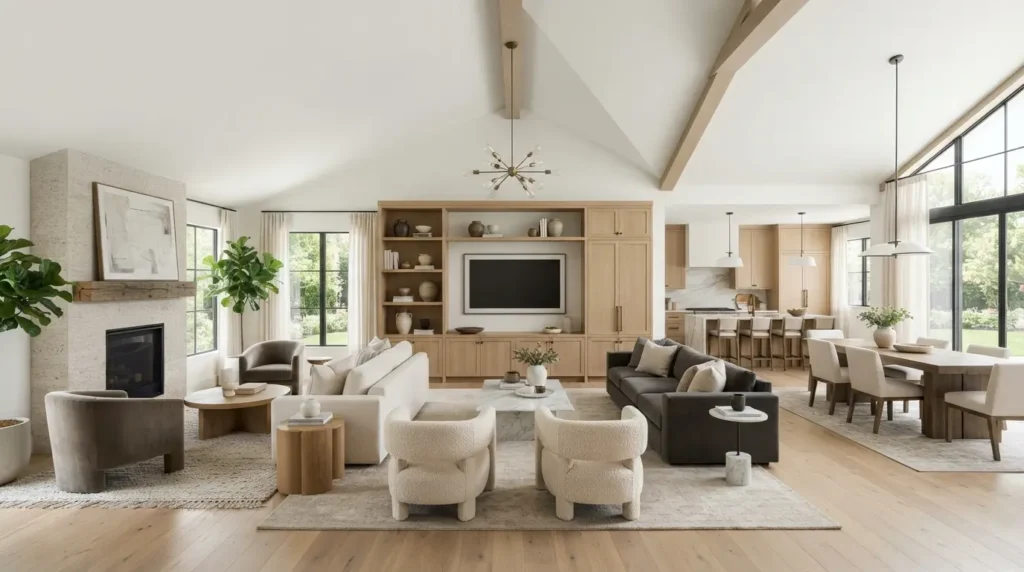
Getting the layout right is the single most important step in living room design. Even the most beautiful furniture will feel awkward in a poorly planned room.
The Classic Symmetrical Layout
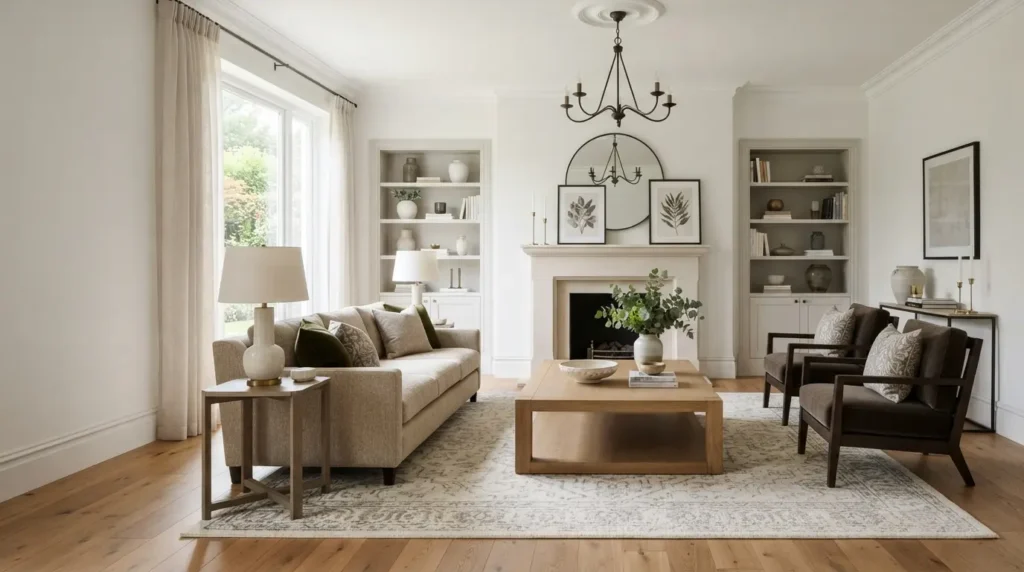
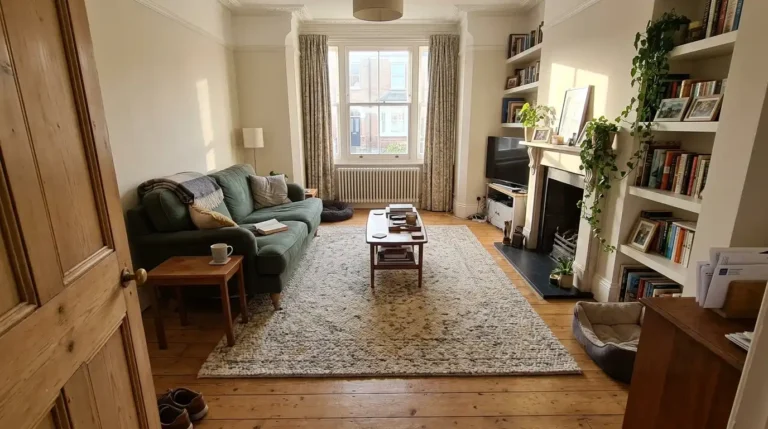
A sofa facing a focal point whether that is a fireplace, a media wall, or a feature wall with armchairs flanking either side is the most timeless arrangement. It creates a sense of balance and works particularly well in formal or traditional living rooms. A coffee table at the centre ties the seating together and provides a practical surface within easy reach.
The L-Shape Layout
For larger or open-plan spaces, an L-shaped corner sofa defines the living zone without the need for additional armchairs. Position the sofa with its back to the dining or kitchen area to create a natural visual divide. A large area rug anchors the furniture grouping and prevents the seating from floating aimlessly in the space.
The Conversation Layout
Rather than pointing everything at the television, a conversation layout arranges seating to face each other — two sofas opposite one another, or a sofa with two accent chairs at angles. This is ideal for entertaining and works beautifully in rooms where the TV is not the dominant focal point.
Zoning an Open Plan Living Room
Open plan living rooms require zoning to feel intentional rather than chaotic. Use a large rug to define the seating area, a change in flooring to signal the transition to a dining or kitchen zone, or a bookcase positioned as a subtle room divider. Pendant lighting hung low over a dining table also visually anchors each zone.
Living Room Colour Scheme Ideas

Colour is the quickest and most affordable way to transform a living room. The right shade can make a small room feel larger, a dark room feel cosier, or a plain space feel deeply personal.
Grey Living Room Ideas
Grey remains one of the most popular living room colours in the UK. Warm greys those with yellow or pink undertones create a cosy and sophisticated atmosphere. Cooler greys work better in rooms with good natural light. Pair grey walls with oak furniture, natural textures, and deep navy or forest green accents to avoid the space feeling cold or flat.
Green Living Room Ideas
Sage green, forest green, and olive are among the fastest-growing living room colour choices right now. Green connects a room to the natural world and works in almost every lighting condition. Sage green paired with warm neutrals and natural linen creates a calm, grounded atmosphere. Deeper shades like bottle green or forest green deliver a rich and dramatic result.
Navy and Dark Living Room Ideas
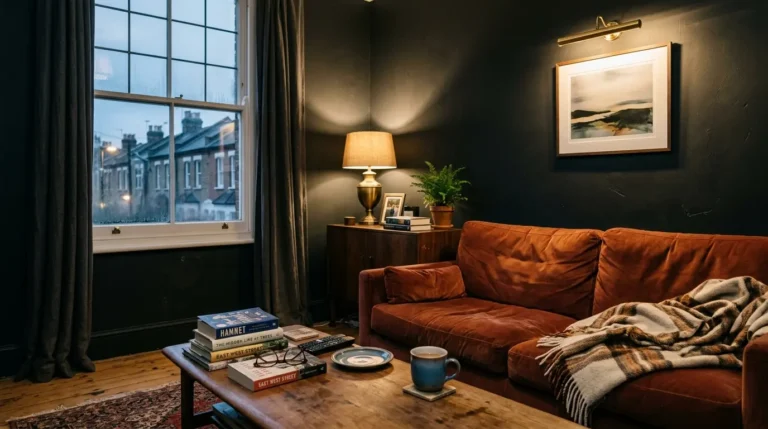
Dark colours in a living room are no longer something to fear. Navy blue, charcoal, deep teal, and even black create an intimate, cosy atmosphere particularly in rooms with limited natural light where bright colours can look washed out. Balance dark walls with warm lighting, light upholstery, and plenty of texture.
Neutral and Cream Living Room Ideas
Warm neutrals cream, off-white, greige, and soft stone never go out of style. They provide a calm and versatile backdrop that works with almost any furniture style. Layer different textures in a similar neutral palette linen, wool, cotton, jute to add depth without introducing colour.
Bold and Maximalist Colour
For those who want their living room to make a statement, bold colour combinations terracotta with olive, cobalt blue with warm cream, mustard with deep plum create spaces with genuine personality. The key is to commit: full commitment to a colour story, with accents, textiles, and art all working together, is what makes a maximalist living room feel intentional.
Living Room Furniture Ideas

Sofa Ideas
The sofa is the anchor of every living room. When choosing a sofa, prioritise quality of construction and fabric over trend. A well-made sofa in a classic silhouette a three-seater in a textured fabric or velvet will outlast four cheaper alternatives. Corner sofas work well in larger rooms and provide maximum seating. Sofa beds are a practical solution in smaller homes.
Coffee Table and Side Table Ideas
A coffee table defines the centre of your seating arrangement. Natural materials solid oak, reclaimed wood, marble, or travertine tend to age more gracefully than glass or painted finishes. Nest of tables offer flexibility in a smaller living room, allowing surfaces to appear when needed and tuck away when not.
TV Unit and Media Wall Ideas
The television is a practical reality in most living rooms. A low-profile TV unit in oak or painted MDF keeps things tidy and provides storage. Media walls a floor-to-ceiling built-in unit incorporating the TV, shelving, and often a fireplace have become one of the most searched living room features in the UK and offer a seamless, high-impact focal point.
Armchairs and Accent Seating
A living room with only a sofa can feel one-dimensional. An armchair in a contrasting fabric or colour velvet, boucle, or a patterned weave introduces personality and visual interest. Accent chairs do not need to match the sofa. A deliberate contrast in material, leg finish, or silhouette often looks more considered and intentional.
Sideboard and Storage Furniture
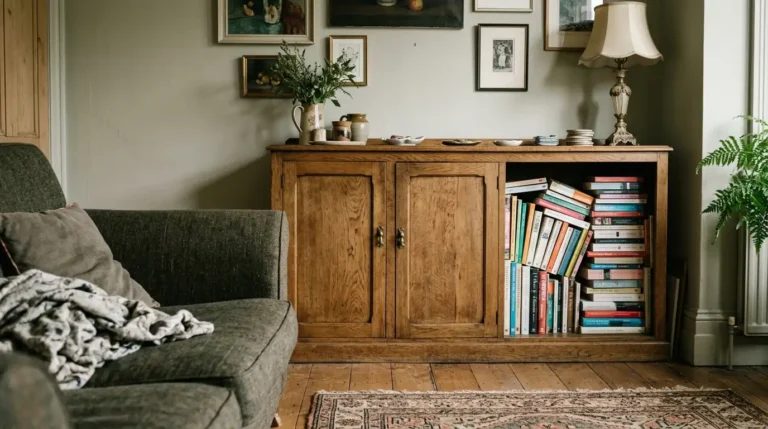
A sideboard against a wall provides essential storage and a surface for lamps, artwork, and decorative objects. Bookcases and open shelving units add character, warmth, and an opportunity to display books, plants, and personal objects.
Living Room Lighting Ideas

Lighting is the most frequently overlooked element of living room design and the one that makes the greatest difference to how a room feels in the evening.
A well-lit living room uses three layers of light: ambient, task, and accent.
Ambient lighting provides overall illumination a ceiling light, a large pendant, or recessed downlights. Avoid relying on a single overhead light source, as this creates a flat, unflattering atmosphere.
Task lighting serves a specific purpose a reading lamp beside an armchair, a table lamp on a sideboard. Floor lamps positioned in corners add warmth and fill areas that ceiling lights miss.
Accent lighting highlights specific features LED strip lighting behind a TV unit, a picture light above artwork, or uplighters beneath plants.
Warm-toned bulbs (2700K–3000K) create a relaxed, welcoming atmosphere. Dimmers on all circuits give you full control over mood.
Living Room Feature Wall Ideas

A feature wall creates a focal point and adds visual depth to a living room without requiring a full redecoration. The most popular living room feature wall options in the UK currently include:
• Bold paint — a single dark or contrasting wall behind the sofa or fireplace
• Wallpaper — a patterned, textured, or botanical design used on one wall
• Wall panelling — MDF, tongue and groove, or shiplap painted in a complementary colour
• Exposed brick or stone — particularly effective in period properties
• Slat wall or acoustic panels — increasingly popular for media walls
The chimney breast remains the most natural feature wall in a traditional British living room, whether used to frame a working fireplace, a gas fire, or a decorative display.
Living Room Flooring Ideas

The floor is the largest surface in the room and has a significant impact on warmth, acoustics, and overall aesthetic.
Hardwood and engineered wood flooring in oak remains the most popular choice in UK living rooms. It is durable, easy to clean, and works with almost every interior style. Herringbone and chevron patterns add a sense of luxury.
LVT (luxury vinyl tile) is increasingly the go-to choice for households with pets, children, or underfloor heating. Modern LVT convincingly replicates the look of wood or stone at a fraction of the cost.
Carpet continues to hold its place in British living rooms. A good-quality wool or wool-blend carpet adds warmth underfoot and helps with sound insulation.
A large area rug over hard flooring defines the seating zone, adds warmth and texture, and provides an opportunity to introduce colour or pattern without committing to a full flooring change.
Living Room Curtains and Window Dressing

Window dressing has a profound effect on how a living room feels. Curtains hung high and wide from just below the ceiling to the floor, and extending well beyond the window frame on each side make windows appear larger and rooms feel taller.
Linen curtains in a natural fabric suit relaxed, organic interiors. Velvet curtains add richness and insulation, ideal for older properties where draughts are a concern. Eyelet headings offer a contemporary, unfussy look. Pencil pleat headings are fuller and more traditional.
Roman blinds are a clean, tailored alternative to curtains and work particularly well in rooms where curtains might feel too heavy or where furniture sits close to the window.
Small Living Room Ideas

A small living room calls for deliberate decisions rather than compromise.
Choose a sofa that is proportionate to the room a compact two-seater or a small corner sofa rather than a sprawling three-piece suite. Opt for furniture with slim, elevated legs to create a sense of space beneath pieces. Use mirrors strategically: a large mirror on the wall opposite the window reflects natural light and makes the room feel considerably larger.
Light colours open a small room. Avoid too many small accessories that add visual noise. One large piece of art is more effective than a wall covered in small frames.
Wall-hung TV units and floating shelves free up floor space and make a small living room feel less crowded.
Living Room Style Guide
Scandi and Japandi Living Room
Scandinavian-inspired living rooms favour natural materials, neutral palettes, and deliberate simplicity. Japandi the popular fusion of Japanese and Scandinavian design layers this simplicity with warmth: aged oak, hand-thrown ceramics, natural linen, and a muted green or warm grey palette.
Maximalist Living Room
Maximalism is not the absence of restraint it is the deliberate use of more. Bold colour combinations, layered textiles, gallery walls, collected objects, and pattern-on-pattern are the hallmarks of a maximalist living room done well.
Traditional and Classic Living Room
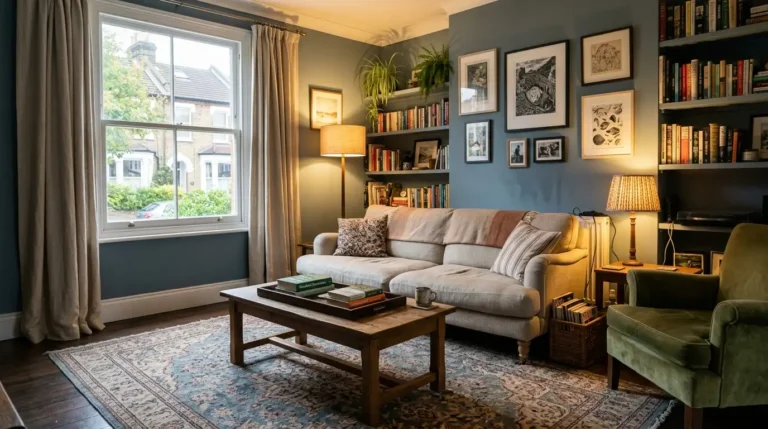
A traditional British living room leans into architectural detail: cornicing, picture rails, sash windows, a period fireplace. Colour palettes tend toward deep, rich shades navy, forest green, warm terracotta with furniture in classic silhouettes, patterned fabrics, and antique or vintage pieces.
Contemporary and Modern Living Room
Clean lines, a restrained palette, and a commitment to quality over quantity define the contemporary British living room. Handleless TV units, modular seating, statement pendant lights, and a single bold accent colour against a neutral base.
Living Room Decor and Styling Tips

The styling layer is what brings a living room to life and makes it feel finished.
• Layer your textiles — cushions and throws in varying textures (linen, velvet, knitted wool) add depth and warmth
• Use plants — a fiddle-leaf fig, an olive tree, or trailing pothos add life and colour
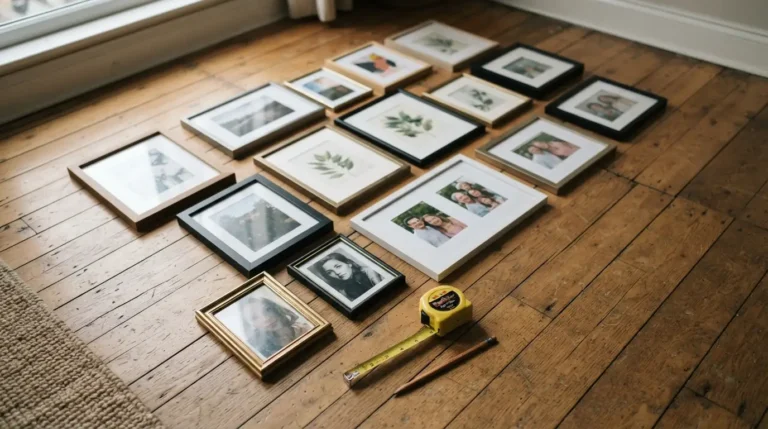
• Choose meaningful artwork — a large-scale piece or a curated gallery wall adds personality
• Edit rather than add — removing unnecessary items often makes a bigger impact than buying something new
• Style in odd numbers — three objects on a shelf or five candles on a mantelpiece look more natural than even groupings
• Mix old and new — a vintage lamp beside a modern sofa creates a layered, lived-in feel
Final Thoughts
Designing a living room that works for your life, reflects your personality, and stands the test of time is not about following trends it is about making considered, confident choices. Genzinterior.co.uk helps to start with the layout, get the colour right, invest in quality where it matters most (the sofa, the flooring, the lighting), and layer the personal touches last.
FAQs
What is the most popular living room colour in the UK in 2026?
Sage green, warm white, and soft greige are the most searched living room colours in 2026. Deep, dark shades navy blue and forest green are also increasingly popular for those looking to create a cosy, intimate atmosphere.
How do I make a small living room look bigger?
Use light colours on walls and ceilings, choose furniture with raised legs, hang curtains from ceiling height to the floor, add a large mirror opposite the window, and keep accessories minimal. A large rug that extends beneath the sofa also makes a room feel more expansive.
What size rug do I need for my living room?
In most living rooms, a rug should be large enough for at least the front legs of all furniture in the seating group to sit on it. As a general rule, a 200cm x 300cm rug suits a standard living room, while a 240cm x 340cm or larger rug works better in a more spacious space.
How many lights should a living room have?
A living room should have at least three light sources: an ambient source (ceiling light or pendant), task lighting (a floor lamp or table lamp), and accent lighting (additional lamps or LED strips). Multiple light sources at different heights create a warm, layered atmosphere.
Should living room curtains touch the floor?
Yes. floor-length curtains almost always look more elegant and intentional than those that hang to the sill. Curtains that just graze or gently pool on the floor are the most popular choice in UK interiors.
How do I choose a sofa for my living room?
Consider the size of your room first measure carefully and leave at least 90cm of walkway around the sofa. Choose a fabric based on your lifestyle (velvet for low-traffic rooms, a durable weave for households with children or pets). Prioritise frame quality and seat depth over price alone.
What is the best flooring for a living room in the UK?
Engineered oak is the most popular choice for UK living rooms, offering durability, warmth, and timeless appeal. LVT is the best choice for households with pets or underfloor heating. Carpet remains a strong choice for those who prioritise comfort and warmth underfoot.