7 Bedroom Lighting Ideas to Create the Perfect Atmosphere

Good bedroom lighting ideas make the difference between a room that feels restful and one that feels harsh or flat. In UK homes, where daylight varies so much through the year, the right mix of ambient, task and accent light keeps the space usable from early morning to late evening. Start with how you actually use the room rather than a single overhead fitting. Layering several sources gives you control over mood without relying on one bright ceiling light that can feel clinical. For more on planning the overall space, see how to plan the perfect bedroom layout.
1. Layered Ambient Lighting with a Dimmer
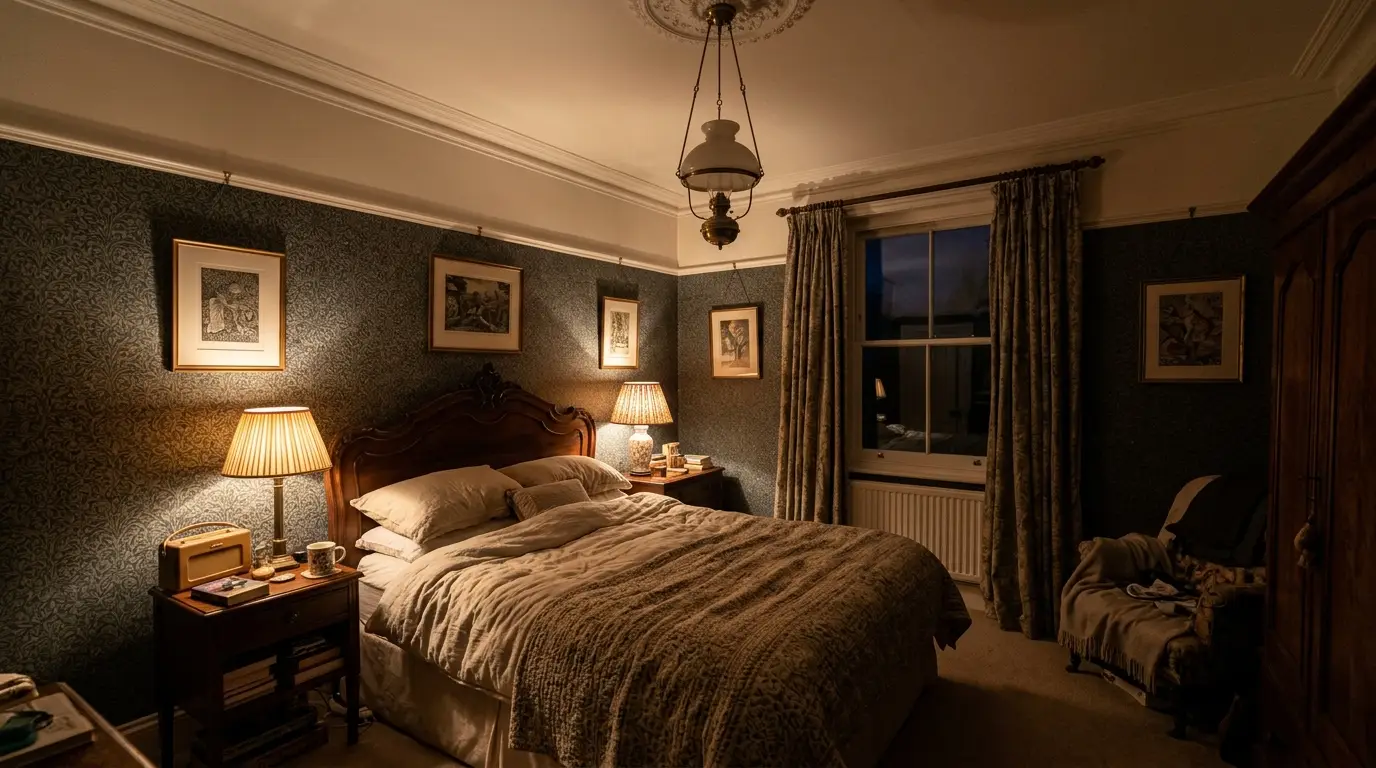
Ambient light forms the base of any bedroom lighting scheme. A central ceiling fitting on a dimmer lets you drop the level for evening reading or raise it for getting dressed. Choose a warm white LED in the 2700K to 3000K range so the light feels inviting rather than blue and cool. In a typical UK bedroom of around 3m by 3.5m, one well-placed fitting is often enough if it has a wide spread. Avoid cool white bulbs above 4000K as they can make the room feel less restful. Pair the ceiling light with wall lights or lamps so you are not stuck with a single source. Check the maximum wattage or lumen output recommended for the fitting before you buy replacement bulbs. Many people skip the dimmer and regret it later when the light is either too bright or too dim. Installing a dimmer is straightforward for most existing circuits, but check with a qualified electrician if you are unsure about the wiring in an older property.
Common mistakes include placing the fitting too close to a wall so one side of the room stays darker, or choosing a shade that throws light only downward. Measure the ceiling height; in rooms under 2.4m a flush or semi-flush fitting keeps the space feeling open. For guidance on related bedroom choices, look at how to decorate a bedroom from scratch.
2. Bedside Lamps for Practical Task Light
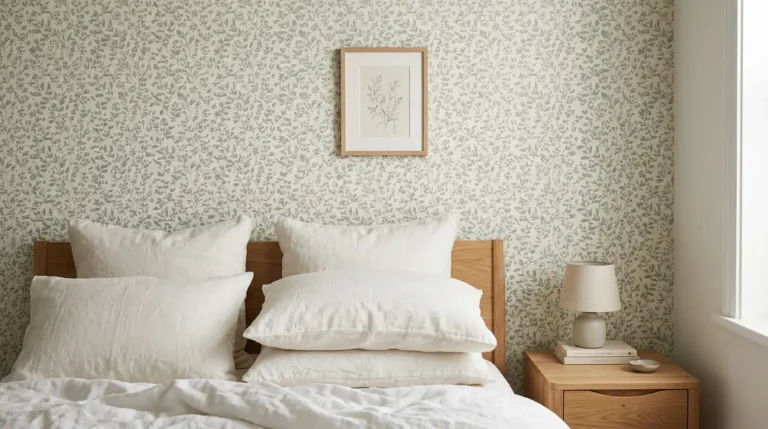
Bedside lamps are the most useful bedroom light ideas for daily routines. Place one on each side of the bed so both people can read or get up without waking the other. Aim for a height where the bottom of the shade sits roughly level with the top of the pillow when you are sitting up. This keeps glare out of your eyes. Table lamps with a warm bulb work well, or choose wall-mounted lights if you prefer clear bedside surfaces. In smaller bedrooms a single lamp on a shared table is fine, but check the cord length so it reaches a socket without trailing across the floor. UK standard bedside sockets are usually 30cm to 40cm above the floor; measure yours before ordering long-cord lamps. Many people buy lamps that look good in photos but sit too high or too low once they are next to the bed. Test the shade angle so light falls on the page rather than into your eyes.
Look for lamps with a switch that is easy to reach from bed. Touch or dimmable versions add flexibility without needing a separate remote. Materials such as ceramic or metal bases stay stable on smaller tables. Avoid very wide bases if your bedside table is under 40cm wide. For more storage ideas that free up surface space, see related bedroom layout advice on the site.
3. Wall Lights to Free Up Surfaces

Wall-mounted lights are a practical bedroom lighting inspiration when bedside tables are small or you want a cleaner look. Mount them at a height of about 1.4m to 1.6m from the floor so the light sits above pillow level. In a double bed room, space them evenly on either side of the headboard. Choose fittings with a directional shade or an adjustable arm so you can angle the light for reading. Hardwired versions look neater but require an electrician; plug-in versions with a cord can work if you hide the cable behind the bed. Check the wall construction; solid walls take standard fixings, while plasterboard needs suitable anchors. Many older UK homes have solid brick or block walls that make mounting straightforward once you locate the joists or use the right plugs. Measure the distance from the bed to the wall so the light does not hang over the pillow and create glare.
A common mistake is mounting the lights too high so the light misses the reading area, or too low so it shines directly into your eyes when lying down. Pair wall lights with a dimmer or a switch you can reach from bed. This approach also works well in box rooms where floor space is limited. See how to layer lighting in a bedroom for the perfect mood for more on combining sources.
4. Pendant Lights Over a Dressing Table
A pendant above a dressing table or vanity gives focused light for getting ready without relying on a ceiling fitting alone. Hang it so the bottom of the shade sits about 75cm to 90cm above the table surface, similar to the height used over dining tables. This keeps the light useful while leaving headroom. Choose a shade that directs light downward rather than one that is fully open and creates glare on mirrors. In UK bedrooms a single pendant is usually enough for a standard dressing table of 1m to 1.2m wide. Check the ceiling rose position; if it is not centred over the table you may need a longer cord or a different fitting. Measure the drop carefully so the pendant does not hang into the line of sight when you are seated. Many people hang pendants too low and then find they catch on hair or clothes.
Use a warm LED bulb so colours look natural when you apply make-up or choose clothes. If the table is against a wall, a wall light can serve the same purpose and leave the ceiling free. This idea works especially well in larger bedrooms or those with high ceilings. For colour choices that complement lighting, see related paint guides on the site.
5. Floor Lamps in Reading Corners
A floor lamp in a reading corner or next to an armchair adds a flexible bedroom light idea that you can move as the room layout changes. Choose a height of around 1.5m to 1.7m so the light sits above seated eye level. An adjustable head or a shade that points downward keeps the light on the page. In a typical UK bedroom you need at least 60cm of clear floor space around the base so the lamp does not become a trip hazard. Look for a stable base; heavier ceramic or metal bases stay put better than lightweight plastic. Check the cord length and route it along the wall or under a rug so it does not cross the main walkway. Many people place floor lamps too close to curtains or beds where the shade can overheat or the cord gets tangled.
A dimmable floor lamp lets you drop the level once you are settled. This works well alongside the main ceiling light so you can turn the overhead off and keep only the corner lit. For more on creating cosy spaces, see 7 cosy bedroom ideas for a warm UK retreat.
6. LED Strip Lighting for Soft Accent
LED strip lights hidden behind a headboard, under a shelf or along the top of a wardrobe give soft accent light without a visible fitting. Choose warm white strips in the 2700K range and check they are rated for indoor use. In a bedroom the strips should sit out of direct view so you see the glow rather than the diodes. Measure the run carefully and allow for the power supply and any connectors. Many UK homes use 12V or 24V strips that need a driver; confirm the driver size matches the length you plan to install. Stick the strips to a clean, dry surface and leave a small gap for airflow so they do not overheat. A common mistake is placing strips where they shine directly into your eyes when you are in bed, or using cool white strips that feel harsh at night.
Use a dimmer or a remote so you can lower the level easily. This type of lighting works well in smaller rooms where you want atmosphere without extra fittings taking up space. Always follow the manufacturer’s clearance advice around soft furnishings. For layout ideas that leave room for such details, see the bedroom layout guides on the site.
7. Smart Lighting for Easy Control
Smart bulbs or smart switches give you bedroom lighting ideas that change with the time of day without extra wiring. You can set a warmer tone in the evening and a brighter one in the morning, or schedule the lights to dim at a set time. In most UK homes a simple smart bulb in an existing fitting is enough to start. Check that the bulb fits the fitting and that the app works with your phone. Many systems need a stable Wi-Fi connection; test the signal in the bedroom before you commit. A common mistake is buying bulbs that only work with one brand of hub if you already have another system. Measure the existing lamp shade so the smart bulb is not taller than the shade allows.
Start with one or two bulbs rather than replacing every light at once. This keeps the cost down and lets you see how the control feels in daily use. Pair smart lighting with physical dimmers so you still have a simple switch if the app fails. For more practical bedroom advice, see related articles on cosy layouts and decoration.
Conclusion
The best bedroom lighting ideas combine several sources so you can change the atmosphere without being stuck with one harsh overhead light. Measure your room, check socket positions and ceiling height, and test warm white bulbs before you buy a full set. Layer ambient, task and accent light, and add dimmers where you can. Done this way the room stays practical for daily routines and restful in the evening. Review the layout and any existing fittings before you order so the lights fit the space you actually have.
FAQs
What is the best colour temperature for bedroom lighting?
Warm white between 2700K and 3000K works best for most bedrooms. It feels restful in the evening and still looks natural for getting dressed. Cooler bulbs above 4000K can make the room feel less inviting at night.
How high should bedside lamps sit?
The bottom of the shade should sit roughly level with the top of your pillow when you are sitting up in bed. This keeps the light on the page and out of your eyes. Measure from the mattress surface rather than the floor.
Do I need an electrician for wall lights?
Hardwired wall lights need a qualified electrician in most cases. Plug-in versions with a visible cord can be fitted yourself if the cord reaches a socket safely. Always check the wall type and use the correct fixings.
Can I use LED strips behind a headboard?
Yes, as long as the strips are rated for indoor use and sit out of direct view. Choose warm white and leave a small gap for airflow. Follow the manufacturer’s advice on maximum run length and driver size.
How many lights do I need in a small bedroom?
A dimmable ceiling light plus one or two bedside sources is usually enough. Add a floor lamp or strip only if you have a reading corner. Too many fittings can make a small room feel cluttered.
Should bedroom lights be on a dimmer?
Yes, a dimmer on the main ambient light makes the biggest difference. It lets you lower the level for evening without switching everything off. Most standard LED bulbs work with compatible dimmer switches.