
Dining Room Ideas: The Complete Guide to Designing Your Perfect Dining Space

The dining room occupies a unique position in the British home. It is a space that can feel simultaneously underused a formal room that sits empty for most of the week and deeply important, the place where family and friends gather for the meals and occasions that become the memories of a household. In an era when open-plan living has dissolved the boundaries between kitchen, dining, and living areas in millions of UK homes, the dining space whether a dedicated room or a zone within a larger open-plan layout has become more considered, more personal, and more deliberately designed than ever before.
This guide covers every element of dining room design in the UK from the dining table that anchors everything to the chairs that surround it, the lighting that sets the mood, the colour scheme that defines the atmosphere, and the storage, accessories, and styling details that make a dining room genuinely beautiful to spend time in.
What Makes a Great Dining Room?
A great dining room does one thing above all others: it makes people want to linger. The meal itself might last forty-five minutes, but a well-designed dining room encourages conversation, second helpings, another glass of wine, and the particular kind of unhurried time that defines good hospitality.
That quality comes from the sum of many small, considered decisions. A table large enough to feel generous. Chairs comfortable enough for a two-hour dinner. Lighting warm enough to be flattering. A colour scheme rich enough to feel special. A space organised enough to feel calm.
The best dining rooms in the UK are not the most formal or the most expensive. They are the most thoughtfully composed.
Dining Room Layout Ideas
The Dedicated Dining Room
A dedicated dining room a separate room used exclusively or primarily for eating offers the opportunity for a more dramatic, more deliberately atmospheric design than a dining zone within an open-plan space. It can absorb bolder colour choices, heavier curtains, more statement lighting, and a more theatrical quality of decoration without needing to harmonise with an adjoining kitchen or living room.
The Open Plan Kitchen and Dining Room
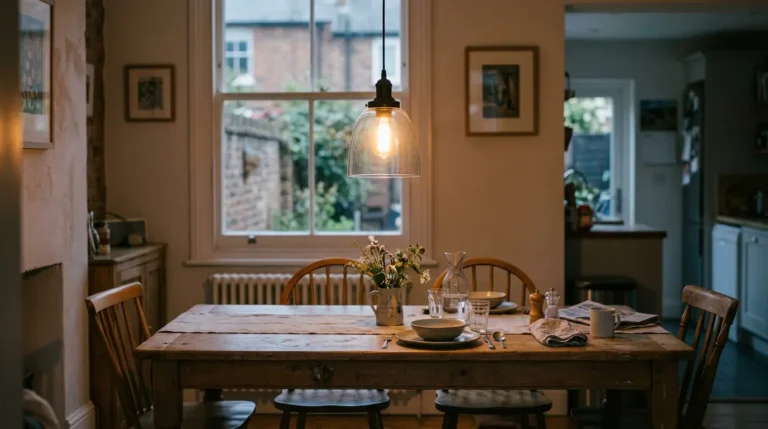
The open-plan kitchen diner is the dominant format for dining in new-build and recently renovated UK homes. The key design challenge is creating definition and separation between the cooking zone and the dining zone without erecting physical barriers. A change of flooring material, a pendant light hung low over the dining table, a different ceiling height, or a kitchen island between the two areas all create effective separation.
The Kitchen Diner
A kitchen diner a room combining kitchen and dining area in a single larger space — is the most common dining arrangement in UK homes. The dining table typically sits at the far end of the room from the cooking area. Choosing a dining table that complements the kitchen rather than competing with it in terms of material, colour, and scale is the most important design decision in a kitchen diner.
Circulation and Space Planning
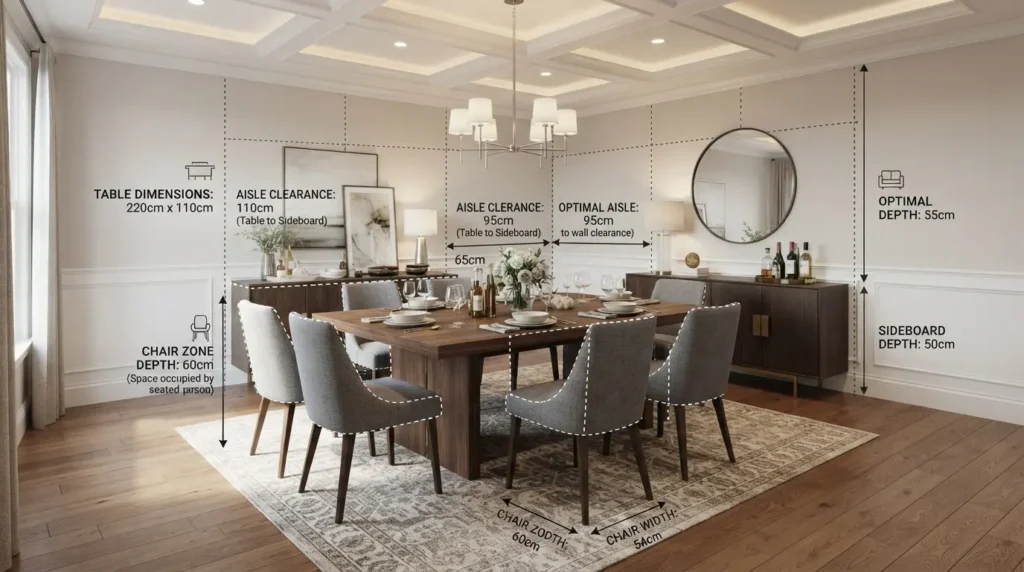
A dining room needs adequate space to function comfortably. Allow a minimum of 90 centimetres between the edge of the dining table and any wall or furniture behind the chairs enough to pull a chair back and stand up without colliding with the wall. 120 centimetres is more comfortable, particularly when the space behind a chair is a thoroughfare. These clearance requirements should inform the choice of table size before any other consideration.
Dining Table Ideas
Round Dining Table Ideas
A round dining table is the most sociable shape with no head of the table and no corners, every seat is equal and conversation flows naturally around the entire table. A round table also takes up less floor space for a given number of diners than a rectangular alternative and suits a square room particularly well.
Rectangular Dining Table Ideas
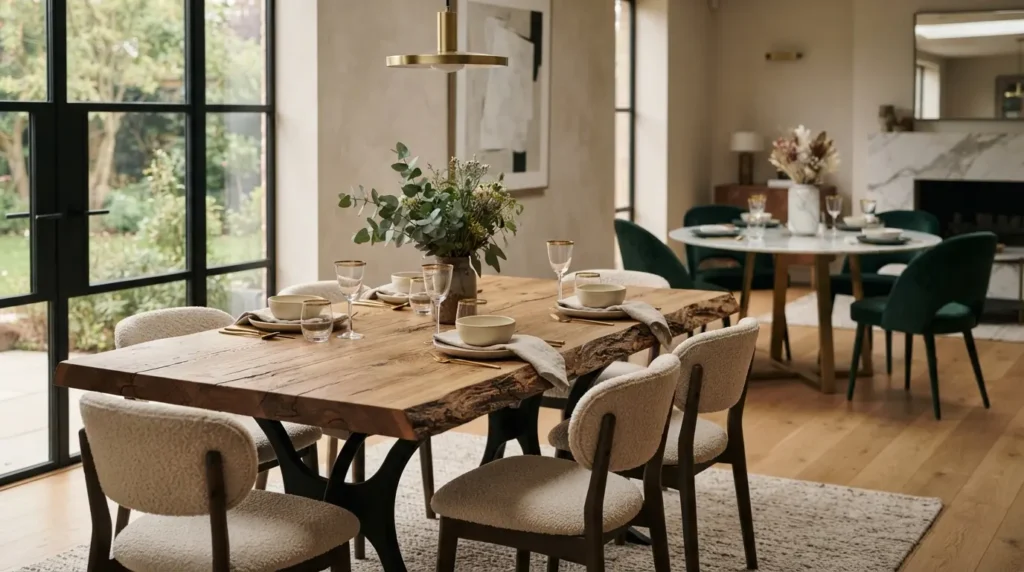
A rectangular dining table is the most versatile and most widely used shape in the UK and the obvious choice for a room that needs to seat varying numbers of people. An extendable rectangular table with a self-storing or add-in leaf is the most practical choice for a household that entertains regularly. When the leaf is removed, the table is compact enough for everyday family use; when extended, it comfortably accommodates a larger group.
Oak and Wooden Dining Table Ideas
A solid oak dining table is the most enduring and most widely chosen material for a dining table in the UK. Oak is durable, improves in character with age and use, and works with almost every chair style from traditional upholstered dining chairs to contemporary rattan or industrial metal. A solid oak table will outlast the trends that surrounded its purchase and develop a patina that makes it look better at thirty years old than it did when new.
Marble and Stone Dining Table Ideas
A marble or stone-top dining table makes an immediate and considerable statement. Marble is one of the most elegant dining table surfaces available, though it requires care it is porous and susceptible to staining from acidic substances. A marble-effect sintered stone or porcelain top provides the appearance of marble with considerably superior practical performance and is an increasingly popular choice in UK homes.
Extendable Dining Table Ideas
An extendable dining table is arguably the most practical furniture investment available to a UK household that entertains. A table that seats four for daily family meals but extends to seat eight, ten, or twelve for Christmas dinner or dinner parties eliminates the need to choose between a table that is too large for everyday use and one that is too small for hosting. Modern extendable tables are designed to look seamless when closed the extension mechanism is invisible and the table reads as a fixed piece.
Dining Chair Ideas
Upholstered Dining Chair Ideas
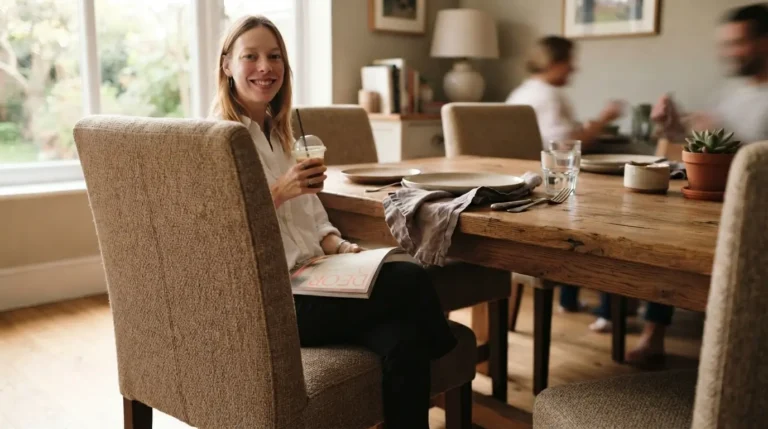
Upholstered dining chairs with a padded seat and back in fabric or leather are the most comfortable and most widely chosen dining chair in UK homes. They introduce softness, texture, and colour into a room that can otherwise feel dominated by hard surfaces. The choice of fabric matters enormously: a performance fabric resistant to staining is a wiser choice in a household with children than a delicate velvet.
Velvet Dining Chair Ideas
Velvet dining chairs are one of the most widely aspired-to furniture choices in UK dining rooms. Velvet catches the light beautifully, adds immediate luxury, and is available in the deep, jewel-toned colours that work so well in a dining room. Emerald green, burnt orange, deep navy, and rich teal velvet dining chairs are all widely used in UK dining rooms and work particularly well against a dark or bold feature wall.
Rattan and Natural Dining Chair Ideas
Rattan and woven dining chairs bring texture, warmth, and a relaxed quality to a dining space. They suit informal dining rooms, kitchen diners, and any setting where a casual, organic atmosphere is preferred to a more formal one. Rattan chairs pair particularly well with a wooden dining table and work within cottagecore, Scandi, Japandi, and boho dining room aesthetics.
Mismatched Dining Chair Ideas
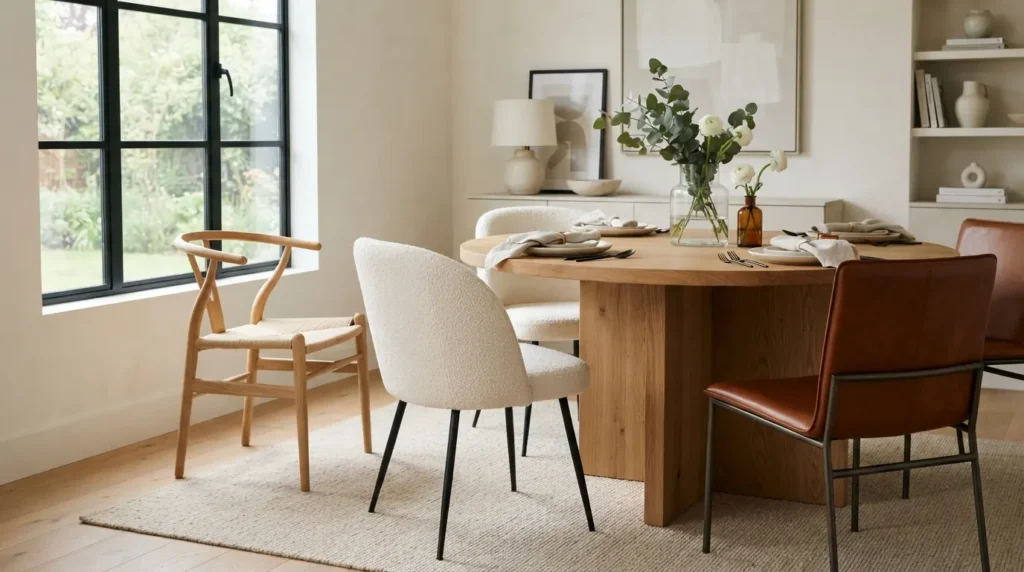
A deliberate mix of dining chairs around a single table different colours of the same chair, different styles in a coordinating material, or a combination of chairs and a bench — is one of the most creative expressions available in dining room design. The key to mismatched chairs that look intentional rather than accidental is a consistent element that unifies the different pieces: a consistent material, a consistent leg colour, or a consistent palette.
Dining Bench Ideas
A dining bench along one side of a dining table introduces a relaxed, informal quality that chairs alone rarely achieve. A bench also provides flexible seating that can accommodate varying numbers of people more easily than individual chairs. In a small dining room, a bench pushed against the wall takes up less floor space than individual chairs, which need room to be pulled out. A built-in banquette an upholstered bench built into a corner or alcove — is the most space-efficient and most architecturally integrated dining seating solution available.
Dining Room Lighting Ideas
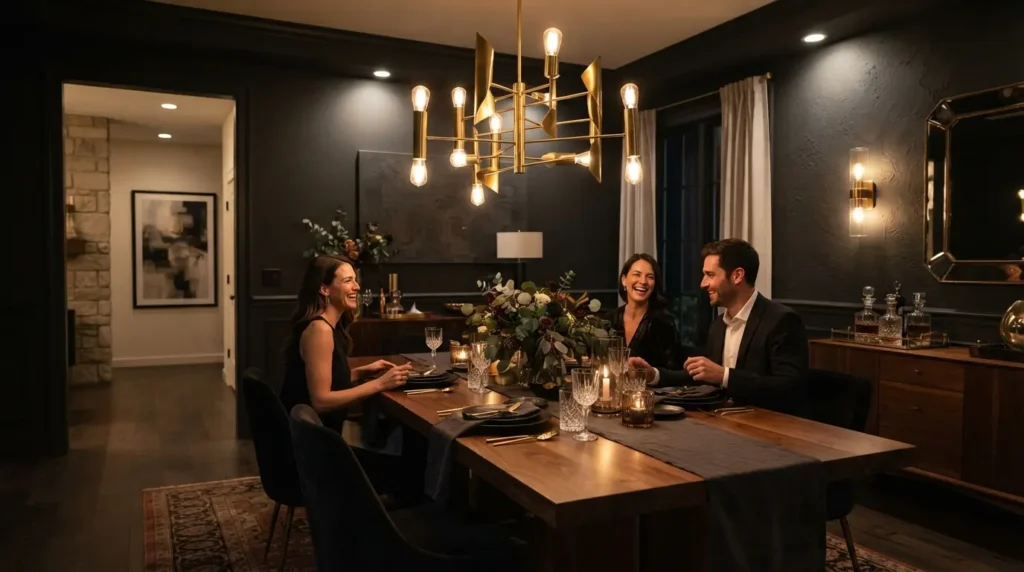
Lighting is perhaps the most important single element in creating a great dining room atmosphere and the most neglected in the UK homes that get dining room design wrong.
The light over the dining table is the centrepiece of the room’s lighting scheme. A pendant light or chandelier hung directly above the table at a height of approximately 75 to 90 centimetres above the table surface defines the dining zone, creates a focal point, and sets the tone for the entire room.
The most effective dining room lighting is warm in colour temperature (2700K), dimmable, and layered with additional light sources wall lights, a sideboard lamp, candles that support the central pendant and prevent the room from relying on a single overhead source.
Statement pendants and chandeliers carry additional decorative weight they are among the most visible fixtures in the room. A sculptural rattan pendant suits a natural, organic dining room. A brass and glass chandelier suits a formal or traditional space. A cluster of individual pendants at varying heights suits a contemporary or industrial room.
Dining Room Colour Scheme Ideas
Dark Dining Room Ideas
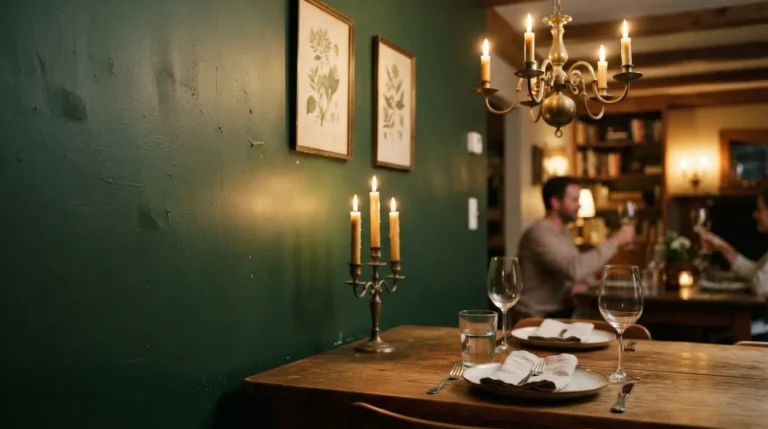
A dark dining room in deep navy, forest green, charcoal, or a rich dark terracotta creates an intimate, enclosed atmosphere that is particularly effective for evening dining. The enclosed quality of a dark colour makes a dining room feel like a distinct destination rather than a continuation of the rest of the house. Dark dining rooms almost always benefit from a bold pendant light and a light-coloured table the contrast between dark walls and a pale table surface is one of the most effective visual arrangements in interior design.
Green Dining Room Ideas
Green dining rooms from sage through to bottle green and deep forest are among the most widely used and most consistently beautiful colour choices for a UK dining room. Green creates a connection to nature that makes mealtimes feel more organic and more relaxed, and the range available from barely-there sage to deeply saturated bottle green means there is a shade that suits every dining room size, style, and light condition.
Navy and Blue Dining Room Ideas
Navy blue is one of the classic dining room colours in the UK rich enough to feel special, versatile enough to work with natural wood, brass, rattan, and white china, and timeless enough to avoid looking dated as trends change. A navy dining room with a warm oak dining table, brass pendant light, and linen or velvet dining chairs in a warm neutral is one of the most enduring and elegant dining room combinations available.
Neutral and Warm Dining Room Ideas
A warm neutral dining room in cream, warm white, soft greige, or pale terracotta creates a less dramatic but deeply welcoming atmosphere. Neutral dining rooms work particularly well in homes where the dining area connects to other spaces and needs to harmonise with a broader colour palette, and in rooms used during the day as well as the evening.
Dining Room Feature Wall and Wallpaper Ideas
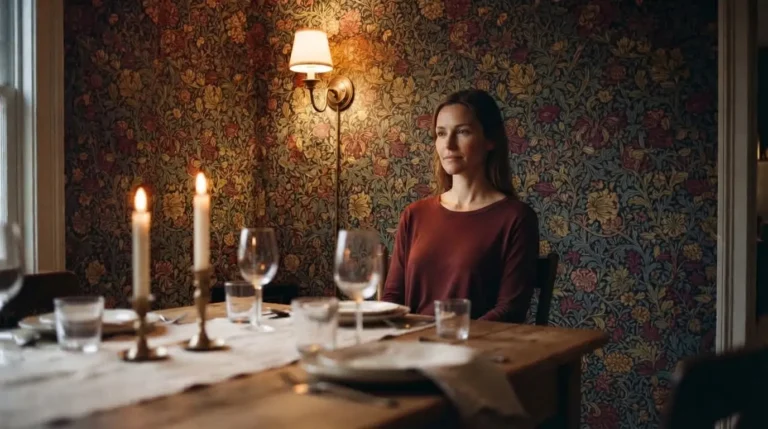
The dining room is one of the most natural rooms in the house for a bold feature wall or a dramatic wallpaper because it is used intermittently rather than constantly the visual intensity that might exhaust in a living room is entirely appropriate in a dining room visited primarily for shared meals.
A wallpapered dining room whether on a single feature wall or across all four walls creates a richness and sense of occasion that painted walls alone rarely achieve. Botanical and tropical wallpapers, large-scale geometric or abstract patterns, and dramatic scenic wallpapers all work beautifully in a dining room context.
Wall panelling in a dining room particularly dark-painted MDF frame panels on a single wall behind the dining table creates a formal, architectural backdrop that suits the dining room more naturally than any other room in the house. The combination of panelling below the dado rail and a bold paint colour or wallpaper above is one of the most classic dining room treatments in British interior design.
Dining Room Storage and Sideboard Ideas
A sideboard a long, low storage unit positioned against a wall is the most important piece of storage furniture in the dining room. It provides space for crockery, glassware, table linen, and serving pieces; a surface for a lamp, a vase, a centrepiece, and decorative objects; and it anchors the room visually, providing a horizontal element that balances the vertical weight of the dining chairs and table.
The choice of sideboard has a significant impact on the style of the dining room. A mid-century modern sideboard in walnut with tapered legs creates an entirely different atmosphere to a traditional painted dresser with glass-fronted upper cabinets displaying china, or a contemporary handleless sideboard in a matt lacquer finish.
A drinks cabinet or bar unit in a dining room particularly one that can be opened to reveal an organised and attractive interior when entertaining adds a quality of hospitality and theatrical generosity that a plain sideboard does not.
Small Dining Room Ideas
A small dining room calls for precision in furniture selection and the discipline to resist the temptation to fill every available space.
A round table is almost always the better choice in a small dining room it takes up less floor space for a given seating capacity and allows better circulation around it. Chairs without arms are essential arms add width and reduce the number of chairs that can be pushed in around a table when not in use. A bench along one wall replaces two or three individual chairs and can be pushed close to the wall when not in use, freeing up significant floor space.
Light colours, a large mirror, and the avoidance of large freestanding furniture all contribute to the perception of space in a small dining room. A wall-mounted sideboard or floating shelves replace a freestanding unit and free up floor space.
Open Plan Kitchen and Dining Ideas
In an open-plan kitchen and dining space, the dining area needs to feel defined and purposeful without being physically separated from the kitchen.
The most effective way to define the dining zone is a combination of a pendant light hung directly above the dining table which creates a strong visual anchor even when not switched on and a rug beneath the table that frames the dining furniture as a distinct arrangement within the larger floor area.
The dining table should sit far enough from the kitchen to feel like a different room within the same space typically at least three metres from the cooking area but close enough to make serving practical. A kitchen island positioned between the cooking zone and the dining area serves as both a physical and visual divider while maintaining the open-plan flow.
Dining Room Style Guide
Farmhouse and Rustic Dining Room Ideas
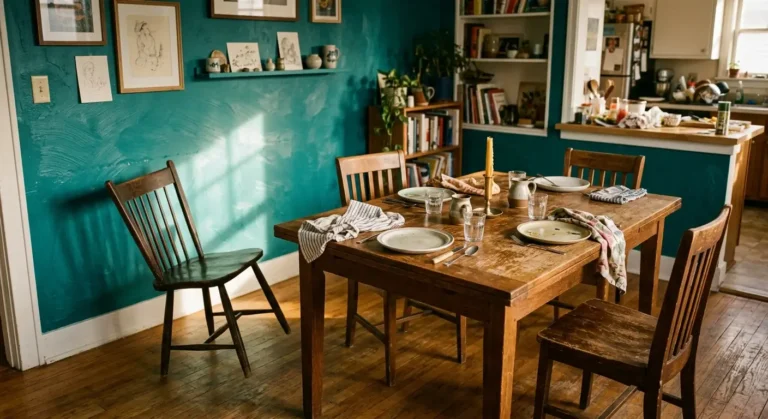
A farmhouse dining room is built around generosity a large, solid oak or pine table that has clearly been used and enjoyed, mismatched or bench seating, open shelving displaying everyday crockery, and a warm, unpretentious atmosphere. The farmhouse dining room is a room for living in, not admiring from a distance.
Formal and Traditional Dining Room Ideas
A formal dining room leans into ceremony and occasion. A large rectangular table with matching upholstered chairs, a chandelier, long curtains to the floor, a sideboard with china and silver displayed behind glass, and a rich, dark colour on the walls forest green, midnight blue, deep crimson creates the kind of room that feels genuinely different from the rest of the house.
Scandi and Japandi Dining Room Ideas
A Scandi or Japandi dining room is defined by restraint, quality, and the careful editing of everything unnecessary. A simple round or oval table in light oak, chairs with clean lines and natural upholstery, a single statement pendant in rattan or paper, and a pale tonal colour scheme create a dining room that feels calm, considered, and quietly beautiful.
Industrial Dining Room Ideas
An industrial dining room takes its inspiration from warehouses and workshops: a reclaimed wood or steel and wood dining table, metal-framed chairs, exposed brick or cement-effect walls, utilitarian pendant lights, and a dark, raw palette. It is a strong aesthetic that suits contemporary apartments and open-plan spaces particularly well.
Dining Room Decor and Table Setting Ideas
The final layer of a dining room the table setting, the centrepiece, the sideboard styling, the artwork is where personal taste expresses itself most freely.
A well-dressed dining table does not require elaborate preparation for every meal but the objects that sit on it permanently between uses matter. A low centrepiece a ceramic bowl of seasonal fruit, a cluster of candles, a simple vase of garden flowers gives the table a visual purpose even when no meal is being served.
Candles are the single most powerful tool in the dining room. Two or three pillar candles or a cluster of taper candles in candlesticks transform the atmosphere of a dining room more completely and more affordably than almost any other intervention. A dimmed pendant light and candlelight on the table creates the most flattering and most convivial dining atmosphere available in a domestic setting.
Final Thoughts
The dining room whether a dedicated room or a carefully considered zone within a larger space is one of the most rewarding rooms to design well in a UK home. It is a room used for the meals and occasions that matter most, and the quality of its design has a direct and daily impact on the quality of those moments.
Start with the dining table the right size, the right shape, the right material for your household and your lifestyle. Then the chairs. Then the lighting. Then the colour. Then the finishing details the sideboard, the artwork, the centerpiece, the curtains, the candles that make the room feel genuinely personal and complete.
FAQs
What size dining table do I need for my dining room?
Allow a minimum of 90 centimetres between the edge of the dining table and any wall or furniture behind the chairs. A dining table for four people typically measures between 120 and 140 centimetres long; for six people, 160 to 200 centimetres; for eight people, 200 to 240 centimetres. In a small dining room, a round table is more space-efficient than a rectangular one for a given seating capacity.
What shape dining table is best for a small dining room?
A round dining table is the most space-efficient and most sociable shape for a small dining room. It accommodates more people relative to its footprint than a rectangular table, requires less clearance for seating, and creates better flow around it. An extendable round table provides the flexibility of a larger seating capacity when needed.
How high should a pendant light hang over a dining table?
A pendant light or chandelier over a dining table should hang at approximately 75 to 90 centimetres above the table surface. This provides good illumination of the table without obstructing sightlines across it. In rooms with higher ceilings, the pendant can hang slightly higher; in rooms with lower ceilings, a flush or semi-flush fitting may be more appropriate.
What is the most popular dining room colour in the UK in 2026?
Deep, dark colours navy, forest green, charcoal, and rich terracotta are the most widely used and most aspired-to dining room colours in the UK in 2026. The dining room is one of the rooms in the house where dark, dramatic colour choices work best, because the intimate, enclosed atmosphere they create is perfectly suited to evening dining and entertaining.
Should dining chairs match the dining table?
Dining chairs do not need to match the dining table, and in many cases a deliberate contrast between the two is more interesting than a matching set. A light oak table with dark upholstered chairs, a marble table with rattan chairs, or a dark walnut table with painted wooden chairs in a contrasting colour all create more visual interest than a fully matching suite while still looking considered and intentional.
What is the best lighting for a dining room?
A pendant light or chandelier hung directly above the dining table is the most important light in a dining room. It should be warm in colour temperature (2700K), dimmable, and positioned at 75 to 90 centimetres above the table surface. Supplement the central pendant with wall lights, a sideboard lamp, or candles to prevent the room from feeling reliant on a single overhead source.
How do I make a small dining room feel bigger?
Choose a round table to maximise seating capacity relative to footprint. Use chairs without arms, which take up less space. Add a large mirror to reflect light and create the illusion of depth. Use a light, warm colour on the walls. Avoid large freestanding furniture a wall-mounted sideboard or floating shelves are more space-efficient than a floor-standing unit.