12 Grey Living Room Ideas for a Sleek and Modern Space

A grey living room works best when it’s built with more than one shade of grey and at least one warm material or accent colour to stop the space feeling flat. Grey remains one of the most requested living room colours because it’s genuinely versatile, but it’s also the easiest colour to get wrong if every surface in the room uses the exact same tone.
Most homeowners either play it too safe with a single flat grey across walls, sofa, and flooring, or worry that grey will make their living room feel cold and lifeless. Both outcomes come down to the same missing ingredient, which is contrast. This list covers twelve grey living room ideas that actually hold up in a real space, along with the undertone mistakes and cost details competitor lists tend to skip.
1. Light Grey Walls Paired with Warm Wood Tones
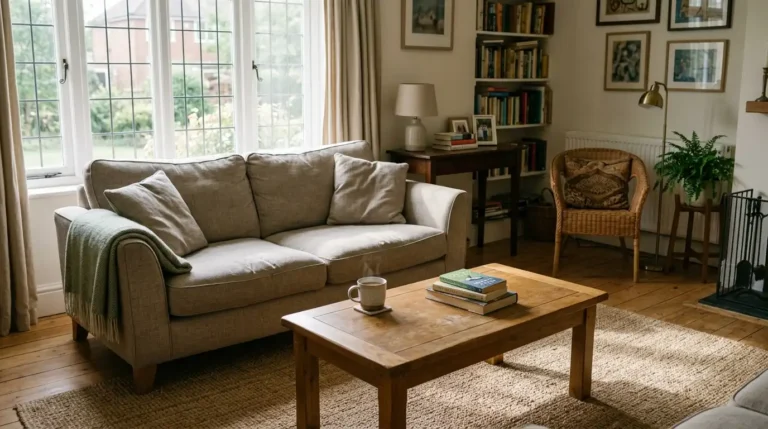
A light grey living room wall paired with warm oak or walnut furniture avoids the cold, clinical look that grey sometimes gets accused of, since the wood’s natural warmth balances grey’s cooler base tone.
This pairing works particularly well in rooms with limited natural light, since a pale grey wall reflects available daylight while the wood flooring or furniture stops the palette from feeling washed out. A light grey with a warm undertone, sometimes labelled as greige on paint charts, blends the two even more seamlessly than a pure cool grey would.
2. Charcoal Grey Feature Wall Behind the Sofa
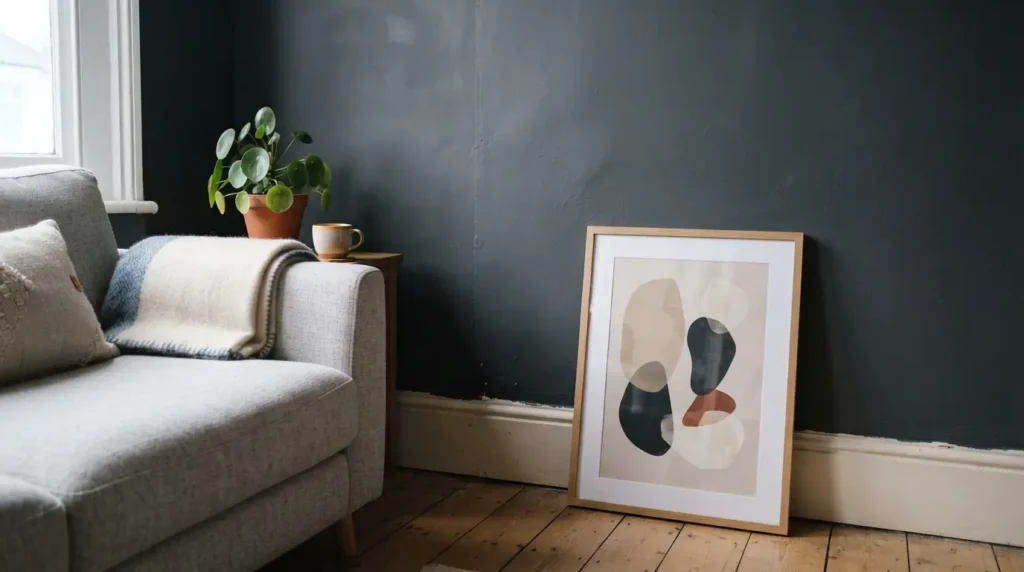
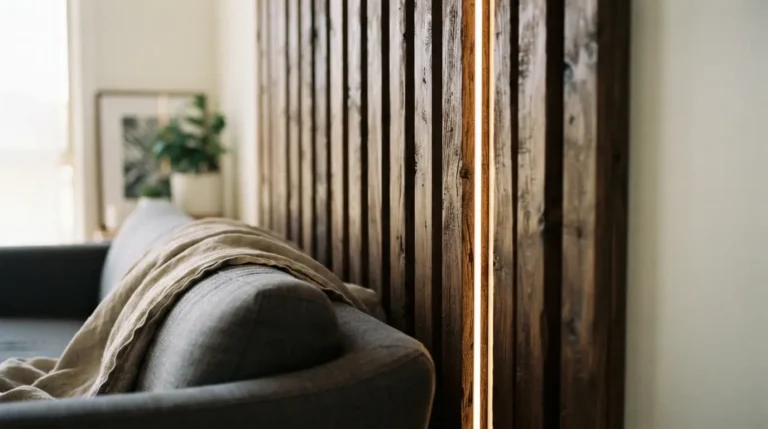
A charcoal grey feature wall behind the sofa or media unit gives a grey living room genuine depth and a clear focal point, without committing the whole room to a dark palette the way a full charcoal repaint would.
Charcoal reads considerably darker than most people expect once it’s on a full wall rather than a small paint chip, so testing a large sample directly on the wall matters more here than with lighter shades. Most homeowners find that pairing a charcoal feature wall with lighter grey or off-white on the remaining walls keeps the room from feeling boxed in, especially in living rooms without particularly high ceilings.
3. Two-Tone Grey and White Scheme
A two-tone grey and white living room scheme uses white on the ceiling, trim, and sometimes one wall, while grey covers the remaining walls and larger furniture pieces, creating natural contrast without introducing a third colour.
This is one of the more forgiving grey living room ideas for anyone nervous about committing to a full grey room, since the white breaks up the palette and keeps the space feeling brighter. A common approach is running white along the skirting boards, door frames, and ceiling coving while keeping the walls in a mid-tone grey, which also makes the woodwork easier to touch up later without repainting the whole room.
4. Grey Bouclé or Velvet Sofa as the Anchor Piece
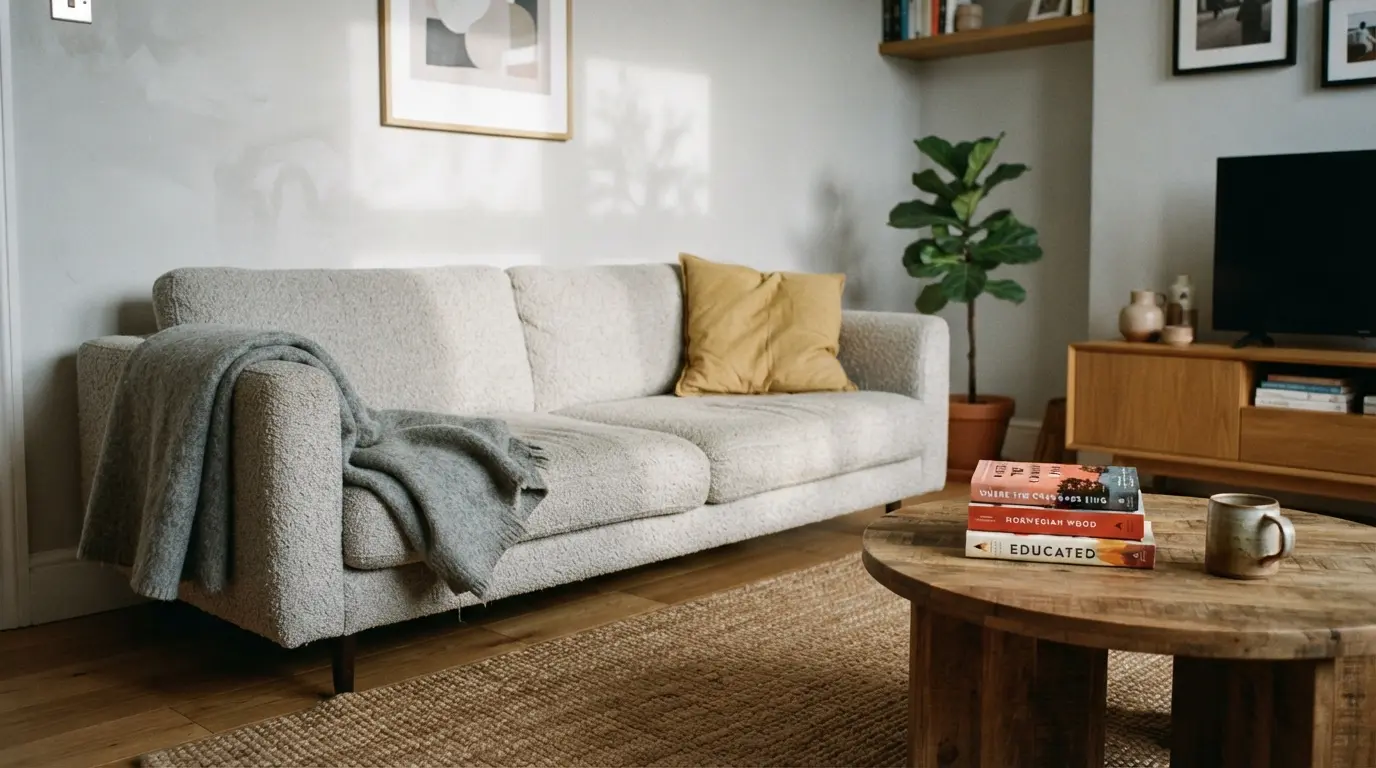
A grey sofa in bouclé or velvet gives a living room a strong tactile anchor piece, with texture doing most of the visual work rather than relying on wall colour alone to create interest.
Bouclé sofas typically run £800 to £2,500 depending on size and brand, while a comparable velvet sofa often sits in a similar range, with higher-end designer pieces well above that. Bouclé has a genuinely different maintenance reality worth knowing before buying. Its looped texture is prone to snagging from pet claws and sharp jewellery, while velvet shows pile marks and pressure lines more visibly than a flatter weave, though both can be brushed back into shape fairly easily. Neither fabric is the easiest to keep pristine with young children or pets in the house, so a performance fabric version is worth asking about if that’s a concern.
5. Layered Textures with Wool, Linen, and Sheepskin

Layering wool throws, linen cushions, and a sheepskin rug across a grey colour scheme living room stops the palette from feeling flat, since texture variation does as much visual work in a neutral room as colour contrast would.
This is one of the lowest-cost ways to improve a grey living room that already has its main furniture and paint in place, generally £100 to £300 for a genuine refresh across cushions, a throw, and a rug. A good rule of thumb is mixing at least three different textures within the same tonal grey family, since a room built entirely from smooth, similar-weight fabrics reads flatter than one mixing chunky knit, soft wool, and a flatter linen weave.
6. Grey with Mustard Yellow Accents
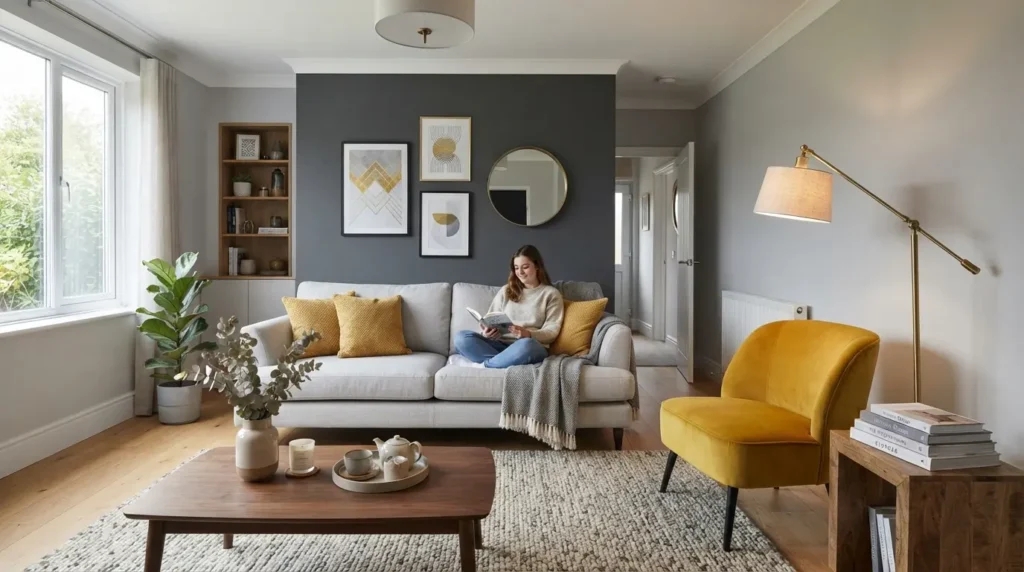
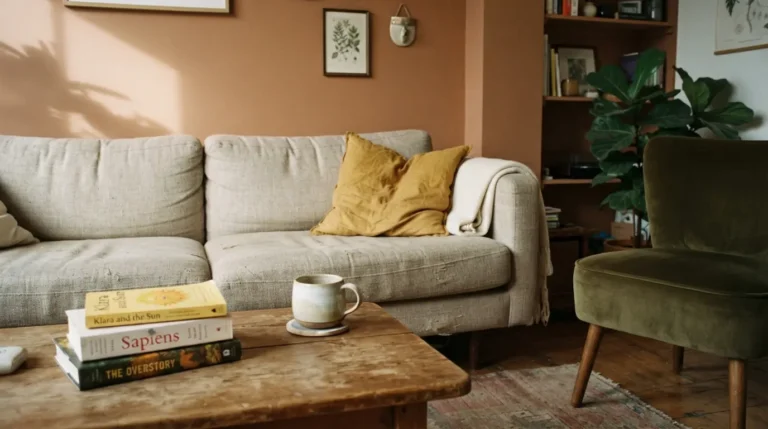
Pairing a grey colour scheme living room with mustard yellow accents through cushions, an accent chair, or artwork introduces warmth and energy into a palette that can otherwise feel muted on its own.
Mustard against grey has remained a popular combination because the two sit almost opposite each other in warmth without clashing the way a brighter yellow might. This works particularly well in light grey and mid grey rooms, where the mustard reads as a genuine pop of colour rather than getting lost against a darker charcoal base.
7. Grey with Blush Pink Accents
Blush pink accents against a grey living room create a softer, more romantic contrast than mustard or emerald, suiting living rooms that want warmth without a bold, saturated colour statement.
This pairing tends to work best in lighter grey rooms rather than charcoal ones, since blush can get visually lost against a very dark base. A blush accent chair, a set of cushions, or even a single piece of art is usually enough, since blush pink used too heavily across a room can tip the palette toward feeling more like a nursery than a living room.
8. Grey with Emerald Green Accents
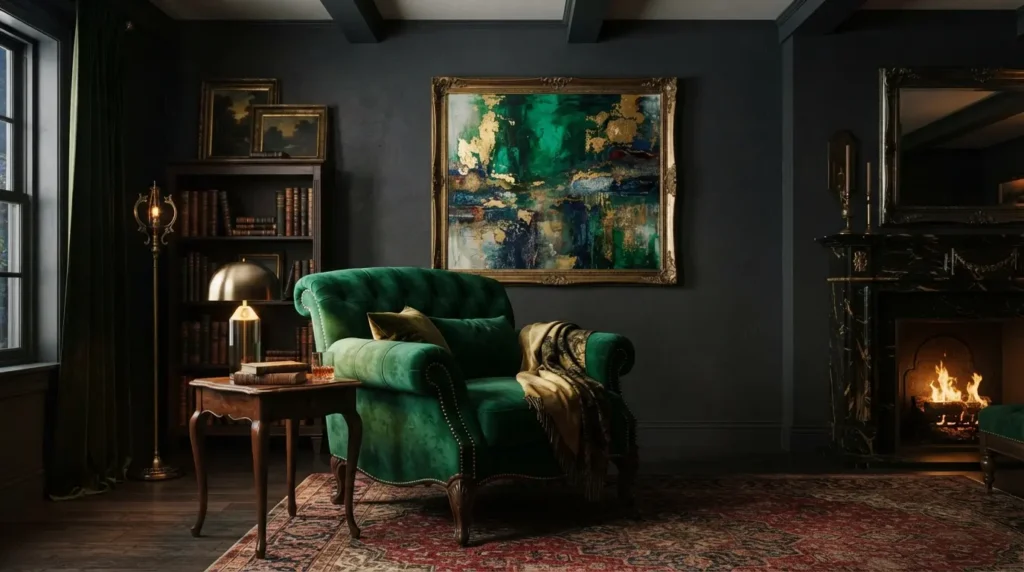
Emerald green against grey delivers a richer, more dramatic contrast than mustard or blush, suiting living rooms that lean toward a more formal or luxury aesthetic.
Emerald works particularly well against a mid to dark grey base, since the depth of both colours sits closer together than pairing emerald with a pale grey would. A velvet emerald accent chair or a set of deep green curtains against grey walls is one of the more striking combinations on this list, though it reads as a bolder, more committed choice than mustard or blush.
9. Grey Stone or Polished Concrete Fireplace Surround
A grey stone or polished concrete fireplace surround gives a grey living room a genuine architectural focal point, extending the palette’s material story beyond paint and fabric into something more permanent.
Grey stone veneer cladding typically costs £60 to £150 per square metre supplied and fitted, while a polished concrete surround runs higher, generally £150 to £300 per square metre once formwork and finishing are factored in, and needs a specialist to avoid cracking as it cures. This idea suits living rooms already leaning toward an industrial or contemporary aesthetic rather than a softer, more traditional grey scheme, since the material itself reads considerably cooler and harder than painted plaster.
10. Monochrome All-Grey Palette with Tonal Layering
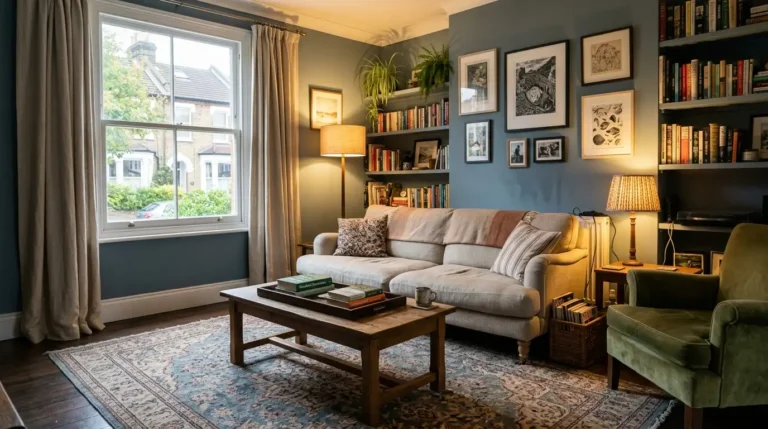
A monochrome grey living room uses several different shades and depths of grey across walls, furniture, and accessories rather than a single flat tone, relying entirely on tonal contrast and texture to create visual interest.
This is the most demanding grey living room idea to get right, since a monochrome scheme has no other colour to fall back on if the tones clash or sit too close together in depth. A good rule of thumb is choosing at least three distinct grey depths, a light wall, a mid-tone sofa, and a darker accent like cushions or curtains, so the eye has clear contrast to follow rather than a single wash of similar grey.
11. Grey Herringbone or Panelled Feature Wall
A grey panelled or herringbone-textured feature wall adds dimension to a grey living room without introducing a second colour, using shadow lines and pattern instead of contrast to create visual interest.
Board and batten panelling in grey typically costs £20 to £50 per square metre in materials for a DIY kit, with professional fitting adding £100 to £250 depending on wall length. Painting the panelling in the same grey as the surrounding wall, rather than a contrasting shade, keeps the look subtle and lets the shadow lines from the panelling do the visual work rather than a stark colour block.
12. Grey Flooring as the Base Layer
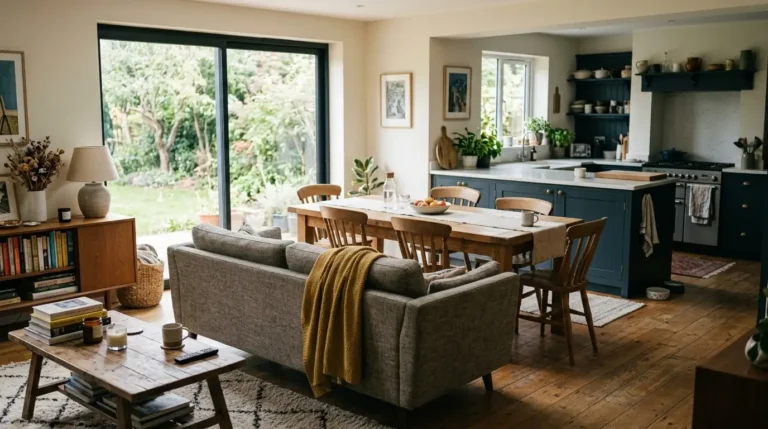
Grey flooring, whether polished concrete, grey-toned LVT, or a pale grey engineered wood, sets a cohesive base for the rest of a grey living room and works particularly well in open-plan spaces connecting to a kitchen or dining area.
Grey LVT flooring generally costs £25 to £50 per square metre supplied and fitted, a noticeably more affordable and lower-maintenance option than polished concrete, which runs £80 to £150 per square metre and needs professional pouring and sealing. A common mistake homeowners make is choosing a grey floor and grey walls with clashing undertones, one leaning warm and the other cool, which reads as an unintentional mismatch rather than a considered monochrome scheme once both are installed side by side.
Grey Living Room Cost Comparison
| Grey Living Room Idea | Approximate Cost | Typical Timeline |
| Textile refresh (cushions, throw, rug) | £100–£300 | Same day |
| Feature wall paint (charcoal or two-tone) | £30–£80 | 1 day |
| Board and batten grey panelling | £20–£50 per m² (materials) | 1–2 days |
| Grey LVT flooring | £25–£50 per m² fitted | 1–2 days |
| Grey bouclé or velvet sofa | £800–£2,500 | Delivery lead time varies |
| Grey stone cladding fireplace | £60–£150 per m² fitted | 2–3 days |
| Polished concrete flooring or surround | £80–£300 per m² fitted | 3–5 days |
These figures are approximate and vary significantly by country, local labour rates, and material quality, so treat them as a starting point for budgeting rather than a fixed quote.
Common Grey Living Room Mistakes to Avoid
The most common mistake is mixing warm grey and cool grey tones in the same room without noticing, since one grey with a blue or green undertone sitting next to another with a brown or violet undertone reads as mismatched even though both are technically grey. Holding paint and fabric swatches together in the room’s actual light before buying is the only reliable way to catch this before it becomes a full room of clashing tones.
The second frequent issue is relying on a single flat grey across walls, sofa, and flooring with no texture or tonal variation at all, which is what actually causes the cold, lifeless look people blame on the colour grey itself. The fix isn’t avoiding grey. It’s layering at least one warm material, whether that’s wood, a mustard cushion, or a wool throw, into the scheme so the room has genuine contrast to work with.
Conclusion
The best grey living room ideas all share the same principle, using more than one grey tone alongside genuine texture or a warm accent colour to keep the space from feeling cold. Whether you go for a soft two-tone scheme, a bold charcoal feature wall, or a fully monochrome palette, check your undertones carefully and layer in at least one warm material before calling the room finished. Grey living room ideas work because grey is flexible, not because it’s foolproof, so a little planning upfront saves a repaint down the line.
FAQs
Is grey a good colour for a living room?
Yes, grey remains one of the most versatile living room colours, working well with both warm and cool accent tones as long as the scheme includes some texture and tonal contrast rather than a single flat shade.
What colour goes well with a grey living room?
Mustard yellow, blush pink, and emerald green all pair well with grey, along with warm wood tones for a softer, more natural balance.
Is grey outdated for living rooms in 2026?
No, though the trend has shifted toward richer, warmer greys and pairing grey with bolder accent colours rather than using it as the sole colour throughout a room.
Does grey make a living room look bigger or smaller?
Light grey generally makes a room feel more open, while darker charcoal grey can make a room feel cosier and more enclosed, though a well-lit room can carry a darker grey without feeling smaller.
Should I choose a warm grey or cool grey for my living room?
Choose based on your room’s natural light and existing furniture, checking the paint’s undertone against your flooring and sofa to avoid a mismatched, clashing result.
What is the best grey for a living room with low natural light?
A warm-toned light grey, sometimes labelled greige, generally works best in low-light rooms, since it reflects available light without looking flat or overly cool.