How to Choose the Right Shutters for Your Home

Choosing shutters means matching the material, style and panel layout to the window size, the room’s humidity and the light control you need. A good choice lasts decades and operates smoothly; a poor one swells, sags or fails to give privacy. This guide covers the practical decisions UK homeowners face before ordering. Compare options with existing treatments such as roller blinds if you are still deciding between fabric and solid panels. Accurate measuring is non-negotiable.
Decide the Style First
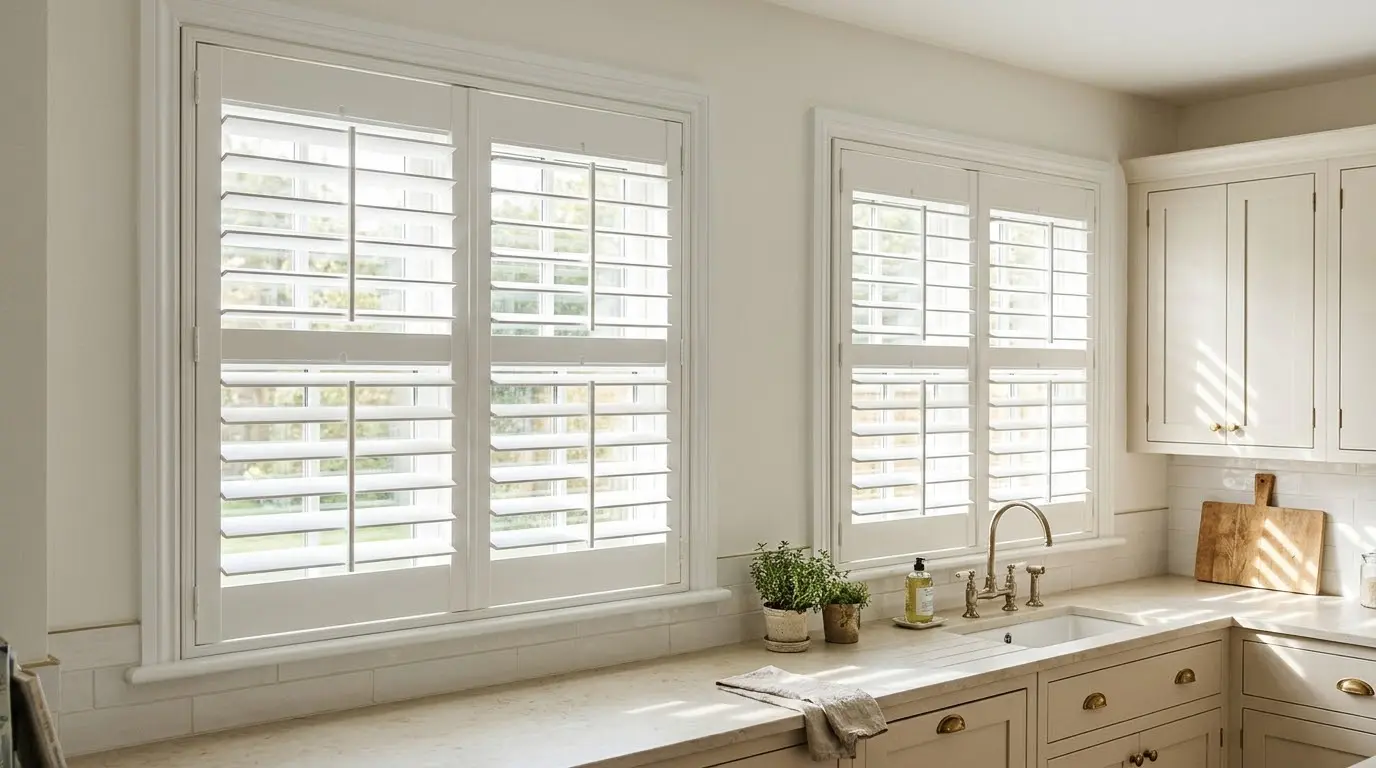
Full-height shutters cover the entire window and give maximum control over light and privacy. Café-style covers only the lower half and keeps the top open for light and views, which works well in living rooms where you want the upper glass free. Tier-on-tier lets you open the top and bottom independently so you can adjust for different times of day. Solid panels offer complete privacy when closed but block more light. Choose according to how the window is used and whether you want the upper glass free. On tall windows full-height can look heavy; café-style often feels lighter and more proportionate. Measure the opening and visualise the panel divisions before committing. The style also affects the cost because café-style uses less material than full-height on the same opening. Sketch the layout on paper or use the supplier’s visualisation tool if available.
Select the Material for the Room
Faux wood suits most UK rooms and handles kitchens and bathrooms without swelling. Hardwood looks natural in dry living rooms and bedrooms but should be avoided where steam is constant because it can warp over time. MDF is budget-friendly for dry rooms only and should never be used near moisture. ABS works in wet areas and is fully waterproof. Check the weight; heavier materials need stronger hinges and more substantial frames, which can affect the overall look. Request samples and place them against the wall colour and flooring in the actual room light to judge the true appearance. Confirm the warranty covers the finish in the chosen location and ask what maintenance is required. Material choice is the single biggest factor in longevity and is worth getting right at the start.
Louvre Width and Privacy
Narrower louvres (around 50–60 mm) give better privacy when closed because the gaps are smaller and views are more restricted. Wider louvres (80–100 mm+) open the view more when tilted and let more light through when open. Decide the privacy level you need for the room. Street-facing windows usually benefit from narrower louvres to prevent overlooking. Confirm the available widths with the supplier and ask to see samples in both open and closed positions so you understand the difference. The tilt mechanism should operate smoothly across the full range without sticking. Hidden tilt systems look cleaner but cost more and should be tested for ease of use. The louvre choice also affects the overall aesthetic of the window.
Measuring and Panel Layout

A professional survey is essential because windows are rarely perfectly square. The surveyor will measure each opening at multiple points and decide the number of panels so each panel stays within practical width limits for the material. On bays each face is treated separately and the frames are joined at the angles. Recess fit needs sufficient depth for the frame and hinges so panels open fully without hitting the glass or wall. Face fit is used for shallow reveals and provides a clean outer edge. Note any handles, locks or tiles that reduce clearance and plan the hinge positions accordingly. Ask for a drawing showing panel divisions and hinge positions before production starts. Incorrect panel layout is hard to correct once the shutters are made and can leave gaps or prevent full opening.
What to Check Before Ordering
Confirm the material is suitable for the room’s humidity and temperature range. Ask for the exact projection when panels are open so you know how much space they need. Check lead times and the returns policy on made-to-measure items; most are non-returnable once cut. Verify the quote includes survey, supply and fitting with no hidden extras. Request the warranty details in writing and understand what is covered. Make sure child-safe operation is considered if louvres are within reach of small children. Confirm colour matching if you want the frames to coordinate with existing woodwork or walls. Ask about aftercare and cleaning instructions. Finally, check previous installations or references from the company so you can see the quality of finished work.
Common Mistakes
Choosing the cheapest material for a wet room leads to early failure and the need to replace the shutters sooner than expected. Ignoring hinge clearance means panels do not open properly and can damage the frame or glass. Ordering without a survey risks poor fit on non-square windows and light gaps. Selecting the wrong louvre width for the privacy need means the closed position still allows views from outside. Forgetting to account for out-of-square openings leaves visible gaps. These errors are avoided by using a reputable supplier who surveys the property and provides clear technical information before you commit to the order.
Fitting and Aftercare
Professional fitting ensures the frames are square and the panels operate freely. The fitter will make final adjustments on site. Once fitted, wipe the shutters with a damp cloth; avoid harsh chemicals. Check hinges and tilt mechanisms periodically. Most warranties require normal domestic use and basic care. Keep the original survey notes in case of any future questions. Proper fitting and simple aftercare keep the shutters looking and working well for years.
Comparing Shutters with Other Treatments
Shutters cost more upfront than most blinds or curtains but last longer and need less replacement. They give better light control in many cases and do not collect dust in the same way fabric does. If you prefer the option to fully clear the window, a Roman or roller blind may suit better. Many UK homes use shutters on front-facing or feature windows and fabric treatments elsewhere. Consider the whole house scheme when deciding.
Conclusion
The right shutters start with the correct style and material for each room, followed by accurate measuring and a clear panel layout. Check clearances, warranty and suitability before ordering. A well-specified installation will give reliable light and privacy control for many years in a UK home without the need for frequent replacement.
FAQs
What is the best material for bathroom shutters?
Faux wood or ABS is recommended for bathrooms because these materials resist moisture. Avoid MDF and solid hardwood in steamy environments.
Do I need a survey before ordering shutters?
Yes. A professional survey ensures accurate measurements and accounts for out-of-square windows, which is essential for a good fit.
Can shutters be fitted in a bay window?
Yes. Each face is measured separately and the frames are joined at the angles. Confirm the panel layout with the surveyor.