Garden & Lawn Ideas: The Complete Guide to Designing Your Perfect Outdoor Space

The garden is one of the most underused and most undervalued spaces in a British home. We design the inside of our homes with care and intention, and then leave the outside to manage itself a patch of tired lawn, an inherited fence, a border that has never quite come together. Yet a well-designed garden adds as much to the quality of daily life as any room in the house. It extends your living space, provides a refuge from screens and noise, gives you something to tend and watch grow, and adds genuine value to your property.
This guide covers everything you need to know about garden design and lawn care in the UK from layout, planting, and lawn maintenance to patios, decking, lighting, fencing, and the features and structures that transform an outdoor space into an outdoor room.
What Makes a Great Garden?
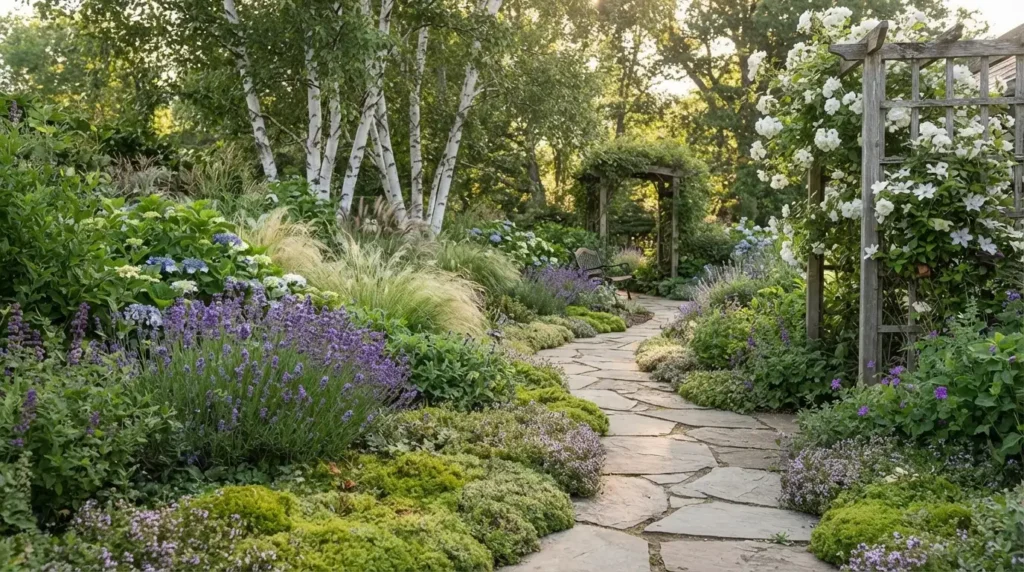
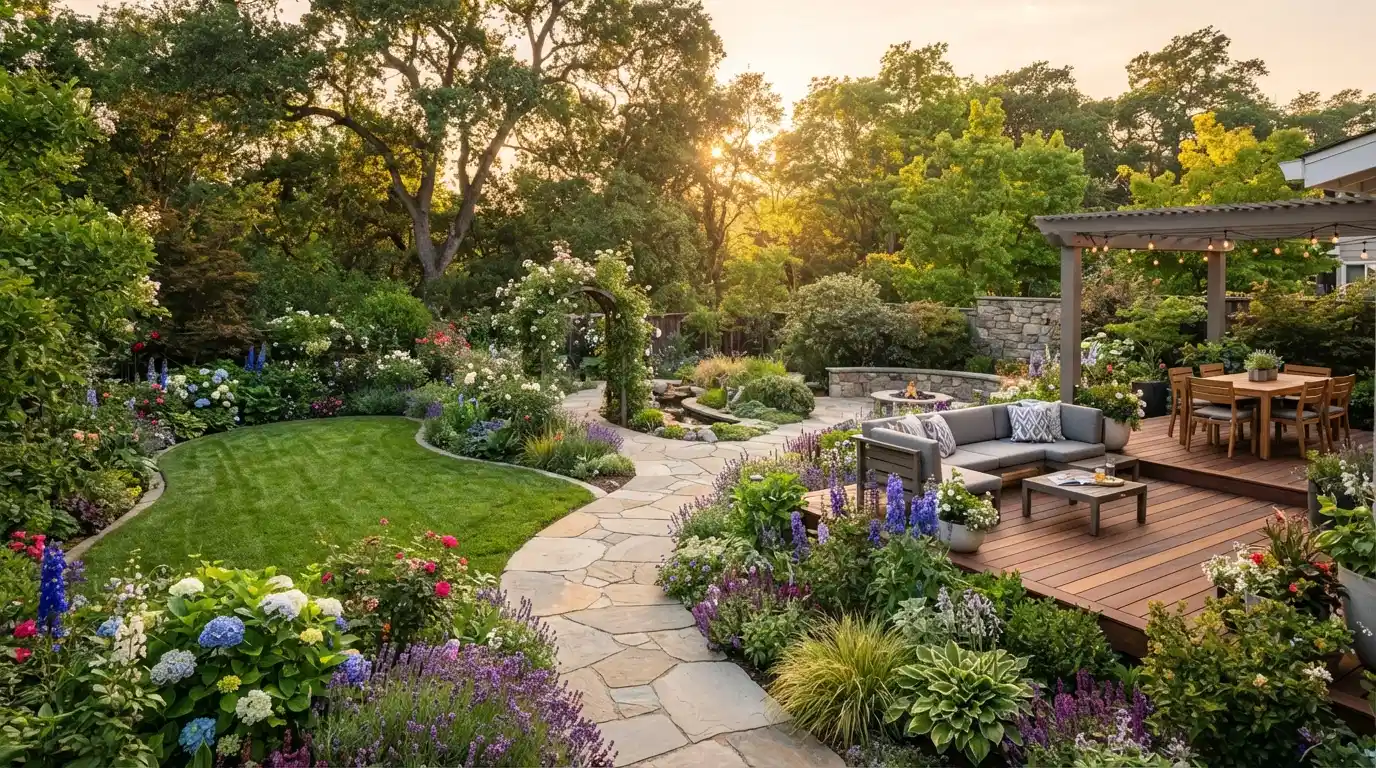
A great garden works on three levels: it is beautiful to look at, functional to use, and manageable to maintain. The best garden design begins not with what you want your garden to look like but with how you want to use it. Do you want somewhere to sit and eat outside? Somewhere for children to play? A productive kitchen garden? A haven for wildlife? A low-maintenance space that looks good year-round?
The best gardens in the UK are designed for how people actually live in them not for the sake of appearing impressive from the outside.
Garden Layout and Design Ideas
Garden layout is about creating structure, defining zones, and establishing the bones of the space before any planting or surfacing decisions are made.
The Formal Garden Layout
A formal garden is defined by symmetry, structure, and the repetition of geometric shapes. Clipped hedges, straight paths, topiary, and planting arranged in mirror-image borders create a sense of order and permanence. Formal gardens work particularly well with period properties and in gardens viewed primarily from the house.
The Informal Cottage Garden Layout
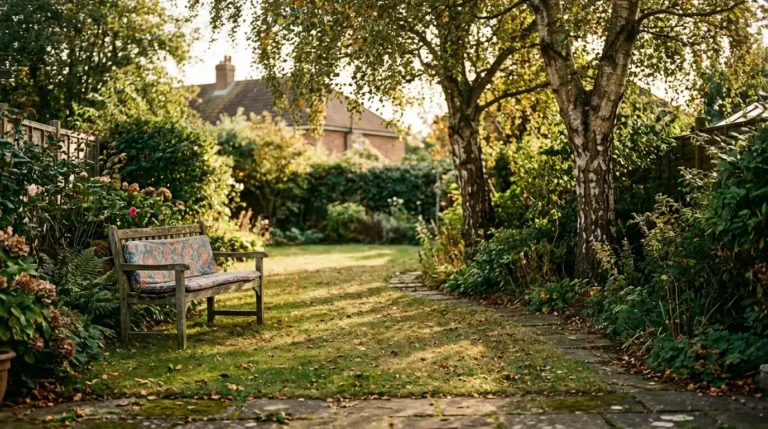
An informal garden layout abandons symmetry in favour of flowing curves, relaxed planting, and a sense of controlled wildness. Curved lawn edges, winding paths, mixed planting borders, and climbing plants on walls and structures create a garden that feels as though it has evolved naturally rather than been imposed from a plan.
The Contemporary Garden Layout
A contemporary garden uses clean lines, strong geometric shapes, and a limited palette of materials and plants to create an outdoor space that reflects the same values as a modern interior. Rectangular lawns, linear planting beds, repeating plant groupings, and carefully chosen hard landscaping materials porcelain paving, steel edging, rendered walls are the defining features.
Zoning a Garden
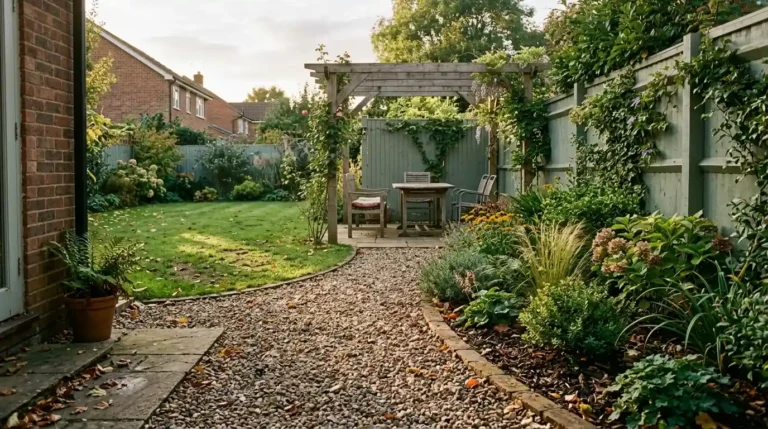
Most gardens benefit from being divided into at least two zones a seating and entertaining area close to the house, and a more planted or productive zone further away. A pergola, a change of surface material, a low hedge, or simply a path creates the sense of progression and discovery that makes a garden genuinely interesting to spend time in.
Lawn Care and Grass Ideas
The lawn is the central element of most British gardens a canvas that holds everything else together and provides the visual space that makes the rest of the garden feel generous.
How to Care for a Lawn Year-Round
A healthy, green lawn requires four things: regular mowing, occasional feeding, adequate watering in dry periods, and periodic aeration and scarification to prevent the build-up of thatch and moss. Mowing once a week during the growing season with the blades set at no less than 3cm is the single most important factor in maintaining lawn health.
An autumn lawn feed high in potassium and low in nitrogen prepares the lawn for winter. A spring feed encourages fresh, green growth. Aeration, carried out in autumn by pushing a garden fork into the lawn at intervals, improves drainage and reduces compaction.
How to Repair a Patchy or Worn Lawn
Bare patches in a lawn can be repaired by raking away dead material, loosening the soil, overseeding with a suitable grass seed mix, and keeping the area consistently moist until germination. Patch repair is best carried out in early autumn or mid-spring when soil temperatures encourage germination.
Artificial Grass Ideas
Artificial grass has become an increasingly accepted choice in UK gardens where a traditional lawn is impractical particularly in small urban gardens, shaded areas, households with dogs, and gardens used primarily for children’s play. Modern artificial grass is considerably more realistic and durable than earlier alternatives.
Wildflower Lawn and Meadow Ideas
A wildflower meadow or even a small wildflower patch within an existing lawn is one of the most impactful steps a UK homeowner can take for garden biodiversity. Mowing less frequently and cutting the grass in autumn rather than spring gives wild plants and insects the space they need to thrive. The No Mow May movement has introduced millions of UK homeowners to the idea that a less immaculate lawn is a more ecologically valuable one.
Patio and Decking Ideas
The patio or decking area is the outdoor equivalent of the living room the zone where you will spend the most time, entertain guests, and make the greatest practical use of your garden.
Patio Paving Ideas
The material you choose for your patio sets the aesthetic tone of the entire garden. Natural stone Indian sandstone, slate, limestone, and granite provides a beautiful, unique appearance that improves with age. Porcelain paving large-format, frost-resistant tiles is the fastest-growing patio material in the UK. It is non-porous, easy to clean, resistant to algae and staining, and available in a vast range of colours and finishes that convincingly replicate natural stone.
Garden Decking Ideas
Timber decking creates a warm, natural outdoor surface that connects a garden to the interior of the house. Composite decking made from a combination of wood fibre and recycled plastic requires minimal maintenance, does not split or splinter, and is available in a wide range of colours and grain effects. It is more expensive than softwood decking but delivers a better long-term result with considerably less effort.
Small Patio Ideas
In a small garden, the patio often occupies a significant proportion of the total outdoor space. A large-format paving slab used even in a small space reduces visual fragmentation and makes the patio feel more generous. Planting directly in the paving through joints filled with creeping thyme or chamomile softens the hard surface and creates a beautiful transition between patio and planting.
Garden Planting and Border Ideas
Planting is the most complex and most rewarding aspect of garden design and the area where most garden owners in the UK feel least confident.
How to Design a Garden Border
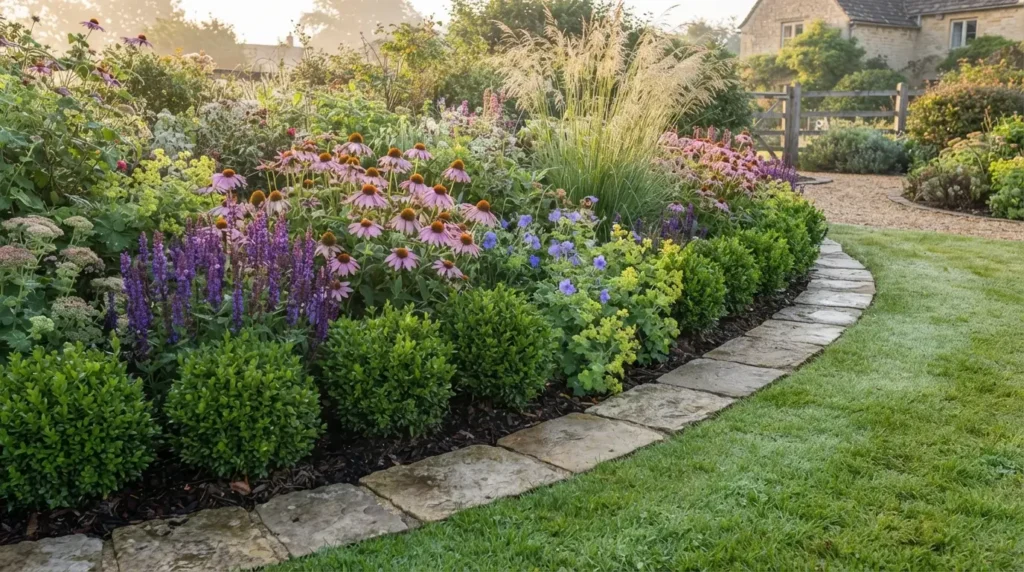
A well-designed border has structure, seasonal interest, and a coherent colour palette. Structure comes from evergreen shrubs and grasses that look good year-round. Seasonal interest comes from bulbs in spring, perennials in summer, late-flowering plants in autumn, and berried shrubs in winter. A coherent colour palette whether a calm all-white scheme, warm reds and oranges, or cool purples and blues makes a border look considered rather than random.
Cottage Garden Planting Ideas
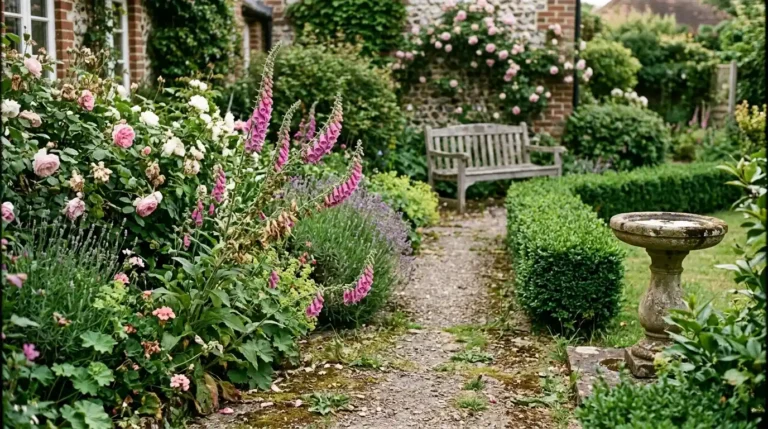
The cottage garden style with its mix of climbing roses, foxgloves, delphiniums, sweet peas, lavender, and geraniums is the most beloved planting tradition in the UK and one of the most forgiving for beginner gardeners. It tolerates imperfect soil, rewards experimentation, and looks more natural as plants self-seed and drift across the border over the years.
Low Maintenance Planting Ideas
A low-maintenance garden is not a garden without plants it is a garden planted with the right plants in the right place. Drought-tolerant perennials salvias, sedums, echinaceas, ornamental grasses require minimal watering and virtually no staking or deadheading once established. Ground-cover plants suppress weeds and reduce the need for mulching.
Climbing Plant Ideas
Climbing plants are among the most useful in any garden. They provide privacy and screening, add vertical interest to flat boundary fences and walls, and attract wildlife. Clematis, climbing roses, wisteria, jasmine, and Virginia creeper are all well suited to UK gardens and will clothe a bare fence or wall within a few growing seasons.
Garden Furniture and Outdoor Living Ideas
Garden furniture has transformed in the past decade from a plastic table and a few fold-out chairs to considered, all-weather sofas, dining sets, and accessories that make the garden as inviting as any interior.
Garden Sofa and Lounge Set Ideas
An outdoor sofa or lounge set with deep cushions, a coffee table, and enough seating for the household and guests turns the garden into a genuine outdoor room. Rattan and wicker sets are the most popular choice in UK gardens for their appearance and weather resistance. Aluminium-framed sets with quick-dry foam cushions are the most practically durable choice for the British climate.
Garden Dining Set Ideas
A garden dining table and chairs extends the kitchen or dining room outside and is one of the most used pieces of garden furniture in a UK household. A round table encourages conversation and suits a smaller terrace; a rectangular table seats more people and suits a larger garden. Choose a material that does not require cushion storage in winter powder-coated aluminium or teak if practical convenience matters most.
Garden BBQ and Fire Pit Ideas
A fire pit extends the usable season of an outdoor space into the autumn evenings and provides a natural social focal point. Steel fire pits are the most affordable option; cast iron retains heat better. An outdoor kitchen with a built-in grill, a preparation surface, and storage is the most aspirational outdoor living addition and one that genuinely changes how a household uses its garden.
Garden Lighting Ideas
Thoughtfully placed garden lighting transforms an outdoor space from somewhere used only in daylight to one that can be enjoyed through the evening.
Solar-powered garden lights are the simplest and most affordable option no wiring, no installation cost, and easily repositioned. Low-voltage cable lighting a system of 12-volt fittings connected to a transformer is more reliable and the preferred choice for a permanent, designed lighting scheme.
Path and border lights provide safe illumination and make the garden usable at night. Uplighters positioned at the base of trees or garden walls create dramatic, atmospheric light from below. String lights and fairy lights draped over a pergola, garden fence, or outdoor dining area add warmth and festivity to any outdoor space.
Garden Fencing and Privacy Ideas
Privacy is one of the most frequently cited priorities in UK garden design particularly in urban and suburban gardens where neighbours and overlooking properties are a near-constant consideration.
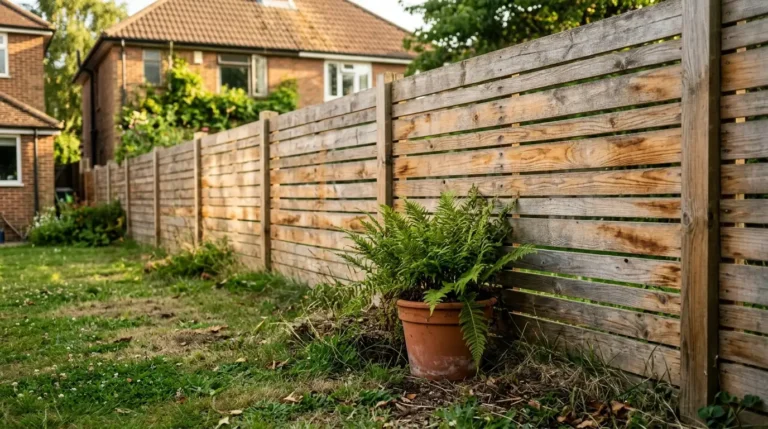
A close-board fence at 1.8 metres provides good privacy and is the maximum height generally permitted without planning permission at the front of a property. Slatted or horizontal fence panel designs are increasingly preferred over traditional vertical boarding for their contemporary appearance.
A hedge provides a more natural and visually richer boundary than any fence but requires patience most hedges take three to five years to reach full height. Native hedgerow mixes of hawthorn, blackthorn, hazel, and holly provide the richest wildlife habitat. Trellis panels mounted above a fence, planted with climbing plants, extend the effective height of a boundary without additional ground space.
Raised Bed and Vegetable Garden Ideas
Growing your own food is one of the most satisfying things a garden can provide and one that is far more accessible than many people believe.
Raised beds are the single most effective way to grow vegetables in a UK garden. They provide excellent drainage, allow you to control the soil quality entirely, warm up faster in spring, and make the garden more productive without requiring large areas of ground. A bed no more than 1.2 metres wide reachable from both sides without stepping on the soil is the most practical size. Timber, galvanised steel, or corten steel are all appropriate materials.
A kitchen garden benefits from a sunny position, protection from strong winds, and good access to water. Companion planting interplanting vegetables with flowers that deter pests or attract beneficial insects reduces the need for pesticides and makes the kitchen garden more beautiful.
Front Garden Ideas
The front garden is the part of your property that the world sees most and the area that has the greatest impact on kerb appeal and the first impression of your home.
A well-maintained front lawn, a clear and attractive path to the front door, defined borders planted with year-round interest, and a freshly painted front door are the most cost-effective improvements to the kerb appeal of any UK property. A statement pot plant a clipped bay tree, an olive, or a seasonal planting beside the front door adds a welcoming, considered detail that the passing world will notice.
Small Garden Ideas
A small garden in a UK town or city is not a problem to be overcome but a creative opportunity. The best small gardens are the most deliberately designed: nothing is there by accident, every plant earns its space, and the garden feels complete rather than incomplete.
A single, clearly defined paved area large enough for a small table and two chairs gives a small garden a functional centre. Container planting adds greenery without taking up ground space. A vertical planting on the fence a trellis planted with jasmine, clematis, or a climbing rose adds height, privacy, and scent without reducing the floor area.
Garden Style Guide
Cottage Garden Ideas
The cottage garden is the most quintessentially British of all garden styles. Overflowing borders of roses, foxgloves, sweet peas, and lavender, a vegetable plot alongside the flowers, fruit trees trained against the wall, and a sense of productive abundance define the style. It rewards a relaxed approach to garden management the more it is allowed to evolve and self-seed, the better it looks.
Modern and Contemporary Garden Ideas
A modern garden is characterised by restraint and precision. Clean geometric shapes, a limited palette of two or three carefully chosen plants used in bold repetitive drifts, high-quality hard landscaping, and dramatic specimen planting a multi-stem tree, an olive, a tall bamboo create a garden that looks composed and confident.
Mediterranean Garden Ideas
A Mediterranean-style garden relies on drought-tolerant planting, warm-toned materials, and terracotta pots to evoke a hot-climate aesthetic. Lavender, rosemary, cistus, and agapanthus thrive in the sunnier corners of UK gardens and require minimal watering once established. Gravel or sun-bleached stone paving, rendered walls in warm ochre or white, and an olive tree in a large pot complete the effect.
Wildlife and Eco Garden Ideas
A wildlife garden prioritises the needs of insects, birds, and small mammals alongside human enjoyment. Native planting, a wildlife pond, log piles, a bug hotel, areas of long grass, a wildflower meadow, and the reduction of pesticides all contribute to a garden that plays a meaningful role in supporting biodiversity in an increasingly built-up UK landscape.
Final Thoughts
Designing a garden that you love spending time in is one of the most rewarding creative projects available to a homeowner. Unlike an interior, a garden is never finished it evolves through seasons and years, rewarding both planned decisions and happy accidents. The most important thing is to begin: to make a plan, to improve one area at a time, and to pay attention to what works and what does not.
Start with the lawn and the hard landscaping. Then think about planting structure. Then add seasonal colour. Furniture, lighting, and garden features come last and those are the details that make the garden feel genuinely lived in and loved.
FAQs
What is the best low-maintenance garden design?
The best low-maintenance garden replaces a high-maintenance lawn with hard landscaping or gravel, uses drought-tolerant perennials and shrubs that require minimal intervention once established, mulches borders annually to suppress weeds, and avoids plants that need regular staking or deadheading. A gravel garden with structural planting in the Mediterranean style is one of the most beautiful and genuinely low-maintenance options for a UK garden.
When is the best time to lay turf in the UK?
The best time to lay turf in the UK is either early autumn (September to November) or spring (March to May), when the soil is warm enough to encourage root establishment but conditions are moist enough to reduce the need for constant watering. Avoid laying turf in high summer or during periods of drought or frost.
How do I get rid of moss in my lawn?
Apply a lawn mosskiller in autumn or spring, rake out the dead moss once it has blackened, scarify the lawn to remove thatch, aerate to improve drainage, and overseed any bare patches. Address the underlying causes — shade, compaction, poor drainage, or acidic soil to prevent recurrence.
What is the best decking material for a UK garden?
Composite decking is the best long-term choice for most UK gardens. It requires minimal maintenance, is resistant to splitting and splintering, and performs consistently well in the variable British climate. Hardwood decking in iroko or teak is more expensive but beautiful and genuinely durable. Softwood decking is the most affordable option but requires the most maintenance.
Do I need planning permission for a garden office?
Most garden offices in the UK are permitted development and do not require planning permission, provided they are single-storey, occupy less than 50 percent of the total garden area, and are not used as separate living accommodation. Properties in conservation areas may have additional restrictions. Always check with your local planning authority before building.
How do I make a small garden look bigger?
Use large-format paving that reduces visual fragmentation. Plant vertically use climbers and wall plants to add height without taking up floor space. Choose a limited colour palette to create visual continuity. Use mirrors to reflect light and create the illusion of depth. Replace opaque boundaries with trellis and planting to borrow views beyond the garden.
What plants are best for a UK garden border?
The best plants for a UK garden border provide seasonal interest and require minimal intervention. Reliable perennials include geraniums, salvias, sedums, echinaceas, and ornamental grasses. Structural shrubs include lavender, rosemary, pittosporum, and viburnum. Climbing roses, clematis, and wisteria bring colour and scent to walls and fences.