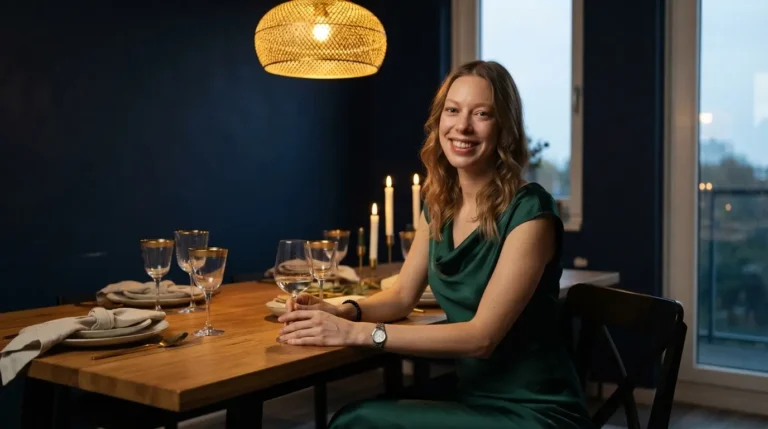
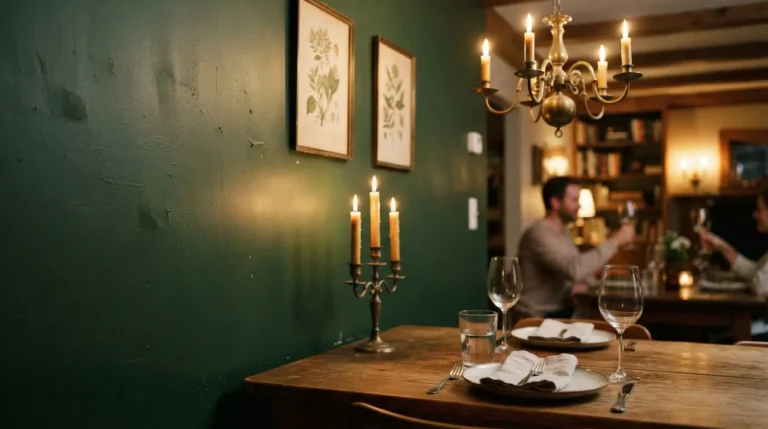
7 Oak Dining Table Ideas for a Warm and Natural Dining Room

Oak dining tables bring warmth and longevity to a British dining room. The grain, colour and ability to be refinished make solid oak a practical choice for homes that eat real meals every day. These seven ideas cover different sizes, bases and finishes so the table suits both the room and the way you live. Check thickness, finish and clearance before you order so the table remains comfortable for years.
1. Solid European Oak Rectangular Table With Straight Legs
A straightforward rectangular oak table in lengths from 160cm to 200cm suits most family rooms. Straight legs give a clean line and leave room under the ends. Look for a top at least 20mm to 30mm thick so it feels substantial. The natural oak colour warms cool north-facing rooms. Oil or wax the surface every six to twelve months. This style pairs well with mixed chairs and a simple dining room rug that defines the seating area.
2. Round Solid Oak Table on a Pedestal Base
A 110cm to 130cm round oak table on a central pedestal seats four to six and removes corner conflicts. The pedestal base lets people sit anywhere without hitting a leg. Round tables encourage conversation in smaller or square rooms. Confirm the pedestal is wide enough for stability and that knee clearance remains good all the way round. The continuous grain across a solid top looks particularly good on a round shape.
3. Oak Extendable Table With Butterfly Leaf
Solid oak with a butterfly leaf gives flexibility without separate storage. Closed at 150cm to 170cm it expands by 40cm to 50cm. The oak leaf should match the main top in colour and grain as closely as possible. Check the mechanism is robust so the leaf does not sag over time. This works in homes that host regularly but do not want a large table every day. Measure the open size against your 90cm clearances.
4. Character Oak With Visible Knots and Natural Edge
Some solid oak tops keep the natural edge or show larger knots and grain variation. These feel more individual and suit rustic or farmhouse rooms. The live edge needs a smooth finish so it does not catch clothing. Character oak is harder to match with chairs, so choose simple shapes. Oil finishes show the grain better than heavy varnish. This style ages well and hides minor marks more easily than a perfectly clear top.
5. Oak Top on a Painted or Grey Base
A solid oak top on a painted white, grey or soft green base mixes the warmth of wood with a fresher look. The painted base is easier to wipe and can hide scuffs. Confirm the paint is a hard furniture finish rather than ordinary wall paint. This combination works in both modern and transitional British homes. The oak top still needs regular oiling. See how to achieve a farmhouse dining room look for matching paint colours.
6. Long Oak Table for Entertaining Eight or More
Tables 220cm to 240cm long in solid oak seat eight comfortably when the room allows. Width of 90cm to 100cm gives elbow room. These need generous clearances of 105cm to 120cm on walkway sides. The longer top shows the grain well but can feel heavy if the legs are too thick. Confirm the table is stable when people lean on one end. Delivery access becomes important at this size.
7. Slim Oak Table for Narrow or Open-Plan Spaces
An oak table only 80cm to 90cm wide keeps visual weight low in a kitchen diner or narrow room. Length can still be 160cm to 180cm for six. Straight or tapered legs help. The narrower width means people sit closer across the table, which suits conversation. Check that place settings and serving dishes still fit. A lighter oil finish keeps the table from looking too heavy in a bright space.
Solid Oak Versus Veneer and Other Woods
Solid oak means the top and usually the legs are real oak all the way through. It can be sanded and refinished if marked. Veneer has a thin real oak surface over a stable core and costs less but cannot be refinished the same way. Oak effect is a printed film and is the least durable. European oak tends to be slightly warmer in tone than American. Both work well in UK central heating if humidity is kept reasonably stable. A hygrometer helps in winter when heating dries the air and can cause joints to open slightly.
Other woods such as walnut show marks more clearly because of the darker colour. Acacia and mango offer different grain but may vary more from piece to piece. For most British homes solid oak remains the most practical hardwood because the open grain hides small scratches and the finish can be refreshed at home. Always ask whether the finish is oil, wax or lacquer before you buy. Oil can be maintained by the owner. Lacquer resists spills better but needs professional attention if damaged.
Caring for an Oak Dining Table
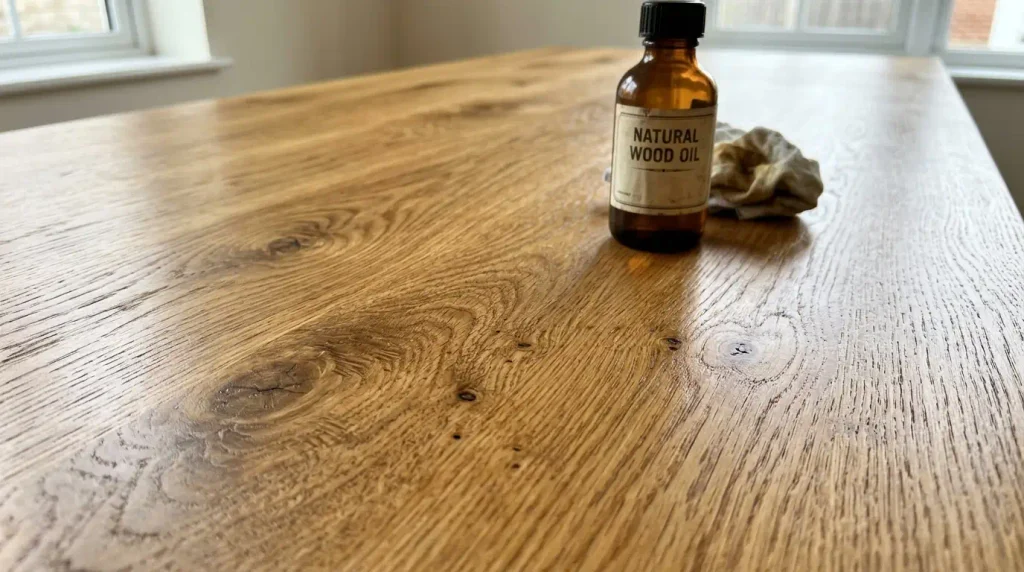
Wipe spills immediately. Use coasters for hot pans and glasses of wine. Oil or wax the top every six to twelve months according to the maker. Avoid harsh cleaners or standing water. Minor scratches can be sanded and re-oiled on solid oak. A thick top and good finish matter more than a perfect showroom surface. Pair the table with suitable lighting such as a pendant hung 75cm to 90cm above the top. Check how high a pendant light should hang for the exact measurement.
What to Check Before Ordering Oak
Confirm it is solid oak rather than veneer if you want to refinish later. Measure the apron depth for knee clearance. Check the finish type and care instructions. Ask about colour variation between pieces. Measure doorways and stairs for delivery. Sit in the chairs you plan to use and confirm the height works. A solid oak table is an investment that should last, so the practical checks matter more than the first impression.
Conclusion
Solid oak dining tables bring lasting warmth to a dining room when the size, base and finish match the space and the way you live. Choose the shape and length that leave proper clearances, oil the surface regularly, and check delivery access. The right oak table improves with use and becomes the natural centre of the home.
FAQs
How often should I oil an oak dining table?
Every six to twelve months for most oil finishes, or whenever the surface starts to look dry. Follow the maker’s specific advice.
Is solid oak better than oak veneer?
Solid oak can be sanded and refinished. Veneer looks similar but cannot be repaired the same way if the surface is damaged.
What size oak table seats six?
A rectangular table around 160cm to 180cm long and 90cm wide, or a round table of 120cm to 140cm diameter.
Will oak darken over time?
Yes. Natural oak usually deepens in colour with light and use. Oil finishes show the change more clearly than heavy varnish.