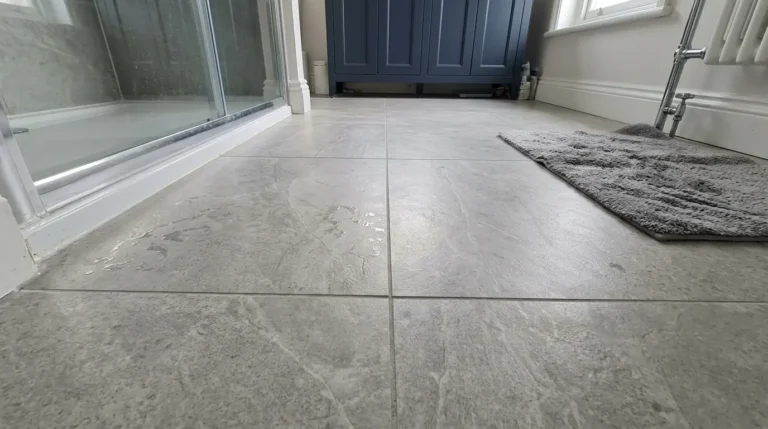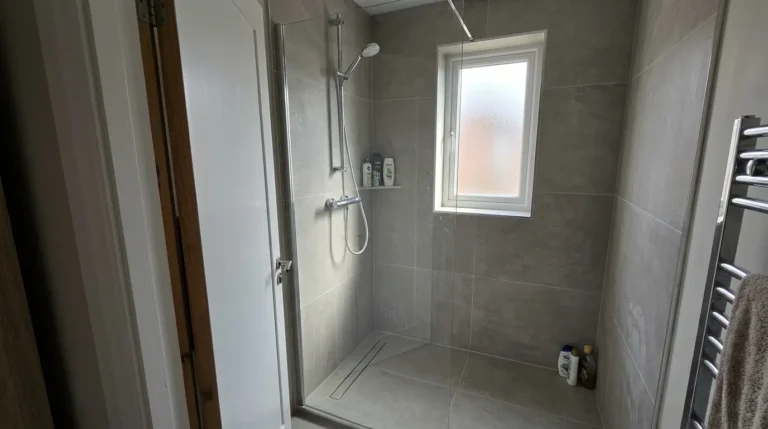
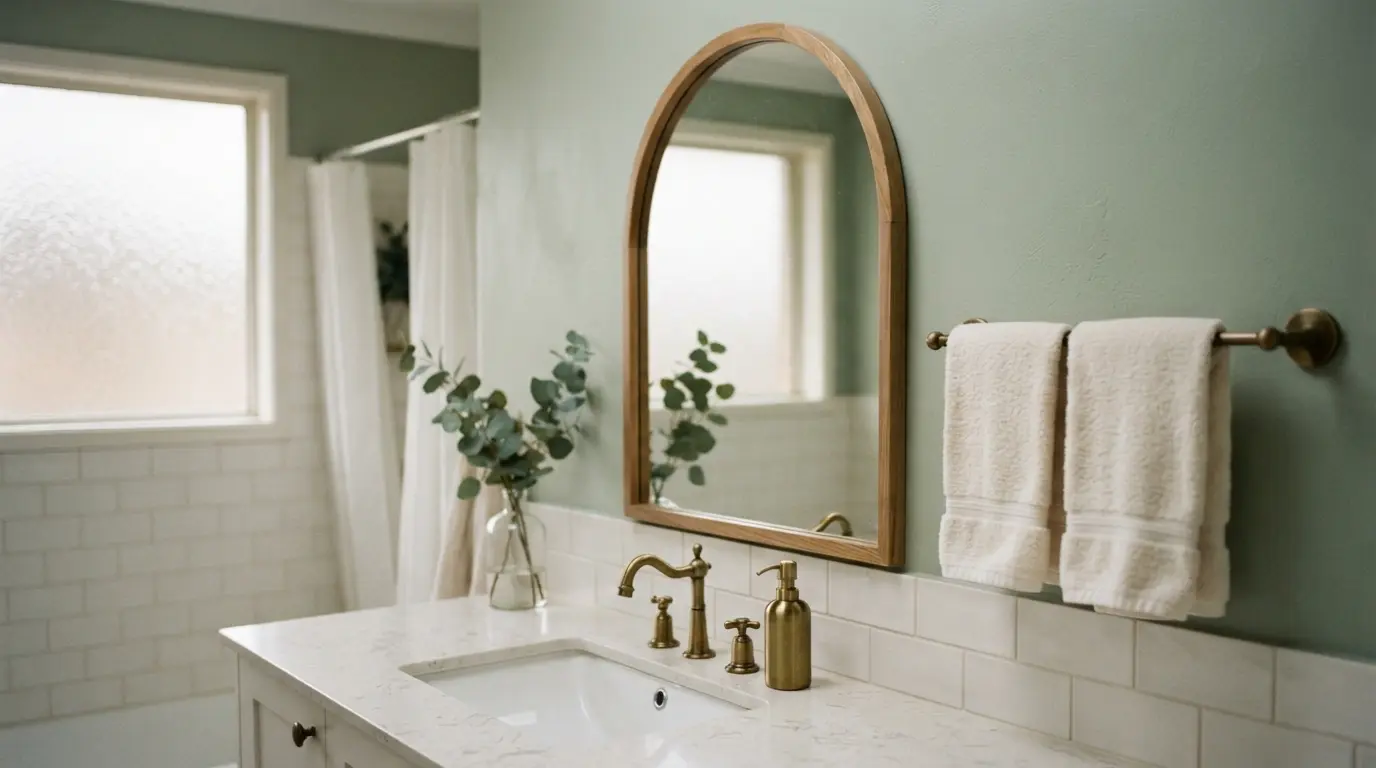
15 Bathroom Ideas to Transform Your Space

Bathroom ideas that genuinely transform a space don’t have to mean a full renovation, some of the most effective changes take an hour and cost very little, while others are proper weekend projects worth the effort. The 15 ideas below are grouped by how much time and money they actually take, along with the honest reality of what a cosmetic fix can and can’t solve.
1. Declutter and Edit What’s on Display
Before buying anything, clear every surface and put back only what genuinely needs to live there. A bathroom crowded with half-used products, expired items, and duplicate toiletries looks tired regardless of how good the fittings underneath actually are, and this costs nothing beyond the time it takes. Give yourself permission to bin anything genuinely past its best, an expired sunscreen or a half-used bottle of something you didn’t like the first time isn’t doing the room any favours sitting on a shelf.
2. Swap Small Accessories and Door Handles
Replacing a grimy soap dispenser, toothbrush holder, or toilet brush the same day you notice it’s tired is one of the cheapest, fastest upgrades available, and it’s easy to forget these small daily-use items need refreshing as often as anything else. A worn or loose door handle is often the very first thing someone notices entering the room, and swapping it takes under half an hour with basic tools.
3. Add a Piece of Art or a Framed Print
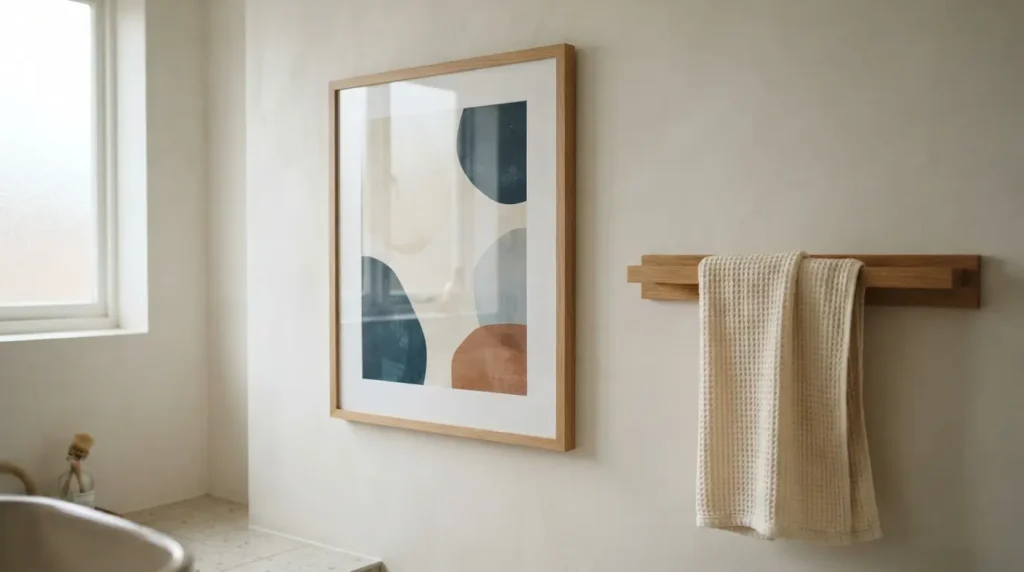
A bare bathroom wall is an easy, low-cost opportunity, a framed print, a personal photograph, or a small piece of art genuinely lifts the room without touching a single fixture. Choose something the room’s humidity won’t damage, a properly framed and glazed piece handles bathroom moisture far better than an unprotected print pinned directly to the wall.
4. Upgrade Towels, Bath Mat, and Robe Hooks
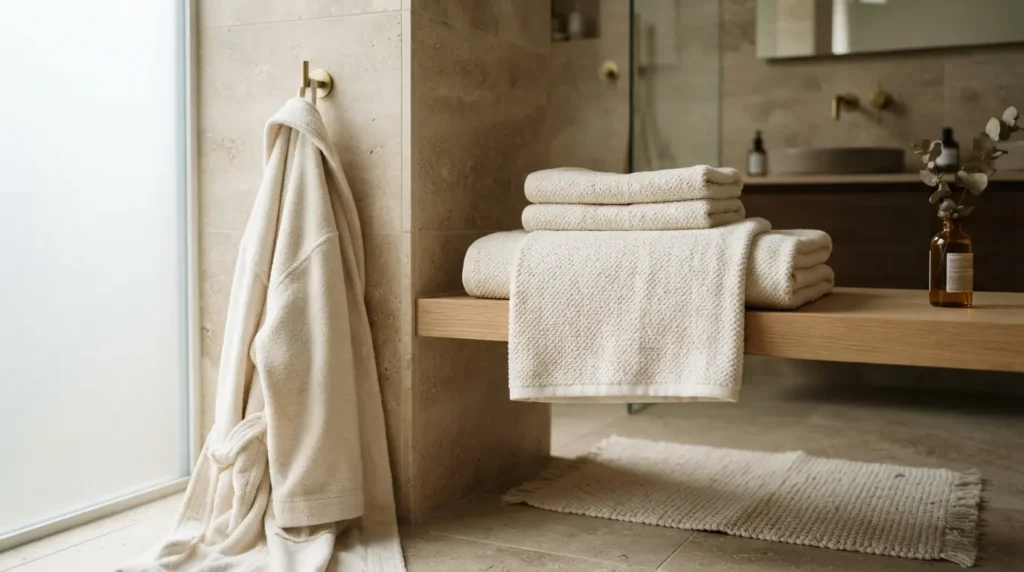
Few things date a bathroom faster than a worn, flattened bath mat or thin, greying towels. Choosing good-quality cotton towels with genuine weight to them, and a bath mat and robe hooks that actually coordinate with your colour scheme, makes an outsized difference to how finished the room feels for a relatively small spend. A heavier towel, with a genuinely higher GSM weight, both feels more luxurious day to day and tends to hold its colour and softness through more washes than a thin, budget alternative.
5. Change the Bulb Temperature for Warmer Light
If your bathroom runs on a single cool, harsh overhead bulb, switching to a warmer colour temperature, generally somewhere around 2700-3000K, makes the whole room feel more considered and relaxing rather than clinical. This is one of the cheapest changes on this entire list, and it’s also one of the most commonly overlooked, since most people never think to question the bulb that came with the fitting.
6. Remove and Replace Old Sealant

Discoloured or mouldy sealant around the bath and shower enclosure is one of the most common, honest reasons a bathroom looks tired despite otherwise decent fittings, and it’s genuinely satisfying to fix. Cut out the old bead with a sealant removal tool or a sharp blade, clean the surface thoroughly, and apply a fresh line of mould-resistant silicone. This alone can visibly freshen a bathroom in an afternoon for the cost of a single tube of sealant. Take your time smoothing the new bead with a wet finger or a proper sealant tool before it skins over, a rushed, uneven line looks nearly as tired as the old cracked sealant it’s replacing.
7. Re-Grout Tired Tiles
Grout stains and wears well before decent tile itself needs replacing, and regrouting is a genuinely underrated fix relative to the effort involved. A grouting pen works for a quick, targeted refresh of just the worst lines, while a full regrout with a pre-mixed or powdered product gives a more even, complete result. Coloured grout is worth considering here too, since it can genuinely shift the whole look of existing tile without replacing a single one.
8. Upgrade the Mirror for Light and Presence
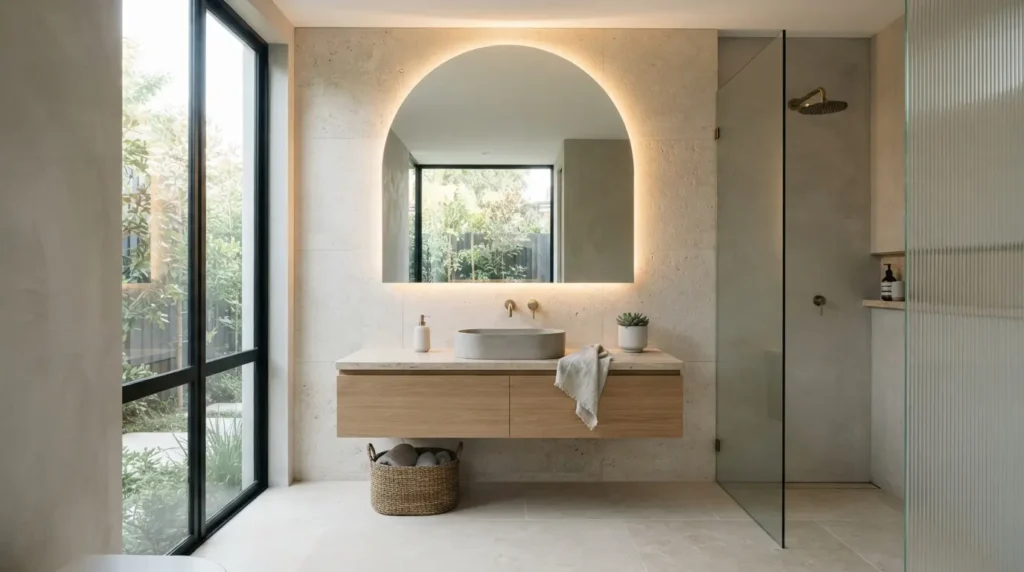
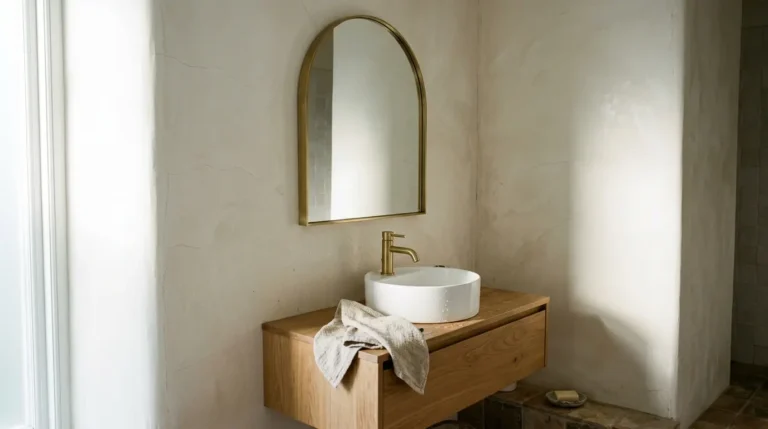
A larger, better-positioned mirror does two things at once: it bounces more natural or artificial light around the room, and it makes the space feel genuinely bigger, not just brighter. A backlit LED mirror is worth the modest extra cost specifically because it also reduces how much you need to rely on other lighting, and an arched or softly irregular shape reads as more current than a plain rectangle if your existing mirror is otherwise unremarkable. Position it opposite or adjacent to the main window where possible, a mirror that actually reflects real daylight does considerably more for the room than one hung purely for practical viewing height.
9. Add Open or Freestanding Shelving
Extra storage matters more in a bathroom than almost anywhere else, since so much of daily life happens in a small, fixed space. Confident DIYers can build simple shelving from a length of timber and a pair of brackets in an afternoon, while a ready-made glass shelf or a wall-mounted caddy solves the same problem with less effort if carpentry isn’t your strength. Either route genuinely earns its keep in a smaller bathroom where every surface counts, and getting items off the countertop and onto a shelf does real work toward the decluttered look covered earlier in this list.
10. Refresh Wooden Furniture Rather Than Replace It
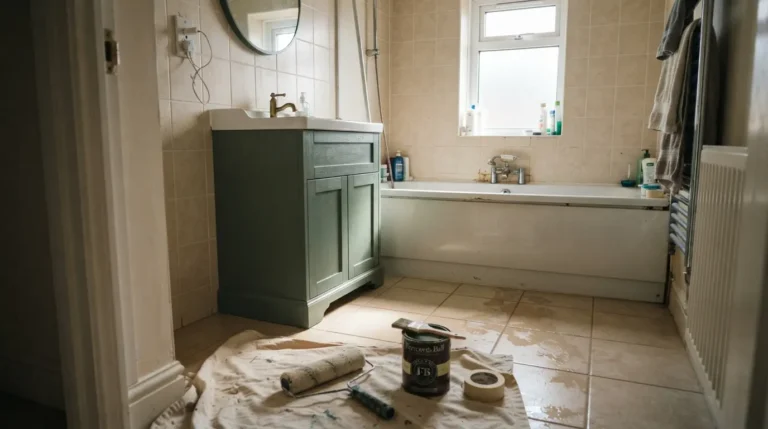
An existing wooden vanity or cabinet doesn’t need replacing just because the finish looks dated. Sand back the surface, remove the old paint or varnish, and refinish it in a colour that suits your updated scheme, a genuinely effective, low-cost way to bring an old piece back in line with a fresher look without the cost of buying new furniture.
11. Repaint the Walls in a Considered Colour
Repainting remains the classic bathroom refresh for good reason, it’s affordable, achievable in a weekend, and the visual impact is genuinely transformative if the room was looking scuffed, faded, or simply dated. Use a paint genuinely rated for bathroom humidity rather than standard emulsion, since ordinary wall paint is more likely to peel or blister in a room that generates this much steam. Mask off any newly re-sealed or re-grouted edges carefully before you start, paint that bridges onto fresh silicone or grout looks messy and is genuinely awkward to clean up neatly afterward.
12. Paint the Bath If It’s Acrylic or Cast Iron
If your existing bath is a shape and size you’re happy with but the colour or finish feels tired, painting it is a genuinely creative way to change the room without the cost or disruption of replacing the whole tub. The honest caution here: check with the bath’s manufacturer or a specialist bath-refinishing product before starting, the wrong paint on the wrong material can genuinely fail within months, so this isn’t a project to improvise with whatever tin happens to be in the shed. Proper preparation matters more here than almost any other project on this list, a light key-sand and thorough clean before painting is what actually determines whether the new finish bonds and lasts rather than chipping the first time something heavy is set down inside the tub.
13. Replace the Taps for an Instant Style Update
Taps see constant daily use, and their finish, chrome, matt black, brushed brass, degrades or scratches over years in a way that’s obvious once you actually look closely. Swapping them for something better suited to your current scheme is achievable with basic plumbing confidence over a weekend, and it’s one of the highest-impact changes on this list relative to the moderate cost involved. Isolate the water supply properly before starting, and have old towels or a bucket ready for the small amount of residual water in the lines, a genuinely straightforward job that only turns into a frustrating one if you skip this basic preparation step.
14. Swap the Toilet Seat and Cistern Fittings
This is a genuinely underused idea: a fresh, well-fitted toilet seat and updated flush fittings cost relatively little but change how finished the whole fixture looks, since a scratched, discoloured seat is a detail people notice even when they can’t articulate why the room feels tired. It’s a straightforward swap for most standard toilets and doesn’t require replacing the pan itself.
15. Know When a Quick Fix Won’t Solve the Real Problem
This is the honest point every purely cosmetic bathroom guide skips. If a bathroom looks tired because of persistent damp, failing waterproofing behind tiles, or a genuinely worn-out shower tray, no amount of fresh paint, new grout, or better towels will actually fix it, and covering the symptom rather than the cause tends to mean redoing the cosmetic work again within a year or two once the underlying issue reappears. If you’re seeing recurring mould that returns quickly after cleaning, tiles that sound hollow when tapped, or any soft or discoloured patches on walls or ceiling, that’s the signal to get a professional opinion before spending more on cosmetic fixes that won’t hold. It’s a genuinely disappointing outcome to spend a weekend repainting a wall only to watch the same damp patch reappear within weeks, and it’s an entirely avoidable one if the underlying cause gets addressed first.
Final Thoughts
The best bathroom ideas to transform your space match the effort to the actual problem, a cluttered surface needs decluttering, not a renovation, while genuine damp or failing waterproofing needs a professional, not another coat of paint. Work through the quick wins first, tackle the half-day projects when you’re ready for more, and save the weekend projects for when you want a genuine, lasting shift, and the bathroom will feel transformed without needing to gut it.
FAQs
What’s the cheapest way to make a bathroom look better?
Decluttering costs nothing and often makes the biggest visible difference, followed closely by fresh sealant, a warmer bulb, and updated towels and accessories, all genuinely low-cost changes that noticeably lift a tired room.
Can you paint an old bathtub yourself?
Yes, for an acrylic or cast-iron bath, but check with the manufacturer or use a proper bath-refinishing product first, since the wrong paint on the wrong material can fail within months rather than lasting.
How often should bathroom sealant be replaced?
There’s no fixed schedule, but replace it as soon as it looks discoloured, cracked, or shows any sign of mould, since deteriorating sealant is both a cosmetic issue and a genuine route for water to reach the wall behind it.
What lighting makes a bathroom feel warmer?
A colour temperature around 2700-3000K reads as warm and flattering, closer to soft, relaxing light than the cooler, more clinical tone of a standard bright white bulb.
Is regrouting worth doing before repainting?
Generally yes if the grout is visibly stained or worn, since tired grout undermines even a freshly painted room. Tackling both in the same project, grout first, then paint, gives the most cohesive, complete-looking result.