12 Modern Bathroom Ideas for a Clean and Spa-Like Feel

Modern bathroom ideas that genuinely feel spa-like come down to restraint and a handful of well-chosen details, not a long list of features piled into one room. The 12 ideas below cover the elements worth prioritising, along with the honest cost and practical reality most inspiration pieces skip in favour of another beautifully styled photo.
1. A Warm Neutral Palette as the Calming Base
Soft, earthy neutrals, warm beige, pale stone, muted greige, give a modern bathroom its calm without reading as cold or clinical the way a stark white scheme can. This works best as a genuine backdrop rather than the star of the room, layering two or three tones within the same neutral family, walls slightly lighter than floor tile, for instance, adds depth without introducing real colour contrast to compete with the room’s other elements.
2. Underfloor Heating for Genuine Warmth Underfoot

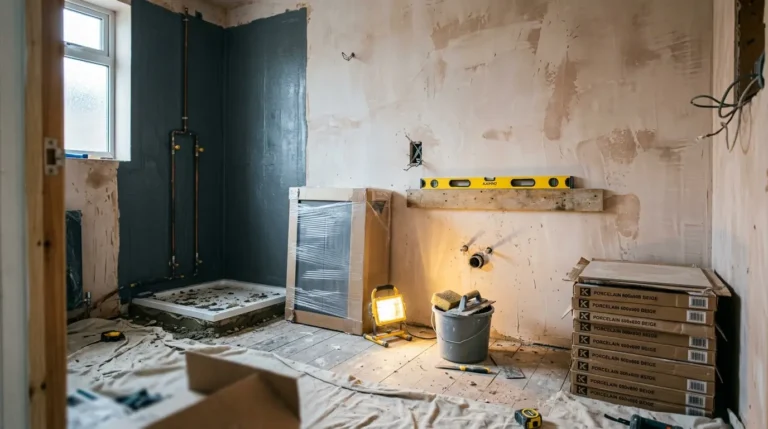
This is one of the details that actually delivers the spa feeling rather than just suggesting it in a photo. Underfloor heating sits hidden beneath large-format tile or stone, warming the floor directly rather than the air, and it removes the need for a bulky wall-mounted radiator, which frees up wall space for a cleaner, more minimal look. Retrofitting it into an existing bathroom means lifting the floor, so it’s considerably more straightforward and cost-effective to include at the design stage of a full renovation than to add afterward, worth factoring into your planning sequence rather than treating it as an easy later upgrade. Electric underfloor systems generally cost less to install than water-fed ones but can be pricier to run day to day, so it’s worth weighing upfront cost against ongoing running cost based on how large an area you’re heating and how often the bathroom sees use.
3. A Large-Format Natural Stone or Stone-Effect Floor
Fewer, larger tiles mean fewer grout lines breaking up the floor, which genuinely contributes to the sense of a calm, uninterrupted surface underfoot. Real natural stone brings authentic texture and variation but needs sealing and a bit more ongoing care, while a stone-effect porcelain gives a similar look with considerably less maintenance, worth choosing based on how much upkeep you’re realistically prepared to keep up with rather than on looks alone.
4. A Frameless Walk-In Rainfall Shower for an Open, Airy Feel

Removing the shower door entirely, or replacing it with a single frameless glass panel, and fitting a large overhead rainfall showerhead genuinely opens up a bathroom’s sense of space in a way a boxed-in cubicle can’t. This needs proper floor drainage and a gentle slope built into the design to work without pooling water, so it’s a decision to make with a plumber or bathroom fitter early on, not something to retrofit into an existing shower tray. A built-in bench or a recessed niche within the space adds real function alongside the open, minimal look. Without a door or screen containing the spray, water inevitably reaches more of the surrounding room, so this idea works best with genuinely waterproofed walls and floor across the wider bathroom, not just the immediate shower area, worth confirming with whoever tanks the room before committing to a fully open layout.
5. A Floating Vanity to Keep the Floor Visually Clear
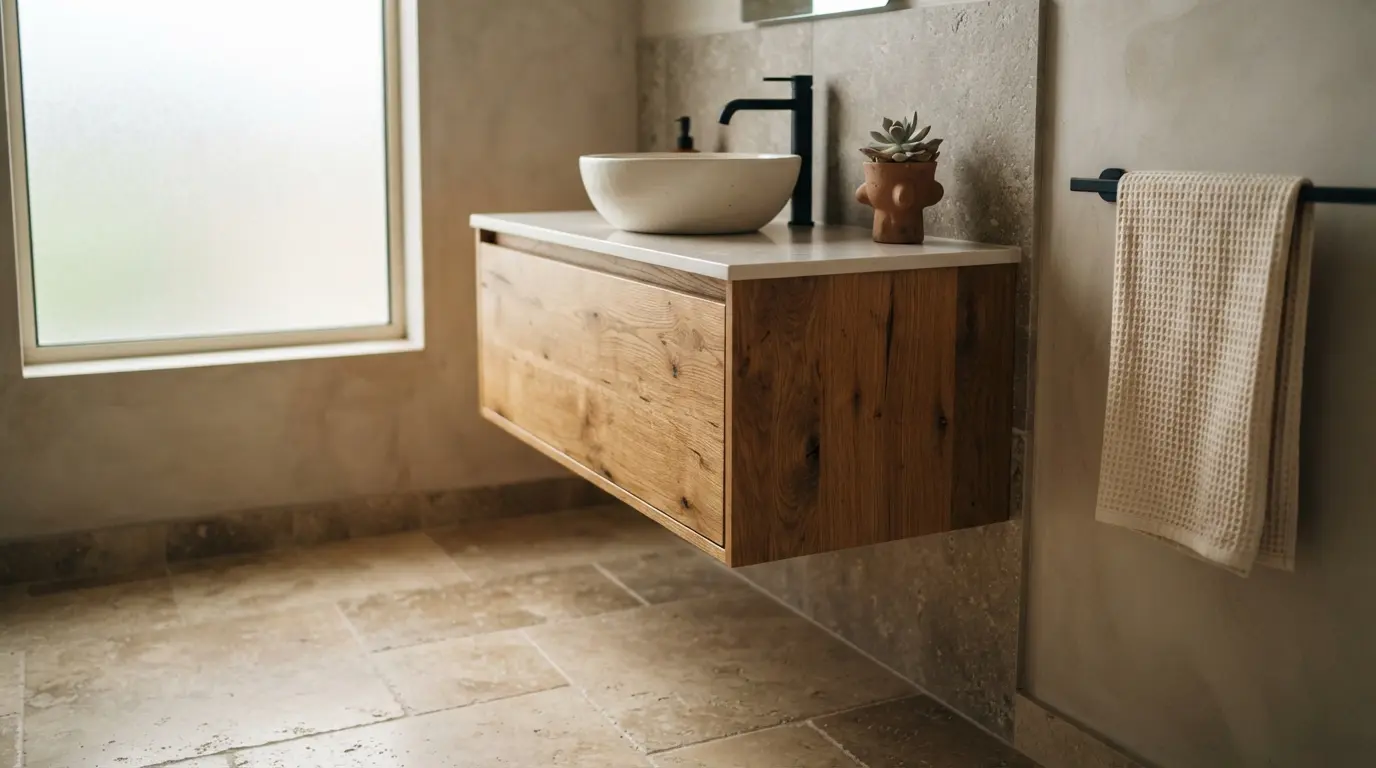
A wall-mounted vanity with no visible legs or plinth touching the floor makes a genuine difference to how spacious a bathroom feels, since the visible floor space underneath reads as breathing room rather than being filled by cabinetry. It’s also a practical win beyond the look: a floating vanity is considerably easier to clean underneath and around than a floor-standing unit, which matters more in a bathroom than almost any other room in the house. Check the wall structure can genuinely support the weight before committing, a floating vanity carrying a stone or solid surface top needs a properly reinforced fixing, not just a standard plasterboard wall bracket, and it’s worth confirming this with your installer rather than assuming any wall will do.
6. Built-In, Hidden Storage to Keep Surfaces Genuinely Clear

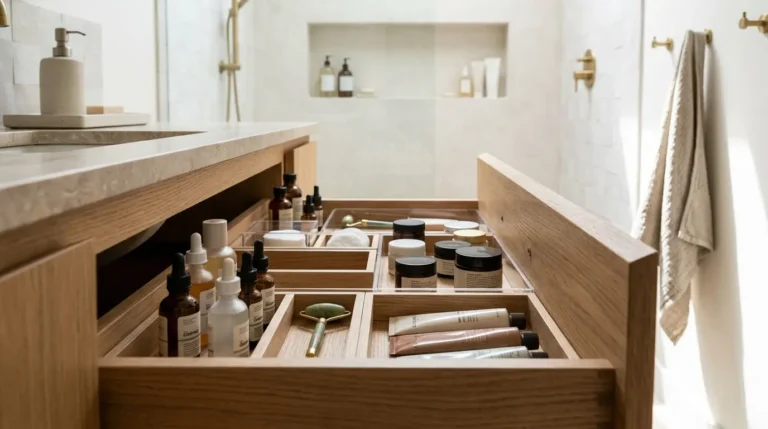
The calm, uncluttered look that defines a modern spa-like bathroom rarely happens by accident, it comes from genuinely adequate hidden storage planned in from the start. Integrated shelving within a vanity, a recessed shower niche, and drawers rather than open shelving all give daily essentials, toothbrushes, cleaning products, spare toiletries, somewhere to actually live out of sight, so the visible surfaces stay clear for the few considered, sculptural objects that give the room character rather than looking bare. Plan storage capacity generously at the design stage rather than adding it as an afterthought, a beautiful minimal bathroom with genuinely insufficient storage ends up cluttered again within weeks, however carefully it was styled on completion day.
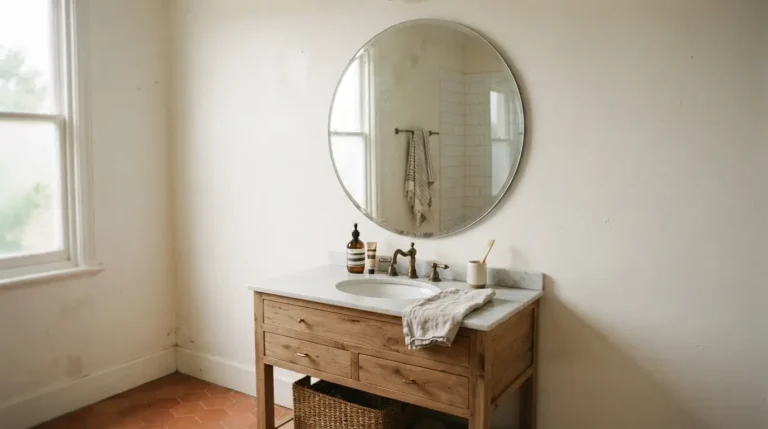
7. A Statement Mirror as the Room’s Focal Point
A mirror in this context does more than reflect, a genuinely oversized piece, or one with a distinctive curved or arched silhouette, becomes a focal point in its own right and bounces natural light back into the room. An integrated LED edge light adds a soft glow without needing a separate wall light, and it’s worth choosing a shape that relates to the room’s other lines, a softly curved mirror against a hard-edged, rectilinear vanity creates a considered contrast rather than a mismatch.
8. Layered, Dimmable Lighting Instead of a Single Overhead Fitting

Relying on one central ceiling light is the single most common reason a bathroom feels clinical rather than calming, regardless of how good the tile or fittings are. Dimmable ceiling lighting paired with wall sconces or an LED-lit mirror gives you genuine control over the mood, bright and functional for the morning routine, softer and warmer for an evening soak. This is worth planning at the electrical first-fix stage of a renovation, since retrofitting additional circuits and dimmer switches later is a considerably bigger job than wiring them in from the start. Position wall sconces at a height that flatters rather than casts harsh shadows, roughly eye level either side of a mirror works well for this, and keep the actual brightness of task lighting near the mirror genuinely functional, dimmable ambience is for the rest of the room, not the spot where you need to see clearly to shave or apply makeup.
9. Bring in One or Two Architectural Plants, Not a Jungle
A single, sculptural plant, a snake plant or a trailing pothos in a considered pot, does more for a genuinely modern spa look than filling every surface with greenery. Choose a plant that actually tolerates bathroom humidity and lower light rather than one that photographs well but struggles in the real conditions, and position it somewhere it won’t sit in direct spray from the shower, even humidity-loving plants generally prefer moist air over being repeatedly soaked. A single well-placed plant also does more visual work in a genuinely minimal scheme than several smaller ones scattered around, since it reads as a deliberate design choice rather than an afterthought filling empty space.
10. Layer In Genuine Texture Through Towels and Bath Mats
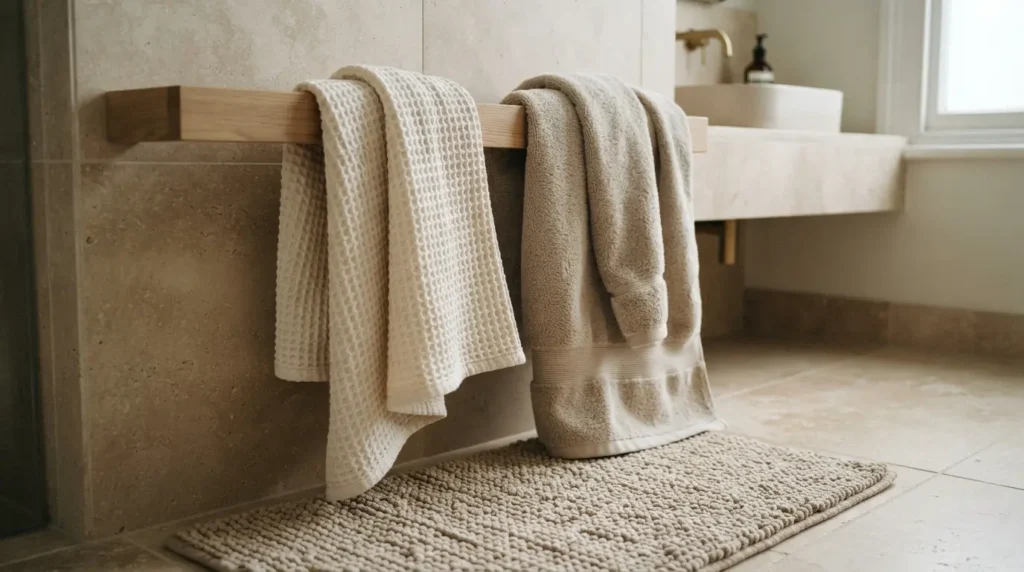
Thick, good-quality towels and a soft, substantial bath mat bring real tactile comfort into a room that’s otherwise dominated by hard, smooth surfaces, tile, stone, glass. Mixing textures within the same neutral palette, a waffle-weave towel alongside a plainer, denser one, adds richness without needing to introduce a new colour, and it’s one of the simplest, lowest-cost ways to make an already well-designed bathroom feel genuinely finished rather than just functional.
11. Add Scent as the Final Sensory Layer
A candle, reed diffuser, or essential oil mist in a calming scent, eucalyptus, lavender, sandalwood, engages a sense none of the visual choices on this list can touch, and it’s one of the cheapest, easiest upgrades to make to an already well-designed room. Keep any open flame candle genuinely away from towels, toilet roll, or anything else flammable, and consider a diffuser instead in a smaller or more enclosed bathroom where ventilation is more limited.
12. Keep the Palette and Materials Genuinely Restrained
This is the detail that separates a bathroom that actually feels like a spa from one that simply has spa-adjacent features scattered through it. Pick two or three hero elements from this list, the floating vanity, the rainfall shower, the statement mirror, say, and let everything else support them quietly rather than trying to include every idea here at full volume in one room. A genuinely calming bathroom relies on restraint as much as on any single material or fitting, and it’s the detail most often lost when a project tries to tick every box on a list rather than choosing a handful of ideas and executing them properly. If you’re renovating in stages rather than all at once, decide your hero elements before you start, so each phase of work builds toward the same considered result rather than accumulating a collection of good individual ideas that never quite add up to a cohesive room.
Final Thoughts
The best modern bathroom ideas for a genuinely spa-like feel come down to choosing a handful of well-executed elements and keeping everything else quiet in support, not filling the room with every idea available. Prioritise warmth underfoot, genuine hidden storage, and layered lighting over decorative extras, and the bathroom will feel like a real daily retreat rather than a room that simply photographs like one.
FAQs
Is underfloor heating worth it in a bathroom?
Generally yes, if you’re already planning a full renovation, since it delivers genuine comfort and frees up wall space by removing the need for a radiator. It’s considerably more disruptive and costly to add to an existing floor afterward, so it’s worth deciding at the design stage.
Do I need a big budget for a spa-like bathroom?
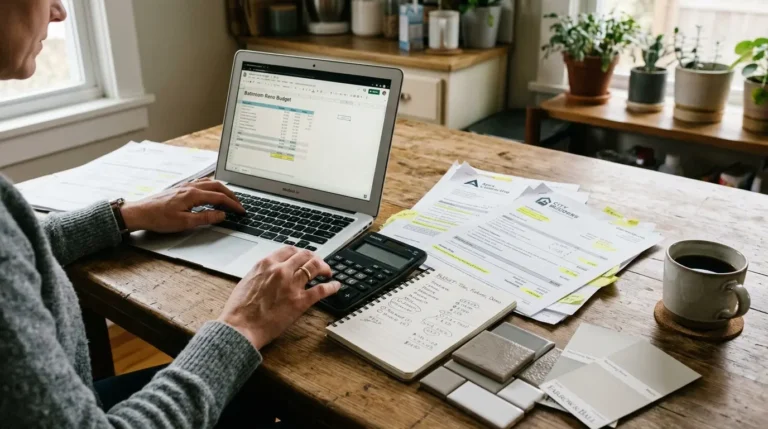
Not necessarily. Some of the most effective elements, layered lighting, better towels, a single well-chosen plant, thoughtful scent, cost relatively little, while structural changes like underfloor heating or a reconfigured walk-in shower represent the larger investments on this list.
What’s the best flooring for a modern spa bathroom?
Large-format natural stone or stone-effect porcelain both work well, minimising grout lines for a calmer, more uninterrupted surface. Real stone needs more ongoing sealing and care, while stone-effect porcelain offers a similar look with less maintenance.
How do I stop a modern bathroom feeling cold and clinical?
Avoid relying on a single overhead light, and layer in warmth through underfloor heating, textured towels, and a warm neutral palette rather than a stark white scheme. Genuine hidden storage also helps, since visible clutter undermines a calm look regardless of how good the fittings are.
Can a small bathroom feel spa-like?
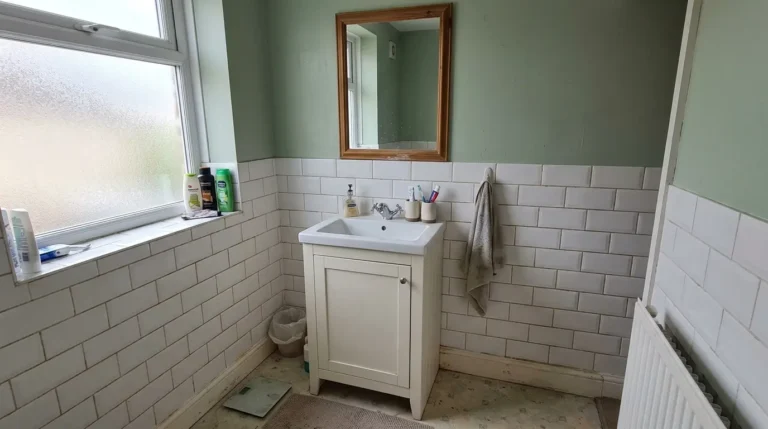
Yes, a floating vanity, a large mirror, and a restrained material palette all help a small room feel more open rather than cramped. Restraint matters even more here than in a larger bathroom, since a small space shows overcrowding, visual and physical, more readily.
2 Comments