How to Turn a Box Room into a Comfortable Bedroom

Turning a box room into a comfortable bedroom means making the most of limited floor space while keeping clearances for the bed, doors and storage. In UK homes a typical box room is under 2.5m by 2.5m, so every centimetre matters. Start by measuring the room carefully, including door swing and window position, before you choose a bed or furniture. A single bed or a compact double often fits better than a standard double. For general layout advice, see how to plan the perfect bedroom layout.
Measure the Room and Plan the Bed Position
Box room bedroom guide starts with accurate measurements. Note the length and width, ceiling height, and where the door and window sit. A standard single bed is about 90cm by 190cm; a small double is around 120cm by 190cm. Leave at least 60cm clear on one side for getting in and out, and check the door can open fully. In many UK box rooms the bed fits best against the longest wall or under the window if the radiator allows. A common mistake is buying a bed first and then finding the door hits it or there is no walking space. Draw a simple plan on paper with the measurements before you order anything. This step decides whether a single or a compact double is realistic.
Check for sloping ceilings in older homes; these reduce usable height above the bed. See 8 bedroom layout ideas that work in any UK space for more layout options.
Choose Compact Storage
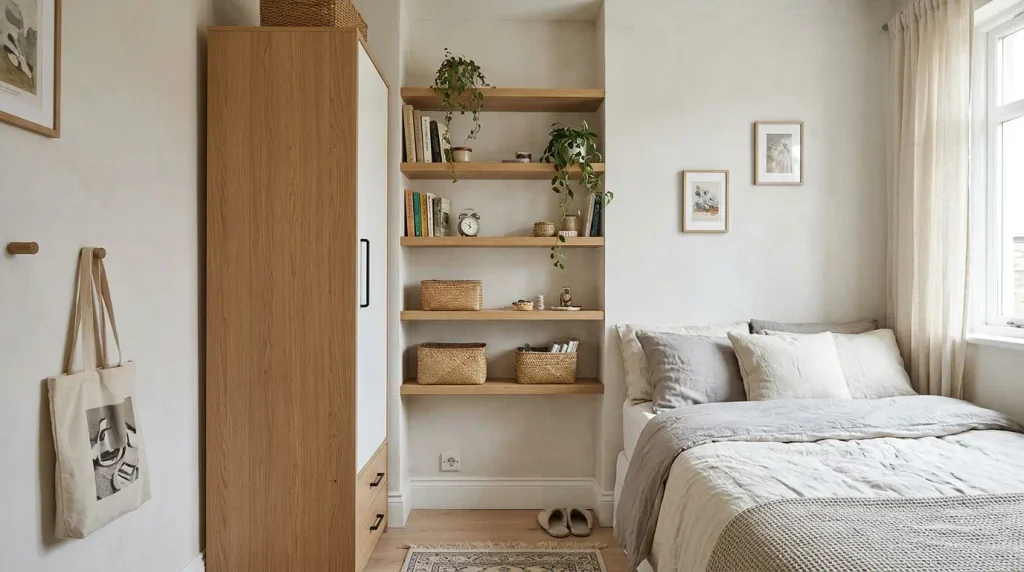
Storage is the biggest challenge when you convert box room space. Use under-bed drawers, a tall narrow wardrobe or wall-mounted shelves. In a room under 6 square metres a full-size wardrobe often takes too much floor area. Measure the remaining space after the bed is positioned; a wardrobe of 50cm to 60cm deep may fit in a corner if the door can open. A common mistake is adding freestanding units that block the only walking route. Wall shelves above the bed or desk free up the floor. Check wall fixings for the type of wall you have. Many box rooms benefit from a bed with built-in storage so clothes stay off the floor.
Existing furniture can often be rearranged or replaced with narrower pieces. For decoration ideas once storage is sorted, see how to decorate a bedroom from scratch.
Maximise Light and Use Light Colours
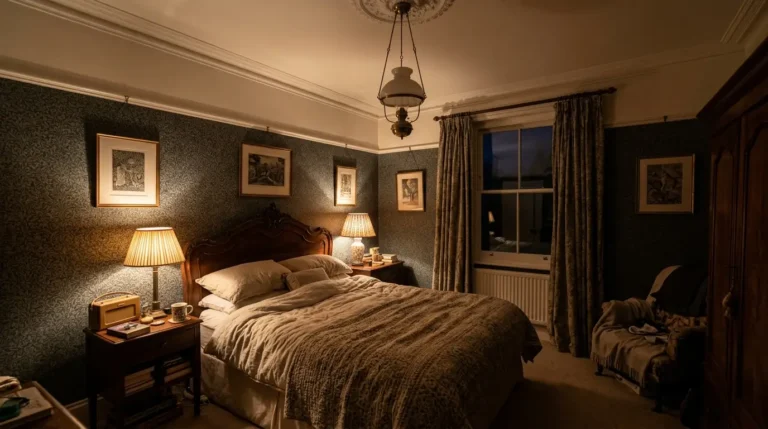
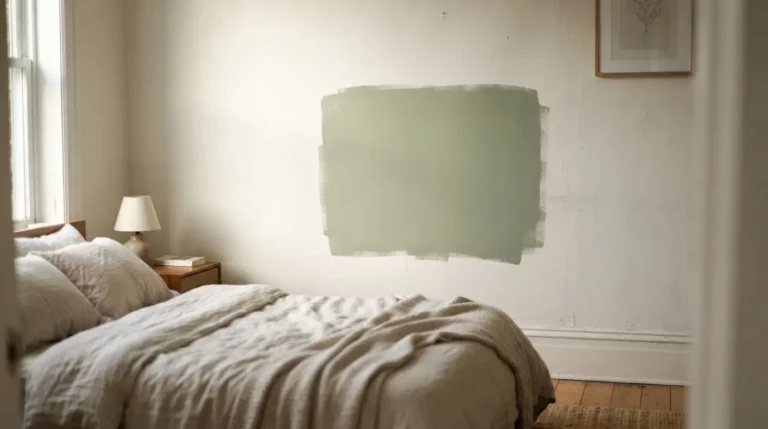
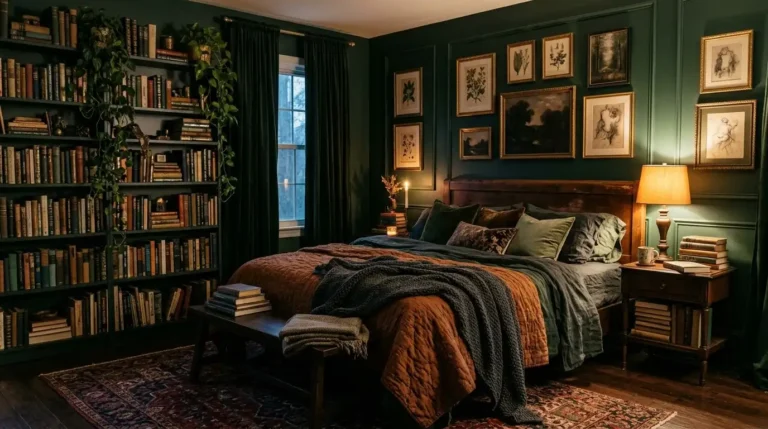
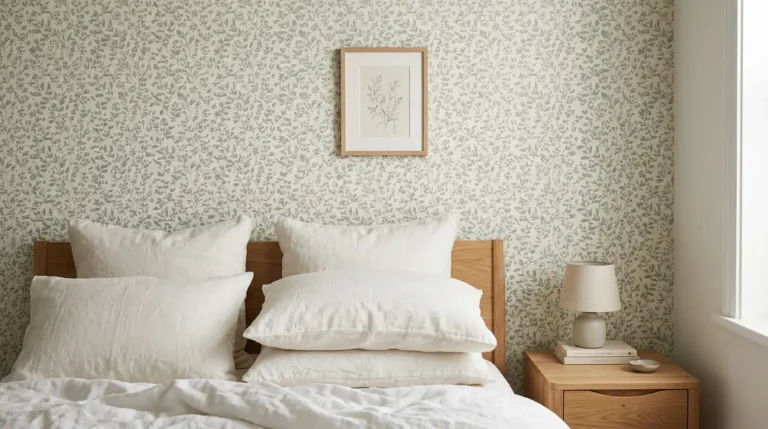
Light colours make a small room feel larger. Paint walls in a warm off-white or soft neutral and keep the ceiling white. In UK box rooms that often face north, warmer tones prevent the space feeling cold. Add a mirror opposite the window to bounce light. Check that curtains or blinds do not block too much daylight; a simple roller blind can work better than heavy curtains in a tight space. A common mistake is dark paint on all walls, which can make the room feel even smaller. Test samples because small rooms show colour shifts more clearly. Good lighting with a dimmer and bedside lamps helps in the evening without needing large fittings.
See the lighting ideas article for practical placements that suit smaller rooms.
Select the Right Bed and Mattress
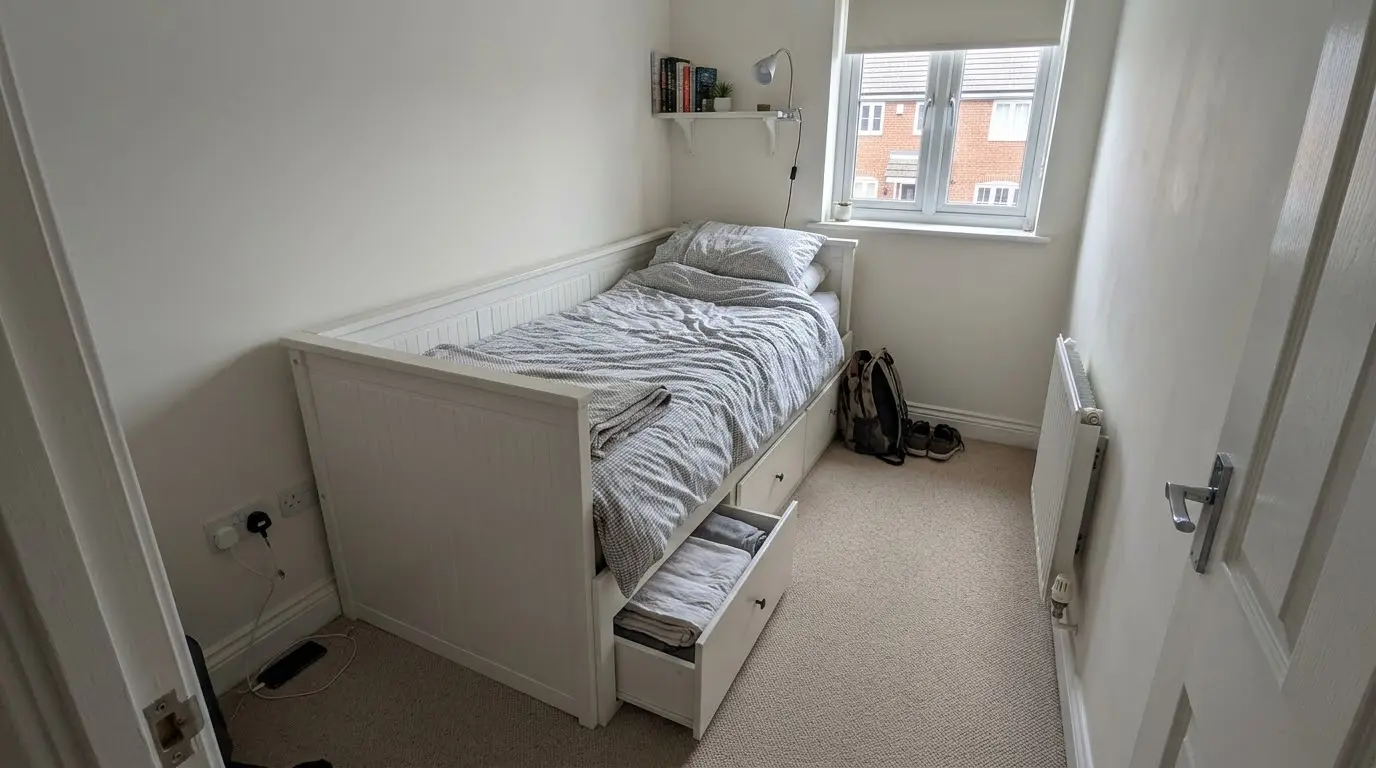
A single bed or a 120cm small double is usually the practical choice. Check the mattress depth; thicker mattresses raise the bed height and can make the room feel tighter. In box rooms a bed with a low frame or storage underneath works well. Measure the door width before delivery; many UK internal doors are 70cm to 80cm and some mattresses need to be angled in. A common mistake is ordering a standard double that then leaves no space to walk around. Leave at least 50cm to 60cm clear on the access side. If the room is for occasional use, a sofa bed or daybed can free space during the day, but check the mattress quality for regular sleeping.
Existing beds can often be replaced with a narrower option if the current one is too large. Measure twice before you commit.
Add Practical Lighting and Soft Furnishings
In a small room wall lights or a single bedside lamp save surface space. Mount wall lights at a height that works for reading without glare. A dimmable ceiling light gives flexible ambient light. Soft furnishings such as a light throw and one or two cushions add comfort without bulk. Check that rugs do not reduce the already limited floor space too much; a small runner beside the bed is often enough. A common mistake is adding too many accessories so the room feels cluttered. Keep surfaces clear and choose pieces that serve a purpose.
For more on creating a warm feel in limited space, see 7 cosy bedroom ideas for a warm UK retreat.
Conclusion
Turning a box room into a comfortable bedroom is possible when you measure carefully, choose a compact bed and prioritise storage that does not block movement. Light colours, good lighting and minimal soft furnishings keep the space feeling open and usable. Review door swings, window positions and remaining floor area before you order furniture so everything fits the room you actually have. The result is a practical sleeping space that works for daily use in a typical UK home.
FAQs
What size bed fits in a typical box room?
A single bed or a 120cm small double usually fits if you leave 60cm clear on one side. Measure the room and door swing first. A standard double often leaves too little walking space.
How much clearance do I need beside the bed?
Aim for at least 60cm on the side you use to get in and out. Less than 50cm makes daily use awkward. Check that the door can still open fully.
What storage works best in a box room?
Under-bed drawers, a tall narrow wardrobe or wall shelves. Avoid large freestanding units that block the walking route. Measure the remaining space after the bed is placed.
Should I paint a box room a light colour?
Yes. Warm off-whites or soft neutrals make the room feel larger. Test samples because small rooms show colour shifts clearly. Keep the ceiling white.
Can I fit a wardrobe in a box room?
A narrow wardrobe of 50cm to 60cm deep can fit in a corner if the door opens clear of the bed. Measure carefully. Wall-mounted options or under-bed storage are often better.
How do I make a box room feel less cramped?
Use light colours, a mirror, good lighting and minimal furniture. Keep the floor clear and choose a bed that does not dominate the space. Leave clear walking routes.