How to Choose the Right Front Door for Your Home

Choosing the right front door for your home means balancing genuine style fit with real security and thermal performance, not simply picking a colour and material that looks good in a showroom. Most disappointing front door purchases weren’t badly styled, they were chosen without checking the door’s actual security certification or the strength of the frame it sits in, details that matter far more to daily life than the finish alone.
Match the Door Style to Your Property’s Actual Architecture
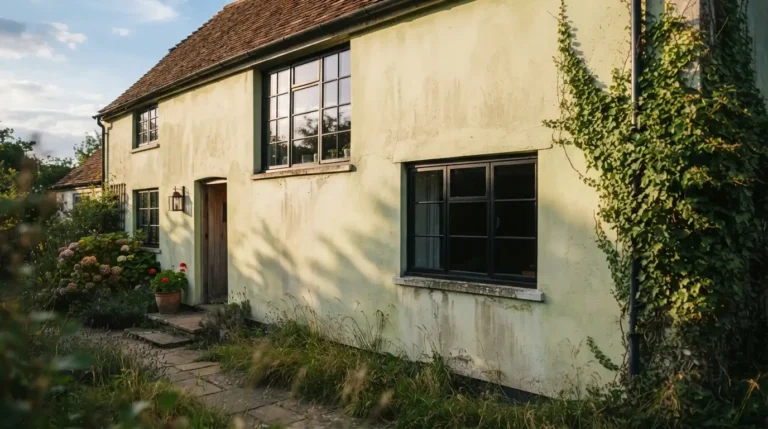
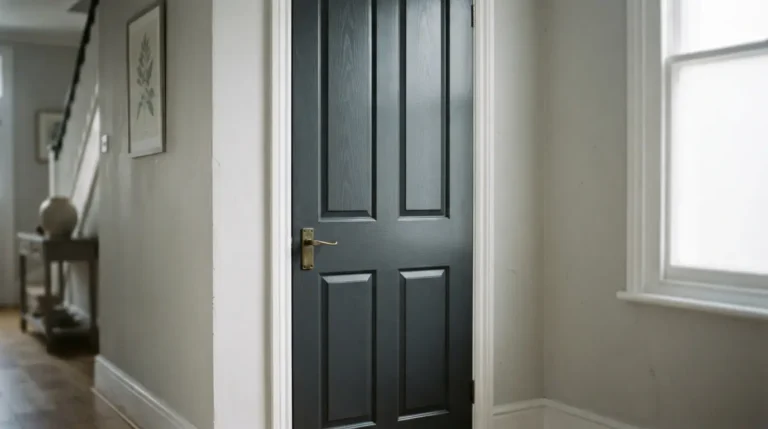
Before considering materials or security, be honest about what style genuinely suits your home. A country cottage calls for a different door style entirely than a contemporary new-build, and a front door that clashes with your property’s period or architectural language undermines the kerb appeal it’s meant to deliver, however nice it looks in isolation. This is worth deciding first, since it narrows your material and style options considerably before you get into the more technical decisions.
Choose uPVC for Budget-Friendly, Low-Maintenance Practicality
uPVC remains a genuinely low-maintenance option at a lower price point than most alternatives, and quality uPVC doors come fitted with modern, reliable locking mechanisms. The honest trade-off: uPVC is considerably less flexible if you want to change handles, door furniture, or locks down the line, it doesn’t hold up quite as long-term as some other materials, and it generally doesn’t suit a genuinely traditional or period property as convincingly as timber or composite would. It remains a sensible, practical choice for a contemporary home on a tighter budget, provided you’re comfortable with these specific limitations.
Choose Timber for Genuine Character, With an Honest Maintenance Commitment
A well-made timber door brings a genuine aesthetic versatility that suits both traditional and modern properties, and it’s easily repaired if damaged rather than needing full replacement. The honest caveat here matters: a quality hardwood door, properly maintained, delivers real security and thermal performance, but a cheaper softwood door, or one that isn’t kept up with regular care, can end up draughty and genuinely easier to force than you’d expect from a solid wood door. If you choose timber, budget for the higher upfront cost and commit to the ongoing maintenance it needs, rather than assuming any wooden door delivers the same performance regardless of quality or upkeep.
Choose Composite for the Best Balance of Security and Low Upkeep
Composite doors combine timber and uPVC elements, glass-reinforced fibre bonded with hard foam and reinforced with a steel or timber core, engineering a door that’s genuinely secure and requires very little ongoing maintenance while still offering a wide range of styles and finishes. This construction is what lets composite doors deliver strong energy efficiency and durability without the vulnerability a lower-quality timber or uPVC door can have. The trade-off is straightforwardly cost, composite doors generally sit at a higher price point than uPVC and can cost more than timber too, depending on the specific range, but for many households the combination of security, efficiency, and low upkeep genuinely justifies the difference.
Check for Genuine Security Certification, Not Just a Sturdy-Looking Lock
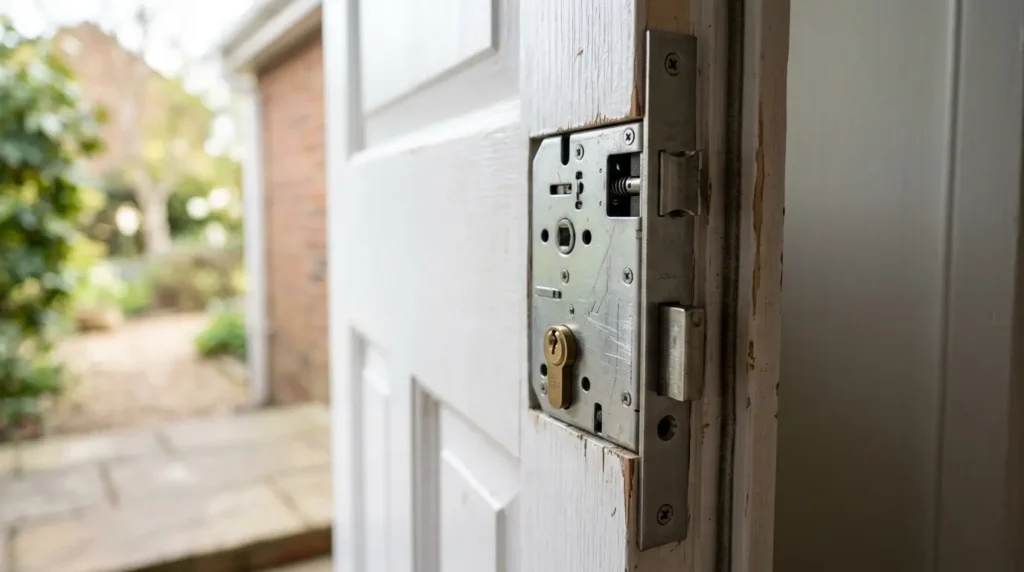
This is the detail most people skip entirely, and it’s worth understanding before you buy. Look specifically for PAS 24 certification, a recognised UK security standard for entrance doors, since this confirms the door has been tested against genuine forced-entry methods rather than simply looking robust. Beyond the door itself, check that it has at least two locking options, ideally including a mortice lock, since relying on a single lock type leaves a genuine gap in security regardless of how strong the door panel itself is. Equally important, and frequently overlooked, is the strength of the door frame, a well-locked door in a weak frame can still be forced by lifting the entire assembly out of its housing, so the frame’s construction and fitting matter just as much as the door and lock specification.
Verify Any Glazing Uses Toughened Safety Glass
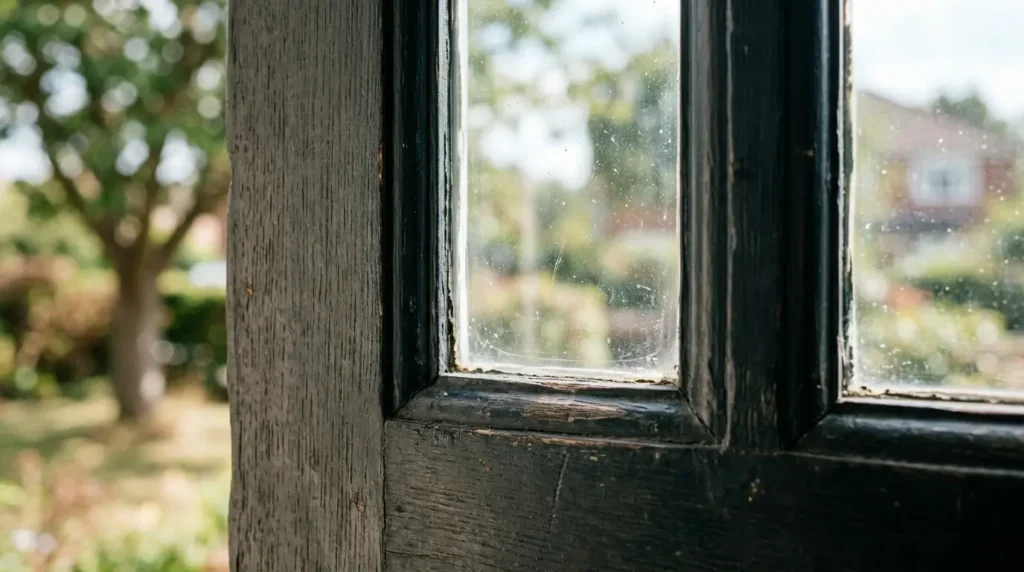
If your chosen door includes glazed panels, clear, frosted, or opaque, this glazing needs to be genuine toughened safety glass, not standard glass. Using the wrong glazing type turns what should be a decorative or light-enhancing feature into a real security weak point, since ordinary glass is considerably easier to break through than a door panel built to the same security standard. This is worth confirming explicitly with your supplier rather than assuming any glazed front door automatically meets an appropriate safety and security specification.
Check the Door’s Real Guarantee Terms Before You Buy
A reputable front door supplier should offer a genuine warranty covering mechanism failure within a reasonable period, and it’s worth checking specifically whether this extends to a full replacement if you’re genuinely dissatisfied with the finished product, not just a repair of individual components. A quality composite or solid oak door, properly cared for, can realistically last upwards of thirty years, regular cleaning, lubricating the hinges, and resealing the surface every few years all genuinely extend that lifespan, so it’s worth understanding what the guarantee actually covers over that kind of realistic timeframe rather than assuming all warranties offer equivalent protection.
Consider Sidelights or a Double Door for a Genuine Statement Entrance
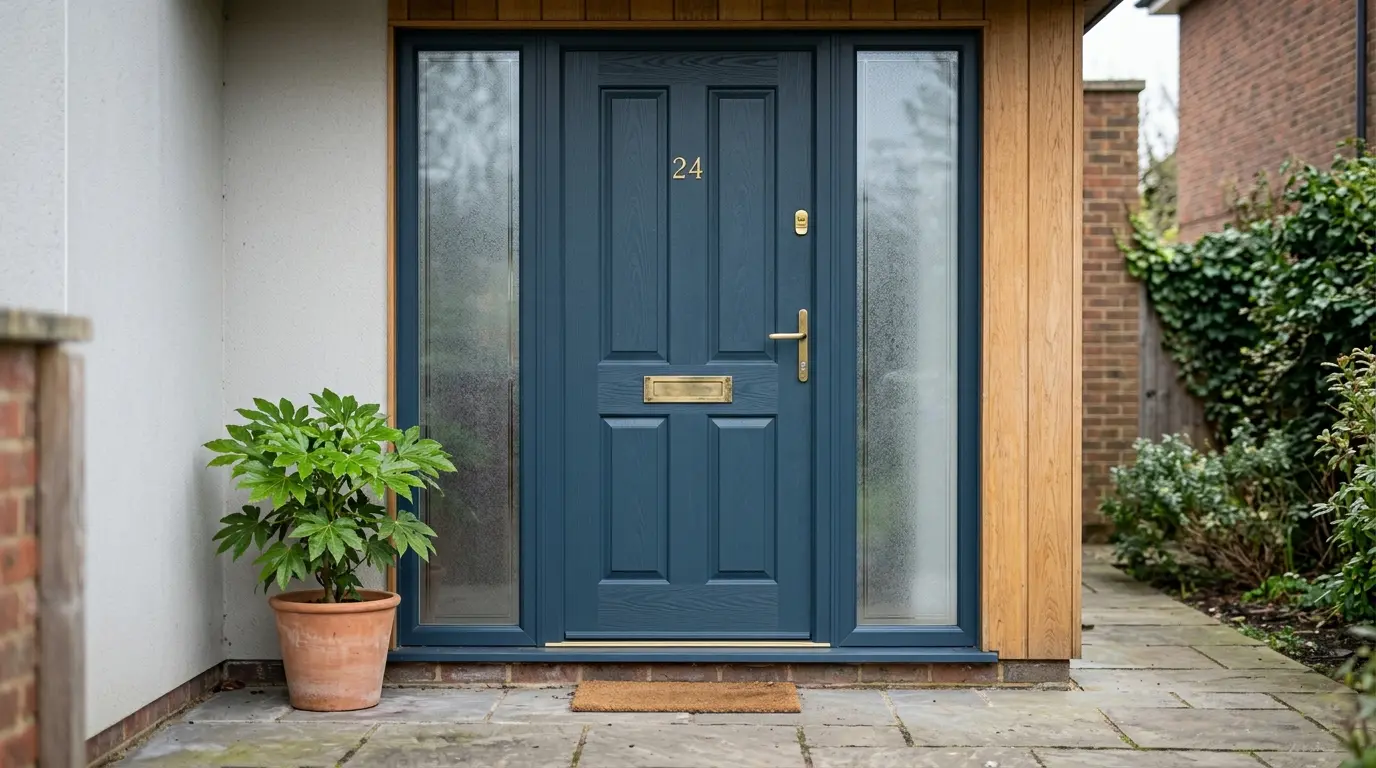
Beyond the standard single door, sidelights, fixed glazed panels either side of the door, or a full double door configuration both create a genuinely grander, more considered entrance if your property and budget support it. This is worth factoring into your decision early, since it affects the overall opening size and cost considerably more than a straightforward single-door replacement, but it delivers real visual impact for a property with the architectural scale to carry it well.
Final Thoughts
Choosing the right front door for your home really comes down to balancing genuine style fit with real security certification and honest material trade-offs, rather than choosing purely on colour or first impressions. Check for PAS 24 certification, confirm the frame is genuinely as strong as the door itself, and understand what the warranty actually covers, and the door you choose will protect your home properly for decades, not just look good on the day it’s fitted.
FAQs
What type of front door is best for security?
A composite door with PAS 24 certification generally offers the strongest combination of security and durability, though a quality timber or uPVC door with proper multi-point locking and a well-fitted, sturdy frame can also perform well. The certification and frame strength matter more than the material alone.
How long should a good front door last?
A quality composite or solid oak door can realistically last over thirty years with proper care, regular cleaning, hinge lubrication, and resealing the surface every few years. Cheaper materials or poor-quality construction will generally need replacing considerably sooner.
Is composite or uPVC better for a front door?
Composite generally outperforms uPVC in appearance, energy efficiency, and long-term durability, resisting fading and warping better over time. uPVC remains a genuinely cost-effective option, but composite offers stronger overall value and security for a higher upfront cost.
Do I need special glass in a front door?
Yes, any glazed panel in a front door should be toughened safety glass specifically, not standard glass, since ordinary glazing creates a genuine security weak point regardless of how strong the rest of the door is.
What locks should a front door have?
At least two locking options are recommended, ideally including a mortice lock alongside a standard cylinder lock, since relying on a single lock type leaves a genuine security gap. The door frame’s strength matters just as much, since a weak frame can be forced even with a well-locked door.