How to Choose Moisture Resistant Bathroom Paint That Actually Lasts

The right paint for a bathroom that handles moisture is a purpose formulated acrylic paint with mould and mildew inhibitors, applied in a satin or semi gloss finish over a properly prepared, primed surface. Skip any of those three parts and even an expensive tin of paint will peel within a year or two.
I have lost count of how many times a homeowner has shown me photos of bubbling paint above a shower and asked what went wrong, when the honest answer is usually the same: the wrong finish, no primer, or paint applied before the last coat of grout sealant had properly cured. This bathroom paint guide covers what actually holds up in a bathroom, not just what the tin promises.
Why Standard Interior Paint Fails in a Bathroom
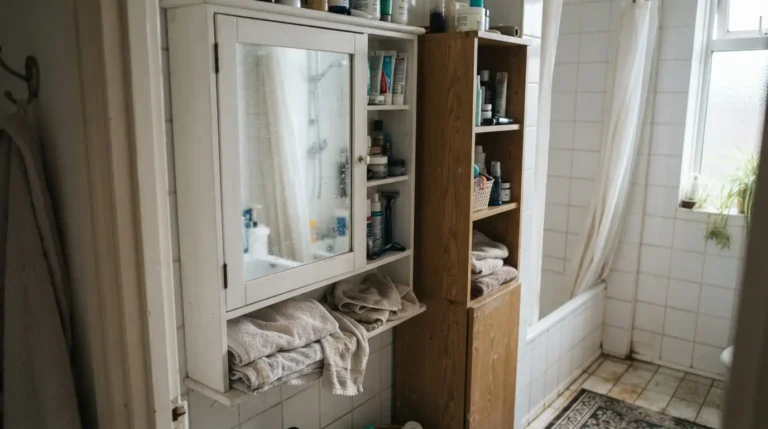
Standard flat or matte interior paint is porous, which means it absorbs steam and water vapour instead of shedding it. In a bathroom, that moisture gets trapped behind the paint film and eventually causes bubbling, peeling and patches of mould, usually starting near the shower, above the bath, or on the ceiling directly over a shower head.
This is the single biggest cause of bathroom paint failure I see in practice, more common than a poor quality product. A premium moisture resistant bathroom paint applied without any ventilation still struggles, while a mid range paint in a well ventilated bathroom with an extractor fan often outperforms it.
What Makes a Paint Genuinely Moisture Resistant
A true moisture resistant bathroom paint is not just a marketing label. It uses waterborne acrylic resins that cure into a tighter, more flexible film than standard emulsion, along with antimicrobial additives that slow mould and mildew growth directly on the paint surface.
That last point matters because it is often misunderstood. Mildew resistant additives stop growth on the surface of the paint. They do nothing for moisture that is already trapped behind the wall from a leak, poor sealant, or a bathroom with no extraction at all. A good rule of thumb is that paint protects the surface, ventilation protects the structure, and you need both working together, not one instead of the other.
Independent product testing generally shows bathroom rated paints resisting mildew growth for significantly longer than standard interior emulsion under the same humidity conditions, though exact figures vary by manufacturer and should be checked against the specific product data sheet rather than assumed.
Best Bathroom Paint Type by Finish
Sheen level affects moisture resistance more than most homeowners expect. Flat and matte finishes are more porous and absorb steam, while glossier finishes shed water and clean more easily, at the cost of highlighting wall imperfections.
| Finish | Moisture Resistance | Best Used For | Trade-Off |
| Flat / Matte | Poor, unless it’s a purpose-made bath and spa formula | Low humidity powder rooms only | Absorbs steam, shows watermarks |
| Eggshell | Moderate | Half baths, guest bathrooms with good ventilation | Not ideal for direct splash zones |
| Satin | Good | Most bathroom walls | Slight sheen shows some wall texture |
| Semi Gloss | Very Good | Trim, doors, areas near the shower or bath | Highlights uneven plaster or filler |
| High Gloss | Excellent | Small trim details, not full walls | Can look clinical over large areas |
For most full bathrooms, satin on the walls and semi gloss on the trim and door frames is the combination most decorators default to, balancing durability with a finish that doesn’t look overly clinical.
Waterproof Paint vs Moisture Resistant Paint, What’s the Difference
Waterproof paint bathroom products and standard moisture resistant paint are often confused, but they solve different problems. A moisture resistant bathroom paint protects a wall from ambient humidity and light splashing. It is not designed to hold back direct, standing water.
For areas that see genuine water contact, such as inside a shower enclosure or the tiled area around a bath, tanking systems or waterproof membranes applied under the tile are the correct solution, not paint of any kind. Paint sits on top of a wall as a finish. Waterproofing systems sit underneath as a barrier. Confusing the two is one of the more expensive mistakes I see, usually discovered only after a leak has already damaged the plasterboard behind the tiles.
How to Prep a Bathroom Wall Before Painting
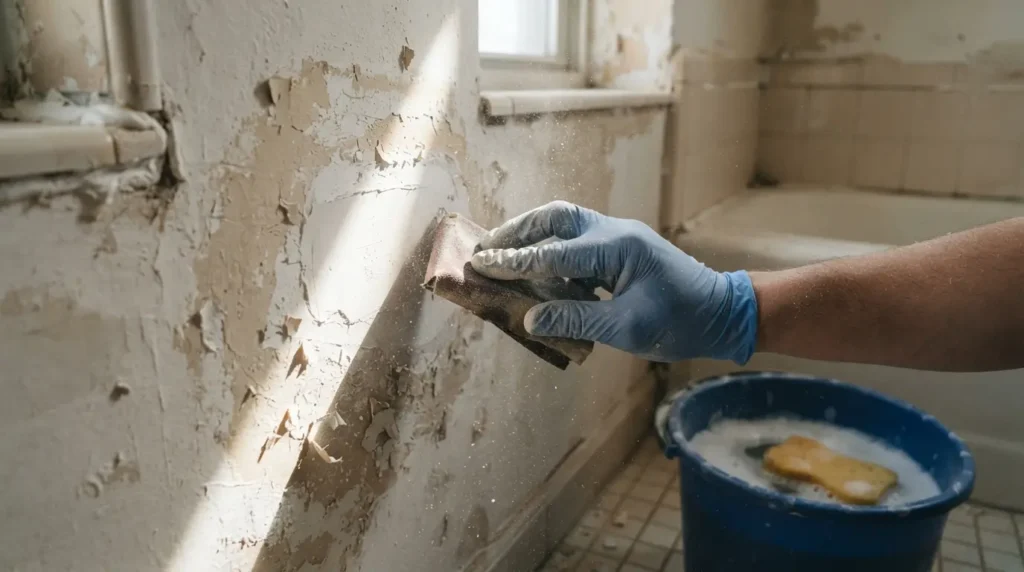
Preparation is where most of the actual paint job’s longevity gets decided, well before the first coat goes on. Skipping or rushing this stage is the most common reason a good paint still fails early.
- Clean the walls thoroughly to remove soap scum, grease and any existing mildew, using a mild bleach solution on affected patches
- Let the wall dry completely, ideally with the extractor fan running for a few hours, since painting over residual damp locks moisture into the new film
- Sand glossy or previously painted surfaces lightly so the new coat has something to grip
- Apply a mildew resistant primer, particularly over any area that previously showed staining or mould, since primer alone can stop old stains bleeding through the new paint
Most professional bathroom repaints allow a full day for prep and drying before any paint goes on, especially if mould treatment was needed. Rushing this stage to finish a weekend project is the single most common cause of early peeling I come across.
Ceiling Paint for Bathrooms Needs Its Own Rule
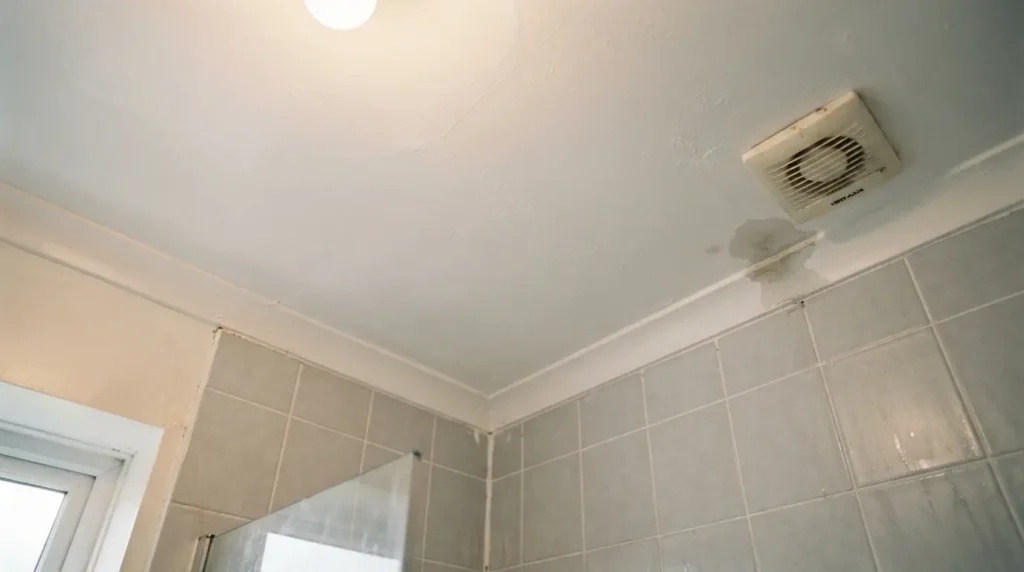
Bathroom ceilings take the worst of the steam, since heat and moisture rise and settle directly above the shower. A dead flat ceiling paint, even a good one, tends to hold onto that moisture longer than a wall would, which is why many bathroom rated ranges offer a specific low luster ceiling formula rather than a true matte.
If a bathroom ceiling has chronic spotting or fine mould dots, even after a repaint, that is usually a ventilation problem rather than a paint problem. No ceiling paint, however well formulated, fully compensates for a bathroom with no working extractor fan or window.
How Long to Wait Before Using the Shower After Painting
Paint can feel dry to the touch within an hour, but curing is a separate process from drying, and it takes considerably longer. Most moisture resistant bathroom paints need at least 24 hours before any exposure to steam, and manufacturers commonly recommend waiting 48 to 72 hours before running a full hot, steamy shower.
Running the shower too soon traps moisture against a paint film that hasn’t fully cured, which is one of the fastest ways to cause bubbling in a brand new paint job. If you only have one bathroom and can’t avoid using it, keep the extractor fan running well after each shower for the first few days and leave the door open when possible.
How Much Does It Cost to Repaint a Bathroom?
| Item | Typical Cost Range (approximate, GBP) |
| Bathroom rated paint, per 2.5L tin | £30 to £70 |
| Standard premium interior emulsion, per 2.5L tin | £20 to £45 |
| Mildew resistant primer, per 2.5L tin | £20 to £40 |
| Professional bathroom repaint, small bathroom | £250 to £500 |
| Professional bathroom repaint, including full prep and mould treatment | £400 to £900 |
| DIY full repaint, materials only | £60 to £150 |
Costs vary by country, room size and how much prep work is needed, so treat this as a planning range rather than a fixed quote. Most homeowners find that spending a bit more on a proper bath and spa rated paint over a standard premium emulsion pays for itself, since a bathroom rated paint typically buys several extra years of life before the walls need attention again.
Choosing a Colour That Works With a Moisture Resistant Finish
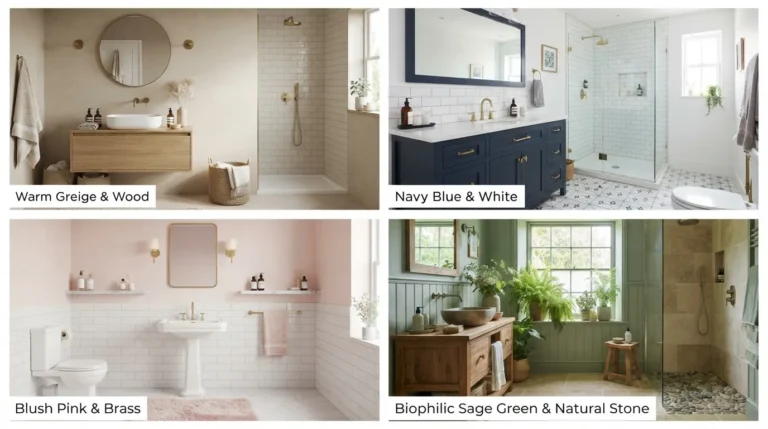
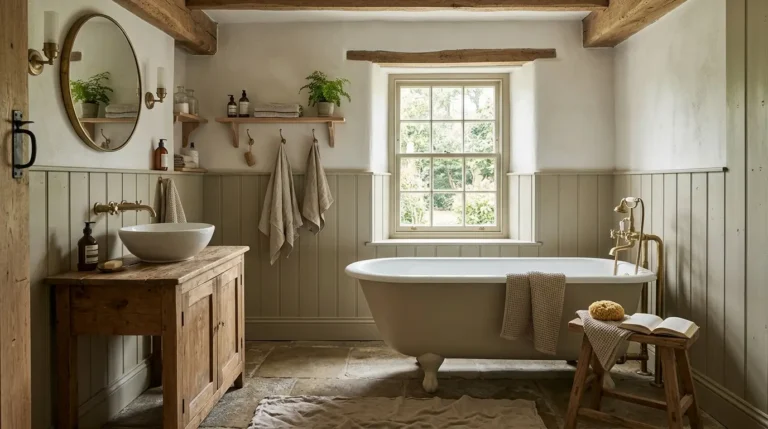
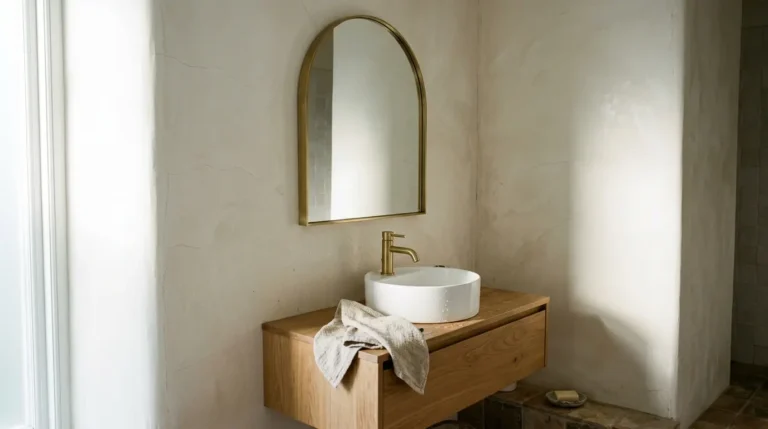
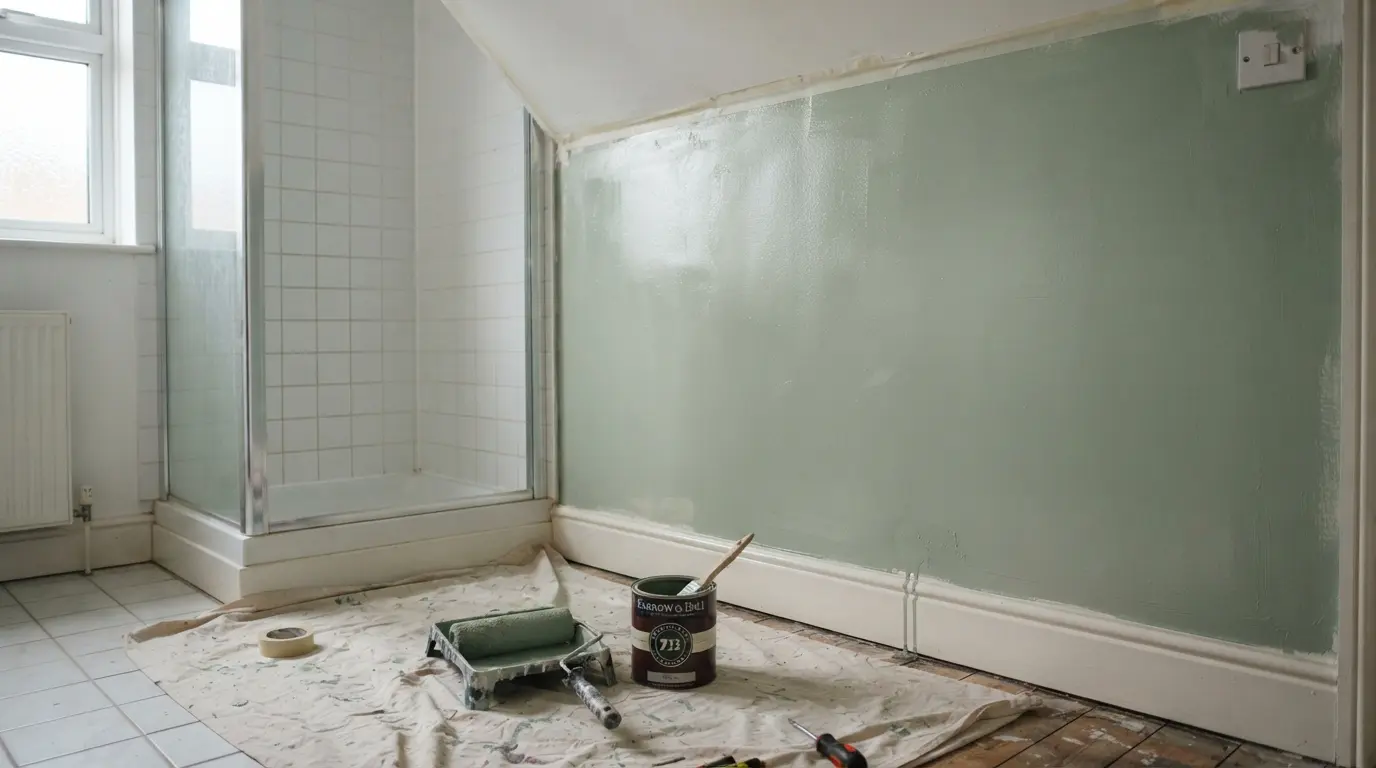
Sheen and colour interact more in a bathroom than in any other room, since glossier finishes reflect more light and can make a bold colour feel more intense than the same shade in matte. Warm whites, sage greens and soft dusty blues remain popular choices for bathrooms because they read as calm rather than clinical, even with the extra sheen a moisture resistant finish requires.
Darker, saturated colours still work well in satin or semi gloss, particularly in bathrooms with good natural light, but it’s worth testing a sample patch under the bathroom’s actual lighting rather than judging from a paint chip in daylight, since bathroom lighting often runs warmer or cooler than the rest of the house.
Common Mistakes to Avoid When Painting a Bathroom
The most common mistake is using leftover paint from another room because it’s already in the shed, rather than buying a proper bathroom rated product. It might look fine for the first few months and then start failing above the shower within a year.
A close second is painting over mould instead of treating it first. Paint, even a mildew resistant one, will not kill existing mould spores, only slow new growth on a clean surface. The third repeat mistake is skipping ventilation entirely during and after painting, assuming the paint alone will handle the moisture. No paint, however well formulated, replaces a working extractor fan in a room that generates this much steam on a daily basis.
Conclusion
Choosing moisture resistant bathroom paint comes down to three decisions that matter far more than the colour on the swatch: a genuine bath and spa rated product, the right sheen for where it’s going on the wall, and proper prep and ventilation to back it up. Get those three right and a bathroom repaint should hold its finish for years rather than months. Get any one of them wrong, and even the most expensive paint on the market will eventually bubble above the shower.
FAQs
What is the best paint for a bathroom with no window or extractor fan?
A bath and spa rated paint with strong mildew inhibitors gives the best chance of holding up, but a bathroom with no ventilation at all is a structural problem paint alone cannot fully solve. Adding extraction, even a simple window vent or a retrofitted extractor fan, should be treated as a priority alongside the repaint.
Can I use matte paint in a bathroom?
Standard matte paint is not recommended because it is porous and absorbs steam. Some premium bath and spa lines offer a matte formula specifically engineered for moisture resistance, but a standard matte from a general interior range is a poor choice for a full bathroom.
Do I need a special primer for bathroom walls?
Yes, particularly if the wall has any history of staining or mould. A mildew resistant primer stops old stains bleeding through and gives the topcoat a more even surface to bond to.
Is satin or semi gloss better for bathroom walls?
Satin is the more common choice for full bathroom walls, offering good moisture resistance without looking overly shiny. Semi gloss is generally reserved for trim, doors and areas closest to the shower or bath where extra durability matters more than the softer look.
How often does bathroom paint need to be redone?
A properly prepped bathroom with a bath and spa rated paint and decent ventilation typically lasts several years longer than a standard paint job, though exact timelines depend heavily on how much steam the room sees daily and how well it’s ventilated.