How to Get a Perfect Lawn: The Complete Care Guide

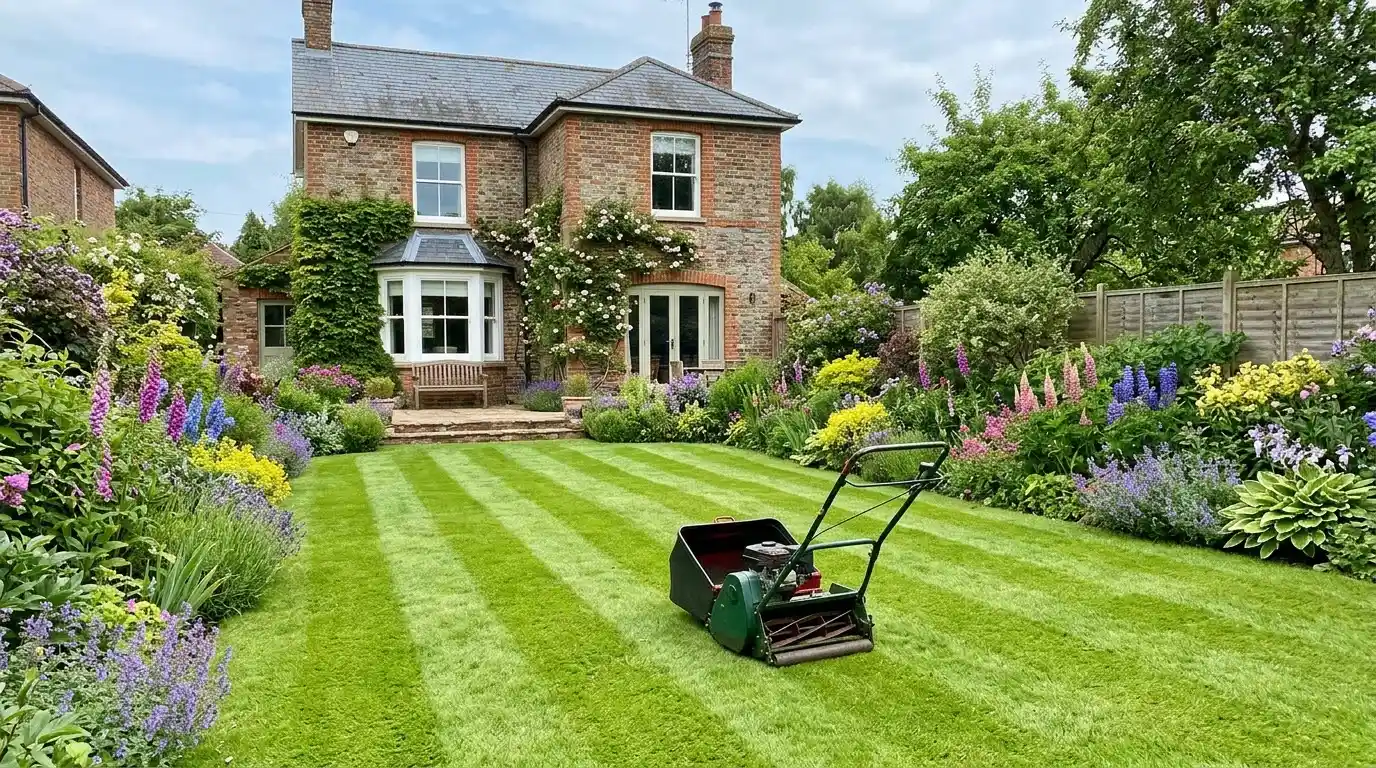
A perfect lawn in a UK garden requires consistent attention to mowing height, feeding, scarifying, and seasonal timing rather than a single miracle product. Most British lawns perform best when cut to 25-38 mm during the main growing season, with the first cut of spring set higher at around 40 mm once growth starts in March. Removing more than one third of the blade in a single pass stresses the grass and invites disease, so frequent lighter cuts produce denser turf. Soil compaction and thatch build-up are the usual reasons a lawn looks thin despite regular mowing.
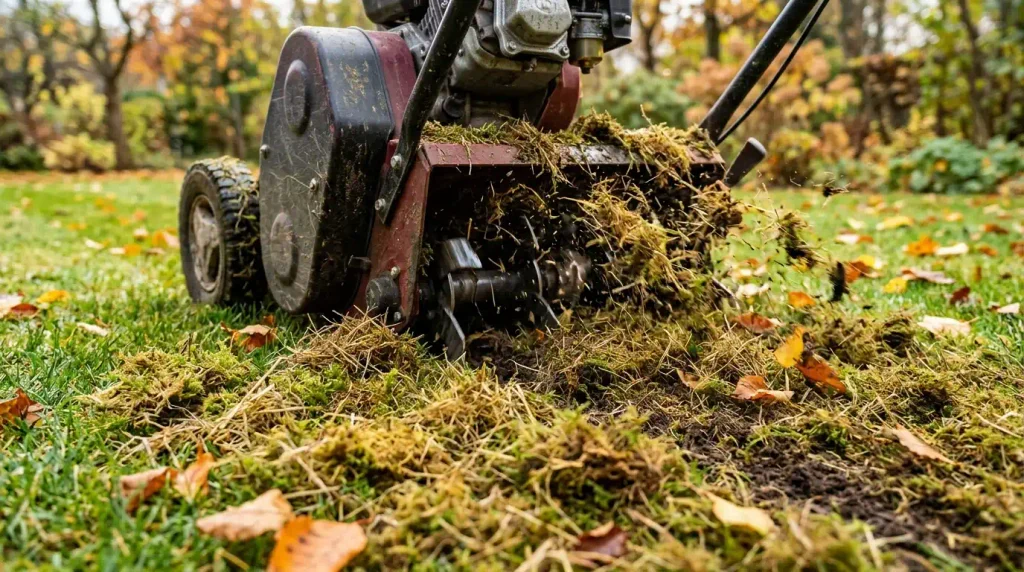
Start by assessing your lawn in early spring. Walk it after rain; footprints that remain indicate compaction that needs aeration. Thatch thicker than 1 cm benefits from scarifying, best done in September to mid-October when soil is still warm and recovery time exists before winter. Apply a moss killer containing ferrous sulphate four to six weeks beforehand so dead moss lifts cleanly. Mow short to 25-30 mm the day before scarifying, then work in two directions and clear the debris thoroughly.
After scarifying, aerate with hollow tines or a garden fork, top-dress with a sandy loam mix, overseed thin patches at 25-35 g per square metre, and apply a low-nitrogen autumn fertiliser. This sequence matches the advice in our guide to design a garden on a budget where low-cost recovery steps deliver visible results without specialist equipment.
Mowing Heights and Frequency
Set the mower deck so the cutting height measures 25-38 mm with a ruler against a hard edge rather than trusting the dial alone. Raise the height in hot dry spells and lower it gradually in autumn. Mow weekly from April through September on most lawns, collecting clippings or mulching if the grass is short. Never mow frozen or waterlogged ground, and avoid cutting immediately after heavy rain when the surface is soft. Sharp blades every 8-10 hours of use prevent tearing that leaves brown tips.
In the north of the UK and on higher ground, start spring mowing two to three weeks later than in the south. First cut of the year should remove only the tips at a high setting. Regular mowing at the correct height crowds out weeds and moss more effectively than any single treatment.
Feeding and Seasonal Programme
Feed in spring with a balanced lawn fertiliser once growth is active, again in early summer, and switch to a low-nitrogen high-potassium autumn feed in September or October. Avoid feeding between November and February. Over-fertilising in spring produces soft growth that is more prone to disease. Water new seed or turf deeply but infrequently to encourage deep roots; established lawns rarely need irrigation except in prolonged drought.
Scarify once a year in autumn for most lawns. Aerate every year or two on heavy soils. Overseed after scarifying while the surface is open. These steps keep the lawn dense enough that weeds struggle to establish.
Common Mistakes to Avoid
Cutting too short is the most frequent error. It exposes the crown, lets moss in, and slows recovery. Leaving thatch thicker than 1 cm blocks water and nutrients. Applying moss killer and scarifying on the same day spreads live moss. Skipping the recovery feed after scarifying leaves the lawn thin through winter. Measure height rather than guessing, and time major work for September when conditions favour recovery.
Conclusion
A perfect lawn comes from correct mowing height of 25-38 mm, annual scarifying in autumn, aeration, overseeding, and timed feeding. Prepare by checking compaction and thatch, then follow the sequence of short mow, scarify, aerate, top-dress, seed, and feed. These practical steps suit UK weather and deliver denser grass without constant intervention. Measure carefully and time work for the growing season.
FAQs
What height should I mow my lawn in the UK?
Most UK lawns do best at 25-38 mm. Start the season higher and lower the deck gradually. Raise it again in hot weather or shade.
When is the best time to scarify?
September to mid-October gives the best recovery in the UK. Soil is warm, rain helps, and there is time for thickening before winter.