How to Style an Armchair with Cushions and Throws

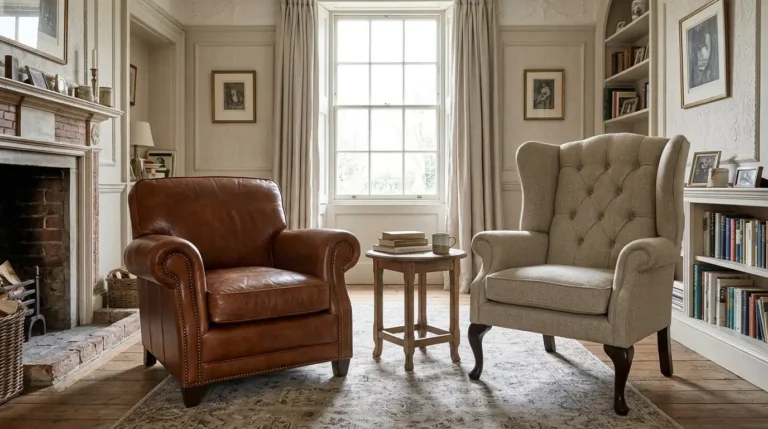
Styling an armchair with cushions and throws adds comfort and personality without needing new furniture. In British living rooms the right combination softens hard lines, adds warmth for cooler months, and ties the chair to the rest of the room. Too many cushions can look cluttered; the wrong size can make the seat uncomfortable. This guide covers practical sizes, layering methods, fabric choices, and common mistakes so the armchair feels welcoming and stays usable every day. Small changes in cushion placement or throw drape often make the biggest difference to how the chair is used.
Choose the Right Cushion Sizes and Fillings
A standard armchair seat is roughly 450 to 500 mm deep. A 40 cm or 45 cm square cushion sits well without overwhelming the seat. Lumbar cushions of 30 by 50 cm support the lower back. Feather and down mixes feel soft but need plumping; high-density foam holds shape longer. In family homes a firmer filling stays neat. Check that the cushion cover is removable and washable. In UK homes with central heating, fabrics that breathe help prevent the seat feeling clammy in warmer months. Related sofa styling advice that transfers well is in how to style a sofa in your living room like a designer. Measure your existing seat depth before ordering so the cushion does not push you forward when you sit.
Layer Cushions for Comfort and Balance
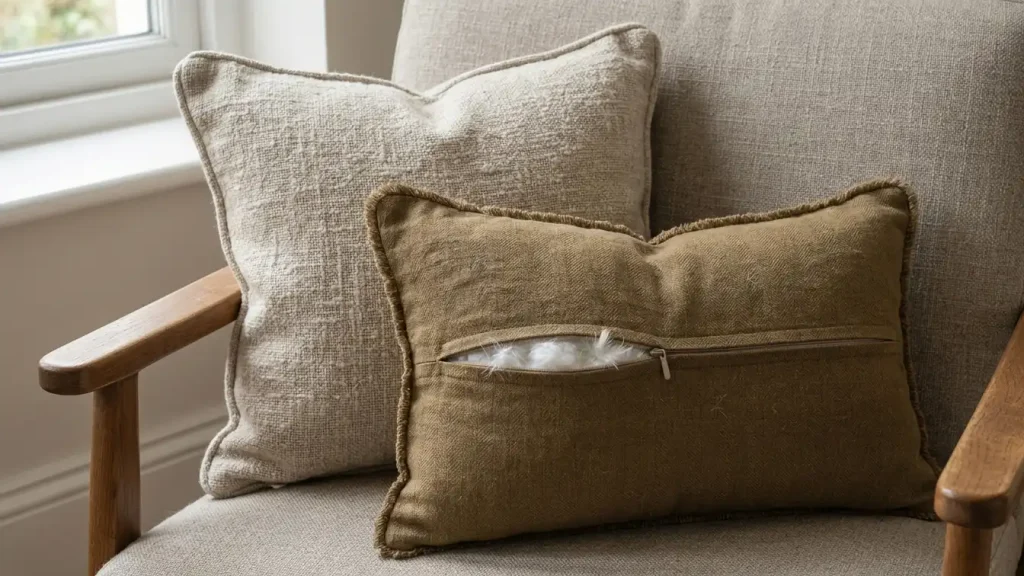
Start with one larger cushion at the back of the seat and a smaller one in front. Odd numbers usually look more natural. Place the lumbar cushion upright against the back. Avoid stacking so many that the seat depth becomes too short for comfortable sitting. In smaller chairs two cushions are often enough. Match at least one colour or texture to the sofa or curtains so the room feels cohesive. In open-plan living rooms the layering should not compete with the main sofa arrangement. Accent chair ideas that use cushions effectively appear in 12 accent chair ideas to add character to a living room. Test the final arrangement by sitting down; if your knees are higher than your hips the cushions are too thick or too many.
Select Throws for Warmth and Texture
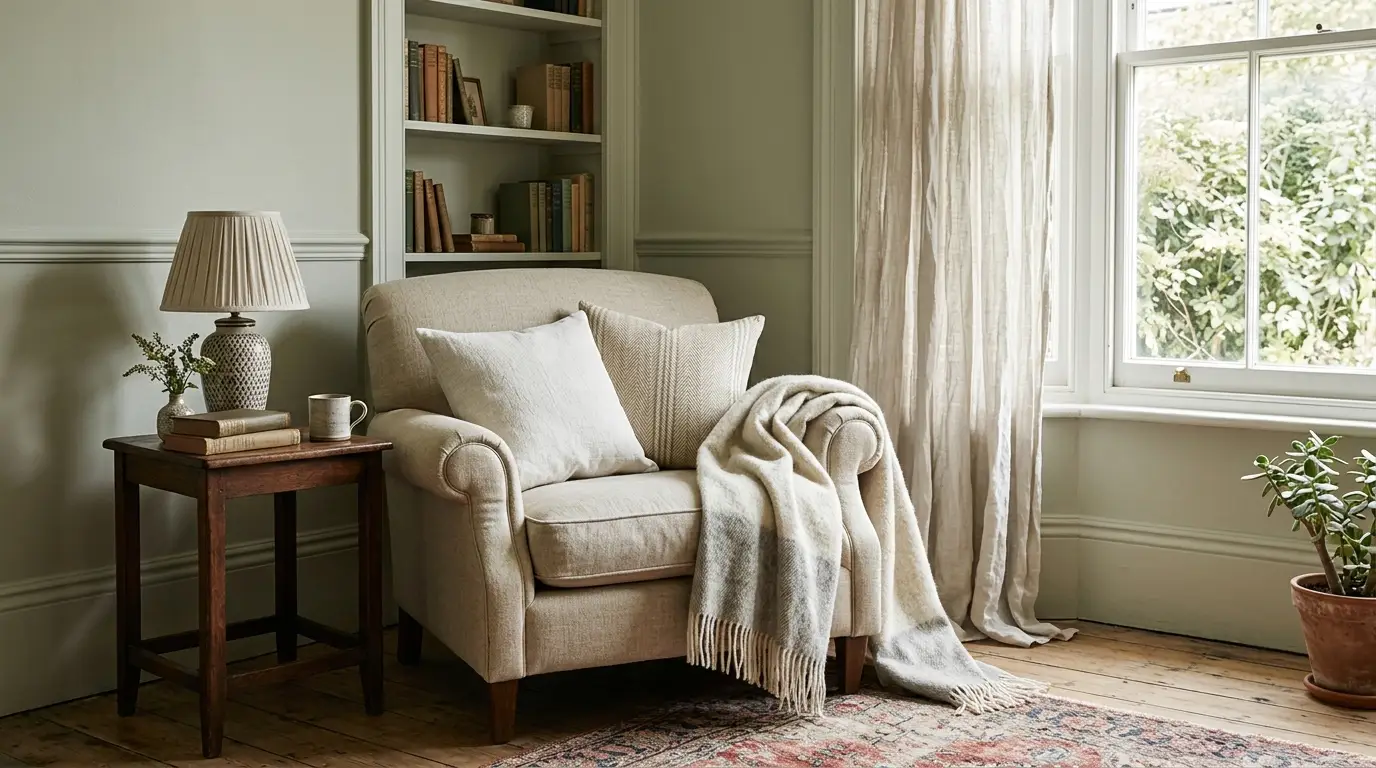
A throw measuring 130 by 170 cm drapes neatly over most armchairs without trailing on the floor. Wool, cotton, or soft acrylic blends work well in UK homes. Drape the throw over one arm and across the seat, or fold it at the foot if the chair is used for reading. In winter a heavier weight adds cosiness; in summer a lighter linen or cotton throw keeps the look fresh. Choose a colour that either matches or gently contrasts with the upholstery. In homes with pets a tighter weave is less likely to catch claws. Broader decor ideas are in 15 living room decor ideas to refresh your space. Store the throw folded in a basket nearby if you prefer a cleaner look during the day.
Match Fabrics and Colours to the Room
If the armchair is a bold colour, keep cushions in neutral tones with one patterned accent. For neutral chairs you can introduce colour through the cushions and throw. Performance fabrics resist stains better in busy homes. Check rub counts above 15,000 for longevity. In north-facing rooms warmer tones prevent the chair looking cold. Test samples against the existing upholstery in both daylight and evening light. In period homes a linen or wool throw often suits the architecture better than shiny synthetics. Colour scheme guidance that helps with matching is available in how to choose the perfect colour scheme for your living room. Keep the number of different patterns to two so the arrangement stays calm.
Avoid Common Styling Mistakes
Do not overfill the seat so that sitting becomes difficult. Avoid throws that are so long they become trip hazards. Match the scale of patterns to the size of the chair; large prints can overwhelm a small armchair. Keep at least one plain cushion so the arrangement does not look busy. In rental homes choose covers that are easy to change rather than permanent alterations. Regularly fluff cushions so the chair continues to look intentional rather than lived-in in a messy way. Check that the throw does not cover the arms in a way that makes the chair hard to get in and out of. In small rooms a single throw and two cushions are usually more effective than a fuller arrangement.
Conclusion
Styling an armchair with the right cushions and throws adds comfort and ties the piece into the living room without clutter. Choose sizes that suit the seat depth, layer sparingly, and select fabrics that match both the room and daily use. A single well-chosen throw and two or three cushions usually create the best balance. Test the arrangement by sitting in the chair, then adjust until it feels as good as it looks. Seasonal swaps of the throw keep the chair feeling fresh without new furniture.
FAQs
How many cushions should I put on an armchair?
Two or three is usually enough. One larger cushion at the back and a smaller or lumbar cushion in front keeps the seat usable while adding comfort and style.
What size cushion works best on a standard armchair?
A 40 cm or 45 cm square cushion fits most seats. Lumbar cushions around 30 by 50 cm support the lower back without taking up too much depth.
How do I drape a throw on an armchair?
Drape it over one arm and across part of the seat, or fold it neatly at the front edge. A 130 by 170 cm throw is a practical size that does not trail on the floor.
Which fabrics last longest for cushions and throws?
Performance fabrics, tightly woven cotton, and wool blends hold up well. Look for removable, washable covers and a rub count above 15,000 for cushions that see daily use.
Can I use the same cushions on an armchair and sofa?
Yes if the sizes and colours coordinate. Matching at least one colour or texture across both pieces helps the room feel unified without looking overly matched.
How do I stop cushions looking messy?
Plump them daily and choose fillings that hold shape. Limit the number so they do not slide off, and keep at least one plain cushion to balance any patterns.
Are throws safe around children and pets?
Choose shorter throws that do not trail and fabrics that are easy to clean. Secure loose ends if the throw is left draped so they do not become a trip hazard.