
How to Choose the Right Bed Size for Your Room

Choosing the right bed size for your room comes down to two numbers most people never actually check: how much floor space your room genuinely has left after the bed goes in, and how much personal sleeping space each size gives you or the person sharing it with you. Most bed size confusion isn’t about the sizes themselves, it’s about skipping this simple maths before falling for a size that looks right in a showroom or on someone else’s Instagram bedroom.
UK Bed Sizes at a Glance
| Bed Size | Metric (W × L) | Imperial (W × L) |
| Small Single | 75 × 190cm | 2’6″ × 6’3″ |
| Single | 90 × 190cm | 3′ × 6’3″ |
| Small Double | 120 × 190cm | 4′ × 6’3″ |
| Double | 135 × 190cm | 4’6″ × 6’3″ |
| King | 150 × 200cm | 5′ × 6’6″ |
| Super King | 180 × 200cm | 6′ × 6’6″ |
| Emperor | 215 × 215cm | 7′ × 7′ |
These are the standard UK sizes, though actual product dimensions can vary by a centimetre or two between manufacturers, so treat this as a reliable guide rather than an exact universal spec.
Match Bed Size to Room Size, Not Just to Who’s Sleeping In It
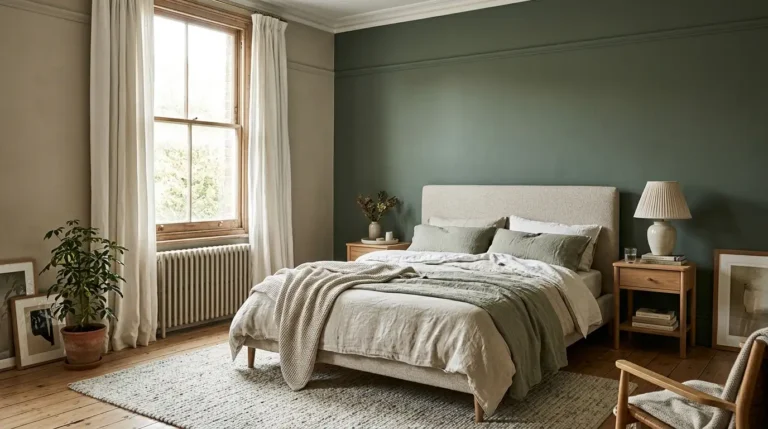
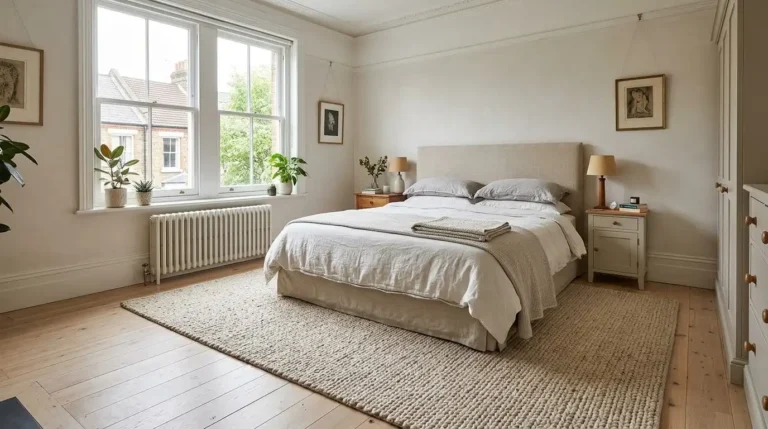
A bed that’s the right size for two people isn’t automatically the right size for the room they’re in. As a rough guide: a room under roughly 3 x 3 metres suits a single or small double comfortably, a room around 3.5 x 3 metres has room for a double or king, and anything above 4 x 4 metres can genuinely accommodate a king or super king without the bed dominating the space. A bed that takes up too much of the visible floor makes a room feel smaller regardless of the room’s actual square footage, so it’s worth thinking in terms of what’s left over once the bed, a wardrobe, and bedside tables are all accounted for, not just whether the bed itself technically fits.
How Much Personal Space Each Size Actually Gives You

This is the calculation most buying guides skip, and it’s genuinely useful if you’re choosing between sizes for two people sharing. A standard double splits to roughly 67.5cm of width per person, noticeably less than a single bed gives one person on their own. A king gives each sleeper around 75cm, close to a small single’s width each. A super king stretches that to around 90cm per person, close to a full single bed’s worth of space each while still sharing the same bed. If either of you is a restless sleeper, runs warm, or simply values more personal space at night, this per-person figure is a more honest way to compare sizes than the total bed dimensions alone.
If You’re Shopping From Outside the UK: Size Name Conversions
Bed size names aren’t consistent across countries, and this catches out more people than the actual dimensions do. A UK Single is close to a US Twin, though slightly narrower. A UK Double lines up reasonably closely with a US Full. A UK King is close to a US Queen, not a US King, which is a common and genuinely confusing mismatch when shopping cross-border. A UK Super King is close to a US King, again slightly different in exact width. A US California King doesn’t match any standard UK size at all, it’s longer and narrower than a UK Super King. If you’re ordering bedding internationally or comparing a UK-listed bed against a size name you recognise from elsewhere, check the actual centimetre or inch measurements rather than trusting the size label to mean the same thing everywhere.
Don’t Forget Frame Height and Mattress Thickness

Room floor space is only half the measurement that matters. Stack your mattress thickness, typically 20-30cm, on top of your bed frame’s height, and check the total against how comfortable it is to actually get in and out of. A total height of roughly 55-60cm generally lets an adult sit on the edge with feet flat on the floor and knees at close to a right angle, which is the most comfortable entry and exit height for most people. A tall divan with a thick mattress can push well past this, which some people like for an easier stand-up, and others find awkward to climb into. If you’re adding a headboard, budget an extra 5-10cm to the bed’s overall footprint, and if you’re choosing a frame with drawers or an ottoman lift, make sure there’s still genuine clearance in front for them to open fully once the bed is in place.
Test the Size Properly Before You Buy
Before committing to any size, mark the bed’s actual footprint on your bedroom floor with tape or a sheet of newspaper cut to size. This shows you far more than a room’s total square metreage alone, since it reveals exactly how the bed sits relative to doors, windows, and other furniture, and whether the room starts to feel cramped the moment you walk it. If you can, lie on a floor model in your actual usual sleep position rather than just sitting on the edge, a size that feels fine for thirty seconds in a showroom can feel different once you’re lying the way you actually sleep. It’s also worth remembering that bedding costs scale up with bed size, a super king duvet and sheets cost meaningfully more than a double’s, so factor that ongoing cost into the decision alongside the bed itself.
Common Bed Size Mistakes
The most frequent mistake is sizing up for comfort without checking what’s left in the room afterward, a king or super king that technically fits can still leave no real walking space once a wardrobe and bedside tables are in, which you’ll notice every day, not just on delivery day. The second is assuming a size name means the same thing internationally, ordering bedding or comparing a bed size across a US or European site without checking the actual measurements. The third is forgetting to measure the total height, frame plus mattress, against how easy the bed actually is to get in and out of, particularly relevant for anyone with mobility considerations or a household with young children who climb in themselves.
Final Thoughts
Choosing the right bed size for your room comes down to more than picking the biggest size that technically fits: check the room’s actual leftover space, the personal space each size gives you or your partner, and, if you’re shopping internationally, the real measurements behind whatever the size is called. Get those checks right and the bed you choose will feel proportionate to the room and comfortable to sleep in, not just impressive on paper.
FAQs
What is the difference between a king and a super king bed?
A UK king measures 150 x 200cm, while a super king measures 180 x 200cm, 30cm wider. That extra width gives each person sharing the bed roughly 15cm more personal space, from about 75cm each on a king to around 90cm each on a super king.
Is a double bed too small for two adults?
It depends on preference and how you sleep. A double gives each person roughly 67.5cm of width, noticeably less than a single bed offers one person alone, so restless sleepers or anyone valuing more space at night often find a king more comfortable.
What UK bed size is closest to a US queen?
A UK king is the closest match to a US queen, not a US king, which is a common source of confusion when shopping across countries. Always check the actual centimetre or inch measurements rather than relying on the size name alone.
How much room clearance do I need around a bed?
Aim for at least 50-70cm of walking space around the bed where possible, more if you need wardrobe or drawer doors to open fully nearby. Marking the bed’s footprint on the floor with tape before buying shows you this more clearly than room dimensions alone.
What size bed is best for a small bedroom?
A single or small double generally suits a room under roughly 3 x 3 metres, keeping enough floor space free for movement and other essential furniture. A double can work in a slightly larger small room, but check the clearance around it before committing.