8 Oak TV Unit Ideas for a Warm and Natural Look

Oak TV units bring warmth and natural grain into UK living rooms without looking heavy. Light oak TV unit options suit brighter spaces while dark oak TV unit choices add depth in traditional rooms. A 200 cm oak TV unit gives enough width for most modern televisions and leaves space for storage on either side. This guide covers eight practical oak TV unit ideas with notes on sizes, clearances and finishes that work in British homes.
1. Low Light Oak TV Unit for Open Sight Lines
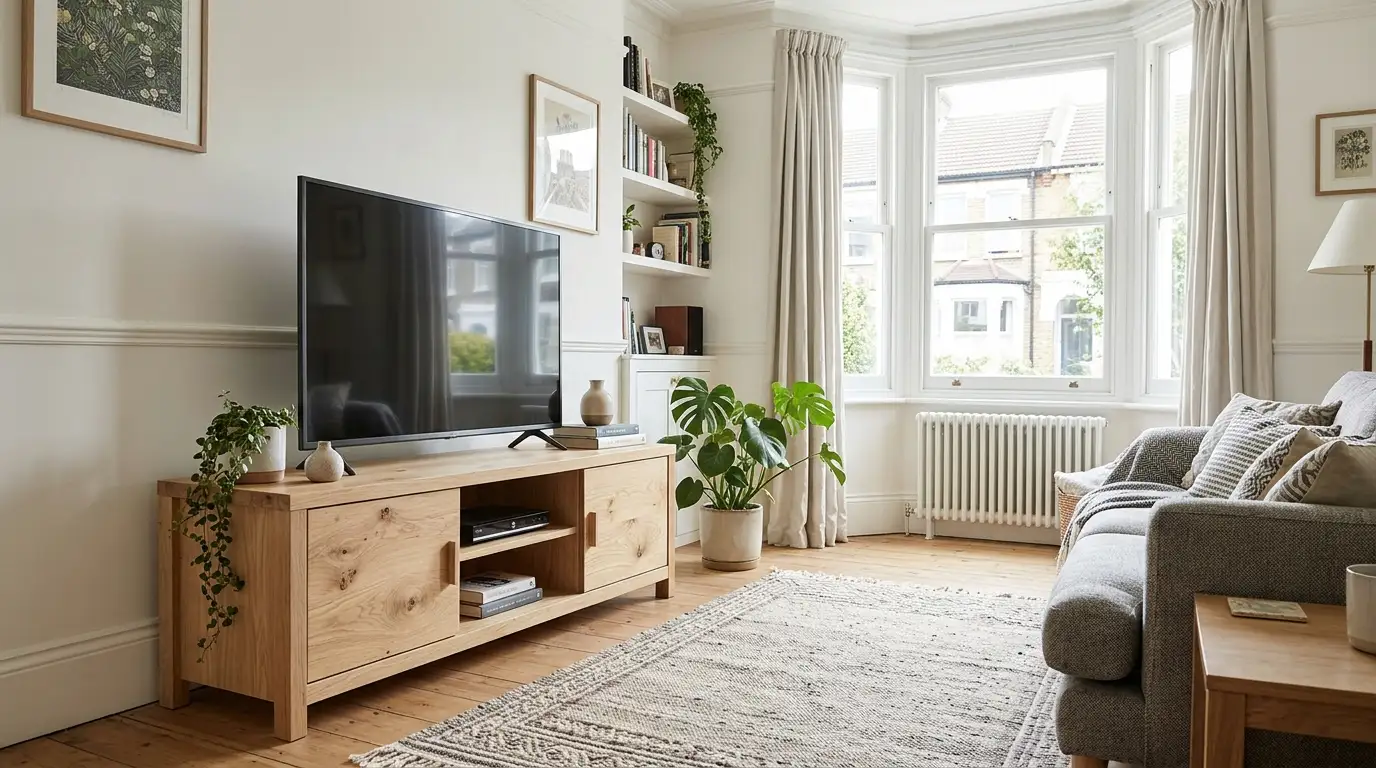
A low light oak TV unit keeps the room feeling open and works well in smaller living rooms. Most low units sit between 400 mm and 500 mm high so the television remains at a comfortable viewing height. Leave 900 mm clear in front for movement. The pale grain of a light oak TV unit pairs cleanly with pale walls and natural rugs. Check the unit depth is at least 400 mm if you need space for a soundbar.
Measure doorways before delivery. Many oak TV units arrive partially assembled and need careful handling so the finish is not marked.
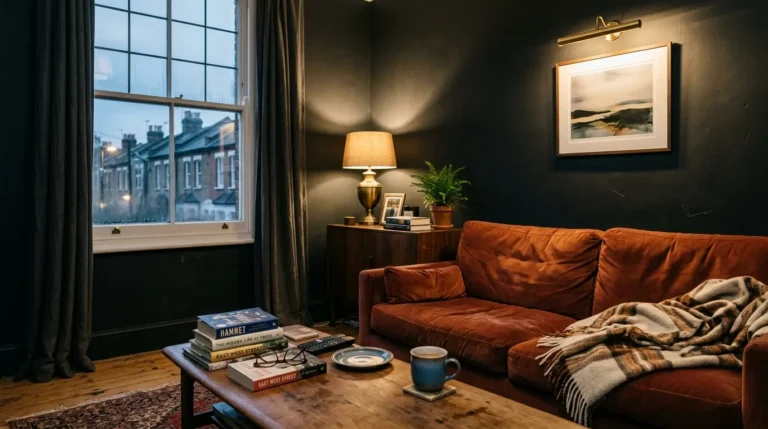
2. Dark Oak TV Unit for Traditional Rooms
A dark oak TV unit suits period living rooms with existing timber features. The deeper grain hides light wear better than pale finishes. Pair it with lighter walls so the unit does not make the room feel small. Allow 200 mm clear on each side of the unit. Soft-close doors are useful if the unit sits near a main walkway.
Dark oak can show water marks if drinks are placed directly on the surface. Use coasters or a tray. Check the finish is oil or lacquer that can be refreshed later.
3. 200 cm Oak TV Unit for Larger Screens
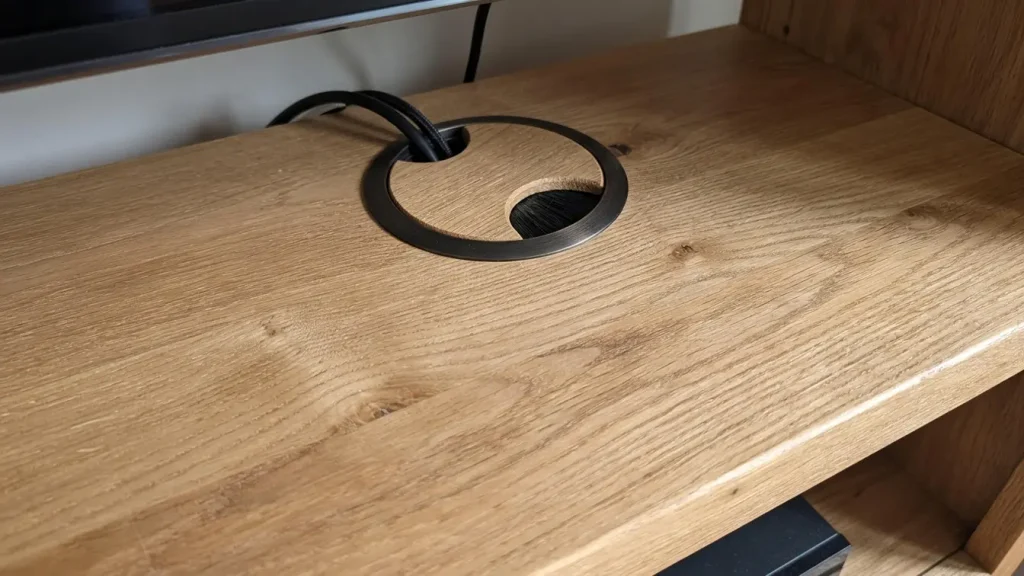
A 200 cm oak TV unit gives balanced proportions for 65-inch and larger televisions. It provides storage on both sides of the screen and looks substantial without dominating most UK living rooms. Confirm the wall is long enough and leave clearances at each end. The unit should sit level; use adjustable feet if the floor is uneven.
Cable management is easier on a wider unit because you have more space to route leads out of sight.
4. Oak TV Cabinet with Closed Storage
An oak TV cabinet with doors hides cables and devices while keeping the living room tidy. Choose units with ventilation slots or open backs if electronics will sit inside. Leave 50 mm clear behind closed doors for airflow. The natural oak grain still shows on the exterior so the piece feels warm rather than boxy.
Soft-close hinges reduce noise in the evening. Check the internal shelf heights match the devices you plan to store.
5. Floating Oak Media Unit
A floating oak media unit frees up floor space and makes cleaning easier underneath. It needs a solid wall and correctly rated fixings. Leave 100 mm clear above if the television mounts directly on the wall above the unit. Light oak versions look lighter and suit contemporary rooms.
Confirm the wall type before ordering. In stud walls you must fix into the studs.
6. Oak TV Stand with Open Shelves
An oak TV stand with open shelves makes access easy and shows the natural grain on every surface. It works well when you want to display books or objects alongside the television. Keep the shelves tidy so the unit does not look cluttered. Depth of 400–450 mm usually suits a soundbar and media players.
Open shelves collect dust more quickly, so choose a finish that is easy to wipe.
7. Oak and Metal TV Unit
Combining oak with black or brass metal legs gives a lighter look while keeping the warmth of the timber. The metal frame lifts the unit off the floor and makes it easier to clean underneath. Check the leg height leaves enough space for a robot vacuum if you use one. This style suits both modern and transitional living rooms.
Ensure the metal is finished so it does not mark the floor.
8. Compact Oak TV Unit for Small Living Rooms
A compact oak TV unit around 1200–1400 mm wide suits smaller UK living rooms. It still provides the warm natural look without overwhelming the space. Keep the height low so sight lines stay open. Leave clear walking space on at least one side. Light oak finishes help the unit feel less dominant.
Measure the exact wall and doorway before ordering a compact unit so it fits the available space.
When choosing any oak TV unit, check the moisture content of the timber if the room has underfloor heating or is prone to seasonal humidity changes. Solid oak moves slightly with temperature. Veneered units are more stable but still benefit from a consistent indoor environment. Confirm the unit has adjustable feet so it can sit level on typical UK floors that are rarely perfectly flat.
Oak TV unit ideas bring natural warmth into living rooms of every size when you match the finish and scale to the space. Light oak TV unit options open up smaller rooms while dark oak TV unit choices add depth in traditional settings. Measure clearances, check wall types for floating units and plan cable access before you order. A well-chosen oak TV stand or cabinet keeps the television area practical and inviting.
FAQs
What size oak TV unit suits a 55-inch television?
A unit around 1400–1600 mm wide usually suits a 55-inch screen. A 200 cm oak TV unit gives more generous proportions for larger screens and extra storage.
Does a light oak TV unit show marks easily?
Light oak can show water marks and scratches more than darker finishes. Use coasters and a suitable wood cleaner. Many oiled finishes can be refreshed at home.
Can I mount a floating oak media unit on a stud wall?
Yes, if you fix into the studs and use the correct fixings rated for the weight. Check the manufacturer’s instructions for your wall type.
How much clearance do I need in front of an oak TV unit?
Leave at least 900 mm clear between the sofa and the unit for comfortable movement in most UK living rooms.
Is solid oak better than veneered oak for a TV unit?
Solid oak is more durable for high-use edges, but good quality veneered oak is stable and often more affordable. Check the edge construction before you buy.
How do I care for an oak TV unit?
Dust regularly with a soft cloth. Use a suitable wood cleaner for the finish. Avoid placing hot or wet items directly on the surface.