How to Choose the Right Blind for Your Window

Choosing the right blind means matching the type, fabric, fitting method and controls to the window, the room use and the practical limits of the recess or face-fix position. Get the measurements and clearances right and the blind works smoothly and looks neat. Get them wrong and you face light gaps, binding mechanisms or a blind that does not cover the glass properly. This guide covers the key UK decisions from measuring to materials and common mistakes. For more on specific types, see how to choose the right roman blind for your window.
1. Measure the Window Accurately
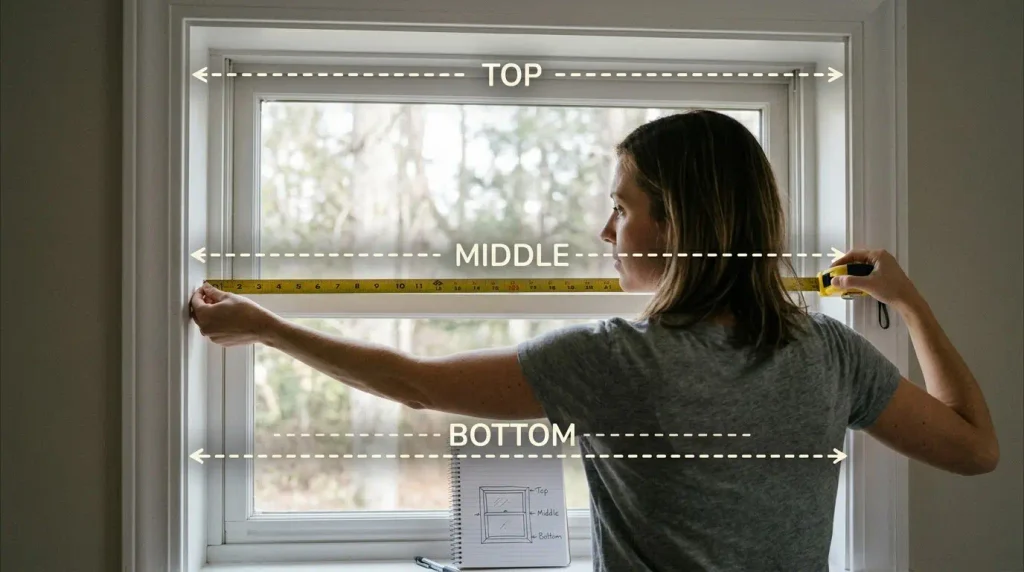
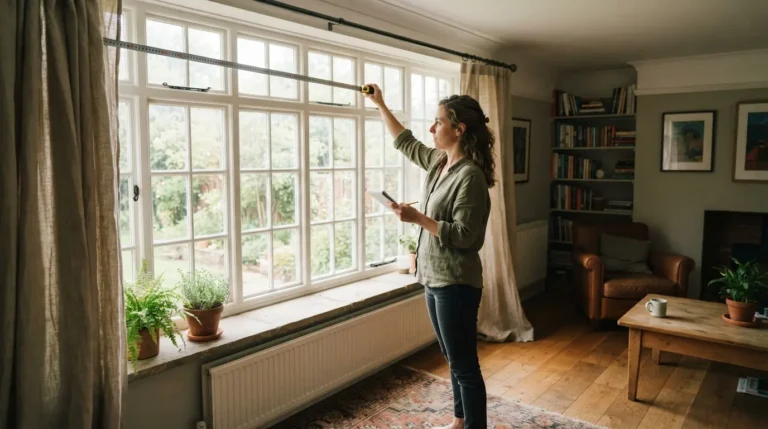
Measure the width and drop in at least three places because windows are rarely perfectly square. For a recess fit, take the narrowest width and the shortest drop and subtract a small allowance, usually 5 to 10 mm, so the blind does not bind. For a face-fix or exact fit outside the recess, measure the area you want to cover and add overlap, typically 50 to 100 mm each side and above. Note any handles, sills or obstacles that reduce the clear space. A common mistake is measuring only once or using the frame size instead of the clear glass or recess. Write down whether you are measuring for recess or face fit and confirm the exact method with the supplier before ordering. Check the headrail depth; most roller and venetian blinds need 40 to 70 mm of clear depth depending on the model. Accurate measuring prevents most fitting problems. Related measuring advice is at how to measure windows for curtains correctly.
2. Choose the Blind Type for the Room
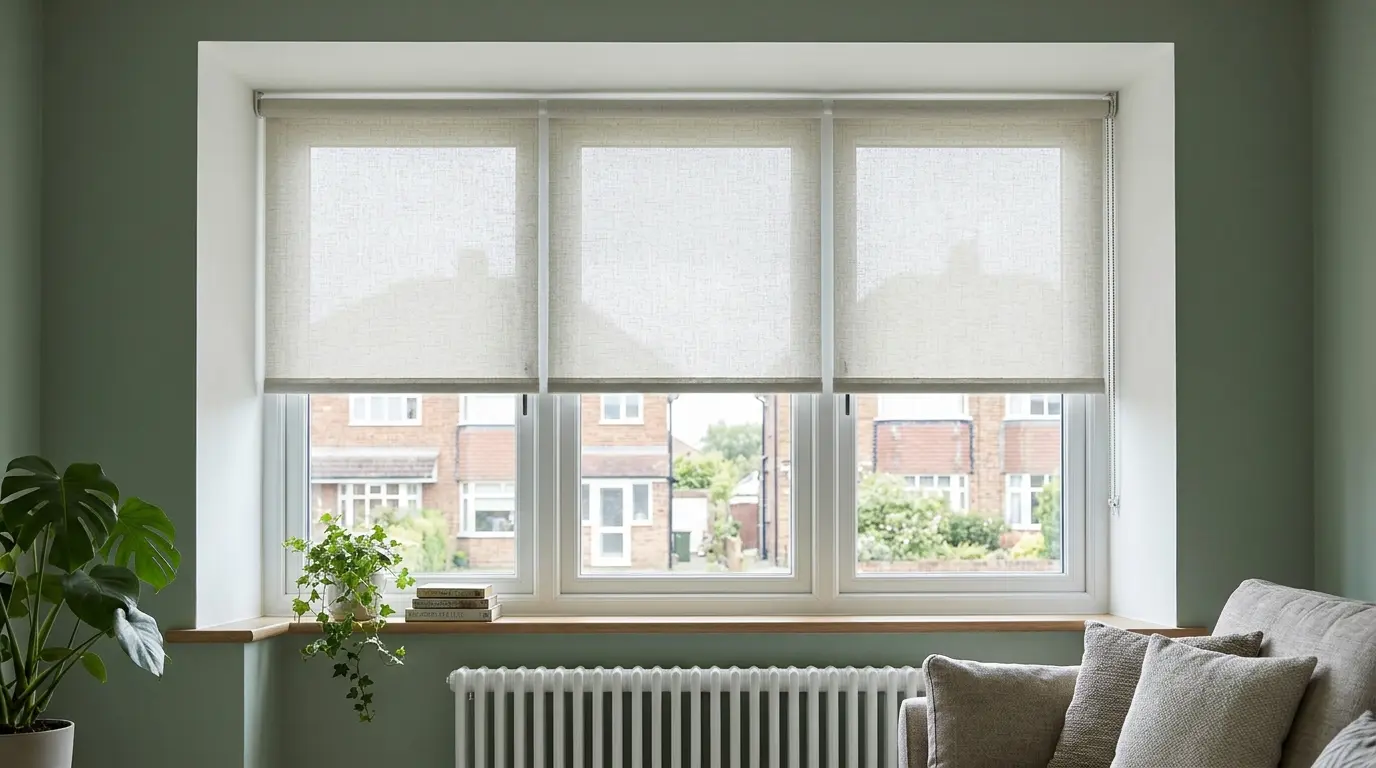
Roller blinds suit clean modern looks and are easy to operate. Roman blinds give a softer fabric look when raised. Venetian blinds offer precise light control with slats. Vertical blinds work on patio doors. Match the type to the room: blackout rollers or romans for bedrooms, moisture-resistant options for bathrooms and kitchens, and easy-clean fabrics for high-use areas. Consider the stack height; when fully raised, the blind occupies space at the top, so check that it does not block the top of the window or any opening lights. A frequent error is choosing a decorative roman for a bathroom where humidity will damage the fabric, or a standard roller for a bedroom that needs total darkness. Confirm the fabric suitability and the operation method before you order. For roller ideas, see 8 roller blind ideas for every room in your home.
3. Select Fabric, Colour and Light Control
Fabric choice affects light, privacy, insulation and cleaning. Blackout fabrics block most light and are useful in bedrooms. Dim-out or light-filtering fabrics soften daylight while still giving privacy. In UK homes, consider the window orientation; south-facing windows may need solar-reflective or tighter weaves to reduce heat. Colour should suit the room and the amount of light. Dark fabrics can make a small room feel smaller; lighter ones reflect more light. Check the fabric composition and care instructions. A common mistake is ordering a pale fabric for a kitchen without checking how easily it stains, or choosing a blackout that still lets light in around the edges because the fit is not tight enough. Request samples and view them at the window in both day and evening light. Confirm the opacity rating with the supplier.
4. Decide on Fitting Method and Controls
Recess fitting gives a neat look inside the window frame. Face fixing covers the frame and can hide imperfect reveals. Exact fit or perfect fit systems clip into uPVC frames without drilling. Choose the method that suits the window type and your DIY or installer skills. Controls can be chain, wand, motorised or smart. For high windows or child safety, consider cordless or motorised options that meet current UK safety standards. Measure the clear space for the control so it does not catch on handles or furniture. A frequent error is ordering a chain-operated blind for a child’s room without the required safety devices, or choosing a recess fit when the recess is too shallow for the headrail. Confirm the fixing method and any safety requirements before ordering. Related curtain and blind advice includes how to choose the right curtains for any room.
5. Check Clearances, Stack and Operation
Allow enough depth for the headrail and enough width so the blind does not rub the sides. When raised, the stack or roll should not obstruct opening windows or doors. For venetian blinds, check the slat size and the clearance needed to tilt fully. For roman blinds, the folded stack height can be 150 to 300 mm depending on the drop and fabric, so measure whether this blocks the top light or a fanlight. Test the operation path. A common mistake is ordering a blind that fits the width but whose raised stack covers the only opening casement. Confirm all clearances with the supplier’s specification sheet. Also check that any side channels or perfect-fit brackets have enough frame depth.
6. Consider Materials, Warranty and Installation
Headrails are usually aluminium or steel. Mechanisms should be smooth and covered by a reasonable warranty. In bathrooms and kitchens, choose moisture-resistant components. Confirm who will install the blind and whether the warranty requires professional fitting. Measure any fixing points and check for hidden cables or pipes. A frequent oversight is buying a cheap blind with a short warranty and then finding the mechanism fails after a year of daily use. Ask about the expected life and what is covered. Once ordered, double-check the measurements on the confirmation before manufacture. This final check prevents most problems. For more on window treatments overall, see curtains vs blinds vs shutters: which window treatment is best.
Conclusion
Choosing the right blind for your window comes down to accurate multi-point measuring, selecting the type and fabric that suit the room and light needs, deciding on recess or face fitting with appropriate controls, and checking all clearances for stack height and operation. Avoid the common mistakes of single measurements, unsuitable fabrics for the room, and ignoring safety or stack space. Confirm specifications, request samples, and double-check the order. Done carefully, the right blind gives light control, privacy and a neat finish that works every day. Explore more blind and window dressing articles on the site for specific styles.
FAQs
Should I choose recess or face fit for my blind?
Recess fit looks neat inside the frame if there is enough depth and the reveal is square. Face fit covers the frame and works when the recess is shallow or uneven. Measure both options and confirm with the supplier.
How much should I subtract for a recess fit blind?
Typically 5 to 10 mm from the narrowest width and shortest drop so the blind does not bind. Always follow the supplier’s exact allowance and measure in three places.
What blind is best for a bedroom?
A blackout roller or roman blind, or a combination with curtains, gives the best light control for sleep. Check the fit is tight at the edges and confirm the fabric opacity.
Are blinds suitable for bathrooms?
Yes, if you choose moisture-resistant fabrics and components. Avoid standard fabric romans that can mildew. Venetian or waterproof rollers often work well.
How do I know the stack height of a roman blind?
Ask the supplier for the approximate stack height based on the drop and fabric. It commonly ranges from 150 to 300 mm. Check that this will not block opening lights or the top of the window.
Do I need child safety devices on blinds?
Yes, current UK regulations require safety devices on corded or chained blinds in homes with children. Cordless, wand or motorised options avoid the issue. Confirm compliance before ordering.