8 Shutter Ideas for Every Room to Add Privacy and Style

Shutters add structure and light control to every room while giving reliable privacy. The right style and material for each space keeps the look consistent and the function practical. These eight ideas cover living rooms, bedrooms, kitchens and bathrooms with notes on clearances and what to check before ordering. Pair them with other window treatments from the site such as curtain ideas if you want layered options. Always survey and measure carefully.
1. Full-Height in a Living Room Bay
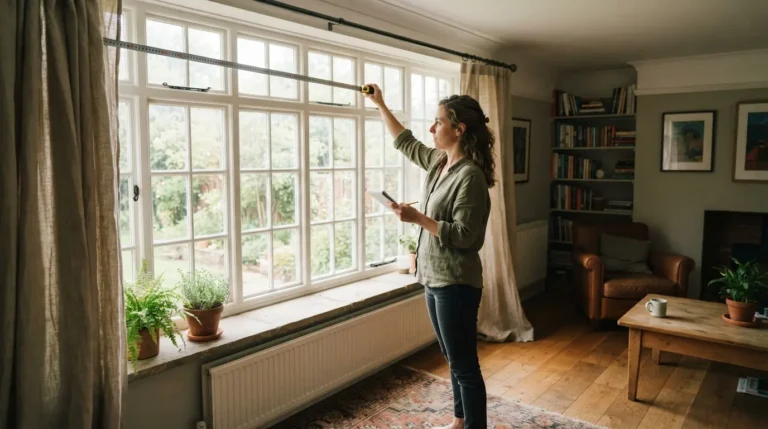
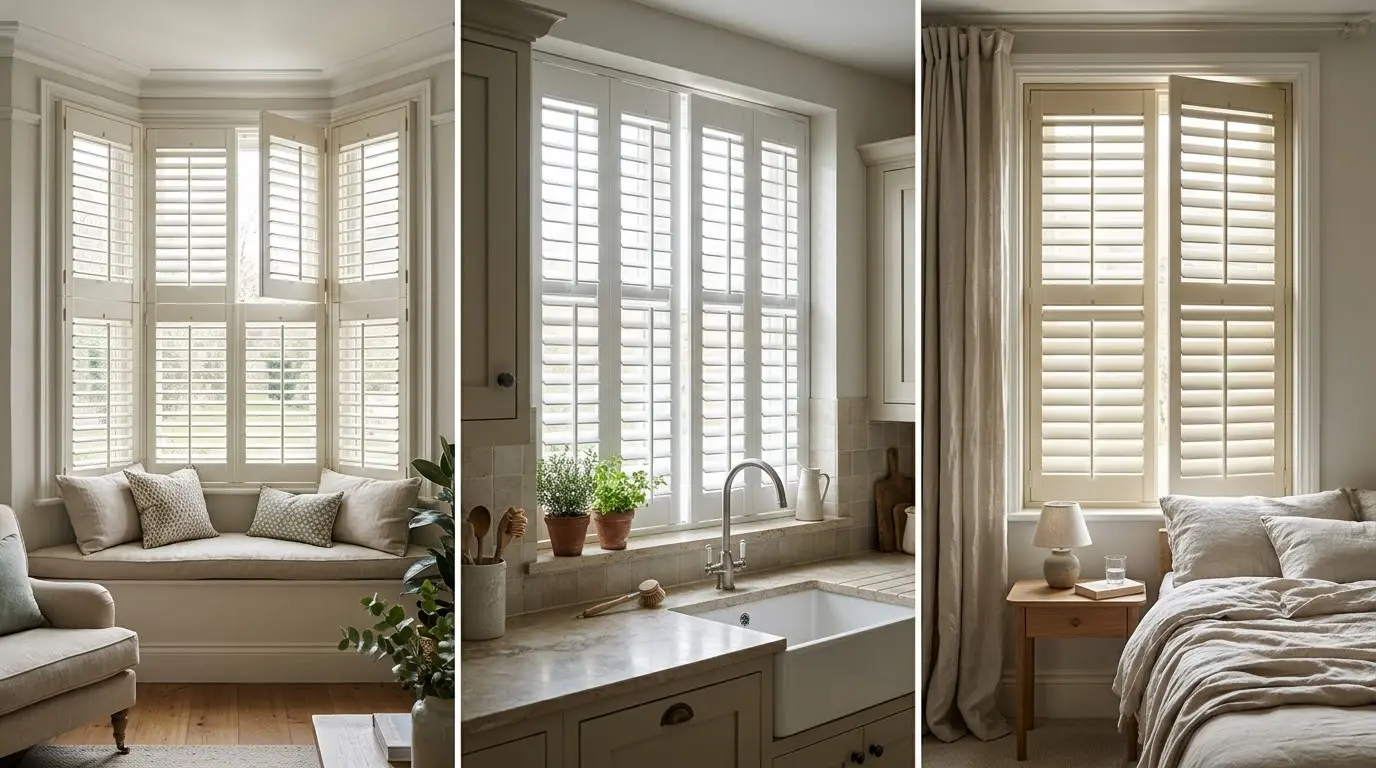
Full-height plantation shutters on a bay give even light control across all faces and a finished look that suits period homes. Measure each face separately and confirm the panel layout with the surveyor so the joins sit cleanly at the angles. Allow hinge clearance so panels open fully without hitting furniture. Faux wood or hardwood both work in dry living rooms. The solid frames add structure without fabric that can fade in sunlight. Check the depth of the reveals before choosing recess or face fit. Request a layout drawing before production to confirm the design. This approach turns the bay into a strong feature.
2. Café-Style for Street Privacy

Café-style shutters cover the lower half of the window and keep the top open for light and views. Ideal for street-facing living rooms or dining rooms where you want privacy without darkening the space. Narrower louvres increase privacy when closed. Face fit or recess fit both work; confirm the sill height so the shutter sits correctly and does not obstruct the view above. This style uses less material and costs less than full-height on the same opening. It is a practical choice for rooms that need daytime light while still offering screening from the street.
3. Tier-on-Tier in Bedrooms
Tier-on-tier shutters let you open the top for morning light while keeping the bottom closed for privacy. Useful in bedrooms that face other houses or the street. Choose a material suitable for the room and confirm the split height is practical for the window so both tiers operate independently without catching. The independent operation gives flexibility through the day. Check hinge positions so both tiers open freely. This style balances light and privacy effectively for sleeping spaces.
4. Moisture-Resistant in Kitchens
Use faux wood or ABS shutters in kitchens to resist steam and splashes. Café-style or full-height both work; keep the lower edge clear of worktops and taps. Wipe clean surfaces are essential near cooking areas. Confirm the material warranty covers kitchen use. Measure around any extractor or tiles that reduce depth. This keeps the kitchen bright and practical without fabric that absorbs odours or requires frequent cleaning. The solid structure also handles the humidity better than fabric alternatives.
5. Bathroom Shutters with Waterproof Material
ABS or high-quality faux wood is suitable for bathrooms. Choose a style that allows ventilation when open. Avoid MDF entirely in wet rooms. Confirm the frames will not trap moisture against the wall. Face fit is often safer if the reveal is tiled. The solid panels give privacy while the louvres allow air movement. Request samples to check the finish in humid conditions before ordering. Proper material choice prevents swelling and maintains the look for years.
6. Neutral Frames to Match Woodwork
Paint or stain the frames to match existing skirting, doors or window frames for a seamless look. White or soft grey works in most UK homes and brightens the space. Confirm colour matching options with the supplier and request samples against your existing paint. The consistent finish ties the shutters into the room rather than making them stand out. Works well in period properties where woodwork is already painted. This approach creates a cohesive interior that feels intentional.
7. Wide Louvres for Maximum Light
Wider louvres open the view and let more light through when tilted. Suitable for rooms that are not overlooked or where privacy is less critical, such as rear-facing windows overlooking a private garden. Confirm the available widths and test the tilt mechanism. The larger openings change the character of the window when the louvres are open. Pair with a suitable material for the room. Wider louvres can make the window feel more open and connected to the outside.
8. Mixed Styles Across the House
Use full-height on feature windows and café-style on secondary openings for a cohesive yet practical scheme. Keep the material and colour consistent so the house feels unified. Plan the panel layouts together when ordering multiple windows. This approach balances cost and function across the home. Check that all styles use compatible hardware for a matching finish. Ordering together ensures colour consistency across all installations.
Practical Notes on Clearances and Ordering
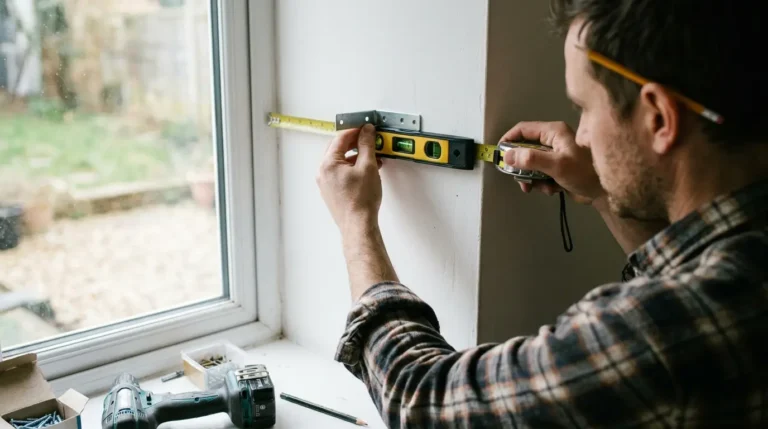
For every style check the recess depth if using recess fit; face fit is safer for shallow reveals. Confirm hinge clearance so panels open fully without hitting furniture or walls. On bays measure each face and ask for a layout drawing. Request samples of the material and finish. Confirm lead times and that the quote includes survey and fitting. These checks prevent the most common problems with made-to-measure shutters. Professional fitting is recommended for the best result and to minimise gaps.
Choosing Louvres for the Right Balance
Narrow louvres suit overlooked rooms; wider louvres suit private gardens or rear windows. Test both if possible before deciding. The tilt should be smooth across the range. Hidden tilt systems cost more but look cleaner. Decide this before ordering because it affects the frame design and overall appearance. The right louvre width balances light, view and privacy for the specific room and its orientation.
When planning multiple windows, order them together so colours and finishes match exactly. Lead times are usually several weeks for made-to-measure. Professional fitting is recommended to ensure panels operate correctly and gaps are minimised. These steps keep the installation looking consistent across the home. Keep the survey notes for future reference in case any adjustments are needed.
Additionally, consider the long-term value. Shutters last longer than most fabric treatments and require less maintenance, making the initial investment worthwhile for many UK homes. They also provide consistent privacy and light control that does not degrade with washing or fading. When combined with careful measuring and professional fitting, they become a durable part of the interior scheme that adds structure to every room.
Conclusion
These eight shutter ideas cover the main rooms in a UK home. Match the style and material to the privacy, light and humidity needs of each space, measure carefully and confirm clearances before ordering. The right specification gives long-lasting control and a finished look that integrates well with the interior.
FAQs
What shutter style works best for a bay window?
Full-height or tier-on-tier works well on bays. Measure each face separately and confirm the panel layout with the surveyor.
Can I use shutters in a bathroom?
Yes, with moisture-resistant materials such as faux wood or ABS. Avoid MDF and solid hardwood.
How do I match shutter colour to existing woodwork?
Ask the supplier about colour matching or painting options. Many offer finishes that coordinate with standard UK paint colours.