8 Roller Blind Ideas for Every Room in Your Home

Roller blinds suit almost every room because they take up little space and can be made to exact sizes. The ideas below match fabric type, fit method and light control to the practical needs of kitchens, bedrooms, living rooms and bathrooms, with notes on recess depth and common measuring points.
Most rollers need 50 to 70 mm of recess depth. Measure three times and use the smallest figures for a recess fit. See how to fit a roller blind related guides on the site for full steps.
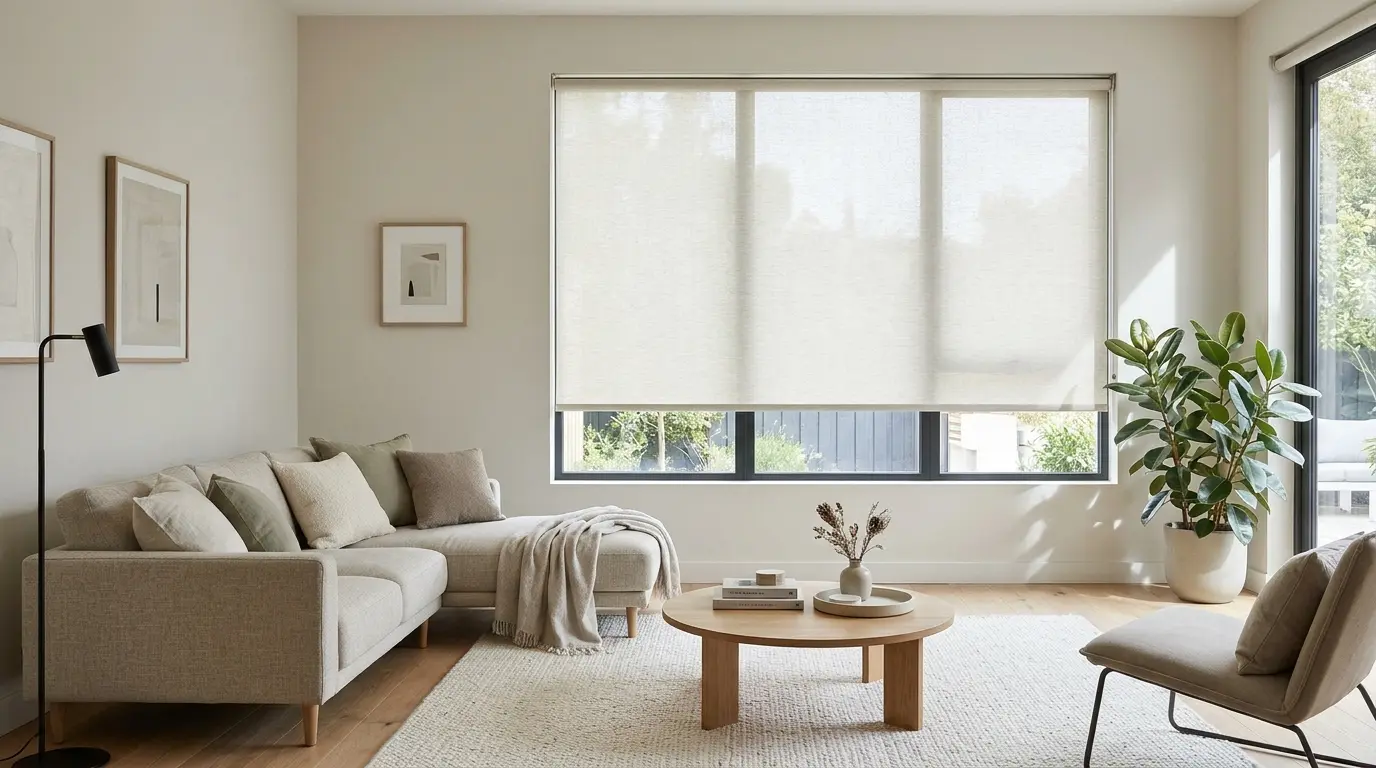
1. Light-Filtering Rollers for Living Rooms
A translucent or light-filtering fabric softens glare on the television while keeping the room bright. Fit inside the recess if depth allows, or exact fit with 5 to 10 cm overlap for cleaner sides. Neutral colours sit with most sofas and walls.
Pair with curtains if night privacy is needed. Check the chain side so it does not interfere with furniture.
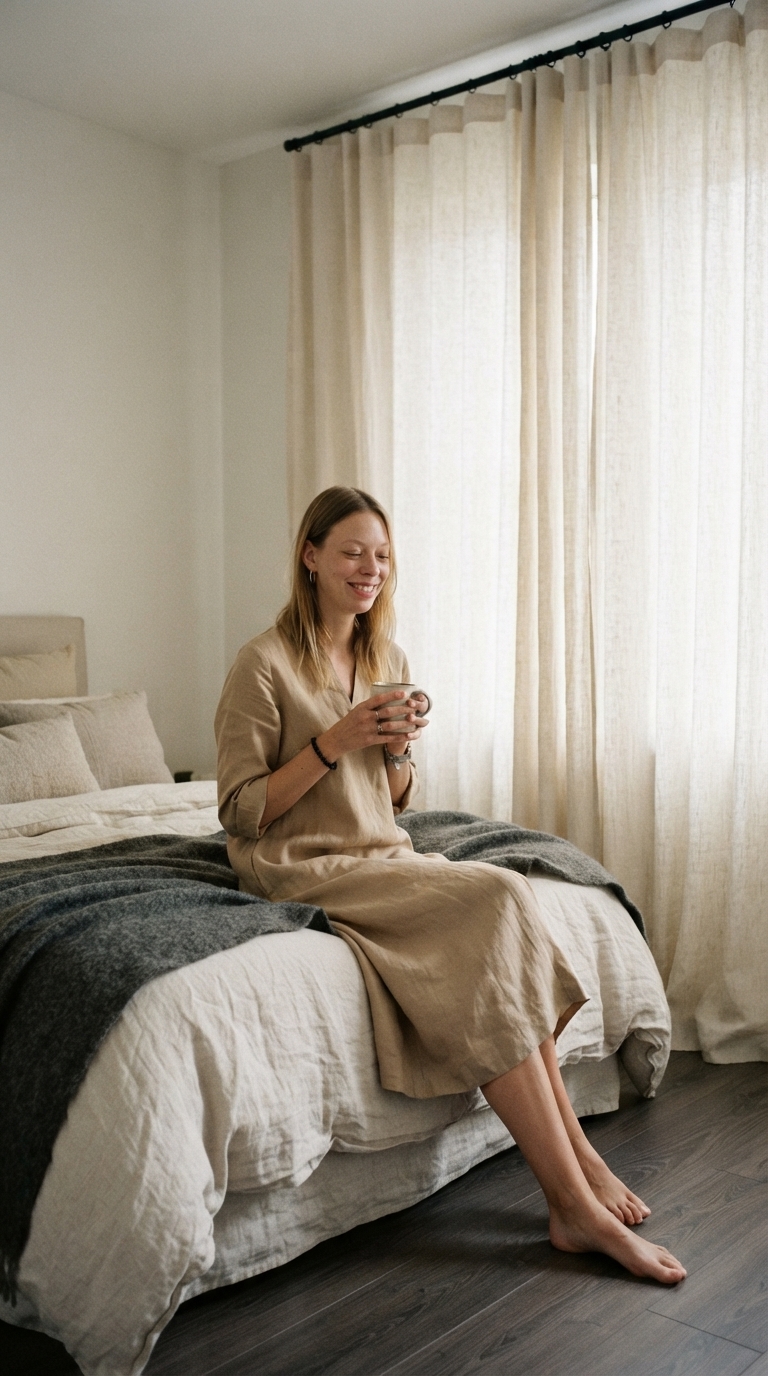
2. Blackout Rollers for Bedrooms
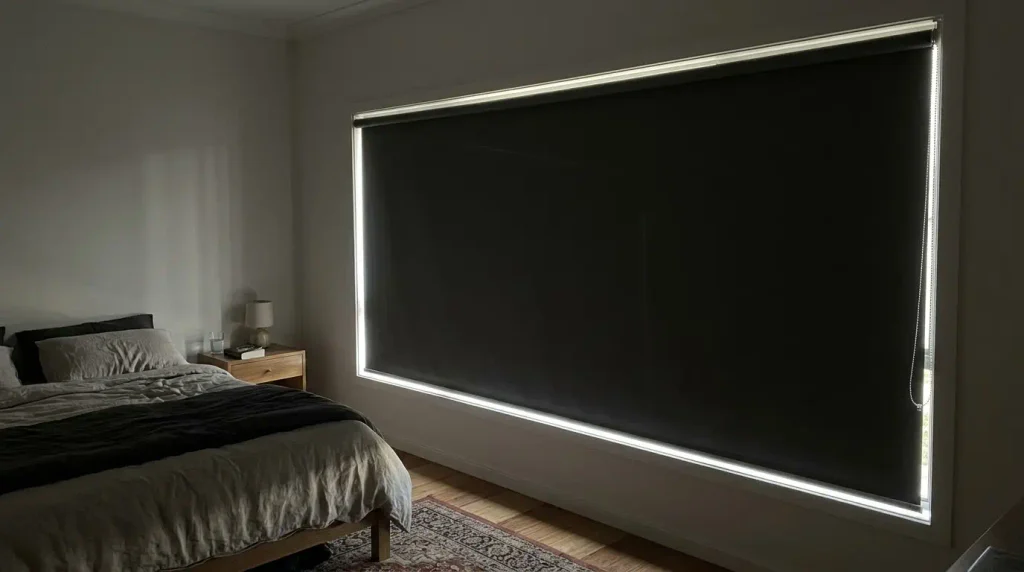
Blackout fabric blocks most light when the sides are well covered. An exact fit with good overlap works better than a tight recess fit for reducing light leaks. Measure carefully around any handles.
In children’s rooms choose a chain with a child-safety device or a motorised option. The fabric can be a plain colour or a subtle pattern that still blocks light.
3. Wipe-Clean Rollers for Kitchens
Choose a fabric that can be wiped with a damp cloth. Fit the blind so it clears the worktop and any window handles. A light-filtering option keeps the kitchen bright while reducing glare on surfaces.
Avoid very dark colours that show every mark. Confirm the recess is deep enough or use a face fix above the frame.
4. Moisture-Resistant Rollers for Bathrooms
Use a fabric rated for humid rooms. Fit it so it is not constantly splashed by the shower or bath. A white or pale grey stays practical and matches most bathroom tiles.
Check the brackets are suitable for the wall type; tiled walls need the right plugs.
5. Day and Night Rollers for Flexible Light Control
Two fabrics on one tube let you switch between sheer and denser coverage without a second blind. Useful in living rooms or home offices. The mechanism is slightly deeper, so confirm recess depth.
Measure as normal and note the extra width of the dual mechanism.
6. Motorised Rollers for Hard-to-Reach Windows
Useful on high windows, above sinks, or in bays where a chain is awkward. Battery or wired options exist; plan the power before ordering. The fitting steps are the same once the brackets are level.
Check the weight limit of the motor against the fabric size.
7. Patterned or Textured Rollers as a Subtle Feature
A small-scale pattern or a textured weave adds interest without overwhelming the room. Works well in living rooms or bedrooms where the walls are plain. Still choose the right light-control level for the room.
Order a sample to check the scale against the window size.
8. Exact-Fit Rollers to Cover Awkward Reveals
When the recess is out of square or too shallow, an exact fit overlapping the frame gives a cleaner result and better light control. Add 5 to 10 cm on each side.
This also works above a deep sill or where tiles reduce the usable width.
In living rooms a light-filtering roller keeps the space usable during the day while curtains can be added for evenings. Measure the recess depth first; if it is less than 50 mm an exact fit is safer. Neutral fabrics in oatmeal, soft grey or warm white work with most existing furniture.
For bedrooms the blackout option is worth the extra cost if early light is a problem. Pair it with curtains for a complete solution and to hide the mechanism. In children’s rooms the safety device on the chain is essential.
Kitchens benefit from a fabric that resists marks and can be cleaned quickly. Position the blind so steam and splashes do not hit it constantly. Bathrooms need the same moisture rating plus careful fixing into tiled or plasterboard walls.
Day-and-night systems give two fabrics on one headrail, useful where you want both privacy and light without a second treatment. Motorised versions remove the chain entirely, which is practical on high or awkward windows. Patterned rollers should be chosen with the scale of the window in mind so the design does not look lost or overwhelming.
Exact-fit rollers solve the most common UK problem of out-of-square or shallow reveals. The overlap also improves light control on blackout fabrics. Always confirm the chain or motor side before ordering so it does not clash with radiators or furniture.
Across all rooms the same measuring rule applies: three widths, three drops, smallest figures for recess fit, and no self-deductions. Check handles, tiles and vents before the blind is made.
When choosing colours, hold samples against the wall in the actual room light. South-facing rooms can take slightly denser fabrics without looking dark; north-facing rooms stay brighter with lighter weaves. In open-plan spaces the same roller idea on every window keeps the look consistent.
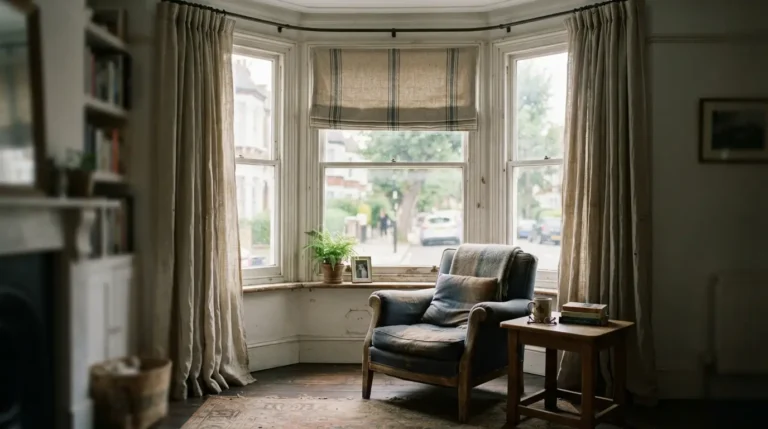
For very wide windows a single roller may sag; check the maker’s maximum width or consider two separate blinds. In bays, individual rollers for each face usually work better than one continuous system. Always leave enough clearance above the blind for the fully rolled fabric.
Maintenance is simple: most fabrics can be dusted or wiped. Avoid harsh cleaners on blackout coatings. If the blind stops rolling smoothly, check that the brackets are still level and that the fabric has not shifted on the tube.
Budget options from high-street ranges work well for standard windows, while made-to-measure is better for unusual sizes or when you need a specific fabric. In either case the fitting principles stay the same: level brackets, correct depth and accurate measurements.
If the room already has curtains, the roller can sit closer to the glass as the practical layer while the curtains provide the decorative finish. This combination works especially well in living rooms and bedrooms. Confirm both treatments clear each other when operated.
Always order samples of the fabric so you can check colour and light transmission in the actual room before committing.
Conclusion
Match the fabric and fit method to the room’s light, moisture and privacy needs, then measure three times. The right roller stays practical for years.
What fabric is best for a kitchen roller blind?
A wipe-clean light-filtering fabric that clears worktops and handles.
Do roller blinds work in bathrooms?
Yes, if the fabric is moisture-resistant and positioned away from direct splash.
How much overlap for an exact fit?
At least 5 to 10 cm on each side for good coverage.