12 Bedroom Feature Wall Ideas for a Designer Look Behind the Bed

A bedroom feature wall behind the bed creates a clear focal point without needing to change the whole room. The wall you see when you wake up or when you enter sets the tone. These twelve ideas cover practical approaches that work in typical British bedrooms, from simple paint to panelling and wallpaper, with notes on what holds up in daily use.
1. Paint a Block of Colour at Headboard Height
A horizontal band of deeper colour behind the bed defines the sleeping zone without covering the whole wall. It works well with both modern and traditional headboards. Measure carefully so the band sits behind the headboard rather than above it. See how to create a feature wall in a bedroom for the prep steps.
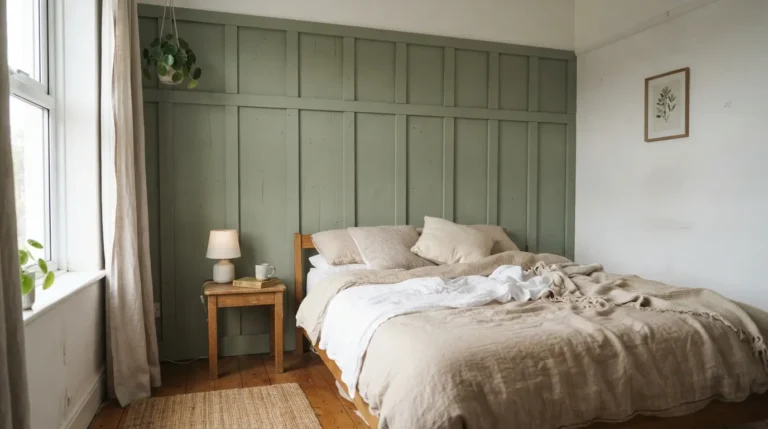
2. Add Board and Batten Panelling
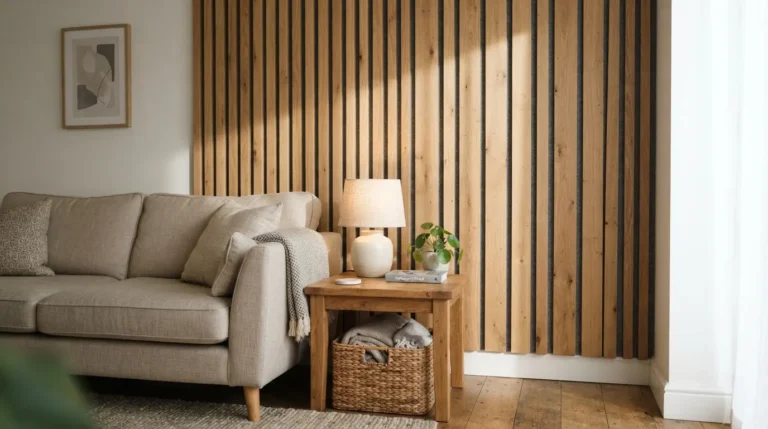
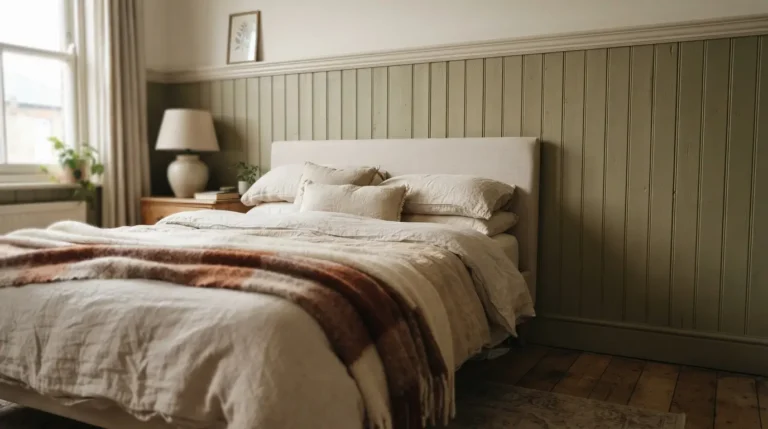
Timber battens on the lower half of the wall add texture and a tailored look. Paint the battens and the wall the same colour for a quieter effect, or contrast them for more definition. This is a straightforward DIY project if the wall is flat. Our wall panelling guide covers materials and fixing methods.
3. Hang Wallpaper on the Bed Wall Only
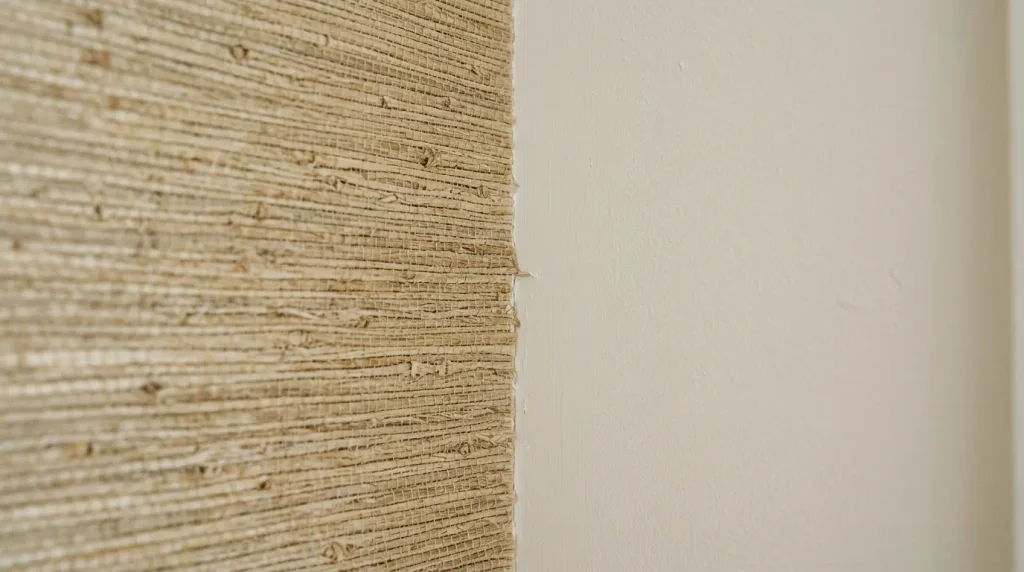
A patterned or textured wallpaper on one wall creates impact while the other walls stay plain. Choose a design that does not overwhelm the scale of the bed. Grasscloth or a subtle geometric works in many bedrooms. Ensure the wall is properly prepared so the paper does not lift.
4. Use a Large Artwork or Tapestry
A single large piece centred above the bed can act as the feature without permanent changes. It is easy to update later. Hang it at a height that relates to the headboard rather than floating too high.
5. Install a Upholstered Panel or Headboard Wall
A padded panel or full upholstered wall behind the bed adds softness and sound absorption. It suits bedrooms where rest is the priority. Professional installation is usually needed for a clean finish, though DIY kits exist for simpler versions.
6. Create a Painted Arch or Niche
A painted arch shape behind the bed frames the sleeping area. It works particularly well with a simple headboard or no headboard. Masking and careful cutting give a clean edge.
7. Add Shelving or a Built-in Niche
Floating shelves or a recessed niche above or beside the bed provide both display and function. Keep the arrangement sparse so it does not become visual clutter. Integrated lighting makes the shelves more useful at night.
8. Use Limewash or Mineral Paint for Texture
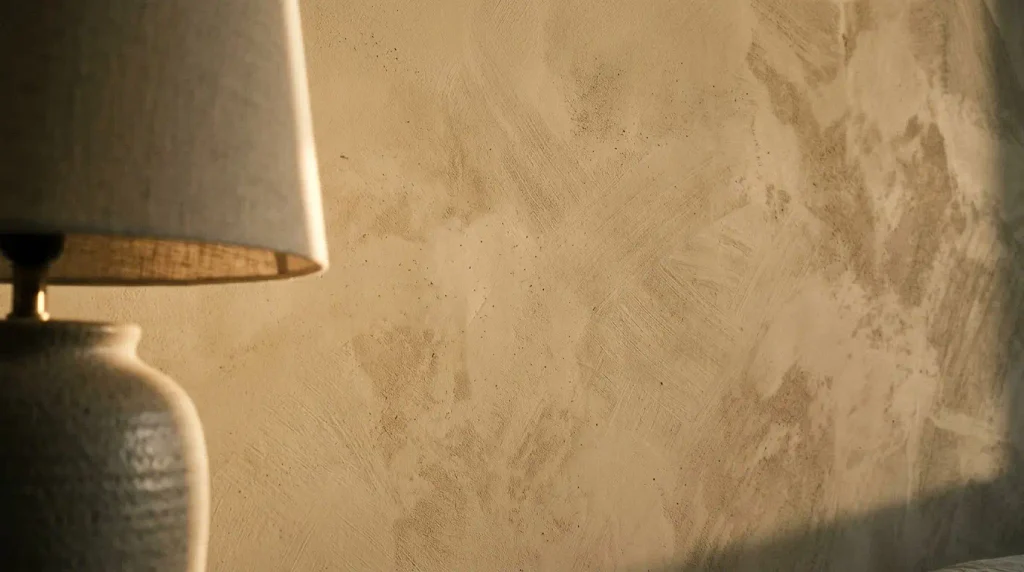
A limewash or clay paint finish on the bed wall adds subtle movement that flat emulsion lacks. It softens the look and hides minor imperfections. The finish is less wipeable than standard paint, so it suits walls that are not heavily touched.
9. Combine Panelling with Paint
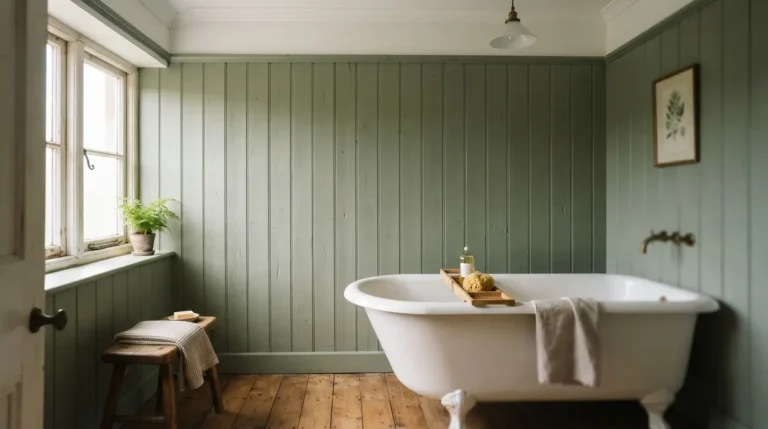
Lower panelling painted in a deeper shade and upper wall in a lighter tone creates a classic but updated look. The horizontal line can be set at a height that relates to the bed or window sill.
10. Hang Mirrors to Expand the Wall
A large mirror or a pair of mirrors on the bed wall bounces light and makes the room feel larger. Place them so they do not reflect the most cluttered part of the room. Thin frames keep the look calm.
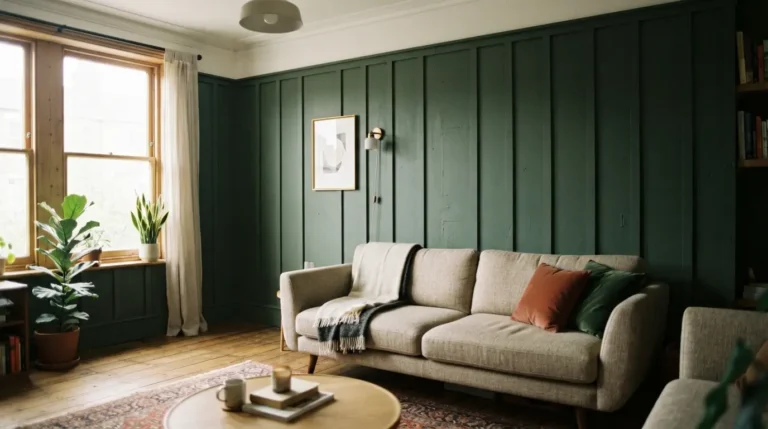
11. Use a Dark Feature Wall for Contrast
A deep colour behind the bed creates a cosy backdrop. Pair it with lighter bedding and good bedside lighting so the room still feels open. Test the colour in the room because bedroom lighting is often warmer and lower.
12. Keep the Wall Simple with Quality Bedding

Sometimes the best feature is a well-made bed against a plain wall. High-quality linen, a considered headboard and good bedside lamps can make the wall behind feel intentional without any additional treatment. This approach is lower cost and easier to change.
Conclusion
Bedroom feature wall ideas behind the bed work best when they relate to the scale of the bed and the light in the room. Paint, panelling, wallpaper and simple artwork all offer different levels of commitment. The practical aim is a wall that looks considered every morning rather than only when the room is styled. Start with the treatment that matches your DIY confidence and budget, and ensure the wall is properly prepared.
What is the best feature wall for a bedroom?
The wall behind the bed is usually the strongest choice because it is the main view when lying down and when entering the room. It also frames the largest piece of furniture.
Is panelling suitable for a bedroom?
Yes. Board and batten or simple timber panelling adds texture and can be painted to match the room. It is relatively straightforward to install on a flat wall and can be removed later if needed.
How high should a feature wall treatment sit?
Relate it to the headboard or the bed height so the treatment frames the sleeping area rather than floating above it. For full-wall treatments the whole wall works; for bands or panelling, test the height with tape first.