15 Fireplace Ideas to Create a Stunning Living Room Feature

The best fireplace ideas turn a living room fireplace into the room’s genuine focal point, using material, scale, and framing rather than relying on the flame alone to do the work. A fireplace surrounded by the wrong materials or poorly proportioned to the wall ends up looking like an afterthought no matter how nice the fire itself is.
Most people either play it too safe with a generic mantel kit or go too far with a design that looks incredible in a photo but is a nightmare to actually live with, clean, or heat a room with. This list covers fifteen fireplace ideas that hold up in real living rooms, with honest cost ranges and the trade-offs worth knowing before you commit.
1. Floor-to-Ceiling Stone Cladding
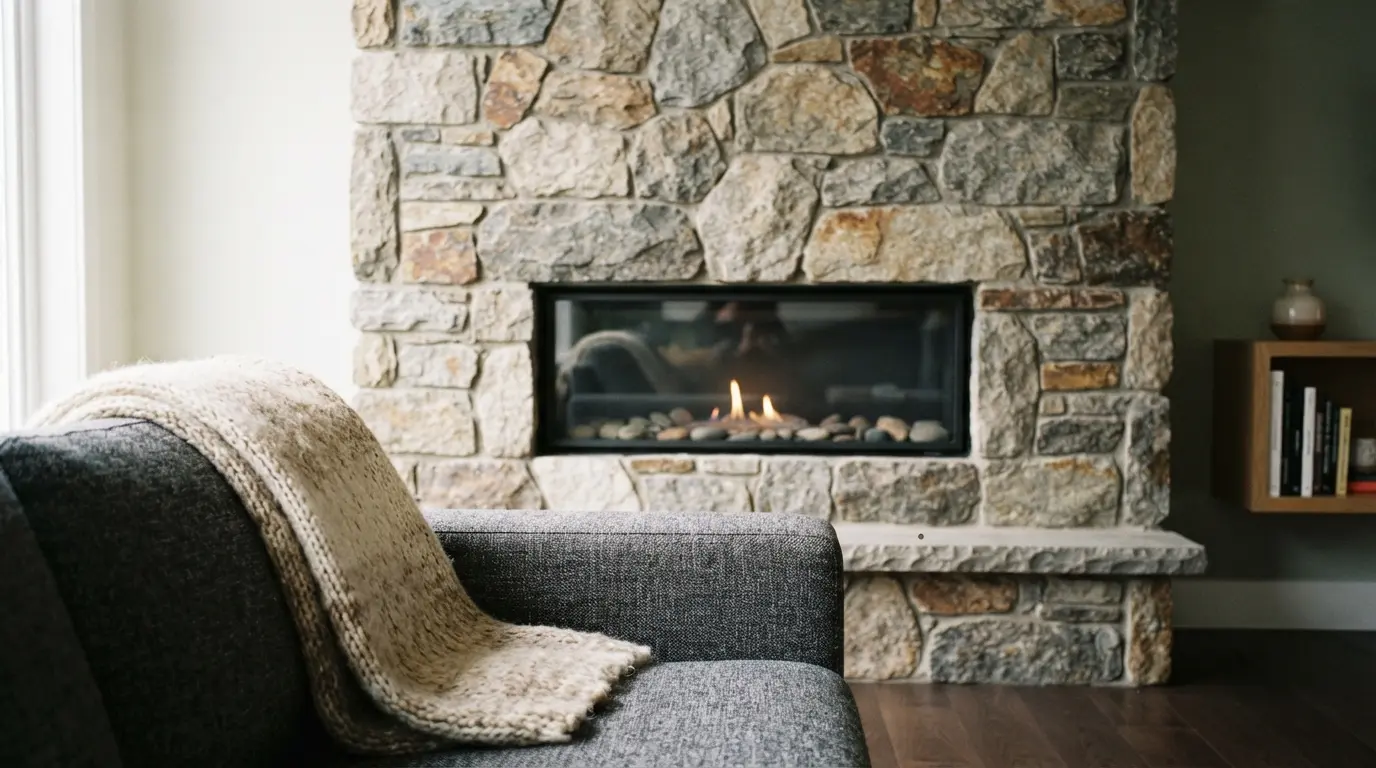
Running natural stone or stone veneer from the hearth all the way to the ceiling turns a standard fireplace into a genuine architectural feature, adding texture and scale that a small surround simply can’t match. This is one of the most requested living room fireplace ideas for anyone building a new fireplace wall from scratch.
Full-height veneer stone cladding typically runs £60 to £150 per square metre supplied and fitted, with natural stone like limestone or slate at the higher end and manufactured stone veneer more affordable. A standard chimney breast job takes two to three days including a full structural check, since a wall needs to be sound enough to carry the additional weight of real stone, unlike lighter veneer options. The trade-off most homeowners don’t anticipate is how much a full stone wall cools a room visually. It’s a striking look, but it reads considerably colder and more austere in a small living room than in a large open-plan space, so scale matters more here than with almost any other option on this list.
2. Slimline Linear Gas Fireplace Insert
A linear gas fireplace insert replaces a traditional firebox opening with a long, low horizontal flame set into the wall, giving a clean, minimal look that suits contemporary living rooms far better than a boxy traditional grate.
These units generally cost £1,500 to £4,000 for the insert itself before installation, with professional fitting and flue work adding a further £500 to £1,500 depending on whether an existing chimney can be adapted or new venting is needed. A good rule of thumb is budgeting for a qualified gas fitter regardless of how straightforward the job looks, since gas fireplace installation almost always falls under building regulations requiring certified sign-off.
3. Polished or Board-Formed Concrete Surround
A poured concrete surround, either smooth and polished or left with visible board-formed texture from the shuttering used to cast it, gives a fireplace a raw, architectural quality that suits industrial and minimalist living rooms particularly well.
This is a specialist job, generally £150 to £300 per square metre once you factor in formwork, pouring, and finishing, and it needs a concrete specialist rather than a general builder to avoid cracking as it cures. Concrete surrounds are also genuinely heavy, so structural capacity needs checking before committing, much like natural stone.
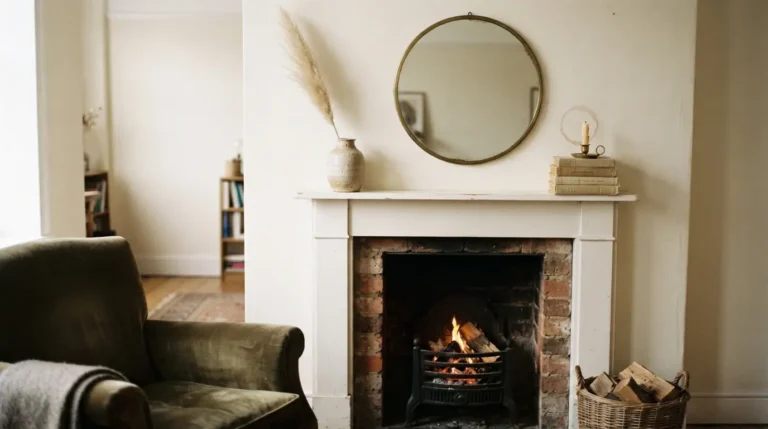
4. Restored Cast Iron Period Fireplace
Restoring an original cast iron fireplace, common in Victorian and Edwardian homes, keeps a genuine period feature intact rather than ripping it out for something modern. A professional strip, repaint or black leading finish brings tired original ironwork back to life without losing its character.
Restoration typically costs £200 to £600 depending on condition and whether the surround needs re-tiling as well, and a straightforward job takes one to two days. The honest downside is that most original cast iron fireplaces were built for solid fuel, not modern gas or electric inserts, so converting one for current use often means adding a liner or swapping in a compatible insert, which is a separate cost worth pricing in before falling in love with the restoration itself.
5. Floating or Suspended Ball Fireplace
A suspended ball or floating fireplace, hung from the ceiling or mounted on a slim central pole, works as a genuine sculptural centrepiece in an open-plan living room, though it’s a far more specialist and expensive installation than anything else on this list.
Expect £3,000 to £8,000 or more for the unit alone, with structural ceiling reinforcement and professional fitting adding significantly to that. This idea suits larger, higher-ceilinged rooms and doesn’t translate well into smaller or more conventional living room layouts, where it tends to look oversized and out of place rather than striking.
6. Inglenook Fireplace with Built-In Seating
An inglenook is a recessed fireplace alcove large enough to include built-in bench seating either side of the firebox, a traditional layout that creates a genuinely cosy, gathered-around-the-fire feel that a standard flush fireplace can’t replicate.
Building an inglenook from scratch in a home that doesn’t already have one is a significant structural project, generally £3,000 upward depending on the depth of recess needed and whether load-bearing work is involved, so this idea suits renovation projects rather than a quick fireplace refresh. Homes with an existing inglenook opening are in a much better position, since adding simple timber bench seating into the recess is a far more modest joinery job.
7. Double-Sided See-Through Fireplace
A double-sided fireplace, open on two faces, works as both a heat source and a room divider, particularly useful in open-plan living spaces that connect a living room to a dining area or hallway without a solid wall between them.
This is a more complex install than a standard single-sided fireplace, generally £2,500 to £6,000 depending on fuel type, since the unit and surrounding structure need to support viewing and safe clearance from both sides. A common mistake with this layout is underestimating how much floor space needs to stay clear on both sides for furniture placement, since a double-sided unit effectively removes a wall you might otherwise have used for storage or seating.
8. Bioethanol Fireplace with No Flue Required
A bioethanol fireplace burns liquid fuel cleanly enough to need no chimney or flue at all, making it one of the few genuine fireplace options for flats, apartments, or any living room without existing chimney infrastructure.
Units range from around £200 for a simple tabletop or wall-mounted design up to £1,500 or more for a larger built-in style, with no flue installation cost since none is needed. The trade-off is heat output. Bioethanol fireplaces genuinely look and burn like fire, but most produce considerably less ambient heat than a gas or wood-burning option, so they suit ambiance and visual impact more than serious room heating.
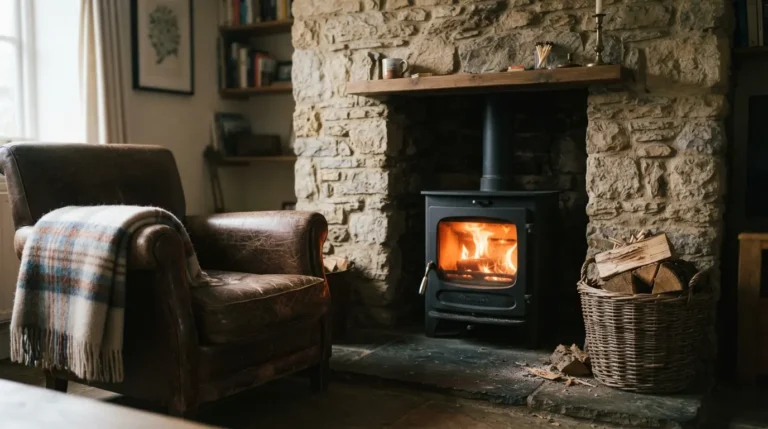
9. Wood Burning Stove on a Raised Plinth
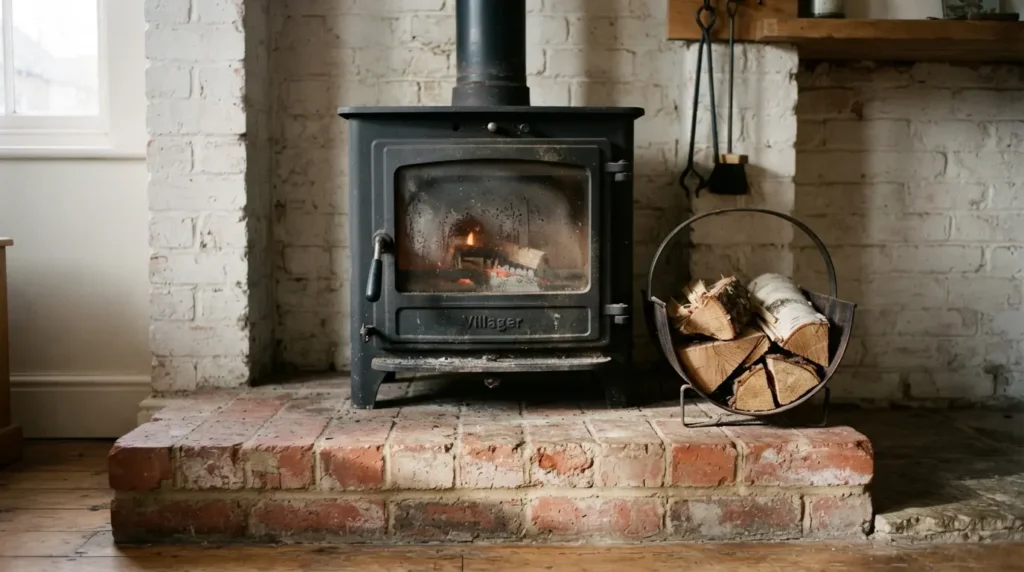
Setting a wood burning stove on a raised brick, stone, or tiled plinth rather than directly on the floor gives it more visual presence and makes the fire itself sit closer to eye level, which reads as a far more deliberate design choice than a stove plopped straight onto a standard hearth.
A raised plinth typically adds £300 to £800 to a stove installation depending on materials and height, on top of the stove and flue liner cost, which itself commonly runs £2,000 to £5,000 fully installed depending on stove quality and chimney condition. Most homeowners find the raised plinth also makes cleaning out ash considerably easier on the back, a small but genuinely appreciated practical bonus alongside the visual upgrade.
10. Full-Height Mirror Surround
A full-height mirror fitted above and around a fireplace opening bounces light back into the room and visually doubles the depth of the fireplace wall, a particularly useful fireplace idea for smaller or darker living rooms without much natural light.
Mirror panelling of this scale typically costs £200 to £400 per square metre installed, since it needs a completely flat backing wall and professional fitting to avoid visible distortion or unsafe mounting near a heat source. Heat clearance matters more here than with most surrounds, since mirror glass close to a working firebox needs proper heat-rated glazing rather than standard decorative mirror.
11. Tongue and Groove Panelled Fireplace Wall
Extending tongue and groove or MDF panelling across the full chimney breast, rather than stopping at a traditional mantel and surround, blends the fireplace into a broader wall panelling scheme, which suits more traditional or Scandinavian-influenced living rooms particularly well.
This is a comparatively affordable option on this list, generally £25 to £60 per square metre in materials for a DIY panelling kit, with professional fitting adding £100 to £250 depending on wall length and detailing. The main technical challenge is building the panelling around the fireplace opening itself with proper heat-safe clearance, which is where a lot of DIY attempts go wrong if the firebox surround isn’t accounted for at the planning stage.
12. Fireplace Flanked by Floating Alcove Shelving
Adding floating shelves into the alcoves either side of a chimney breast is one of the most popular ways to extend a fireplace’s presence across the whole wall, combining storage and display space with the fireplace as the central anchor.
A pair of fitted floating shelves in solid wood or painted MDF typically costs £150 to £400 per side depending on width and finish, with a joiner able to template, fit, and finish both sides in a single day. This pairs naturally with several other ideas on this list, since the chimney breast itself can carry stone cladding, panelling, or a bold paint colour while the alcoves stay simpler.
13. Herringbone Tile or Brick Surround
Laying tile or slim brick slips in a herringbone pattern around the firebox opening adds detail and visual interest without needing a full material change across the whole wall, making it a strong option for anyone wanting texture without committing to a full stone or concrete overhaul.
Herringbone tiling generally costs £50 to £100 per square metre in materials and labour, though the pattern itself takes noticeably longer to lay than a standard grid layout, since every cut piece at the pattern’s edges needs precise mitring. A good rule of thumb is budgeting extra time here specifically, since a tiler unfamiliar with herringbone layouts can significantly underestimate how long the job actually takes.
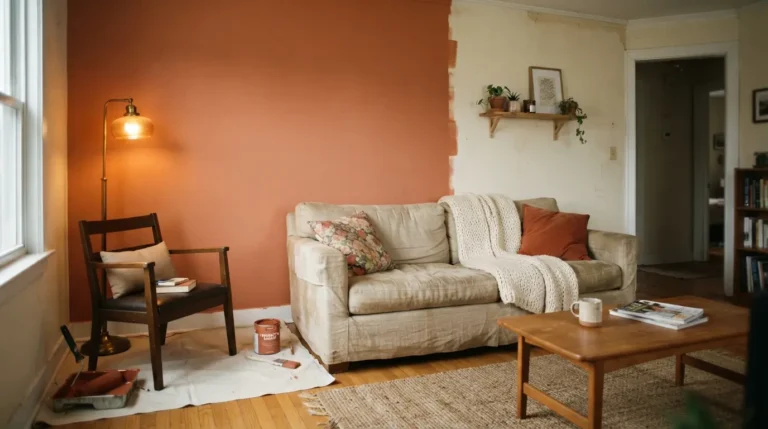
14. Bold Painted or Colour-Drenched Brick Fireplace
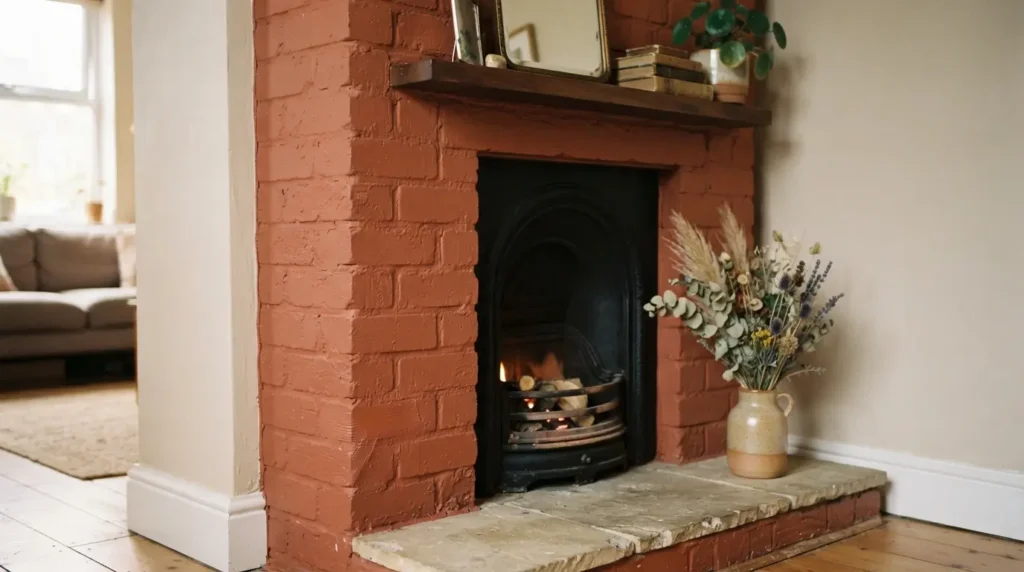
Painting an existing brick fireplace surround in a bold, saturated colour rather than leaving it in natural brick or the classic white finish gives a fireplace instant personal character for the cost of paint and a weekend rather than a full material change.
Heat-resistant masonry paint is essential here rather than standard emulsion, since ordinary wall paint can discolour or peel close to the firebox opening from heat exposure over time. This is one of the cheapest updates on this list, generally £30 to £80 in paint and supplies for a standard fireplace wall, and it’s fully reversible if a homeowner changes their mind later, unlike cladding or panelling.
15. Minimalist Flush Recessed Fireplace
A minimalist recessed fireplace sits flush with the surrounding plasterboard wall, with no visible mantel, surround, or hearth lip, giving the cleanest possible look for a contemporary living room that wants the fire itself to be the only visual statement.
This look is achieved by building a false wall or stud partition around the firebox to hide the unit’s edges completely, generally adding £500 to £1,200 in carpentry and plastering on top of the fireplace unit itself. The trade-off is practical rather than aesthetic. A fully flush, hearth-free design removes the natural protective ledge a traditional hearth provides, so households with young children or pets should weigh that against the streamlined look before committing.
Fireplace Idea Cost Comparison
[Cost Table: Fireplace Ideas by Approximate Cost]
| Fireplace Idea | Approximate Cost | Typical Timeline |
| Painted brick fireplace | £30–£80 | 1–2 days |
| Tongue and groove panelling | £25–£60 per m² | 1–2 days |
| Bioethanol fireplace | £200–£1,500 | 1 day (no flue needed) |
| Cast iron restoration | £200–£600 | 1–2 days |
| Herringbone tile surround | £50–£100 per m² | 2–3 days |
| Floating alcove shelving (pair) | £150–£400 per side | 1 day |
| Raised stove plinth | £300–£800 (plus stove/flue) | 1–2 days |
| Full-height mirror surround | £200–£400 per m² | 1–2 days |
| Stone cladding | £60–£150 per m² | 2–3 days |
| Linear gas insert | £1,500–£4,000 (plus fitting) | 2–4 days |
| Concrete surround | £150–£300 per m² | 3–4 days |
| Recessed flush design | £500–£1,200 (plus unit) | 2–3 days |
| Double-sided fireplace | £2,500–£6,000 | 3–5 days |
| Inglenook with seating | £3,000+ | 5+ days |
| Suspended ball fireplace | £3,000–£8,000+ | 3–5 days |
These figures are approximate and vary significantly by country, local labour rates, and material quality, so treat them as a starting point for budgeting conversations rather than a fixed quote.
Common Fireplace Design Mistakes to Avoid
The biggest mistake homeowners make when redesigning a living room fireplace is choosing a material or scale that doesn’t match the room size, most often going for a dramatic floor-to-ceiling treatment in a small room where it ends up dominating the space rather than anchoring it. A good rule of thumb is keeping full-height treatments like stone cladding or concrete for rooms with genuine ceiling height and floor space to balance them.
The second common mistake is ignoring heat clearance requirements when adding materials like mirror, tile, or timber panelling close to the firebox opening. Every material has a required safe distance from an active flame or heat source, and retrofitting a beautiful finish too close to the opening is one of the most common reasons a finished fireplace project fails a safety inspection or has to be partially redone.
Conclusion
The best fireplace ideas for a living room match the material and scale to your actual room, not just to a photo you liked online. A small room usually calls for a slimline insert or a simple painted update, while a larger space with genuine ceiling height can carry stone cladding or a full inglenook without feeling oversized. Check heat clearance and structural requirements before falling for any bold design, and budget realistically for both the material and the fitting, since fireplace work is one area where the installation labour often costs as much as the finish itself.
FAQs
What is the best fireplace design for a small living room?
A slimline linear gas insert, painted brick finish, or bioethanol fireplace all work well in small rooms, since they avoid the visual weight of full-height stone or concrete cladding.
How much does it cost to update a fireplace surround?
Budget-friendly updates like paint or panelling generally run £30 to £250, while material changes like stone cladding or tiling typically cost £50 to £150 per square metre installed.
Do I need a flue for a modern fireplace?
Gas and wood-burning fireplaces need a proper flue or liner, but bioethanol fireplaces burn clean enough to need no flue or chimney at all.
Can I put a fireplace on any wall in my living room?
Not always. Structural weight for stone or concrete surrounds, existing chimney position for gas and wood-burning options, and heat clearance requirements all affect which wall is realistic.
Is a wood burning stove better than a gas fireplace?
Wood burning stoves generally produce more consistent heat and a more traditional flame, while gas fireplaces offer more control and considerably less day-to-day maintenance and cleaning.
What is the most low-maintenance fireplace option?
A bioethanol or gas fireplace insert requires far less upkeep than a wood-burning stove or open fire, since there’s no ash, soot, or chimney sweeping involved.