15 Garden Border Ideas for a Beautiful and Structured Planting Scheme

A well-planned garden border gives structure and colour without looking rigid when the plants are grouped, repeated and layered by height. In UK gardens the key decisions are depth (aim for 1.5 metres or more), plant spacing of roughly five to seven per square metre for perennials, and a mix of evergreen structure with seasonal flowers. Measure the border, improve soil where needed, and choose plants that suit the aspect and drainage before you order.
These fifteen ideas cover different styles and practical layouts that work in typical British plots. Each focuses on what to plant, how to space it, and common mistakes such as making the border too narrow. Use them as starting points and adapt to your soil and light.
1. Classic three-layer mixed border
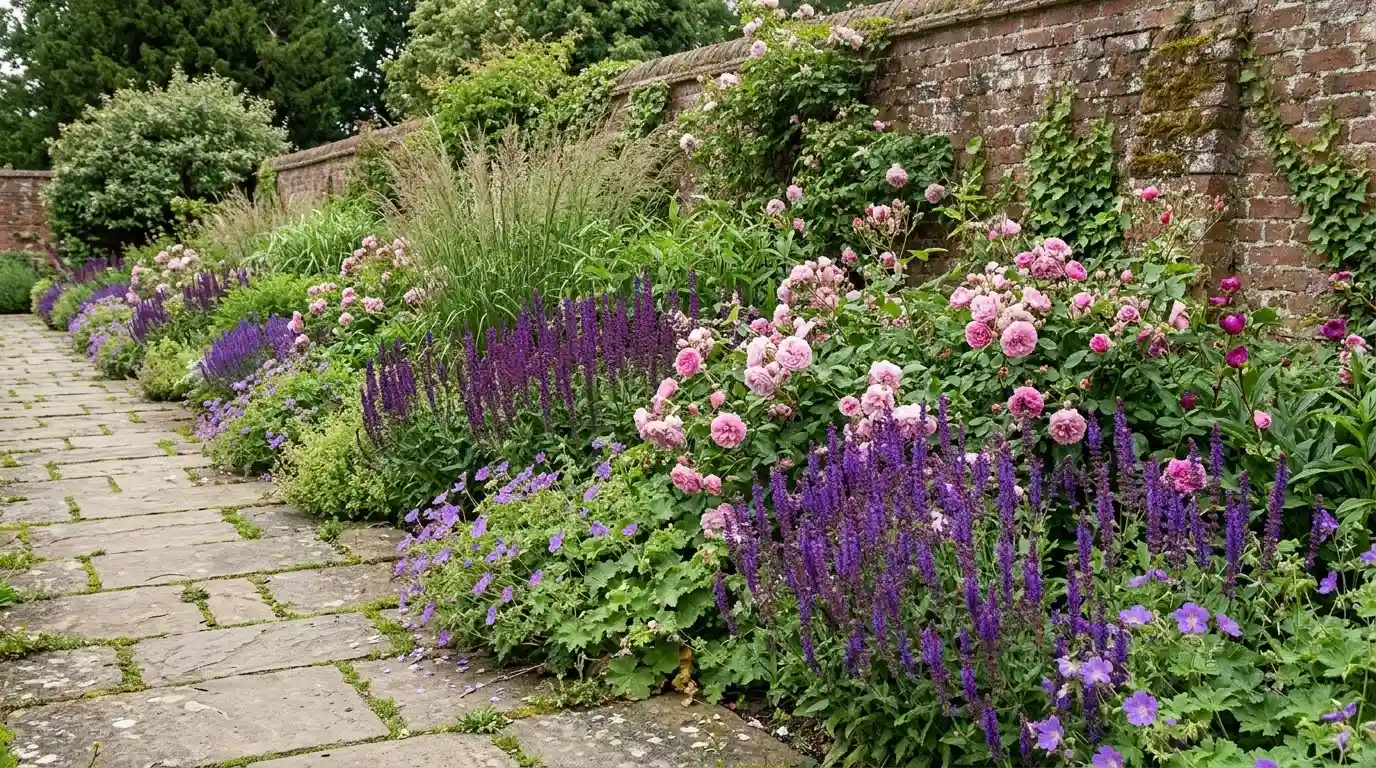
Place tall shrubs or perennials such as delphiniums or miscanthus at the back, medium salvias or roses in the middle, and low geraniums or alchemilla at the front. Make the border at least 1.8 metres deep. Plant in groups of three or five and repeat the groups along the length. This creates rhythm and prevents a flat look. On clay improve drainage with grit before planting. The structure lasts once established with an annual mulch and selective cut-back in spring.
2. Cottage-style overflowing border
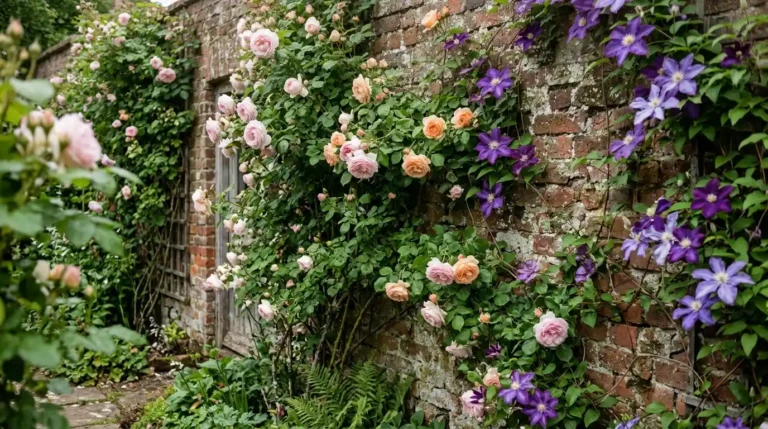
Use roses, foxgloves, hollyhocks and hardy geraniums packed closely so plants spill over the path. Depth of 2 metres works best. Allow self-seeding for the wild effect. Soft pinks, mauves and whites keep it romantic. Stake tall plants early. This style needs more weeding in year one but less later as the canopy closes. Check for good air flow around roses to reduce disease.
3. Evergreen backbone for year-round structure
Include shrubs such as sarcococca, pittosporum or clipped yew for winter interest, then fill with seasonal perennials. Space shrubs one per square metre or more depending on size. The evergreen bones stop the border looking empty from November to March. Choose varieties that suit your soil pH. Mulch to suppress weeds around the shrubs while they establish.
4. Prairie-style border with grasses
Combine tall ornamental grasses such as miscanthus with echinacea, rudbeckia and verbena. Plant in drifts rather than singles. Full sun and free-draining soil suit this best. The grasses provide movement and winter interest when left standing. Cut back in late winter. This works well in larger borders of 2 metres or more deep and looks modern yet natural.
5. Scented border near a path or seating area
Prioritise lavender, roses, nicotiana, jasmine and phlox where people pass or sit. Plant lower scented plants at the front. Full sun helps the scent develop. Deadhead regularly to prolong flowering. Avoid overcrowding so air can move. This makes the garden more enjoyable in the evening without needing extra lighting.
6. Shade-tolerant border under trees or north-facing
Use hostas, ferns, hellebores, brunnera and epimedium. Improve soil with leaf mould. Plant in groups and allow them to form clumps. The border will look good for longer into autumn with good foliage. Water in the first season if the tree roots compete. Avoid plants that need full sun.
7. Narrow border along a path or fence
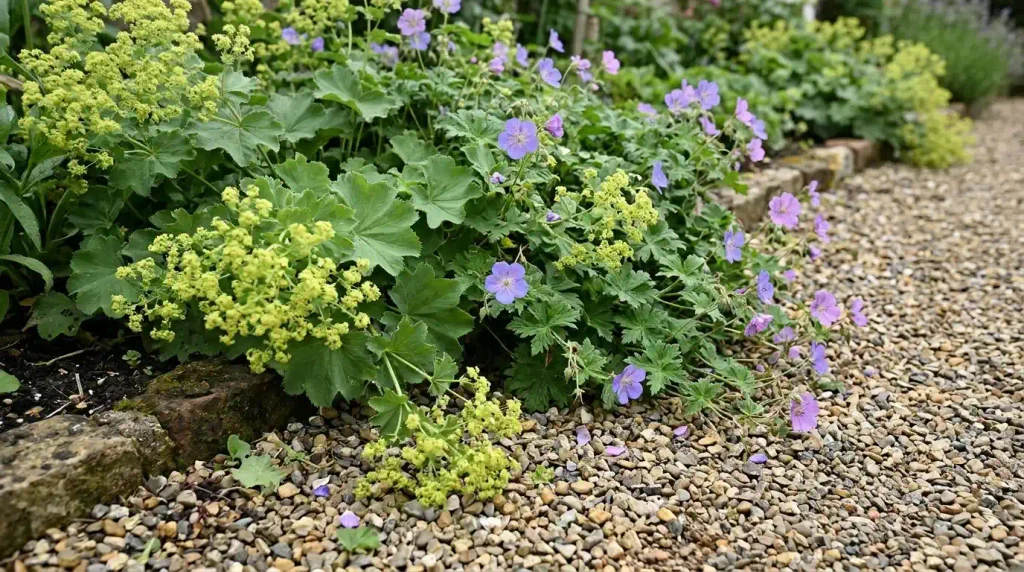
Even a 90 cm to 1.2 metre border can work with two layers: taller plants at the back and spillers at the front. Use repeat plantings of three or five of the same plant. Edging with metal or timber keeps the shape neat. This is common in side returns. Choose plants that do not lean too far into the path.
8. Colour-themed border in blues and purples
Focus on delphiniums, salvias, nepeta, alliums and agapanthus. Repeat the groups for unity. The cool colours recede and can make a space feel larger. Full sun preferred. This creates a calm, structured look that still has movement from the taller stems.
9. Hot colour border with reds and oranges
Use dahlias, crocosmia, helenium and rudbeckia for impact. Place at the end of a view or near seating. These need full sun and regular deadheading. On heavy soil raise the bed slightly. The strong colours draw the eye and work well in smaller numbers of larger groups.
10. Wildlife-friendly border
Include single-flowered plants such as echinacea, verbena, buddleja and native grasses that provide nectar and seed. Leave some seed heads over winter. Avoid pesticides. This supports bees and birds while still looking designed if plants are grouped. Depth of 1.5 metres or more allows a mix of heights.
11. Raised border for better drainage
Build a raised edge of sleepers or brick 20 to 30 cm high and fill with improved soil. This suits clay or wet sites. Plant as for a ground-level border but water carefully in the first year. The height also makes maintenance easier and defines the shape clearly against lawn.
12. Border with bulbs for spring interest
Interplant daffodils, alliums and tulips between perennials so they emerge early then the perennials hide the foliage. Plant bulbs 10 to 15 cm deep in groups. This extends the season without extra space. Choose varieties that naturalise well in UK conditions.
13. Formal clipped border with soft planting inside
Use a low hedge of box or similar to edge a border then fill with looser perennials. The contrast between tight structure and soft plants is classic. Keep the hedge trimmed twice a year. This works in front of a house or along a path.
14. Dry gravel border for low maintenance
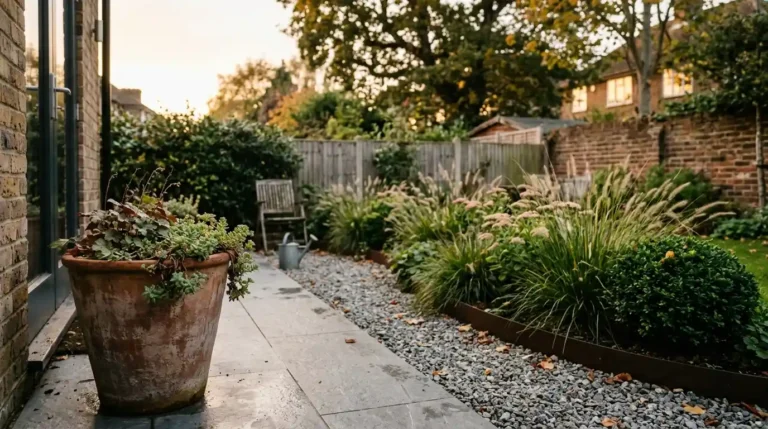
On free-draining soil plant Mediterranean herbs, lavender, euphorbia and grasses into a gravel mulch. Depth of gravel 5 cm after planting. This reduces weeding and watering once established. Suits sunny spots. Avoid on heavy clay without major soil improvement.
15. Long seasonal border with succession
Plan so something is in flower or good foliage from spring to autumn by combining early bulbs, summer perennials and late grasses. Repeat key plants every 3 metres. This prevents bare periods. Keep a simple colour palette so the succession looks unified rather than busy.
Conclusion
These fifteen border ideas show that structure comes from depth, grouping, repetition and layering rather than from rigid lines. Measure your space, improve the soil, and plant in odd numbers with enough room for the plants to mature. The result is a border that looks full and intentional through the seasons with manageable care once established. Start with the structural plants and fill around them.
FAQs
How many plants do I need per square metre in a border?
As a guide use five to seven medium perennials per square metre, fewer for larger shrubs, and more for small front-row plants. This allows the border to fill in two to three years without overcrowding at the start.
What is the minimum depth for a good garden border?
90 cm can work for a simple two-layer border. For three proper layers aim for 1.5 to 2 metres. Narrower borders struggle to look full and structured.
When should I plant a new border in the UK?
Autumn is best for most perennials and shrubs so roots establish before summer. Spring is fine if you keep plants watered. Avoid planting in frozen or waterlogged conditions.