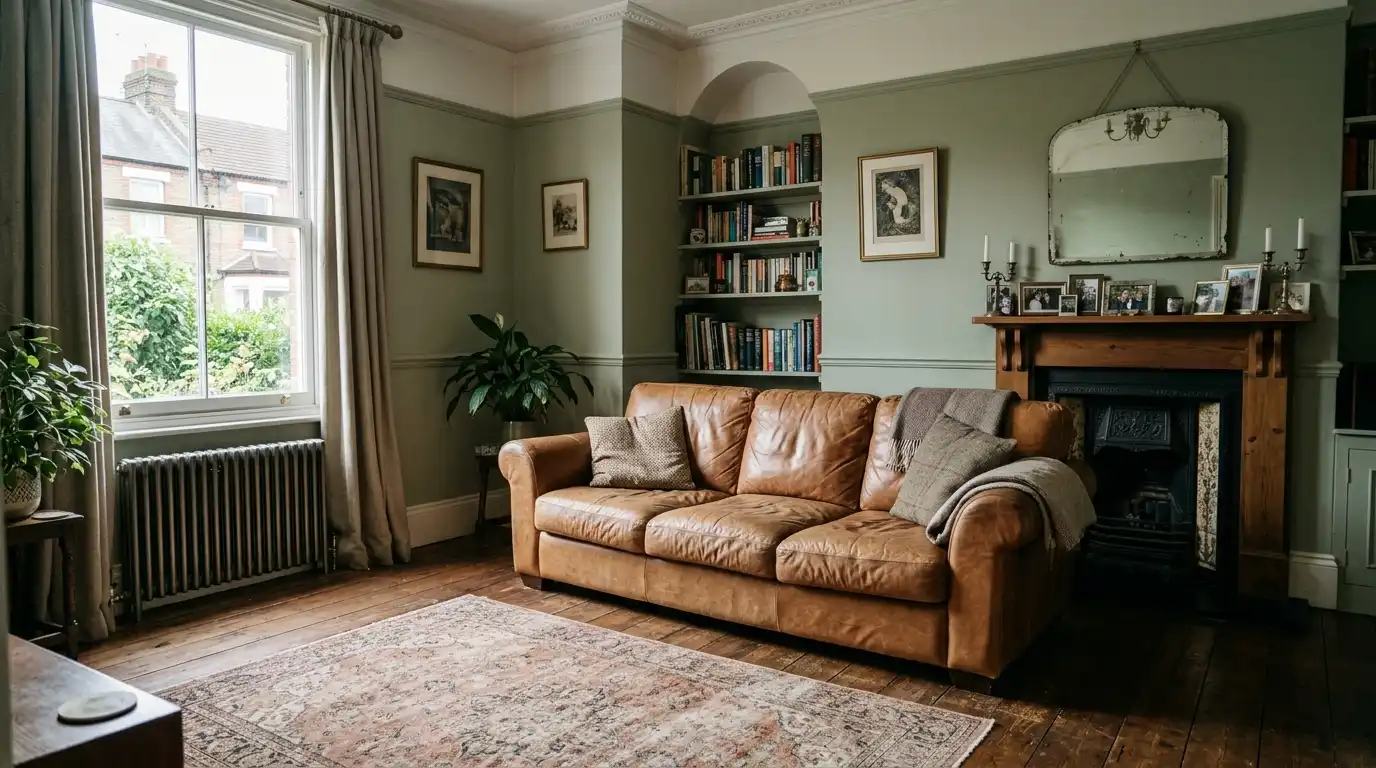
10 Leather Sofa Ideas to Elevate Your Living Room

Leather sofas bring durability and a finished look that works in both period and modern UK living rooms. The practical choices cover size, leather grade, colour and how the piece sits with the rest of the furniture. These ten ideas focus on configurations and materials that handle everyday use while still looking considered. Check clearances and leather type before ordering so the sofa remains comfortable and easy to live with after the first winter. A well-chosen leather sofa can last 15 to 20 years with basic care, which makes the initial measurement and material checks worthwhile.
1. Classic Brown Leather Chesterfield for Period Rooms
A Chesterfield with deep buttoning and rolled arms suits rooms with high ceilings or traditional features. Typical three-seater widths run 200 to 220 cm. Choose full-grain or top-grain leather in a mid-brown so the piece develops a natural patina. Leave 90 cm clear in front and check that the rolled arms do not block side tables. This style elevates a living room without needing extra decoration. Measure doorways carefully because the fixed frame is bulky. In Victorian terraces the combination of the rolled arms and the narrow hall often means the sofa must arrive with the legs removed.
2. Tan or Cognac Leather for a Warm Neutral Base
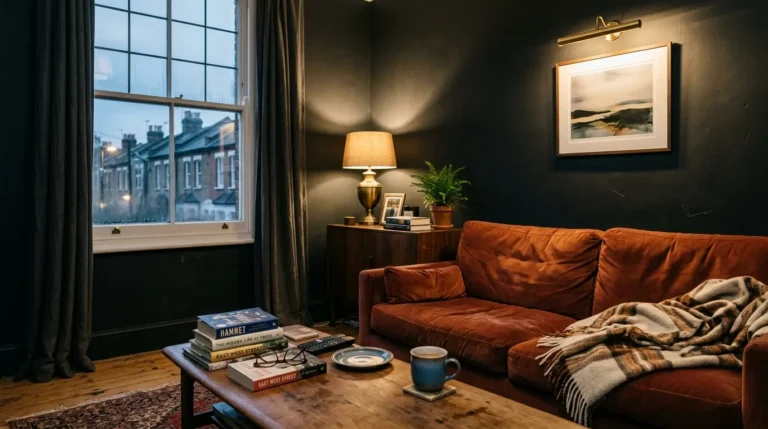
Tan leather reads as a warm neutral and pairs with oak floors and soft wall colours. A standard three-seater of 180 to 210 cm works in most family rooms. Protected leather finishes wipe clean and suit homes with children. The lighter tone makes the sofa feel less heavy in smaller spaces. Check the undertone against your existing paint samples because some tans go pink under certain lights. Cognac shades work particularly well with brass fittings and warm timber floors common in UK homes.
3. Black Leather Sofa for a Modern Contrast
Black leather creates a clean modern line against pale walls or light flooring. Widths of 190 to 220 cm keep the proportion right. Choose a semi-aniline or protected finish so marks show less. The dark colour absorbs light, so pair it with lighter cushions and a bright rug. Leave the usual 75 to 90 cm walkway clearance so the dark mass does not make the room feel smaller. In north-facing rooms add warm lighting so the black does not read as cold.
4. Leather Corner Sofa for Open-Plan Living
An L-shaped leather corner gives seating for more people without adding a second sofa. Typical long sides run 250 to 280 cm. Modular versions fit through standard 75 cm UK doors. The leather surface is easy to wipe after meals if the seating faces a dining area. Confirm the left or right hand orientation matches your room layout before ordering. Leave at least 90 cm clear on the open side so the corner does not block the main path through an open-plan space.
5. Low-Profile Contemporary Leather Sofa
A low-back leather sofa with slim arms suits modern extensions and low ceilings. Seat heights around 42 to 45 cm create a relaxed posture. Widths of 170 to 200 cm work in medium rooms. The clean lines keep the focus on the leather texture. Check overall height against window sills so the back does not block light. Slim arms also maximise the usable seating width, which is useful in compact UK living rooms.
6. Distressed or Vintage Leather for Character
Distressed leather already shows natural marks and ages gracefully. It suits rooms with reclaimed wood or industrial elements. A three-seater around 200 cm gives enough seating without dominating. The finish hides everyday scuffs better than a perfect new hide. Ask the retailer about the leather grade so you know how it will continue to change. These leathers often look better after a year of use than they do when new.
7. Leather Sofa with Chaise for Lounging
A chaise end adds a place to stretch out. The main section is usually 180 to 200 cm with the chaise adding 80 to 100 cm. Measure the fully extended footprint and leave 90 cm clear around it. Leather on a chaise is practical because it wipes clean after feet-up use. Confirm the chaise is on the correct side for your traffic flow. In smaller rooms a left- or right-hand chaise can free up more floor space than a full corner unit.
8. Compact Two-Seater Leather Sofa for Smaller Rooms
A two-seater of 150 to 170 cm fits rooms under 3.5 metres wide. Pair it with an armchair rather than forcing a larger piece. Slim arms maximise the seating width. The smaller scale keeps walkways open. Check access through hallways because even compact sofas can be awkward on stairs. A compact leather sofa also works well in a bay window where a larger piece would overwhelm the space.
9. Leather Sofa in a Soft Grey or Taupe
Grey or taupe leather sits between black and brown and works with many colour schemes. A 190 to 210 cm three-seater is a versatile size. The cooler tone suits north-facing rooms when paired with warm woods. Protected finishes are available in these colours. Test a sample against your flooring because grey can shift under different lights. Taupe in particular hides minor marks better than a pure grey.
10. Modular Leather Sections for Flexible Layouts
Modular leather pieces can be rearranged as the room changes. Individual sections usually fit through standard doors. Start with a two- or three-seater base and add a chaise or corner later. The leather remains consistent across sections if ordered together. This approach suits renters or families whose needs change. Always check the joining method so the sections stay level. Modular leather also makes future moves easier because each piece can be carried separately.
What to Check Before Ordering a Leather Sofa
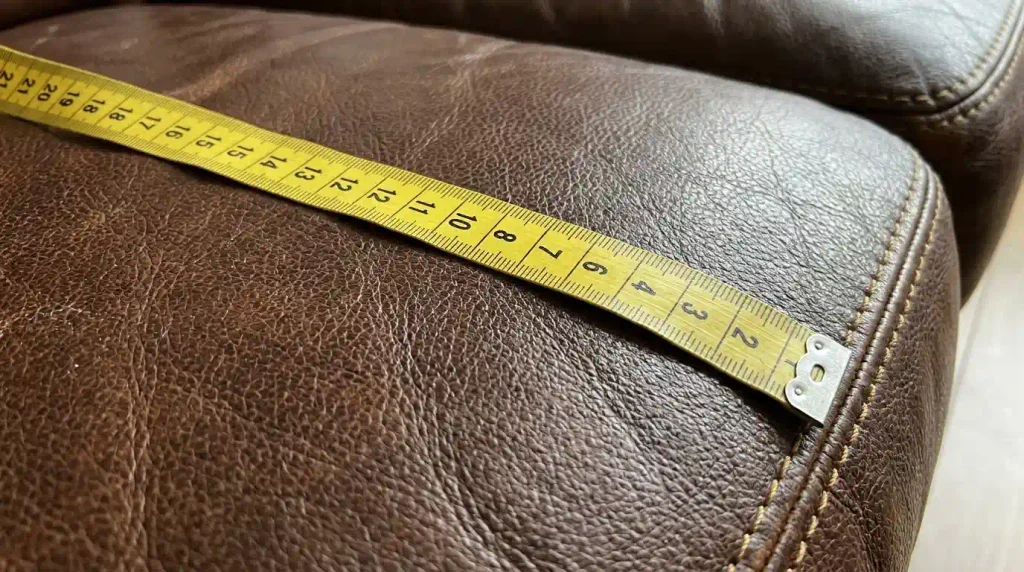
Confirm the leather grade: full-grain or top-grain lasts longest. Measure the room, the access route and the clearances. Check whether the legs are removable and if the piece is modular. Ask about the fire-safety rating and the guarantee. Test a leather sample in your room for several days. These steps prevent the common problems of a sofa that will not fit or a finish that marks more than expected. Also confirm the care instructions; most leather needs occasional conditioning to stay supple in centrally heated UK homes.
Conclusion
Leather sofa ideas work best when the size, the leather grade and the clearances match the room. Choose a configuration that fits your space and a finish that handles daily use. Measure carefully and test samples. The result is a sofa that elevates the living room and remains practical for years. Taking the time to match the leather type to your household makes the investment last.
FAQs
What is the best leather grade for a sofa?
Full-grain or top-grain leather lasts longest and develops a good patina. Protected finishes are more practical for busy homes.
How much clearance do I need around a leather sofa?
Leave 75 to 90 cm in front for walkways and 40 to 50 cm to a coffee table.
Will a leather sofa fit through a UK doorway?
Most standard doors are 75 to 80 cm wide. Modular sofas or models with removable legs usually fit; fixed frames may not.