10 Exterior Paint Ideas to Transform the Outside of Your Home

Exterior paint ideas for the outside of a UK home need to balance style with weather resistance, because British rain, UV and temperature swings test every finish. The right colour and system can refresh render, brick or cladding without major building work, but only if you choose products suited to the substrate and check planning rules in conservation areas. This list covers practical options with coverage notes, common mistakes and what to verify before ordering.
1. Soft Sage Green Render
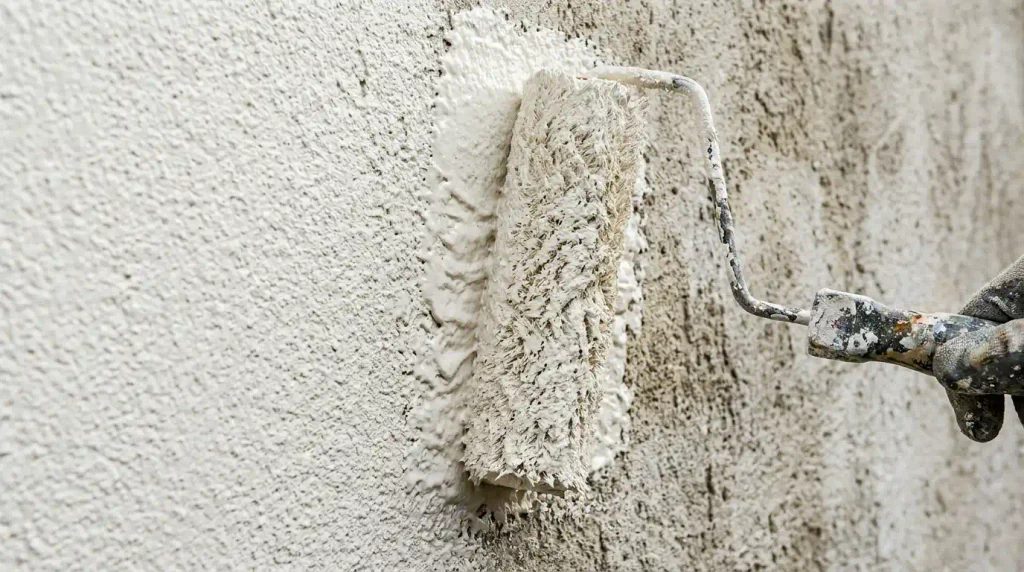
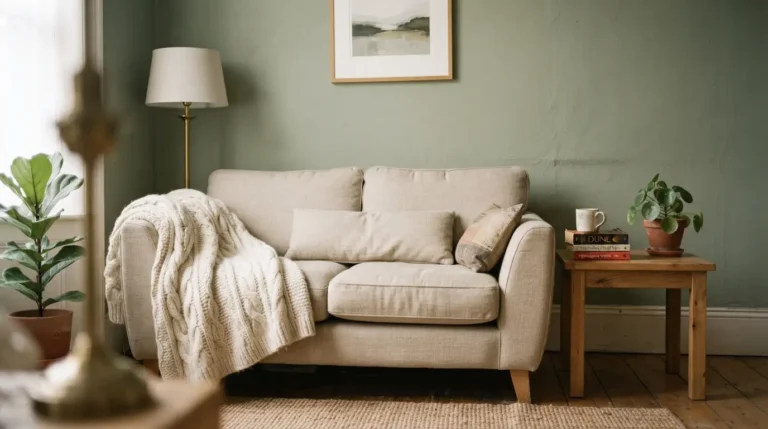
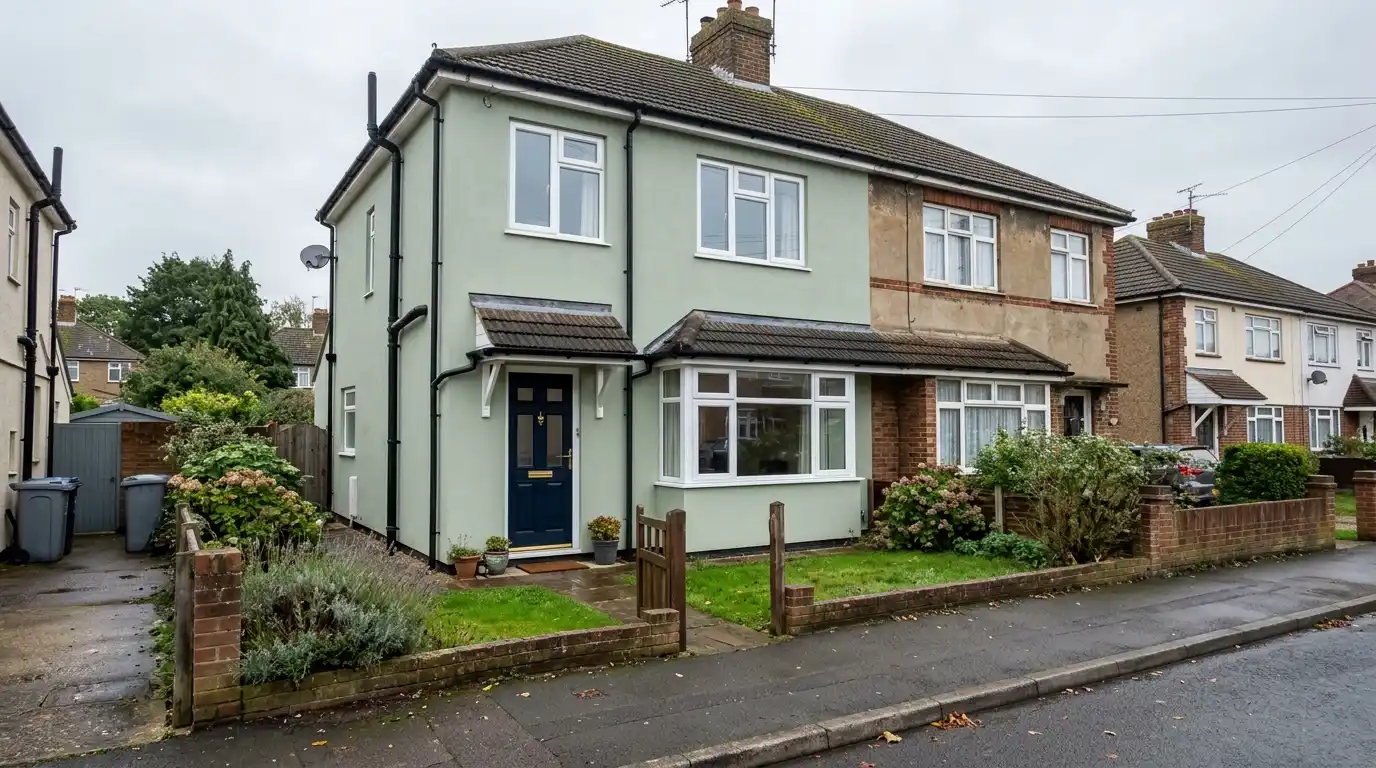
Sage green on rendered walls creates a calm, modern look that works well on 1930s and contemporary homes. Use a masonry paint with high breathability so moisture can escape. Typical coverage is 6 to 8 square metres per litre for two coats on smooth render. Test a large sample because the colour shifts in north facing light. Pair with white or cream woodwork. Our guide to choosing exterior paint explains finish options that hide dirt.
2. Warm Off-White for Traditional Brick
A warm off-white or stone colour on brick can lighten a dark terrace without looking stark. Choose a paint formulated for brick that allows the wall to breathe. Expect lower coverage on textured brick, around 4 to 6 square metres per litre. Seal any damp first. This approach often needs less paint than a dark colour because fewer coats achieve opacity.
3. Deep Navy on Front Elevation Only
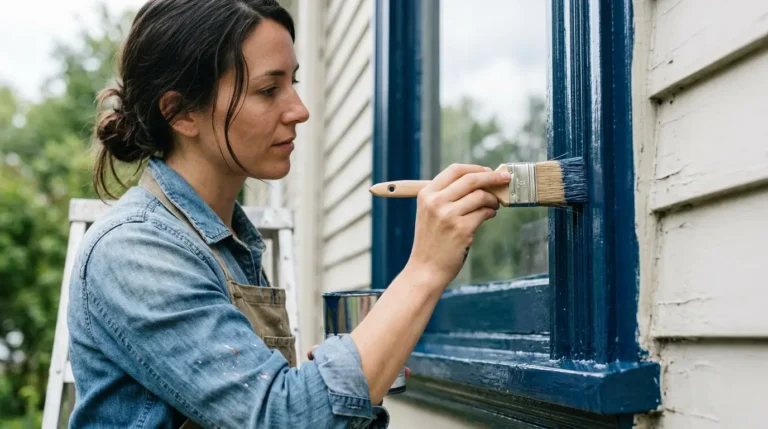
Painting just the front elevation in deep navy creates a strong statement while keeping the sides lighter to reduce cost. Exterior eggshell or satin works better than full gloss on large areas because it hides imperfections. Check local planning if you are in a conservation area. Coverage for deep colours is often lower so buy extra. See related ideas for dark paint that work outdoors.
4. Soft Grey with White Window Frames
A mid grey on walls with crisp white frames is a reliable contemporary choice for UK homes. Masonry paint in satin finish resists dirt better than flat. Calculate total wall area carefully, including reveals. Common mistake is underestimating the number of coats needed for full coverage on previously dark walls.
5. Heritage Green on Cottage Render
Heritage greens suit cottages and period properties. Look for paints with mineral content that age gracefully. Always check with the conservation officer before changing colour on a listed building. Test samples over several days because light in rural settings differs from urban.
6. Warm Terracotta Accent on Porch
Using terracotta only on the porch or bay adds interest without committing the whole house. Exterior wood paint or masonry paint both work depending on the surface. Ensure good adhesion on any previously painted areas by sanding first.
7. Soft Blue-Grey for Coastal Homes
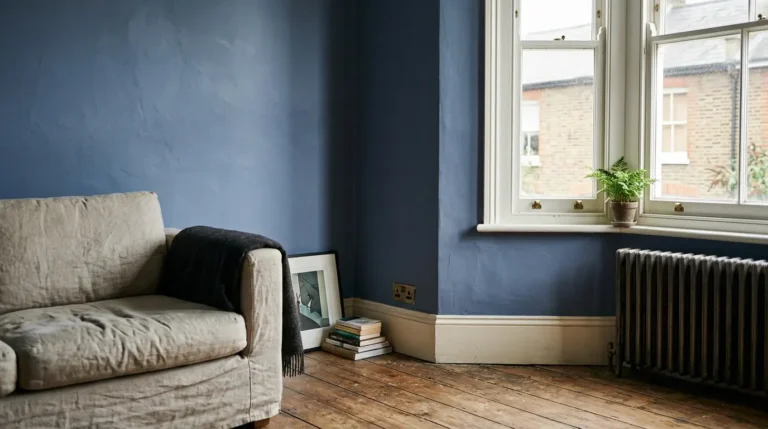
Blue-grey tones suit homes near the coast where light is cooler. Choose a paint with added UV protection. Salt air is harsh so look for products with good elasticity. Coverage figures assume clean, stable surfaces.
8. Cream with Dark Door Contrast
Keeping walls in a soft cream and painting the door and frames in a dark contrast colour is a classic UK approach that maximises impact for less paint. It also makes future door refreshes easier. Measure frame lengths separately for accurate ordering.
9. Light Stone on Pebbledash
Pebbledash needs a thick masonry paint or specialist coating that fills the texture without cracking. Coverage drops significantly on rough surfaces. Clean thoroughly and allow to dry fully before painting. Avoid very dark colours that show dirt faster.
10. Two-Tone with Upper and Lower Levels
Painting the ground floor a darker tone and the upper storey lighter adds height and interest. Ensure a clean horizontal line at the change of colour, often at the string course. This works well on semi-detached houses. Always buy paint from the same batch for consistent colour.
What to Check Before Ordering Exterior Paint
Measure all wall areas accurately, including windows and doors which you subtract. Check the substrate type and any existing coatings. Confirm weather forecasts for the application window. In conservation areas get written approval for colour changes. Buy 10 percent extra for touch ups. Our exterior paint guide covers systems in more detail.
Conclusion
The best exterior paint ideas for UK homes combine a colour that suits the architecture and light with a product that handles the climate. Test large samples, prepare surfaces properly and calculate coverage carefully before ordering. The right choice transforms the house without the cost of rendering or cladding replacement.
FAQs
How much paint do I need for the outside of a house?
Calculate the total wall area minus openings, then divide by the coverage figure on the tin for the number of coats. Most masonry paints need two coats. Add 10 percent extra.
Can I paint over pebbledash?
Yes, with a suitable thick masonry paint after thorough cleaning and repair of any loose areas. Coverage will be lower than on smooth render.
Do I need planning permission to change exterior colour?
Usually not, but conservation areas and listed buildings often require consent. Check with your local authority before starting.