How to Choose Kitchen Cabinet Doors for Your Style

Choosing kitchen cabinet doors for your style starts with your kitchen’s actual layout and daily use, not a mood board of photos gathered from other people’s homes. Most regret comes from the same pattern: falling for a finish or colour online, then discovering it clashes with the worktop already in place or simply can’t handle how the kitchen genuinely gets used day to day.
Start With Your Kitchen’s Layout, Not a Mood Board
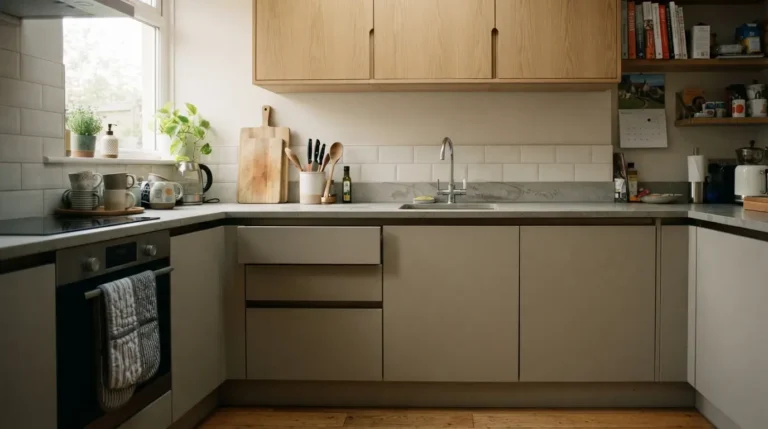
Before choosing a style, look honestly at what you’re working with: the shape of the room, how much cabinetry you have, and what’s already fixed in place, worktop, flooring, appliances, that a new door style needs to sit alongside. A small galley kitchen with limited natural light suits a different door style to an open-plan kitchen-diner with an island, not because one style is objectively better, but because scale and light change how a finish actually reads once it’s installed rather than sitting on a sample board.
Match, or Deliberately Contrast, Your Worktop and Hardware
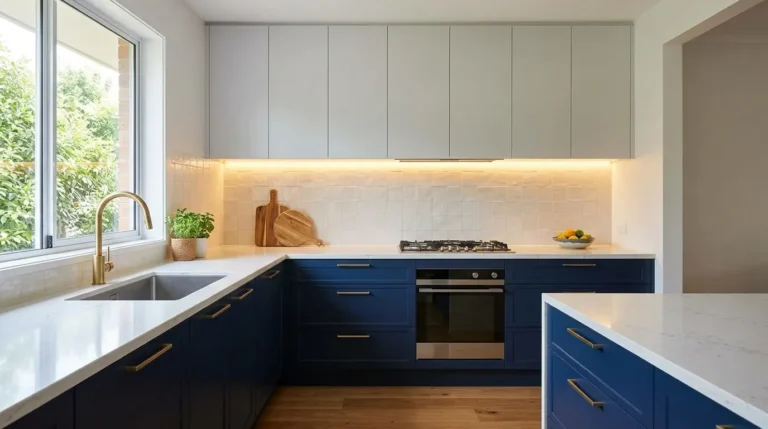
Decide early whether you want your new doors to blend with your existing worktop and flooring or provide genuine contrast against them. A pale door against a dark worktop, or the reverse, tends to look more intentional than two similarly toned surfaces that neither match cleanly nor contrast clearly, that in-between zone is where most unplanned-looking kitchens go wrong. Hardware matters just as much: pick handle and hinge finishes, brass, chrome, matt black, that suit the door’s tone rather than choosing hardware as an afterthought once the doors are already ordered.
Choose a Finish for How the Kitchen Actually Gets Used
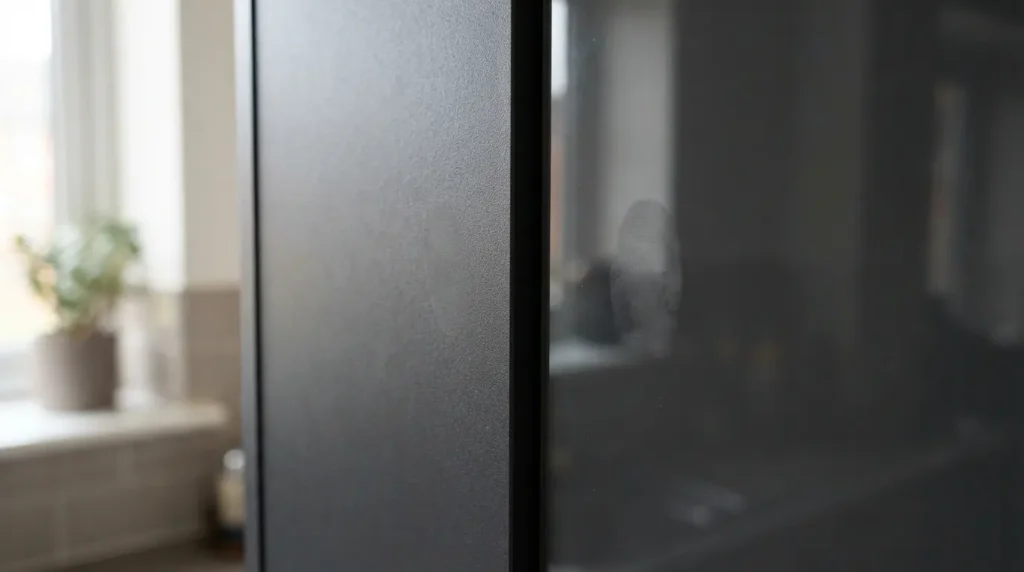
This is the decision most people make on looks alone, and it’s worth being honest about instead. A high-gloss finish brightens a smaller or darker kitchen and gives a genuinely sleek, reflective look, but it shows fingerprints, smudges, and light scratches far more readily than a matt finish does, since the sheen catches light exactly where a mark sits. Matt finishes hide daily wear considerably better, fingerprints, minor scratches, and smudges are all noticeably less visible, which makes matt the more forgiving choice for a busy household rather than a purely cosmetic preference. If the kitchen sees genuinely heavy daily use, children, pets, frequent cooking, weigh this durability question at least as heavily as the finish’s appearance in a showroom.
Decide How Much Style Consistency You Actually Want
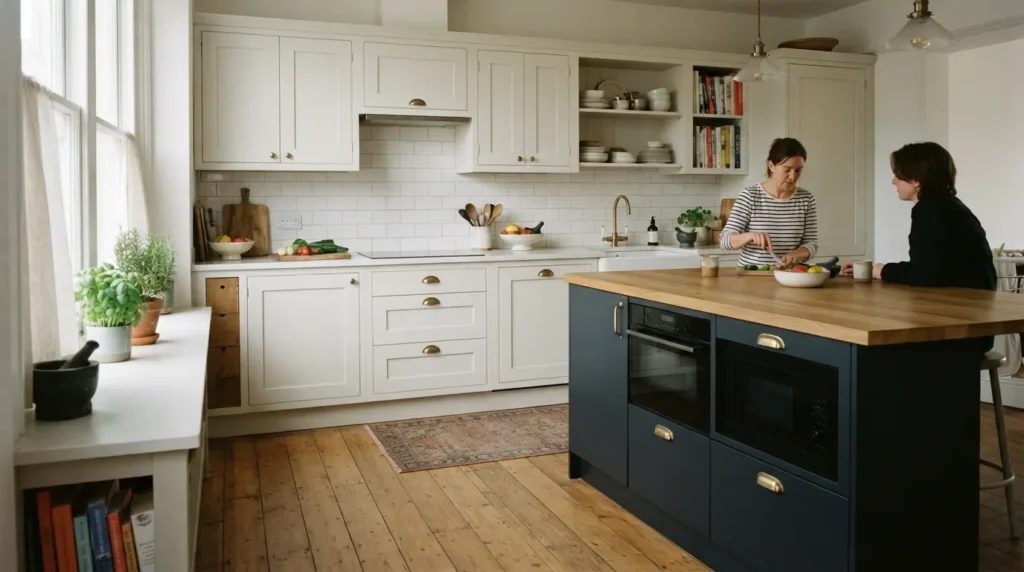
A single door style used throughout the kitchen gives a clean, cohesive look, but it isn’t the only option worth considering. Pairing shaker doors on the main run with flat slab doors on an island, for instance, creates visual interest and can genuinely highlight an island as the kitchen’s focal point without the two styles clashing, provided they share a consistent colour or material thread. If you’re drawn to mixing styles, keep the split deliberate, one style for the perimeter and a second for a single contrasting element, rather than scattering different styles without a clear logic, which reads as inconsistent rather than considered.
Order a Real Sample Before You Commit
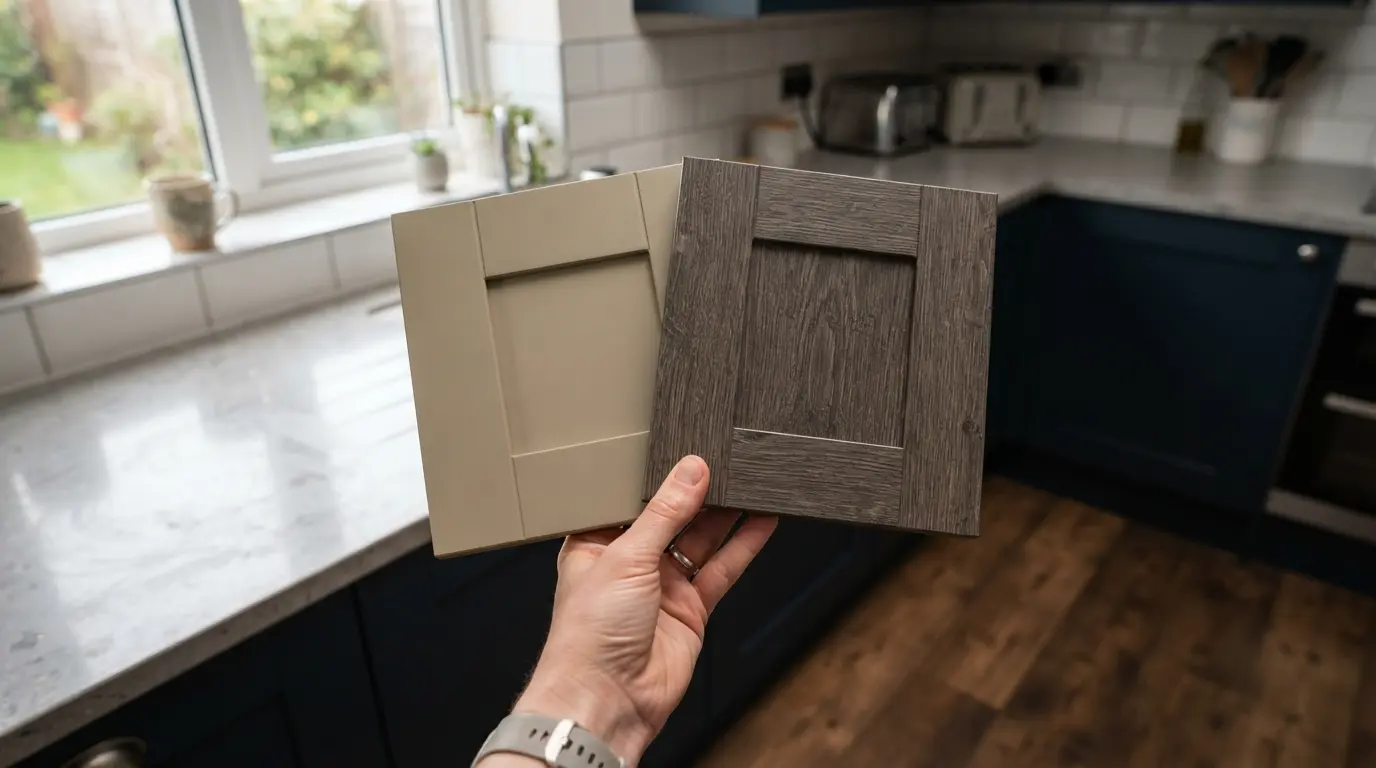
This is the step most buying guides skip, and it prevents more disappointment than any other single check. Order an actual sample panel and view it in your own kitchen, under your own lighting, both daytime and evening, rather than trusting a screen image or a small swatch under a showroom’s lighting. A colour or finish that looks perfect online can shift noticeably once it’s against your actual walls, worktop, and flooring, and a sample costs very little compared with the expense of reordering an entire kitchen’s worth of doors that turned out wrong once installed.
Set a Realistic Budget by Door Type
| Door Type | Typical Cost | What You’re Paying For |
| Vinyl wrap / foil | Lower end | Budget-friendly, wide colour range, less durable long-term |
| Painted MDF (shaker or slab) | Mid-range | Durable, easy to repaint, most popular for family kitchens |
| Solid wood | Higher | Genuine natural material, ages well, needs more care |
| Inset / bespoke joinery | Highest | Custom fit, premium finish, longest lead time |
At the budget end, vinyl-wrapped doors give you the widest colour choice for the lowest cost, but they’re generally less durable over the long term than a painted MDF equivalent, worth knowing if you’re planning to keep the kitchen for many years rather than a shorter-term fix. Painted MDF sits in the middle and is genuinely the most popular choice for family kitchens specifically, since it holds up well to daily use and can be repainted rather than replaced if you want a colour change down the line. Solid wood and bespoke inset joinery cost more and reward it with a genuinely different quality of finish, but they typically need more care and a longer lead time, so factor that into your renovation timeline if you’re working toward a fixed date.
Common Mistakes When Choosing Cabinet Doors
The most frequent mistake is choosing a finish purely from inspiration photos without checking it against the room’s actual lighting and existing fixed elements, worktop, flooring, appliances, that aren’t changing. The second is picking high gloss for its showroom appeal without weighing how visibly it shows marks in a kitchen that sees real daily use. The third is ordering a full kitchen’s worth of doors without testing a genuine sample first, a small, inexpensive check that catches most colour and finish disappointments before they become an expensive problem.
Final Thoughts
Choosing kitchen cabinet doors for your style really comes down to grounding the decision in your actual kitchen, its layout, its existing fixed elements, and how hard the room genuinely works day to day, rather than a style chosen purely from inspiration photos. Test a real sample before committing, be honest about the finish your household can actually live with, and the doors you choose will still suit both your style and your daily life years after they’re fitted.
FAQs
Should kitchen doors match the worktop or contrast?
Either works, but a clear choice in one direction generally looks more intentional than a colour that sits in between matching and contrasting. Decide early and choose your door colour with the worktop and flooring specifically in mind.
What door finish is best for a busy family kitchen?
Matt finishes generally handle daily wear better than high gloss, hiding fingerprints, smudges, and light scratches considerably more effectively, which makes them the more practical choice for a household with children or heavy daily use.
Can I mix two different cabinet door styles?
Yes, and it’s a genuinely effective way to highlight a feature like an island, provided the styles share a consistent colour or material thread. Keep the mix deliberate rather than scattering different styles without a clear logic tying them together.
How do I know what size sample to order?
Most suppliers offer a standard sample size specifically for this purpose, request one for any colour or finish you’re seriously considering, and view it in your own kitchen’s lighting rather than relying on how it looks on a screen or in a showroom.
Is it worth paying more for solid wood doors?
It depends on your priorities. Solid wood offers a genuine natural material and ages well, but it costs more and typically needs more care than painted MDF, which many households find delivers similar durability and looks for considerably less.