10 Box Room Single Bedroom Ideas for Adults and Teens

A box room single bedroom can still feel comfortable and practical when the layout is planned carefully. UK terraces and new-build houses often include a small single room that works well for a teenager or a spare adult room if the bed, storage and clearances are chosen to fit the footprint. The key is measuring the usable floor area first, then selecting a single bed size that leaves at least 600 mm walking space on the open side and 400 mm at the foot where possible. These ten ideas focus on real UK constraints such as standard door swings, radiator positions and the need for storage that does not block light.
1. Single Bed Against the Long Wall
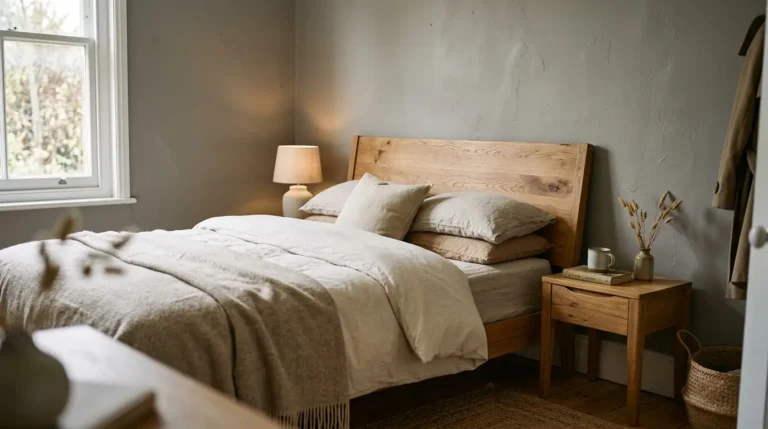
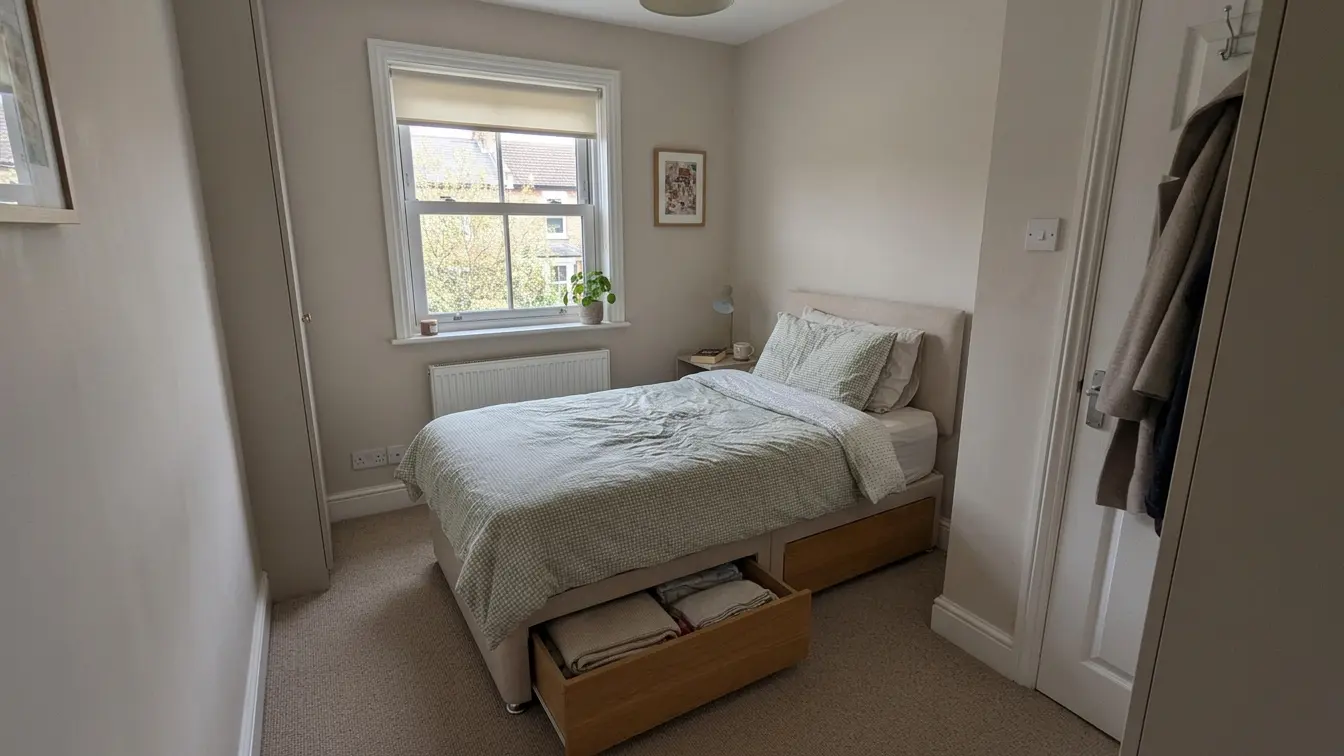
how to plan the perfect bedroom layoutPlace a standard single bed (90 cm by 190 cm) along the longest wall so the remaining floor stays open for a chair or a small desk. This layout keeps the door swing free and leaves a clear path to the window. Check the radiator position before ordering; many UK box rooms have the radiator under the window, so the bed should stop short of it by 100 mm for heat circulation. A simple wooden frame with under-bed drawers adds storage without adding height. See also for clearance rules that still apply in tiny rooms.
2. Storage Bed with Drawers
A single storage bed with three or four drawers underneath solves the lack of wardrobe space common in box rooms. Measure the drawer depth (usually 350–450 mm) and ensure the bed base sits high enough for the drawers to open fully without hitting skirting. Choose a frame with soft-close runners so the room does not feel noisy at night. This works well for both teens who need clothes storage and adults using the room as a guest space.
3. Wall-Mounted Desk for Study
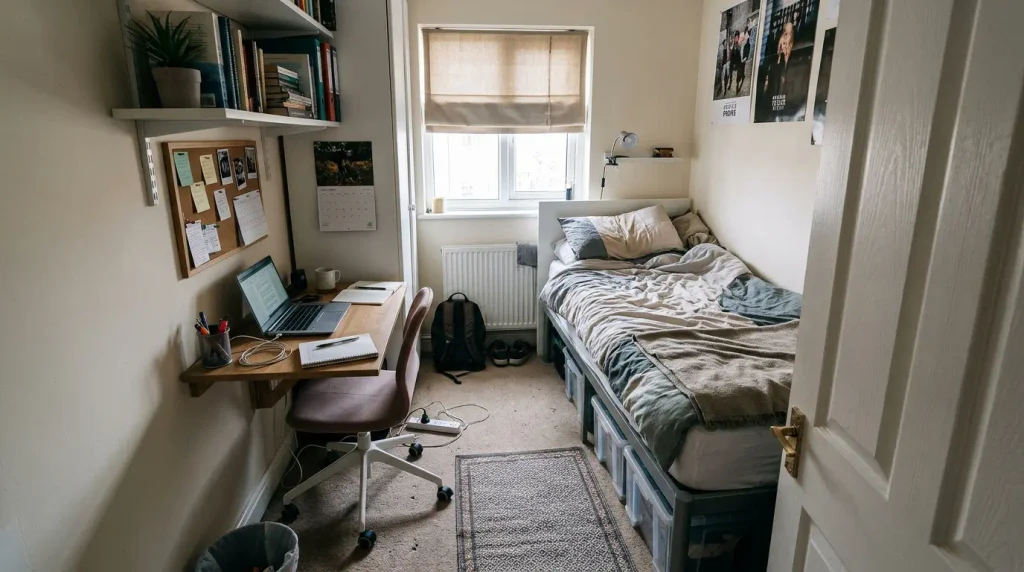
A fold-down or wall-mounted desk keeps the floor clear when not in use. Position it opposite the bed so the user can sit without the chair blocking the doorway. In UK homes the desk height should be around 720–750 mm for comfortable laptop use. Add a narrow shelf above for books rather than a freestanding bookcase that eats floor space. Pair with a task lamp that clamps to the desk to avoid trailing cables.
4. Mirrored Wardrobe on the End Wall
A slim single-door mirrored wardrobe (depth 400–500 mm) on the shortest wall makes the room feel wider and stores hanging clothes. Check the door opening arc so it does not hit the bed. Many UK suppliers offer 500 mm deep sliding-door options that need only 50 mm clearance. Reflecting the window light helps a north-facing box room feel brighter during short winter days.
5. Bunk or High Sleeper for Extra Floor
A high sleeper single bed (top bunk height around 1.5 m) frees the floor for a desk or seating underneath. Ensure ceiling height is at least 2.4 m so there is safe headroom when sitting up. UK building regulations require a ladder with a secure handrail and a safety rail on the open side. This is popular for teen rooms where the extra floor space is used for gaming or homework.
6. Daybed with Trundle
A single daybed with a pull-out trundle gives occasional double occupancy without permanent bulk. The trundle needs 1.9 m clear length when extended, so measure from the wall to the door carefully. Choose a low-profile design so the room does not feel top-heavy. This suits adult guest use or a teen who has friends over.
7. Built-In Alcove Storage
Many box rooms have a chimney breast or structural alcove. Fit shallow shelves or a hanging rail in the alcove (depth 300–400 mm) so the main floor stays open. Use the same paint colour as the walls to keep the storage from dominating. This is cheaper than a full wardrobe and works around awkward pipework common in older UK houses.
8. Light Colour Scheme and Vertical Storage
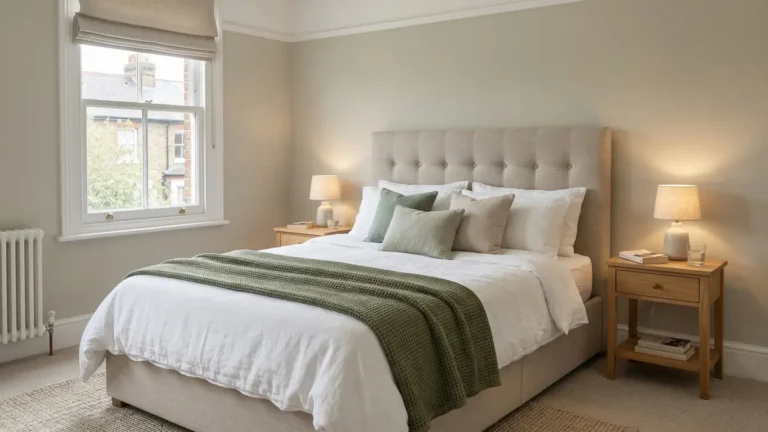
bedroom feature wall ideasPaint walls in a pale greige or soft sage so light bounces and the room feels larger. Add tall, narrow shelves or a ladder-style bookcase that uses vertical space rather than floor area. Keep the floor clear of rugs that trip in a tight layout; if a rug is needed, choose one that sits only under the bed. See also for controlled colour accents.
9. Single Bed with Headboard Shelf
A simple headboard with an integrated narrow shelf holds a lamp, phone and book without needing a bedside table that blocks the walking path. The shelf should be at least 150 mm deep and fixed securely to the wall studs. This keeps the floor free on both sides of a single bed in a very narrow room.
10. Multi-Functional Corner Unit
A corner desk-and-shelf unit that wraps around the bed end maximises the unused corner. Measure the diagonal carefully so the unit does not obstruct the door. In UK box rooms this often replaces both a desk and a chest of drawers. Choose melamine or oak-effect board that matches existing skirting for a built-in look.
Conclusion
A box room single bedroom works for adults or teens when the bed size, storage depth and walking clearances are measured before anything is ordered. Prioritise under-bed or wall-mounted storage, keep the door path free, and use light colours with mirrors to make the small footprint feel usable every day.
FAQs
What is a standard single bed size in the UK?
A standard single bed is 90 cm wide by 190 cm long. Some suppliers also offer 90 cm by 200 cm. Always measure the room length before ordering so the bed fits with clearances.
How much clearance do I need around a single bed in a box room?
Aim for at least 600 mm on the open side for getting in and out, and 400 mm at the foot if possible. The door must still open fully without hitting the bed.
Can a box room fit a desk and a single bed?
Yes, if you use a wall-mounted or high-sleeper desk arrangement. Measure the remaining floor after the bed is placed and choose a desk depth of 500–600 mm maximum.
What storage works best in a tiny single bedroom?
Under-bed drawers, a slim wardrobe under 500 mm deep, and wall shelves keep the floor free. Avoid bulky freestanding chests that block the walking path.
Is a high sleeper safe for a teen box room?
Yes if the ceiling is high enough (at least 2.4 m) and the bed has a proper safety rail and secure ladder. Check the manufacturer’s weight limit and fix the frame to the wall if recommended.
How do I make a north-facing box room feel brighter?
Use pale wall colours, a mirrored wardrobe, and layered lighting including a good bedside or desk lamp. Avoid heavy dark curtains that block the limited daylight.