10 Artificial Grass Ideas for a Perfect Low Maintenance Lawn

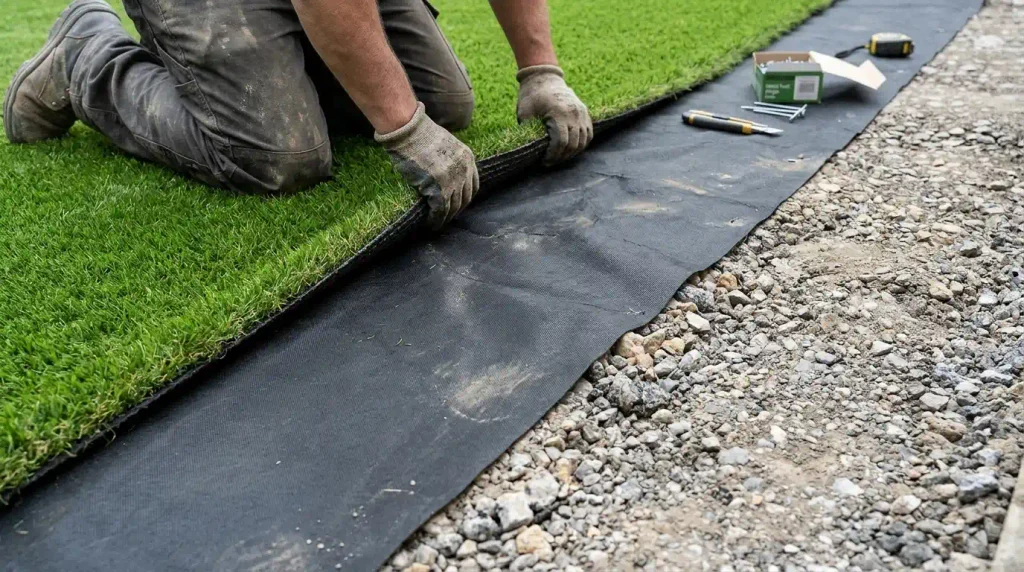
Artificial grass gives a permanently green surface that needs no mowing, watering, or feeding once installed correctly. In UK gardens it suits high-traffic areas, pet zones, and small plots where natural grass struggles. Success depends on excavating the existing soil, installing a compacted sub-base, and choosing the right pile height and density for the intended use. Most domestic installs dig out 75-100 mm to allow for membrane, 50-75 mm of MOT Type 1, a thin levelling layer of sharp sand or grano dust, and the turf itself.
Pile heights of 25-35 mm suit general garden use, while denser, shorter piles handle heavy play or pets better. Always install a geotextile membrane to prevent weeds and consider a shockpad or ZeoZorb layer where dogs will use the area. Slope the finished surface gently away from the house at about 1 cm per metre for drainage. These practical choices prevent the common problems of sinking, ponding, and early wear.
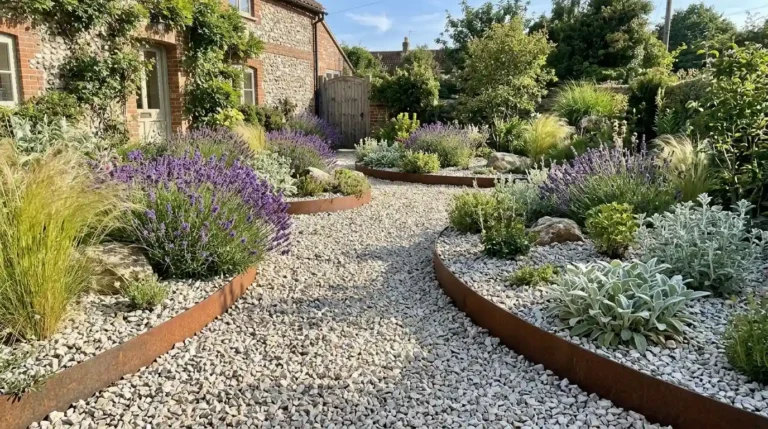
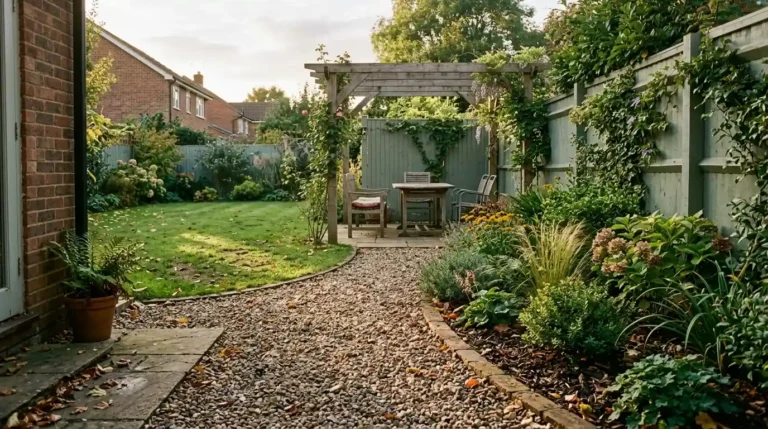
Pair the lawn with surrounding planting that needs little water. Our guide to create a gravel garden from scratch shows how to combine hard surfaces with drought-tolerant plants for a fully low-maintenance outdoor space.
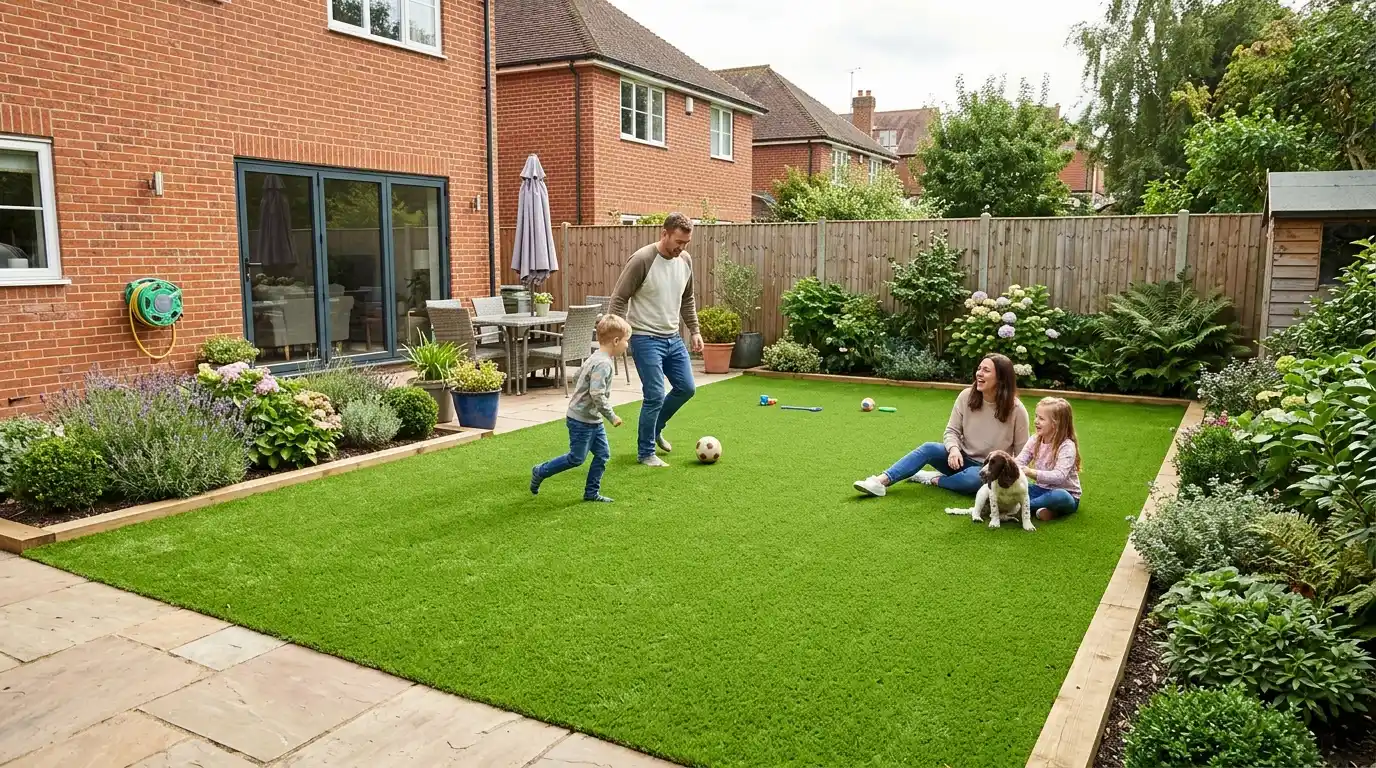
1. Family Play Area
A dense 30 mm pile with a shockpad underneath cushions falls and recovers from constant running. Excavate fully, compact the MOT Type 1, and edge with timber or aluminium to stop the turf lifting. This setup stays usable in all weather and eliminates mud tracking into the house.
2. Pet-Friendly Zone
Choose a shorter pile and add an absorbent layer such as ZeoZorb at 10 kg per square metre below and above the turf. The sub-base must drain freely so urine does not sit. Regular brushing and occasional rinsing keep odours down. This is practical for small gardens where dogs exercise daily.
3. Low-Traffic Front Garden
A longer 35 mm pile looks softer and more natural for areas seen from the street. Minimal sub-base depth works on well-drained soil. Combine with simple gravel paths or planting beds for kerb appeal without weekly mowing.
4. Balcony or Roof Terrace
Use a thin shockpad and lighter turf suited to the weight limits of the structure. Drainage is critical; ensure water can escape the edge. This creates a green floor without the mess of real grass on upper levels.
5. Sports or Games Strip
Short dense pile over a deeper compacted base handles repeated ball impact. Mark lines with contrasting turf or paint. The surface stays consistent year-round.
6. Shaded Side Return
Where natural grass fails under trees or walls, artificial turf remains green. Dig out carefully around roots and ensure the sub-base does not trap water. It brightens a dark space.
7. Mixed with Gravel
Define zones with edging so the artificial grass meets gravel cleanly. This combination reduces the area that needs any maintenance at all and works well in contemporary schemes.
8. Around a Garden Office
A neat rectangle of turf outside a garden room gives a finished look and a clean surface for chairs. Install with a slight fall so water moves away from the building.
9. Replacement for a Worn Lawn
Remove the old grass completely before building the base. The new surface hides previous dips once the sub-base is levelled and compacted. It is a one-time project that ends the cycle of reseeding.
10. Seasonal Entertaining Space
A larger area of artificial grass stays clean for outdoor furniture all year. No watering means no muddy patches under tables in wet weather. Brush the pile upright after moving furniture.
Conclusion
Artificial grass delivers a low-maintenance lawn when the sub-base is excavated and compacted correctly, the pile matches the use, and drainage is planned. Choose 25-35 mm piles for most gardens, dig 75-100 mm, and edge firmly. The result is a green surface that stays usable without the weekly work of real grass.
FAQs
How deep do I need to dig for artificial grass?
Typically 75-100 mm to allow for membrane, compacted MOT Type 1, levelling layer, and the turf itself.
Does artificial grass need a weed membrane?
Yes, a geotextile membrane under the sub-base prevents weeds growing through and extends the life of the installation.