7 Living Room Wall Panelling Ideas to Elevate Your Space

Living room panelling can turn a plain wall into a feature that feels considered and comfortable. The ideas that work in UK homes balance the panel style with the size of the room, the furniture layout and the amount of natural light. These seven approaches cover practical options with the heights, materials and clearances that matter.
1. Half-Height Panelling Behind the Sofa
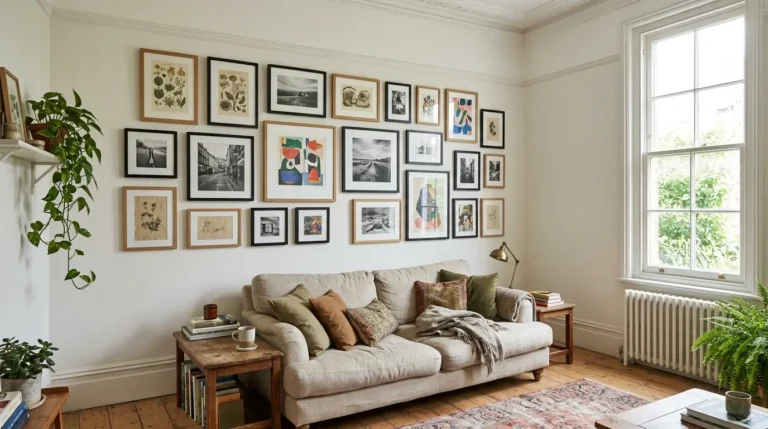
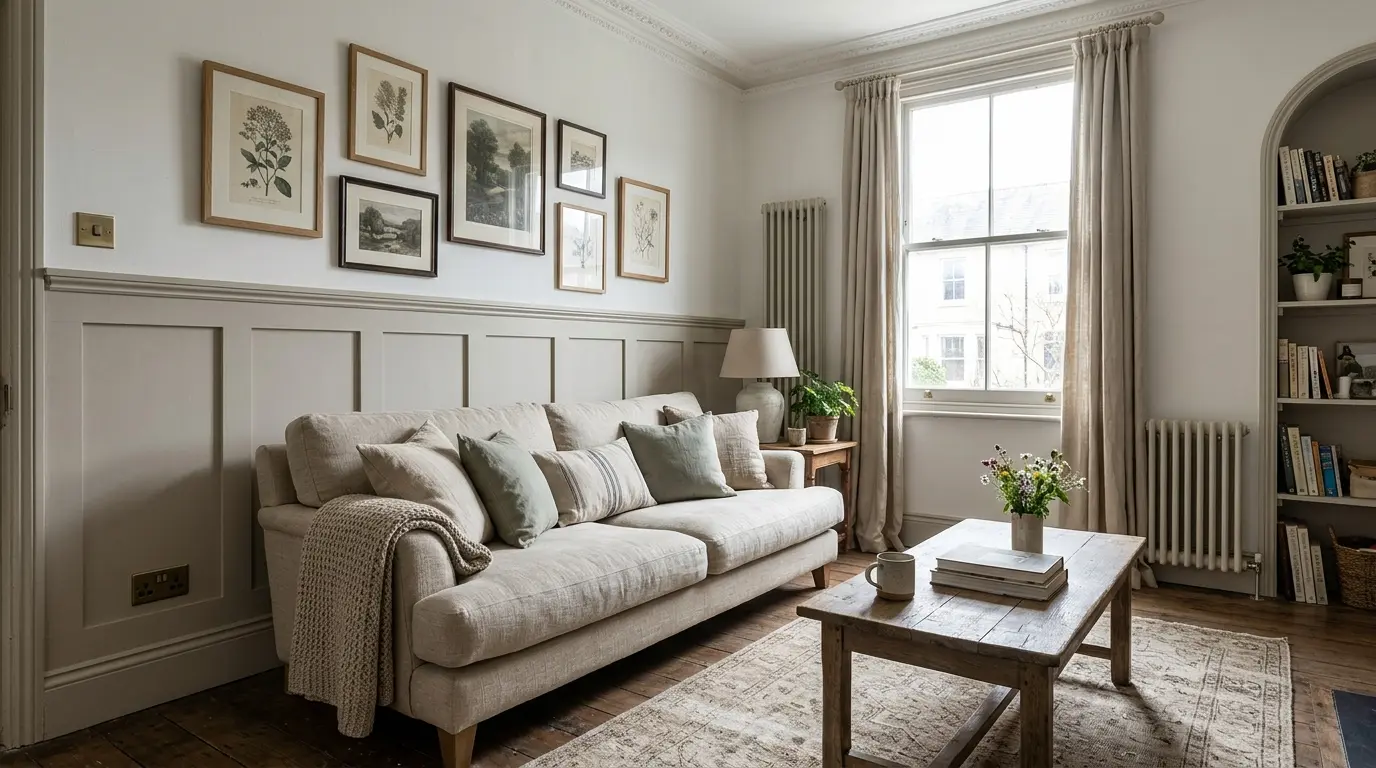
Panelling the wall behind the sofa to 900 mm or 1 000 mm creates a soft backdrop and protects the wall from furniture marks. Use primed MDF and a colour that relates to the rest of the room. Leave clearance for the sofa depth so the panels are not hidden. This is one of the most effective and forgiving options in average UK living rooms.
2. Full-Height Feature on a Chimney Breast
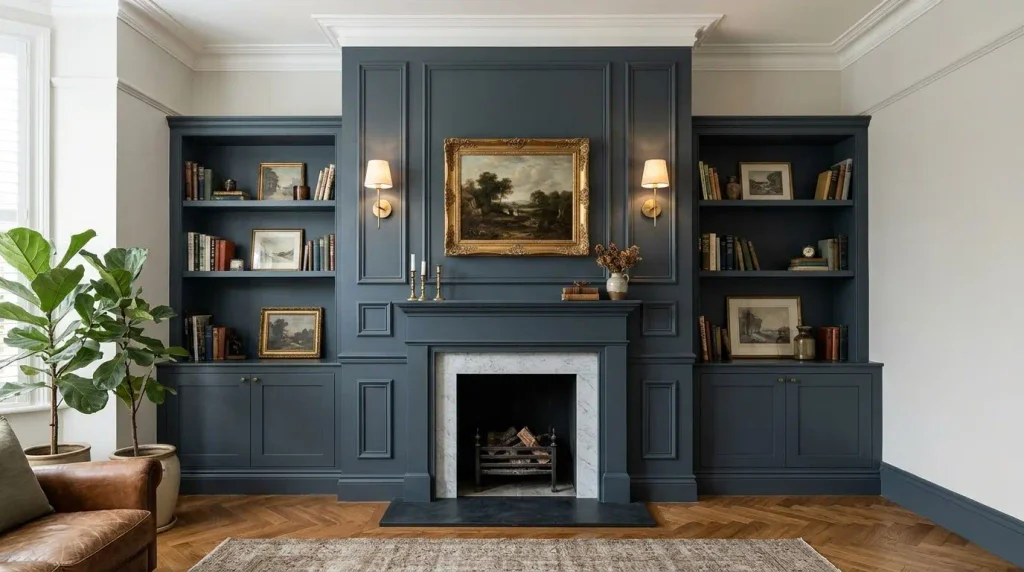
A chimney breast is the natural place for full-height panelling. It frames the fireplace and gives the room a focal point. Use 12 mm MDF and keep the colour consistent or slightly deeper. Check the breast width so the panels look balanced. This works in both period and modern living rooms.
3. Vertical Slat Panelling for Texture
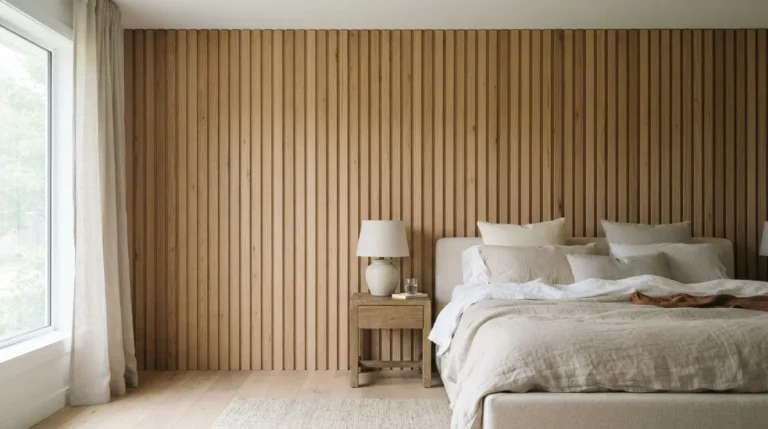
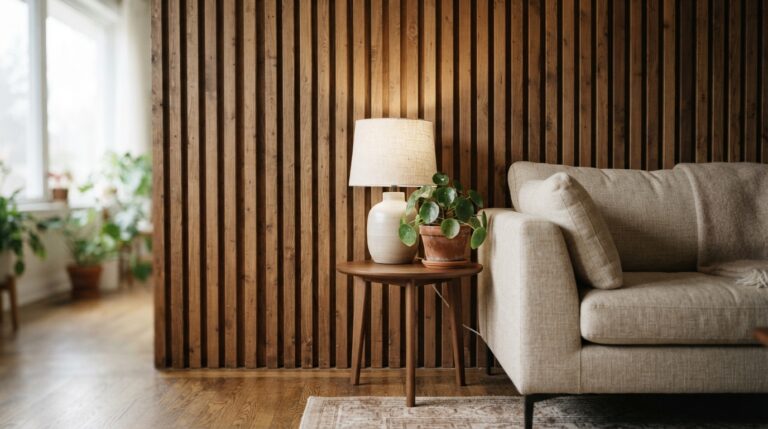
Vertical slats add modern texture without traditional mouldings. Space them evenly and paint in a soft neutral or deeper tone. Panel one wall only in smaller rooms. The height can be full or stopped below the ceiling for a lighter feel. Check ceiling height first.
4. Shaker Frame Panelling for Timeless Style
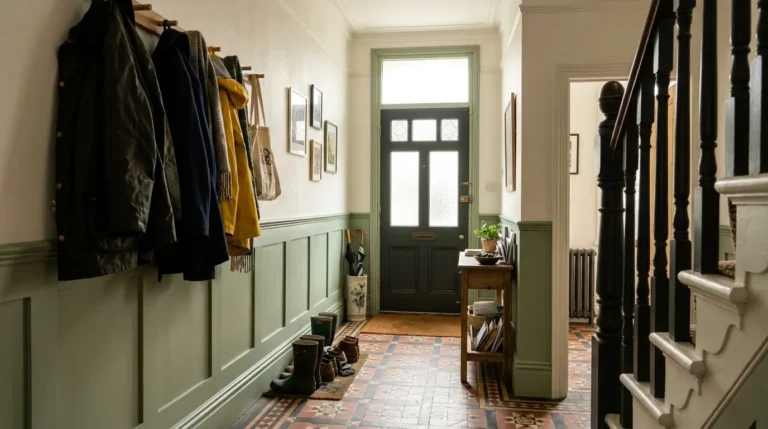
Shaker-style frames look elegant in both traditional and contemporary living rooms. Plan equal panel widths and align the top with window sills or a picture rail where possible. Paint in the same colour as the wall for a seamless look or a shade deeper for definition.
5. Panelling with a Picture Shelf
Adding a continuous shelf above half-height panelling gives a place for art, plants or books. Set the shelf at a comfortable viewing height. The combination looks finished and practical. Use sturdy fixings.
6. Soft Colour Panelling for Calm Rooms
Pale sage, warm grey or soft white panelling keeps the living room light while adding structure. Half-height versions work in most layouts. The finish should be durable enough for everyday use.
7. Dark Panelling on One Wall for Drama
A single dark panelled wall creates contrast without making the whole room feel heavy. Pair with light furniture and good lighting. Works best on the wall opposite the main window or behind the sofa. Test the colour in the actual room light.
Conclusion
Living room panelling elevates a space when the style and height suit the room size and furniture. Half-height behind the sofa and feature treatments on a chimney breast are the most reliable starting points. Measure clearances, choose appropriate materials, and the result will feel polished and lasting.
FAQs
Where should I put panelling in a living room?
The wall behind the sofa or a chimney breast are the most effective places. Panelling every wall is rarely necessary.
What height is best?
900 mm to 1 050 mm for half-height. Full height works well on feature walls with good proportions.
Which material for a living room?
Primed MDF 9 mm to 12 mm is practical for painted finishes. Moisture-resistant grade is safer on external walls.