
12 Garden Design Ideas for Every Style and Budget

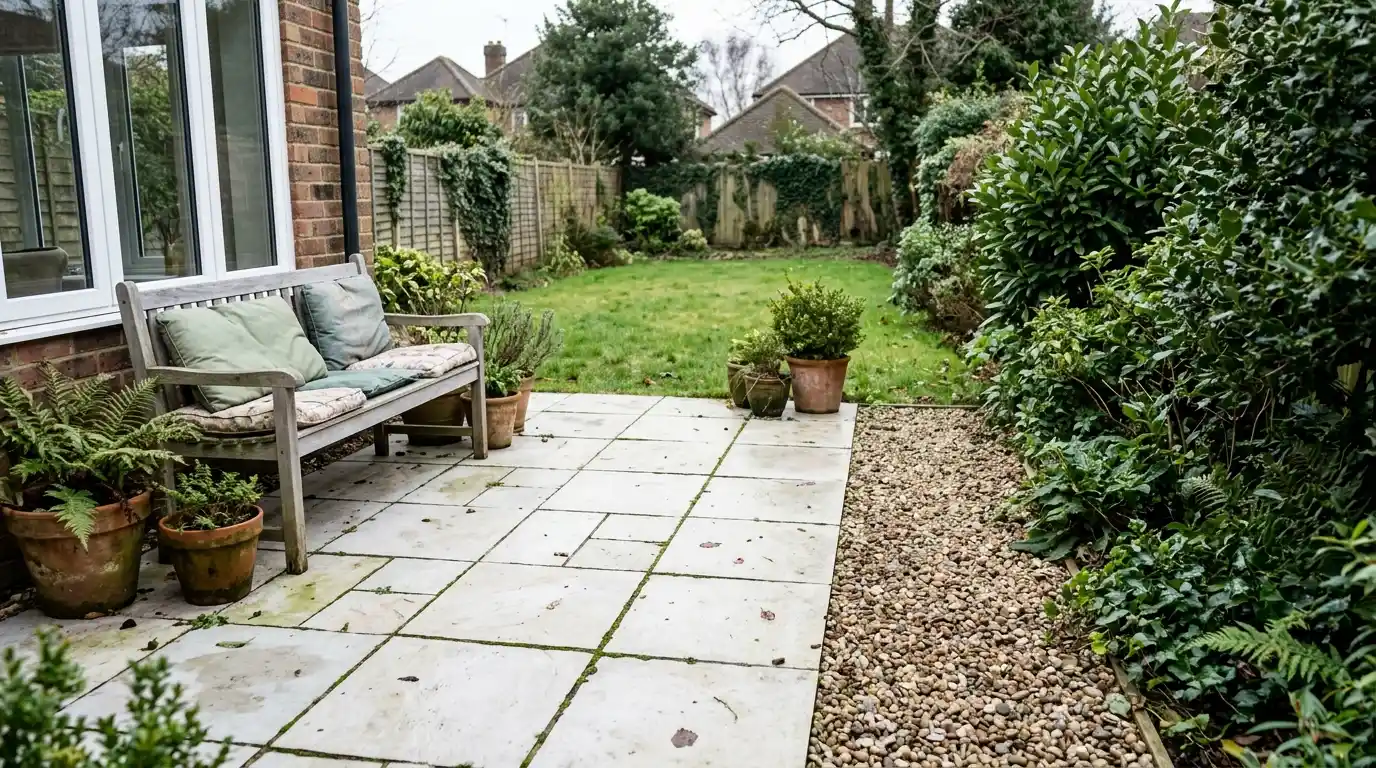
Garden design ideas work when they start from how the space is actually used and what the soil, light and drainage will support. A good plan for a British garden balances planting, hard surfaces and maintenance rather than aiming for a show garden that looks perfect for one weekend. These twelve approaches cover styles and budgets from simple upgrades to more structured layouts.
1. Map the Existing Conditions First
Before choosing a style, note where the sun falls at different times of day, where water sits after rain, and which areas are shaded by buildings or trees. Most UK gardens have at least one problem zone. Designing around those constraints prevents wasted money on plants that fail. Our guide on how to plan a garden layout from scratch walks through the survey step in more detail.
2. Choose a Simple Layout Shape
Rectangles, L-shapes or a central lawn with borders on three sides are easier to maintain and look intentional. Avoid too many curves unless you have the budget for quality edging. A clear path from the back door to the main seating area makes the garden usable every day.
3. Prioritise Hard Surfaces that Handle Weather
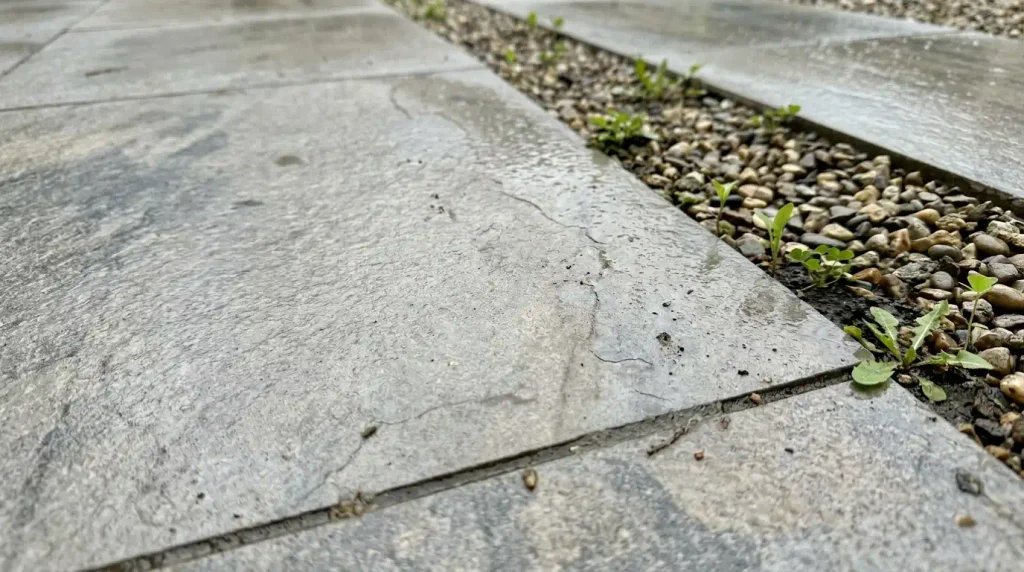
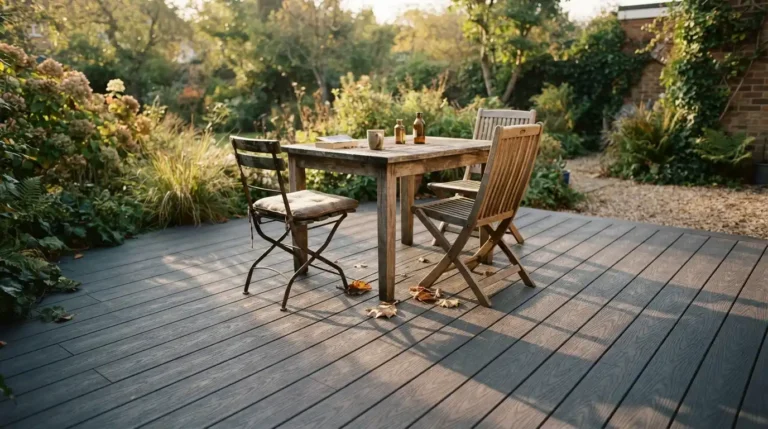
Porcelain paving, gravel or well-laid natural stone cope better with British rain than cheap concrete that stains and cracks. A properly drained terrace near the house extends the season for outdoor use. Budget for a good base; surface materials fail quickly if the sub-base is poor.
4. Use Evergreen Structure for Year-Round Interest
Deciduous planting looks bare in winter. Box, yew, holly or structural grasses give the garden form when other plants die back. Place them to frame views or hide bins and sheds. Low-maintenance evergreen shrubs reduce the amount of seasonal work.
5. Create Zones for Different Uses
Separate a seating area, a small lawn or play space, and planting beds so each part has a job. In smaller gardens one main zone with flexible furniture works better than trying to fit everything. See low-maintenance garden ideas for ways to keep each zone simple.
6. Layer Planting for Depth
Taller plants at the back, mid-height in the middle and ground cover at the front create a fuller look with less bare soil. Choose plants suited to your soil type and aspect. Mulch after planting to suppress weeds and retain moisture.
7. Add Lighting for Evening Use

Low-voltage garden lights along paths and up-lighting on key trees extend usable hours without high cost. Solar options work in open areas but are less reliable under dense trees. Plan cable runs or solar placement before laying hard surfaces.
8. Choose Furniture that Suits the Climate
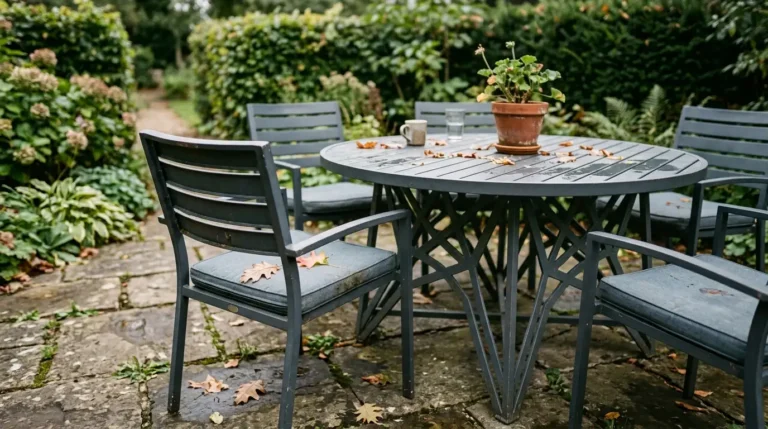
Aluminium frames with all-weather cushions or solid timber that can be oiled last longer than cheap rattan left outside. Cover or store cushions in winter. Our garden furniture ideas cover materials that handle British weather.
9. Incorporate a Simple Water Feature or Fire
A small fountain or a freestanding fire pit adds atmosphere without a major build. Ensure the fire pit has a stable base and is positioned away from fences and overhanging branches. Water features need a power source and regular cleaning.
10. Use Screening for Privacy
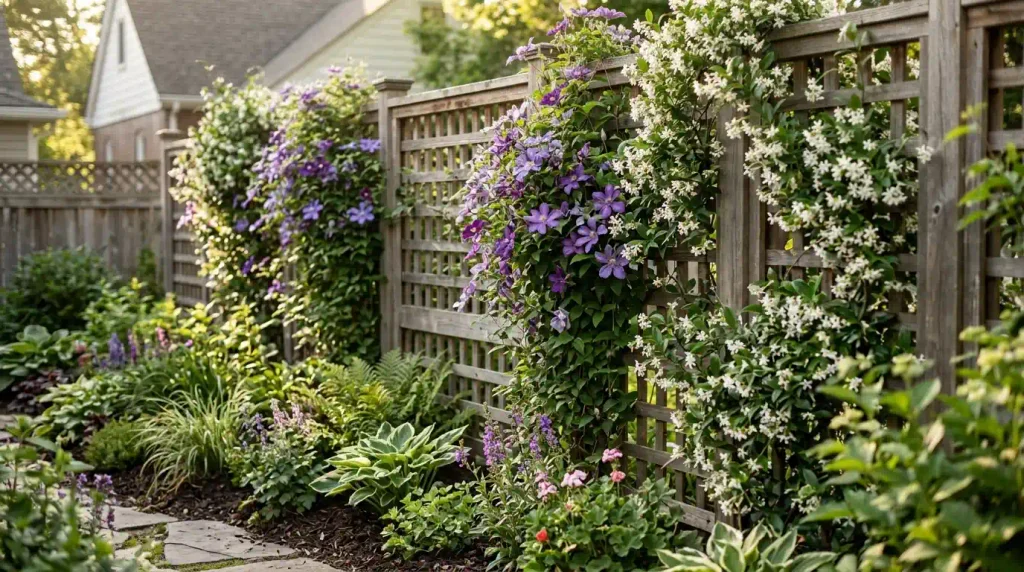
Trellis with climbers, a living willow screen or a well-designed fence panel can block views from neighbours without making the garden feel enclosed. Check local planning rules if the fence exceeds standard heights.
11. Plan for Low Maintenance from the Start
Fewer plant varieties, automatic irrigation for new beds, and gravel or mulch instead of bare soil reduce weekly work. Design the garden for the time you actually have rather than the time you hope to have.
12. Style with Containers and Accessories
Pots near the seating area allow seasonal colour changes without replanting beds. Outdoor rugs, cushions and lanterns personalise the space. Choose weather-resistant fabrics and store soft items when not in use.
Conclusion
Good garden design ideas start with the site conditions and the way the household uses the space. Hard surfaces, evergreen structure and clear zones give the garden form that lasts. Planting and lighting add the rest. Budget for proper groundwork; surface finishes fail if the base is wrong. The best gardens feel usable in ordinary weather, not only on perfect summer days.
How do I start designing a garden on a budget?
Begin with a survey of light, soil and drainage. Improve the paths and seating area first, then add structure plants and mulch. Avoid expensive one-off features until the basic layout works.
What garden style works best in the UK?
Styles that include evergreen structure and materials that handle rain tend to look better year-round. Contemporary, cottage and low-maintenance approaches all succeed when matched to the site.
How much maintenance does a well-designed garden need?
With mulch, the right plants and clear paths, many gardens need only seasonal weeding, pruning and tidying. Over-complicated planting increases work.




One Comment